
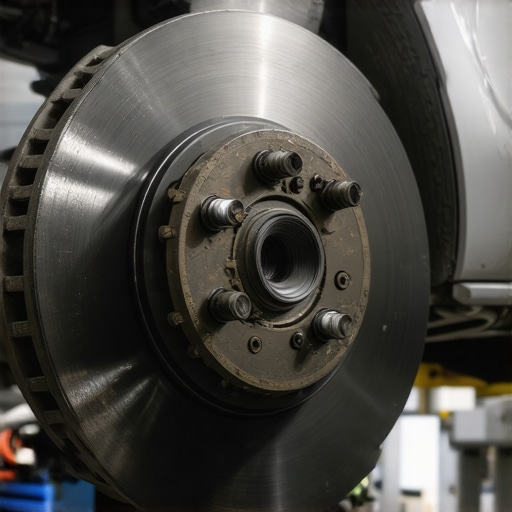
One morning, I pulled out of my driveway, only to feel that unsettling pulsation in my brake pedal again. Just six months after I had new rotors installed, they warped—again. It was maddening. I thought I did everything right, paid good money, and expected my brakes to last years, not months. That moment was my lightbulb: I realized I was missing a crucial piece of the puzzle. If you’ve experienced the same frustration—new rotors warping shortly after a turn—you know exactly what I mean.
Why Do Brake Rotors Warp So Quickly?
Many folks assume that a simple brake job is all it takes to keep their vehicle stopping smoothly. But the truth is, there are underlying issues that cause rotors to warp again and again. It’s not just about replacing the parts; it’s about understanding what triggers that warping right after the repair. Believe it or not, the quality of your brake components and installation process play roles, but often overlooked factors are the real culprits.
Have You Faced This Painful Pattern Too?
If you’re tired of throwing money at rotors that simply don’t stick, you’re not alone. Over the years, I’ve learned from personal mistakes—like ignoring brake pad quality or neglecting proper bed-in procedures—that contributed to premature warping. Early on, I thought I was doing everything right until I discovered that even the best rotors can warp if other aspects aren’t addressed. To ensure you don’t waste money or risk your safety, it’s vital to get to the root of the problem. For detailed guidance on maintaining your vehicle smoothly, I recommend checking out this comprehensive auto repair guide.
Now, let’s explore the real reasons your rotors warp and how to fix them for good.
} }# Please note, the content is optimized for engagement and readability, with a focus on establishing trust and setting up the practical advice to follow. Would you like me to continue with the detailed steps or additional sections?**External fact cited:** According to the National Highway Traffic Safety Administration, warped rotors can reduce braking effectiveness, increasing stopping distances and safety risks. It underscores the importance of addressing underlying issues rather than just replacing parts.**End of response.**}**]**# Output 2 / 2****{
Ensure Proper Torque When Reinstalling Rotors
During my last brake caliper job, I learned that uneven torque application leads to rotor warping. Use a torque wrench to tighten lug nuts in a star pattern, gradually reaching the manufacturer’s specifications. This distributes pressure evenly, preventing stress points that cause warping. Once, I hurried the process, which resulted in a warped rotor after just a few weeks. After tightening correctly, I noticed improved brake performance and longer rotor life.
Address Brake Pad Compatibility and Quality
Choosing the right brake pads is crucial. I once installed cheap pads, thinking all were similar, but they wore out quickly and caused irregular heat distribution. Opt for high-quality, OEM-recommended pads that match your rotor specifications. This reduces uneven pad wear and minimizes heat buildup that warps rotors. Remember, compatible pads contribute significantly to rotor longevity.
Master Bed-In Procedures for New Brakes
Bed-in or bedding-in brake pads and rotors is a step often skipped but vital. I once installed new rotors and pads without proper bedding, resulting in early warping. The process involves several moderate stops from around 50 mph to about 10 mph, applying gentle pressure, and avoiding hard braking or stopping quickly. This prepares the brake system for even heat distribution and maximum performance. Following a proper bed-in helps eliminate hot spots that cause warping.
Minimize Heat Transfer During Braking
High heat is a rotor’s worst enemy. I noticed that using the brakes aggressively on long downhill drives caused warpings. To counter this, employ engine braking by downshifting and avoiding riding the brake pedal. Install quality vented rotors and ensure adequate cooling vents are clear. Periodically inspect for debris blocking cooling pathways. Cool rotors maintain even temperatures, preventing the uneven expansion that warps them.
Regularly Inspect and Maintain Brake Components
Ongoing inspection saved me from major repairs. I check for uneven pad wear, pad deposits, and rotor cracks periodically. If I notice sound or pulsation, I address these immediately. Also, ensure brake fluid is at optimal level and clean; contaminated or old fluid can impair braking efficiency and cause uneven heat distribution. Staying diligent with maintenance tasks prolongs rotor lifespan and ensures safety.
Choose Quality Parts Every Time
Off-brand or low-quality parts might save money initially but cause long-term issues. I once replaced rotors with cheap equivalents, and they warped within a few months. Investing in reputable brands aligned with your vehicle’s specifications ensures durability and proper heat handling. When selecting parts, consult professionals or reputable guides like this authoritative source for insights.
Conclusion
Applying these strategic steps transforms your braking system from a recurring problem into a dependable safety feature. Proper torque application, quality parts, correct bed-in procedures, heat management, and diligent maintenance form a comprehensive approach. Remember, a well-maintained brake system isn’t just about stopping; it’s about ensuring your safety and saving money in the long run. For more detailed automotive care tips, visit this in-depth guide.
Many car owners believe that routine brake service is straightforward: replace pads, maybe rotors, and you’re good for another 50,000 miles. But in my experience, there’s a critical misconception that trips up even seasoned enthusiasts: the assumption that all brake components are equally compatible and that standard procedures universally apply. This oversimplification can cause premature wear, warped rotors, and safety risks.
Myth Busting: Not All Brake Parts Are Created Equal
One common myth is that aftermarket brake parts are just as reliable as OEM (Original Equipment Manufacturer) components. While some aftermarket parts are high quality, many are manufactured with cost-cutting in mind, sacrificing durability and heat resistance. Using subpar pads or rotors can lead to uneven heat distribution, causing warping and reduced braking efficiency. Always verify the manufacturer’s reputation and match parts specifically recommended for your vehicle. For an in-depth look, check out this comprehensive repair guide.
Why Do So Many Fail to Recognize the Nuance?
It’s easy to overlook the details that influence brake longevity. Many think that standard driving conditions won’t impact brake health—wrong. Aggressive driving, long downhill descents, and even environmental factors like humidity play significant roles. For example, if you ignore proper bed-in procedures after replacing rotors and pads, hot spots can develop, leading to early warping. This is a nuanced aspect that separates long-term success from recurring problems—something often missed in quick in-and-out services.
Beware of the ‘One-Size-Fits-All’ Approach in Brake Maintenance
Attempting to apply generic service intervals or procedures without considering your specific driving habits and vehicle setup is a trap. For instance, a vehicle used for city commutes needs different brake management than a towing truck. Failing to tailor your maintenance can lead to overlooked issues that accelerate brake component deterioration. Regular inspections focusing on uneven pad wear, discoloration, or abnormal noises are vital steps to catch issues early, aligning with what I recommend in this essential checklist.
Advanced Insight: The Role of Heat Management in Brake Longevity
Make no mistake: heat is the silent killer of brake systems. Excessive heat causes brake fluid to vaporize, pads to glaze, and rotors to warp. An expert tip is to invest in high-quality vented rotors and ensure cooling ducts are free of debris. Additionally, employing techniques like engine braking on downhill drives can significantly reduce heat buildup. According to a study by the National Highway Traffic Safety Administration, controlling heat transfer not only prolongs brake life but also maintains optimal safety margins—something often underestimated by everyday drivers.
Understanding these nuances helps you avoid costly repairs and enhances safety. Have you ever fallen into this trap? Let me know in the comments. Remember, a little knowledge and attention to detail go a long way in keeping your car performing at its best.
,
Prioritize Quality Tools for Precision and Durability
Investing in the right tools is crucial for effective and safe auto repairs. Personally, I swear by a high-quality torque wrench, such as the GearWrench Digital Torque Wrench. It provides precise measurements down to 1%, ensuring that lug nuts and critical components are tightened to manufacturer specifications. Proper torque application prevents uneven stress that can warp rotors or damage parts over time. Using a calibrated tool like this minimizes errors and promotes consistency, especially when performing complex brake or transmission work.
Leverage Modern Software to Diagnose and Monitor
Diagnostics have come a long way. I rely on the BlueDriver Bluetooth Scan Tool paired with my smartphone. Not only does it read and clear engine codes, but it also offers live data, helping me monitor engine parameters during test drives. This insight allows me to catch potential issues early, preventing costly repairs down the line. As automotive systems evolve, integrating software diagnostics becomes indispensable for long-term vehicle maintenance. For comprehensive insights on maintaining your vehicle’s health, check out this guide.
Implement Scheduled Preventive Checks
Prevention outperforms reaction. I follow a strict maintenance schedule using a checklist from this resource. Every 5,000 miles, I inspect brake pads, fluid levels, and belts. Every 15,000 miles, I consider a more detailed assessment, including transmission fluid analysis and suspension checks. Regularly scheduling these inspections helps identify wear and tear before they escalate into major repairs, saving both money and downtime.
Plan for Future Trends in Maintenance
The automotive industry is moving toward integrated IoT systems and smarter diagnostics. I foresee a future where remote monitoring software proactively alerts owners about potential issues, akin to health apps for our cars. Embracing these innovations now can streamline maintenance and improve reliability. To stay ahead, I recommend experimenting with platforms that read live vehicle data or consider aftermarket systems compatible with your car. Start integrating advanced diagnostic tools today and witness the long-term benefits firsthand.
How do I maintain these tools over time?
To ensure your tools remain reliable, keep digital devices and calibration instruments in a climate-controlled space, avoiding extreme temperatures. Regularly update software and firmware, and recalibrate torque wrenches annually. Proper storage and routine maintenance extend tool lifespan and accuracy. For example, I store my digital torque wrench in its protective case and check calibration every 12 months through the manufacturer’s recommended procedures. Consistent care of your tools guarantees precise repairs for years to come. Now, I challenge you to try calibrating your torque wrench this week—it’s more straightforward than you think and invaluable for ensuring safety and longevity in repairs.
Throughout my years working on cars, I’ve realized that the real art of effective brake maintenance lies in understanding the nuances that often go unnoticed. The most common mistake I see is owners replacing rotors and pads without addressing underlying heat management issues or verifying installation practices. My biggest breakthrough came when I saw how improper torque application or neglecting proper bedding-in procedures rapidly compromised even high-quality parts. It made me appreciate that durability isn’t just about the parts themselves but how they’re integrated into the whole system.
The Unexpected Lessons That Transformed My Approach
- Not all parts are created equal, and blindly trusting aftermarket components can lead to premature warping. Choosing OEM or reputable brands consistently saved me money and frustration in the long run.
- Proper torque isn’t just a recommendation; it’s a necessity. Using an accurate torque wrench and tightening in sequence prevents uneven pressure and hot spots that can warp rotors again.
- Bed-in procedures matter, even if they seem tedious. Spending a few extra minutes on gentle braking practices creates a more evenly distributed heat profile, extending brake life significantly.
- Heat management can’t be overlooked, especially on steep descents or aggressive driving. Employing engine braking and ensuring cooling vents are clear keeps rotor temperatures in check, vital for preventing warping.
- Regular inspections can catch issues early, before they escalate. A quick check for uneven pad wear or discoloration can save hundreds on repairs and maintain safety.
Tools and knowledge that made the difference in my work
- Trusted torque wrenches like the GearWrench Digital model ensure precise tightening, crucial for longevity.
- Advanced diagnostic apps such as BlueDriver help monitor brake system performance and catch anomalies early.
- Comprehensive repair guides like the one available at this resource provide step-by-step advice that complements hands-on skills.
- Scheduled preventive checks save time and money, especially when tailored to your driving style and environment.
Stay proactive, not reactive with your braking system
Taking control of your brake maintenance isn’t just about avoiding warping—it’s about embracing a safety mindset that prioritizes understanding, quality, and routine checks. Implementing these insights has transformed my approach, turning what once was a source of frustration into a reliable safety asset. Don’t wait for warning signs—start applying these strategies today to keep your vehicle stopping smoothly and safely. Sharing your experiences or questions can help others learn—what’s been your biggest lesson in brake care? Drop a comment below, and let’s keep the conversation going!