

It was a typical Saturday morning when I jumped into my car, ready for a quick errand run. But as I pressed the brake handle and started to drive, I noticed something odd—those familiar red warning lights stubbornly refused to turn off. That sinking feeling kicked in. I remember thinking, “Is this dangerous? Should I drive it anyway?” Suddenly, that small indicator became a giant cloud of uncertainty hanging over my day.
Has this ever happened to you? That nagging feeling that your brake system isn’t quite right, even after you’ve released the handle or stopped the vehicle? You’re not alone, and chances are, you’re wondering why that warning light stays on long after the situation seems under control. Well, let me tell you—this common issue can be both confusing and stressful, but the good news is, it’s often fixable without a trip to the mechanic every time.
Understanding the Hidden Causes of Brake Warning Light Persistence
The reason why your brake warning light stays on isn’t always obvious. Sometimes, it’s a minor glitch in the sensor system, other times, it signals a more serious brake fluid or sensor malfunction. Early in my own experiences, I made the mistake of ignoring small warning signs, assuming they’d simply go away. Trust me, ignoring these signals can lead to costly repairs down the line. According to experts, malfunctioning brake sensors or low brake fluid levels are among the most common causes, and addressing them early can save you headaches later. You can learn more about testing for other failing components like a water pump or engine issues at this straightforward water pump test.
Is Your Brake Warning Light Actually Worth the Hype?
When I first encountered this problem, I doubted if it was worth my time to fix it myself or if I should just ignore it for now. Spoiler: it’s almost always worth paying attention. The warning light is designed to keep you safe, but it’s only effective if you understand what it’s telling you. Early on, I skipped checking the brake fluid, only to realize later that the fluid was low and could have been easily topped up. This cautionary misstep reminded me how critical it is to listen to your car’s warning signals. You might have experienced this yourself—so I’d ask, have you faced a similar issue with your brake warning light staying on? If so, don’t worry. We’ll walk through how to diagnose and fix this problem together, step by step, so you’re back on the road with confidence.
Start with a Visual Inspection of Brake Fluid Levels and Sensors
My first real test was checking the brake fluid; I opened the hood, located the reservoir, and inspected the fluid level. If it’s low, topping it up might turn off the warning light. Use the vehicle’s owner manual to find the correct fluid type. If the fluid is visibly dirty or the level is fine but the light stays on, the issue may lie with the sensor or wiring, which requires a closer look.
Check the Brake Fluid Sensor for Malfunctions
Next, I examined the brake fluid sensor, usually located near the reservoir. Sometimes, dirt or corrosion on the sensor causes false warnings. Carefully disconnect the sensor and inspect for corrosion or damage. Clean the contacts with a wire brush or replace the sensor if it’s faulty. Remember, a faulty sensor can trigger the warning even when your brake fluid is adequate.
Test Brake System Components
To avoid unnecessary repairs, I performed a quick test of the brake system. With the vehicle parked on a level surface, pressed the brake pedal firmly; if the pedal feels spongy or sinks, the brake fluid might be contaminated or air might be trapped in the lines. Bleeding the brakes or replacing the fluid can remedy this. Also, check for leaks in the brake lines or around the calipers, as leaks can cause low fluid levels and activate the warning.
Analyze for Electrical and Wiring Issues
If the fluid levels are fine and sensors appear intact, I moved on to inspecting the wiring harness and connectors. Damaged wiring or loose connectors can send false signals to the warning system. Visually trace the wires from the sensor to the control module, looking for corrosion, frays, or disconnections. Repair or replace damaged wiring as necessary. For guidance on wiring problems, refer to this comprehensive wiring check.
Use Diagnostic Tools for Precise Troubleshooting
If manual inspection doesn’t reveal the culprit, connect an OBD-II scanner. This device reads error codes and can pinpoint sensor malfunctions or other issues causing the warning light to stay on. For example, a code related to low brake fluid pressure indicates a sensor fault, while codes for ABS system faults might involve the control module itself.
Clear the Error Codes and Observe
After repairing or replacing faulty components, clear the error codes using the scanner, then test-drive the vehicle to confirm if the warning light remains off. If it persists, recheck all connections and consider seeking professional assistance. Remember, the goal is not just to turn off the warning but to ensure your braking system is truly safe.
Summary of Actionable Steps to Fix a Persistent Brake Warning Light
By systematically inspecting fluid levels, sensors, wiring, and utilizing diagnostic tools, you can identify and resolve the root causes of a brake warning light that refuses to turn off. This approach saves time and money, and most importantly, keeps you safe on the road.
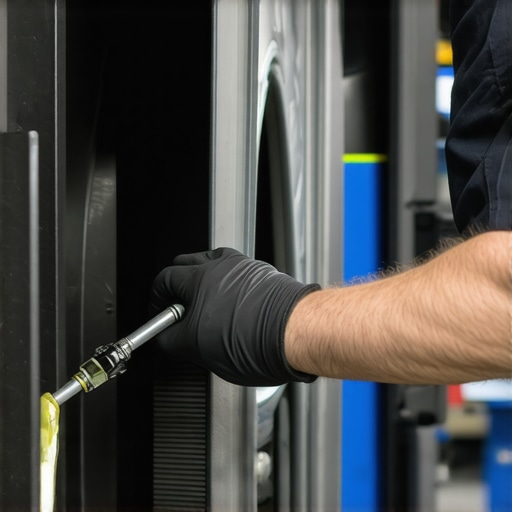 When it comes to vehicle maintenance, many car owners fall for common misconceptions that can lead to costly repairs down the line. While basic knowledge is useful, understanding the subtle complexities of transmission systems, brake service, and general auto repair can set you apart as a savvy enthusiast. Let’s explore some nuanced truths that challenge conventional wisdom.
One widespread myth is that all transmission fluid should be replaced regularly at fixed intervals. In reality, modern transmissions are designed to be more resilient, and frequent flushes without proper diagnosis may do more harm than good. According to industry experts, transmission fluid typically lasts longer than many think unless there are clear signs of degradation or contamination. Over-flushing can disturb the delicate balance of additives, leading to increased wear.
Many believe that brake pads are the only component wearing out during brake service. However, neglecting the importance of brake calipers, rotors, and brake fluid quality can cause uneven wear and decreased braking efficiency. An oversight here might result in replacement of parts that could have been saved with more comprehensive inspection. The process involves more than just pads; ensuring the entire system’s health is crucial.
***How do advanced diagnostics improve the longevity of auto repairs?***
Using tools like OBD-II scanners doesn’t just identify error codes; they can reveal underlying issues such as sensor misalignments or wiring faults that often go unnoticed. These diagnostics aid in early detection, helping prevent minor issues from escalating. A study published in the Journal of Automotive Engineering states that proper diagnostics significantly reduce unnecessary repairs, saving vehicle owners time and money. For instance, a misfired sensor might trigger engine warning lights but be mistaken for a more expensive engine problem; precise diagnostics can pinpoint the real culprit.
One trap many fall into is assuming that all car noises are harmless, only to discover costly repairs after neglecting early signs. For example, a subtle pulsing in the brake pedal or a mysterious shudder when turning might seem minor but could indicate failing axles or warped rotors. Recognizing these symptoms early ensures safer driving and fewer surprises.
Being proactive with your vehicle’s maintenance requires more than routine checks. It demands an understanding of the nuanced interplay between components. For example, a water pump failure, often overlooked, can cause engine overheating and lead to significant damage if not caught early. You can learn how to identify such issues with simple tests, like the one discussed in this article about water pump diagnostics.
Remember, every part of your vehicle is interconnected. Recognizing when a problem is more than surface deep can save you thousands and extend your car’s lifespan. So, the next time you consider auto repair or maintenance, ask yourself: Am I paying attention to the hidden signals?
Have you ever fallen into this trap? Let me know in the comments!
Investing in Reliable Equipment Ensures Lasting Performance
Maintaining your vehicle over time isn’t just about knowledge—having the right tools makes all the difference. I personally rely on a high-quality OBD-II scanner like the BlueDriver because it offers comprehensive error code reading and real-time data, which allows me to diagnose issues quickly without the need for a mechanic. This device simplifies troubleshooting engine and transmission problems, saving both time and money.
When checking critical components like the water pump, I don’t just perform a visual inspection; I use a infrared thermometer to measure the surface temperature of the pump. This helps me identify if it’s operating within the optimal range, preventing overheating issues that could lead to costly repairs. For example, testing the water pump before overheating can be as simple as following the simple test explained here.
Tools That Make Auto Repair More Accurate and Safer
One of my favorites is a sturdy compression tester. It allows me to check engine cylinder health for signs of wear or head gasket failure. For brake service, I always keep a brake caliper piston tool on hand to ensure even pressure during pad replacement, which extends the life of the braking system. Investing in quality hand tools, like those from Snap-On, ensures durability and precision, helping me tackle tasks confidently.
To elevate my car maintenance, I also utilize a Bluetooth torque wrench. This tool ensures bolts are tightened to manufacturer specifications, vital for components like wheel lugs and suspension parts, preventing over-tightening or insufficient torque. Correct torque application is crucial—missed by many DIYers—which can compromise safety and lead to issues like uneven tire wear or wheel loosening.
How do I keep my tools in top shape over time?
Proper maintenance involves cleaning, lubricating, and storing tools in a dry, organized space. I regularly check my diagnostic devices and replace consumables like sensor batteries. Calibration is essential for precision instruments like torque wrenches, so I follow manufacturer guidelines or seek professional calibration services periodically. These steps extend the lifespan of my tools and ensure consistent performance, making each repair more reliable.
Looking ahead, I predict that automation and smart diagnostic devices will become more integrated into routine auto maintenance. Imagine using an app that seamlessly connects your vehicle with diagnostic tools and maintenance schedules—making DIY auto repair more accessible and accurate for everyone.
How do I maintain my tools and equipment over time?
Regularly inspect for signs of wear, clean after each use, and store them properly. Keep electronic devices charged and update software as needed. Consider investing in a quality portable air compressor for tire maintenance, and replace consumables like wrench sockets periodically to ensure safety and precision. These practices ensure your toolkit stays reliable, helping you perform auto repairs effectively long-term.
By equipping yourself with these specific, high-quality tools and maintaining them diligently, you’re setting up a foundation for successful, long-lasting vehicle care. Remember, the right tools not only save time but also improve safety and the quality of your repairs—so don’t skimp when purchasing your equipment.
Over the years, I’ve learned that many auto repair misconceptions can cost more than just money—they can threaten your safety. One of the most enlightening lessons for me involved persistent brake warning lights. Initially, I thought a quick top-up of brake fluid was enough, but digging deeper revealed a web of interconnected issues, from faulty sensors to wiring problems. This experience underscored the importance of thorough diagnostics and not settling for surface-level fixes, especially when it concerns braking safety.
One game-changing insight was realizing that modern vehicles often hide their problems beneath a veneer of simplicity. Relying solely on visual checks or ignoring error codes can lead to surprises on the road. Embracing professional-grade diagnostic tools and understanding their capabilities transformed my approach, enabling me to address root causes rather than temporary patches. Had I not learned this, I might still be troubleshooting, or worse, risking a brake failure.
The Hardest Lesson I Learned About Brake System Clarity
- Sensor accuracy matters more than you think: Faulty sensors can cause warning lights to stay on even when the brake fluid is perfect, leading me to unnecessary part replacements.
- Wire harnesses can be deceiving: Damage or corrosion in wiring often mimics sensor faults, reminding me to inspect electrical connections meticulously.
- Diagnostics are your best friend: Using an OBD-II scanner provided precise error codes, which saved me from costly guesswork and unnecessary repairs.
- Never ignore subtle signs: A slightly spongy brake pedal was an early indicator of deeper issues, reinforcing the value of paying attention to vehicle feedback.
- Safety should always come first: Ensuring the entire brake system’s health means peace of mind on the road and better performance over time.
My Toolbox for Confident Auto Repairs
I’ve come to rely on essential tools that make diagnosing and fixing brake issues more manageable. A dependable OBD-II scanner helps me read error codes accurately, saving time. A quality multimeter ensures wiring and sensor tests are precise, preventing misdiagnoses. For physical inspections, a flashlight and magnifying glass are invaluable for spotting corrosion or damaged wiring.
Investing in these tools has made my auto repair journey more enjoyable and less stressful. They enable me to tackle problems with confidence and do my part in keeping my vehicle safe.
Empowering Your Journey to Safe Driving
Knowledge is the foundation, but courage is what brings change. With the right tools, an open mind, and a cautious attitude, you can handle many brake-related issues yourself. Remember, comprehensive diagnostics and patience are key to getting it right the first time. So, I encourage you—start small, stay curious, and prioritize safety above all. Your vehicle—and your family—will thank you for it.
Have you ever waited too long to fix a brake warning light? Share your story below, or ask questions—we’re in this journey together!