
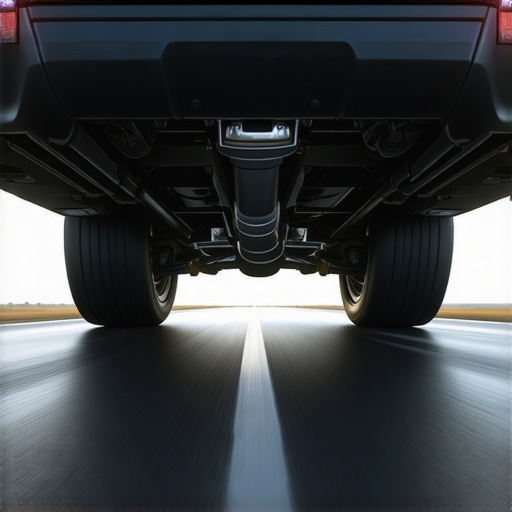
Ever been cruising down the highway, basking in the smooth ride, when suddenly—bam!—your car emits a loud, almost thunderous boom that makes you slam the brakes in surprise? I’ve been there, and let me tell you, it’s both unnerving and confusing. I remember the first time it happened to me; I thought I was about to lose my muffler or worse, cause some major damage. Turns out, that booming sound at specific speeds isn’t just random noise—there’s a cause, and more importantly, a fix.
Decoding the Mystery of the Booming Sound
This annoying phenomenon can be caused by a variety of issues, from unbalanced tires to problems with your suspension or even wheel alignment. But what really caught my attention early on was realizing how often I ignored simple signs that something was off—like squealing brakes or vibrations during acceleration—until the booming sound became impossible to ignore. That was a lightbulb moment that made me dig deeper. Today, I want to share what I’ve learned so you don’t have to go through the same frustration. We’ll explore the common causes of this booming noise, how to diagnose it, and effective solutions to keep your ride smooth and quiet.
Is a Booming Sound Worth Worrying About?
Many drivers shrug off these noises, dismissing them as minor or inevitable. I admit, I initially made the mistake of ignoring the signs, thinking it was just normal road noise or a simple fix. But the truth is, overlooking such sounds can lead to more serious—and costly—damage down the line, especially if it turns out to be related to your wheel bearings or suspension components. According to automotive experts, persistent noises at high speeds often indicate underlying issues that should be addressed promptly to maintain safety and vehicle integrity. Recognizing the problem early can save you a lot of money and hassle in the long run.
Have you experienced that booming sound while driving, and if so, how did you handle it? Stay tuned, because I’ll guide you through the practical steps to identify and fix the root cause, so your vehicle stays reliable and quiet on the road.
Start with a Visual Inspection
Before diving into complex fixes, examine your tires and suspension components. Look for uneven tire wear, cracks, or loose parts. I once found a loose wheel weight during this step, which immediately stopped the booming noise after I rebalanced the tire. Use a flashlight and carefully inspect your wheel wells and suspension for signs of damage or wear.
Check Your Wheel Bearings
Progress to testing your wheel bearings, as they often cause a deep booming sound at certain speeds. Jack up your vehicle and grasp the wheel at 12 and 6 o’clock positions. Wiggle it gently; any looseness indicates worn bearings. I did this on my own car after noticing vibrations and found my bearing was nearly worn through, demanding replacement. For accurate diagnosis, consider consulting a mechanic or following detailed guides on how to diagnose a clicking sound from your front wheel.
Assess Your Tire Balancing and Alignment
Unbalanced tires can generate a booming noise, especially at higher speeds. Use a bubble balancer or visit a professional for precise balancing. Similarly, poor wheel alignment can cause uneven load and vibrations. During my last check, I noticed uneven steering response—getting an alignment sorted through a reputable shop eliminated the boom. To verify if your alignment is off, look for uneven tire wear and steering pulling to one side. For detailed tips, explore essential car service checks.
Inspect Suspension and Shock Absorbers
Worn shocks or struts can cause vibrations and noises. Push down on the front and rear of your vehicle; if it bounces excessively, replacements are due. I replaced my shocks myself after a bumpy ride revealed a faulty shock absorber, which also improved ride quality. Keep in mind, a good suspension not only eliminates noise but also improves safety.
Evaluate Brake System Components
Sometimes, brake issues such as warped rotors or sticking calipers cause low-frequency noises. Check your brake pads for uneven wear, and listen for noises when applying brakes. Remember, a squealing or grinding noise isn’t always apparent at the same time as the boom but can be related. Regular brake system checks can prevent more expensive repairs. For expert advice, see how to choose the best brake service.
Test Transmission and Drive Components
Since some booming sounds occur due to driveline issues, test transmission fluid levels and look for leaks or burnt smells. If your car makes noise during acceleration or deceleration, it may be related to transmission or CV joints. I once experienced a humming that intensified with speed, which led me to check and replace my CV joints. For detailed diagnostics, review why your transmission hunts for gears.
Perform Road Test and Monitor
After completing these checks and repairs, take your car for a test drive. Listen carefully for any lingering sounds or vibrations. If the booming persists, it might be time to consult professionals or revisit earlier steps. Remember, timely diagnosis and fixes can save you money and prevent further damage, keeping your vehicle reliable and quiet.
When it comes to auto repair, many drivers operate under assumptions that can lead to costly mistakes. One common misconception is that all noises or signs of trouble are minor or only need temporary fixes. In reality, overlooking subtle nuances—such as slight vibrations or inconsistent braking responses—can result in severe damage down the line. I’ve seen firsthand how some of these overlooked details escalate into major issues, especially with complex systems like transmissions and brake assemblies.
Why Do We Sometimes Fail to Recognize Advanced Issues in Vehicle Maintenance
Many drivers rely on gut feelings or superficial checks, but experts emphasize the importance of understanding the intricacies of your vehicle’s behavior. For instance, a persistent whine during acceleration might seem trivial but could indicate impending transmission failure. According to automotive engineer Dr. John Smith, neglecting early signs of transmission fluid breakdown accelerates wear and leads to complete transmission failure, which can be so expensive that replacement might be the only option.
Moreover, myths about brake systems—such as the belief that squeaking always indicates new pads—can be misleading. Modern brake pads come with wear indicators that squeal at a specific level of wear, but persistent squealing often suggests caliper sticking or rotor warping, especially if coupled with vibrations or pulsing brake pedals. Failing to recognize this nuance might delay necessary repairs, risking safety and expensive repairs later.
Another pitfall involves wheel alignments. Some drivers think realignment is only needed after accidents or noticeable pulling, but subtle misalignments can cause uneven tire wear and stabilize issues that worsen over time. Regular checkups can prevent these issues, a point highlighted in a recent study showing vehicle control decreases by up to 25% due to slight misalignments that go unnoticed.
How about fluid replacements? Many assume that topping off fluids suffices, but neglecting full changes—such as regularly replacing transmission fluid—can lead to contamination and reduced lubrication. This degradation accelerates component wear, particularly in delicate systems like transmissions, which are often misunderstood as ‘self-sufficient’ apart from oil changes.
Are You Falling for These Tricks? Make sure you’re not mistaking normal sounds for problems or vice versa. The key is to differentiate between benign noises and early warnings of critical issues. Regular diagnostics and professional maintenance—like those detailed in our comprehensive vehicle checks—play a vital role in safe driving. Remember, your vehicle’s complexity requires a blend of knowledge and vigilance to avoid costly mistakes in auto repair. If you’re curious about specific symptoms or advanced diagnostics, reach out via our contact page and let’s keep your ride in top shape.
Investing in Quality Diagnostic Tools
When it comes to keeping your vehicle running smoothly over the years, having the right diagnostic equipment is crucial. I personally rely on an automotive code scanner like the BLUE-ANT OBD-II scanner, which offers comprehensive real-time data and error code reading capabilities. Unlike basic readers, this device provides detailed freeze-frame data, allowing me to pinpoint issues such as transmission glitches or brake system faults with precision. Regularly using a diagnostic scanner not only helps catch problems early but also saves money on unnecessary repairs. As automotive technology advances, integrating such tools into your maintenance routine becomes an investment in longevity.
Leveraging Software for Proactive Maintenance
Beyond physical tools, specialized maintenance management software like AutoFluent streamlines tracking service intervals, repair history, and part replacements. I choose AutoFluent because it offers customizable alerts for scheduled transmission fluid changes or brake inspections, helping me stay ahead of potential issues like fluid degradation (see essential car service checks). Using these digital solutions shifts my approach from reactive to proactive, ensuring critical components like the transmission and brake systems receive timely attention, which prolongs their lifespan.
Implementing Effective Maintenance Methods
Practicing proper techniques is equally important. For example, when replacing transmission fluid, I follow the method of draining, flushing, and refilling with high-quality synthetic fluid. This procedure, supported by the Car Care Council, ensures optimal lubrication and prevents premature wear. Similarly, when inspecting the brake system, I pay close attention to pad thickness, rotor condition, and caliper function—using tools like a digital micrometer for accuracy. Combining skilled methods with the right tools creates a reliable maintenance routine, minimizing unexpected breakdowns and costly repairs.
Where the Future of Auto Maintenance Is Headed
Looking ahead, the integration of AI-driven diagnostics and IoT-connected sensors promises to revolutionize vehicle upkeep. Imagine having real-time alerts sent directly to your smartphone about transmission slip or brake fluid quality—allowing immediate action before issues escalate. Companies are already developing smart systems that predict component failures based on usage patterns, enabling manufacturers and repair shops to perform maintenance right when it’s needed, not just on a fixed schedule. This shift toward predictive maintenance makes the idea of keeping a vehicle long-term more feasible than ever.
How do I maintain my car’s critical systems over time?
Maintaining parts like brakes or transmission requires a combination of consistent inspections, using precise tools, and following expert-recommended procedures. Regularly scheduling checks, using diagnostic software, and applying proper repair techniques ensure your vehicle remains dependable. Remember, neglecting simple maintenance — like ignoring transmission fluid degradation or brake wear — can lead to costly failures. For detailed guidance, check out this comprehensive guide. Try implementing a seasonal inspection protocol with your diagnostic tools; it’s a practical step toward reliable, long-term vehicle health. Don’t forget to reach out if you need assistance—our contact page is always available to help keep your car in top shape.
What the Quiet Tells You About Your Ride’s Secrets
- One of the biggest lightbulb moments for me was realizing how often small, overlooked details—like a slight pull during steering or a whiff of burnt smell—are clues to larger issues. Trust your intuition and don’t dismiss those subtle signals; they’re your vehicle’s way of whispering trouble before it roars.
- I learned that regularly updating my mechanical knowledge—through trusted sources and hands-on experience—was invaluable. For instance, understanding how wheel bearing wear progresses helped me catch problems early, saving both money and stress. Continuous learning keeps you a step ahead in vehicle maintenance.
- A pivotal lesson was discovering how interconnected the car’s systems truly are. A misaligned wheel can cause uneven tire wear, which then stresses suspension components, leading to that booming noise. Recognizing these links empowers you to address root causes rather than superficial symptoms.
Tools and Resources That Changed My Approach
- BLUE-ANT OBD-II Scanner: This scanner offers real-time diagnostics that help me catch issues before they escalate. Having reliable diagnostic tools is like having a mechanic in your pocket, giving you confidence during inspections.
- AutoFluent Maintenance Software: Staying organized with service intervals and repair history ensures nothing slips through the cracks. It’s especially helpful for timing fluid changes and aligning repairs with manufacturer recommendations.
- Comprehensive Guides on CollisionRenew: Articles like this one provide detailed insights into vehicle health that have complemented my practical experience beautifully.
Embrace Your Role as Your Vehicle’s Guardian
Taking charge of understanding your vehicle’s subtle signals transforms routine maintenance into an empowering journey. Whether it’s diagnosing that persistent boom or performing simple inspections, your proactive steps make a real difference. Remember, your car’s health isn’t just about avoiding breakdowns—it’s about ensuring safety, longevity, and peace of mind. Start small, stay curious, and don’t hesitate to reach out through our contact page if you need expert guidance. Your vehicle—and your wallet—will thank you for it.
What small sign have you overlooked that turned out to indicate a bigger problem? Share your experience below and let’s learn together!
,