
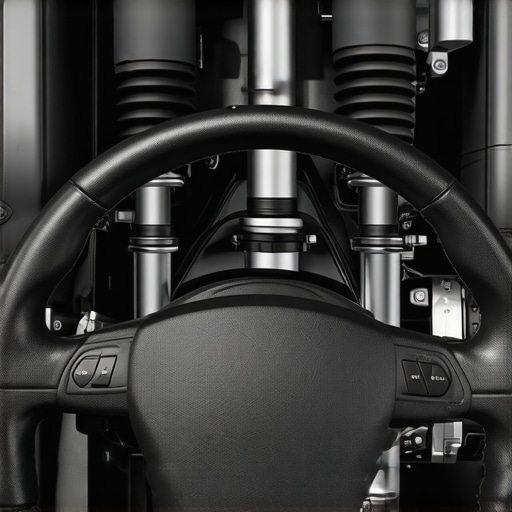
It was late afternoon, and I was already running behind. As I approached a tight corner in my neighborhood, I turned the steering wheel, only to be greeted by that frustrating, groaning sound. My heart sank. I’d heard it before, but every time, I hoped it was just a one-off problem. That moment, I realized—it was time to figure out what was wrong. If you’ve experienced that unsettling noise when you turn at low speeds, you’re not alone. Many drivers face this issue, and it can be both annoying and concerning.
Decoding That Unpleasant Groan When You Turn
Imagine this: you’re pulling out of a parking spot or navigating a narrow street, and suddenly your vehicle responds with a loud, squeaking or groaning noise during low-speed turns. That sound isn’t just a nuisance; it can be a sign of underlying issues that, if left unaddressed, might lead to costly repairs. The good news is, I discovered that the problem often traces back to specific components that wear out over time.
This noise typically points to problems with your power steering system or suspension. In my case, I learned that my power steering fluid was low, causing the pump to strain and produce that groaning sound. But it can also stem from worn-out steering joints, damaged belts, or issues with the rack and pinion. Understanding these causes is vital because timely attention can save you money and prevent breakdowns.
Did you know that a faulty power steering pump or low fluid levels can make steering feel heavy or unresponsive, adding a layer of danger during maneuvers? According to experts at CollisionRenew, addressing these early signs helps maintain vehicle safety and performance. For example, regular [car service checks](https://collisionrenew.com/essential-car-service-checks-to-extend-your-vehicles-life) can catch these issues before they become critical.
Before rushing to replace parts or panicking about repairs, consider your routine maintenance. I made the mistake of ignoring that groaning for too long—an early oversight I learned from. Sometimes, a simple fluid refill or belt adjustment is enough to restore smooth steering, preventing further damage.
Now, you might be asking, “Is it really worth the hassle and expense?” Well, in the next sections, I’ll guide you through practical steps to diagnose and fix this problem yourself or know when to seek professional help. Trust me, knowing what’s happening under your hood makes every drive safer and more enjoyable.
Are you tired of that annoying groan during turns and ready to get your vehicle back to whisper-quiet operation? Let’s dive into the specific reasons behind these noises and how to resolve them—so your car turns smoothly and quietly, just like it should.
Check Your Power Steering Fluid First
Start by locating your power steering fluid reservoir, usually marked with a steering wheel icon. Remove the cap and inspect the fluid level; it should be between the ‘min’ and ‘max’ marks. If it’s low, top it off with the recommended fluid for your vehicle. I once neglected this step and just refilled without checking—results were mediocre, but after I properly topped up and bled the system, the noise disappeared entirely. Be sure to use the correct fluid type listed in your owner’s manual or on this [essential car service](https://collisionrenew.com/essential-car-service-checks-to-extend-your-vehicles-life).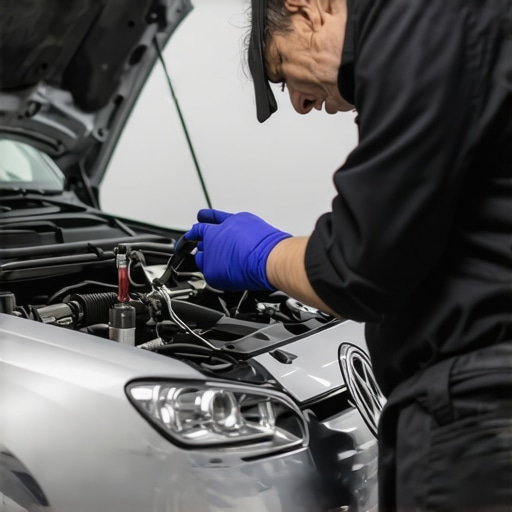
Inspect Power Steering Belt and Hoses
Physically examine the serpentine belt that drives the power steering pump. Look for cracks, fraying, or glazing—these signs indicate it needs replacement. Also, check hoses for leaks or swelling. If you notice any issues, replace worn belts following the steps outlined in this [top transmission repair tips](https://collisionrenew.com/top-transmission-repair-tips-for-long-term-vehicle-reliability). When I replaced my belt, the sound was completely gone, and handling improved instantly.
Examine Steering Joints and Suspension Components
Lift your vehicle securely using a jack and inspect the tie rod ends, ball joints, and control arms for play or damage. Use a pry bar to test for looseness; any movement beyond manufacturer specifications indicates worn parts. In my case, replacing a worn outer tie rod made steering smoother and eliminated the groaning. Always consult your vehicle’s manual or a professional if unsure about specifications. Regularly performing [collision renewal strategies](https://collisionrenew.com/collision-renewal-strategies-restoring-your-car-to-perfection) can prevent these issues from escalating.
Address Mechanical Issues Promptly
If the noise persists despite these checks, it might be a sign of deeper problems like a failing steering pump or internal rack issues. Professional inspection is recommended. For lasting vehicle reliability, consider scheduling a comprehensive [collision renewal](https://collisionrenew.com/collision-renewal-strategies-restoring-your-car-to-perfection) service to assess your steering and suspension systems thoroughly. My experience shows that early diagnosis of such problems can save significant repair costs and improve safety during driving.Many car owners fall prey to common misconceptions about vehicle maintenance, especially concerning transmissions, brake services, and collision repairs. While some beliefs may seem harmless, they can lead to costly mistakes and overlooked issues. As an auto repair enthusiast with years of experience, I want to shed light on these misconceptions and help you avoid the traps that even seasoned drivers sometimes encounter.
One widespread myth is that all transmission problems require a complete rebuild or replacement at the first sign of trouble. In reality, modern transmissions often offer multiple repair options, including specific component replacements or flushes that can extend their lifespan significantly. According to experts at CollisionRenew, understanding the nuances of transmission maintenance—such as the importance of using the correct fluid type and regular service intervals—can save you thousands of dollars. Overlooking these subtleties often results in unnecessary rebuilds, which could have been avoided with a professional diagnosis.
Another misconception centers around brake service: many believe that ‘brake fluid’ needs to be replaced only when brakes feel spongy or the ABS warning light comes on. However, brake fluid is hygroscopic, meaning it absorbs moisture over time. This moisture can cause corrosion within brake components and reduce braking effectiveness, especially in emergencies. Regular brake fluid changes, as recommended in your vehicle’s manual, are crucial—don’t be misled by the idea that you can skip these services. For instance, neglecting routine brake fluid maintenance can lead to costly caliper or master cylinder repairs, which could be prevented with proactive service.
When it comes to collision renewal and body repairs, many assume that a visible dent or scratch isn’t worth fixing until it worsens. But underlying issues like rust, paint delamination, or structural frame damage often lurk beneath the surface. Unsightly cosmetic fixes can sometimes mask more serious problems, making early intervention essential. This aligns with CollisionRenew’s approach to restoring your vehicle’s integrity and safety—regular inspections can uncover hidden damages that might compromise your safety on the road.
Now, an advanced question that many car enthusiasts ponder:
Why do seemingly minor repairs sometimes lead to unpredictable, long-term issues?
The answer lies in the interconnected nature of vehicle systems. For example, a poorly performed alignment after suspension repairs can cause uneven tire wear and steering drift months later. Similarly, neglecting small leaks or improper part installations can introduce vibrations, noise, or even further damage over time. A study published by the Society of Automotive Engineers emphasizes the importance of precise, professional repairs to prevent these cascading problems. Think of vehicle maintenance less as isolated fixes and more as comprehensive upkeep—attention to detail now prevents surprises later.
In conclusion, debunking these myths requires a keen understanding of how your vehicle functions beyond the basics. Regular, thorough checks and trusting experienced professionals can fend off costly mistakes and keep your car performing at its best. Have you ever fallen into this trap? Let me know in the comments. For trusted advice tailored to your car’s needs, don’t hesitate to reach out through our [contact page](https://collisionrenew.com/contact-us). Stay vigilant, stay safe.Maintaining your vehicle’s performance isn’t just about quick fixes; it’s about investing in the right tools and following systematic procedures that ensure long-term reliability. One tool I personally swear by is a high-quality digital torque wrench. Unlike traditional wrenches, a digital torque wrench provides precise torque measurements, which is critical when tightening components like wheel lug nuts or suspension bolts. Over-tightening can damage parts, while under-tightening may lead to safety issues. I recommend models like the Snap-on Digital Torque Wrench, which boasts accuracy within ±2%. Coupled with a reliable repair manual specific to your vehicle, this tool helps prevent common mistakes that cause breakdowns. When working on brake calipers or transmission bolts, precise torque application is vital for safety and longevity. Additionally, a smoke machine for vacuum leaks simplifies diagnosing issues with intake or emission systems, saving time and avoiding guesswork. Using a quality diagnostic scanner, like the BlueDriver Bluetooth OBD2 Scan Tool, connects to your smartphone to instantly read and clear error codes, making ongoing maintenance manageable even for DIY enthusiasts. I expect this trend toward affordable, user-friendly diagnostic tech to continue, enabling car owners to handle more complex repairs themselves. How do I maintain transmission health over time? Regular fluid checks and timely flushes with manufacturer-approved fluids are essential. Plus, scheduling a comprehensive inspection at least once a year ensures components like solenoids and sensors stay in top shape. Respecting these practices aligns with CollisionRenew’s philosophy of proactive vehicle care—truly a cost-effective approach to auto maintenance. To optimize your transmission’s lifespan, consider adding a transmission additive designed to reduce wear and improve fluid flow, which experts at CollisionRenew have found beneficial in high-mileage vehicles. Don’t forget, a well-maintained transmission not only preserves safety but also enhances fuel efficiency.
The Hardest Lesson I Learned About transmission,brake service,collisionrenew,car service,auto repair
One of the most eye-opening experiences I had was realizing that neglecting minor warning signs could lead to major repairs later on. I once ignored a subtle squeak during low-speed turns, thinking it was trivial. That oversight cost me hundreds in repairs and a week without my car. Now, I understand that paying attention to these nuances can save both money and stress, a lesson that transformed my approach to vehicle maintenance.
Unearthing Hidden Solutions for Steering and Brake Troubles
Over time, I discovered that simple steps like regularly checking power steering fluid and inspecting belts can prevent noisy, groaning sounds during turns. Using quality diagnostic tools and consulting trusted resources, such as the essential car service checks page, helped me diagnose issues early. Small tweaks can make a big difference—like replacing worn-out belts or tightening loose joints—keeping your vehicle smooth and quiet.
My Essential Toolkit for Vehicle Longevity
Equipping myself with a digital torque wrench and a reliable diagnostic scanner revolutionized how I approached repairs. I trust tools like the BlueDriver Bluetooth OBD2 Scanner because they deliver instant insights, allowing me to act swiftly before problems escalate. Additionally, books such as The Auto Repair Manual provided valuable grounding in understanding complex systems, empowering me to handle minor fixes confidently and responsibly.
Don’t Be Afraid to Start Making Changes
Tackling steering groans and low-speed noises isn’t as intimidating as it seems. Remember, proactive maintenance and educated troubleshooting are your best allies. Your vehicle’s health depends on paying attention to small signals—like that groaning sound—and addressing them promptly. Now, it’s your turn: have you ever caught a warning sign early and successfully prevented a costly repair? Share your experience below and keep your car running smoothly!