
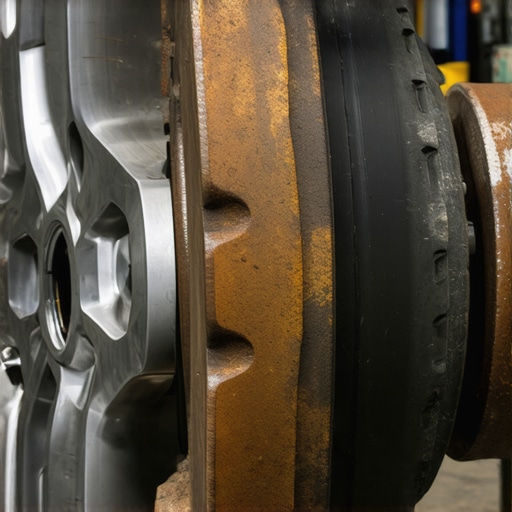
It was a crisp Tuesday evening, and I was cruising down a quiet neighborhood street with my windows rolled halfway down. Just as I started enjoying the cool breeze, this horrific, high-pitched metallic scraping sound began echoing off the parked cars. Skrrrt. Scrape. Screeech. It sounded like someone was dragging a metal rake across a chalkboard right underneath my cabin. Naturally, my immediate instinct was to lightly tap the brake pedal, expecting the noise to change or get worse. Instead, the moment my foot touched the pedal, the sound completely vanished. But as soon as I let off the brakes to coast? The metallic scraping came roaring back. It was infuriating, embarrassing, and deeply concerning.
The Ghost in Your Wheels
When your vehicle starts singing a terrible metal-on-metal song while you are just trying to coast down the road, it defies common logic. We are conditioned to associate screeching with active braking. So, when the noise only happens when your foot is completely off the pedal, it is easy to panic and assume your entire axle is about to fall off. In my early days of DIY wrenching, I made the costly mistake of assuming my brakes were perfectly fine just because they were silent when applied. I ignored the coasting scrape for weeks, thinking it was just road debris, only to eventually destroy a perfectly good rotor. I learned the hard way that ignoring this specific symptom is a fast track to needing expensive auto repair work.
Is my car actually dangerous to drive right now?
This is the exact question that kept me up that Tuesday night. The short answer is: it depends on which tiny metal component is making contact, but you shouldn’t ignore it. According to the National Highway Traffic Safety Administration (NHTSA), brake system failures contribute to thousands of avoidable accidents every year, and early warning noises are often your only heads-up. Often, that phantom scraping when you are not braking is actually a clever safety feature called a wear indicator, designed to touch your spinning rotor only when the pads get critically thin. Other times, it is a bent dust shield or a pebble trapped in the caliper assembly. Today, I am going to help you pinpoint exactly which of these culprits is haunting your wheels, how to diagnose it in your driveway, and when it is time to seek out a professional brake service.
Have you ever experienced this exact mind-bending noise where stepping on the brakes actually makes the scraping stop? Let me know in the comments below, because you are definitely not alone in your frustration. Let’s roll up our sleeves and look at the physical components causing this racket.
Your Brake Pads are Screaming for Help
The most common culprit behind this phantom noise is actually your brake pad wear indicator. This is a tiny, curved metal tab attached to the backing plate of your brake pad. As your pads wear down from friction, this metal tab slowly gets closer and closer to your brake rotor. Once your pads reach about two millimeters of remaining life, the metal tab makes constant contact with the spinning rotor while you drive, creating that persistent, high-pitched scraping or squealing. When you finally press the brake pedal, the caliper flexes, shifting the angle of the pad and temporarily dampening the vibration—which is why the noise disappears. If you suspect your pads are simply worn out, you may also want to check if you have low brake fluid but no visible leaks, as thin pads cause the caliper pistons to extend further, drawing more fluid down from the master cylinder reservoir.
How to Diagnose the Ghostly Metallic Scraping in Your Driveway
To pinpoint why your wheels are making a racket, you need to systematically inspect each component. I remember a freezing Saturday morning when I was trying to hunt down this exact noise on my old sedan. I was convinced my brake pads were shot. I spent an hour jacked up on cold concrete only to discover that my brake pads had plenty of friction material left, but a tiny, bent piece of sheet metal was causing all the drama. To save yourself that frustration, follow this logical progression from the easiest checks to the more hands-on inspections.
Clear Out Trapped Debris From the Assembly
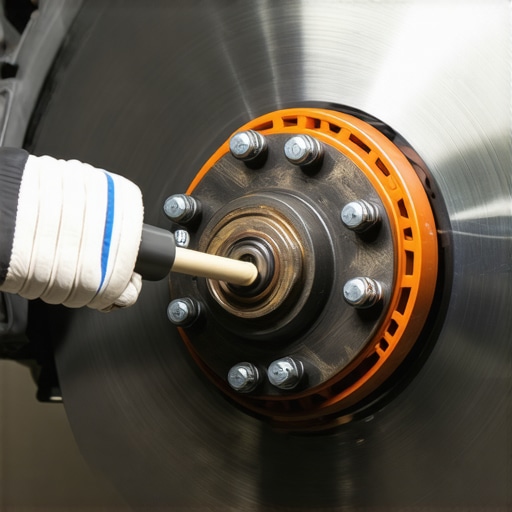
Road debris is like a magnet for brake assemblies. Small pebbles or road salt can easily wedge themselves between the spinning rotor and the stationary dust shield. Think of the dust shield as a thin tin plate sitting right behind your brake disc; if a hard pebble gets trapped in that narrow gap, it acts like a record needle on vinyl, creating a terrifying squeal that might change pitch or disappear when you apply the brakes and shift the caliper slightly. Before you buy any replacement parts, get a long screwdriver or a pry bar, peek behind the wheel, and gently push the thin metal dust shield away from the rotor. If you hear a small stone drop to the pavement, you just saved yourself a trip to the auto repair shop. This simple step is just as critical as other routine maintenance routines, like performing essential car service checks to extend your vehicles life.
Inspect the Dust Shield for Warping or Bend
If there is no debris, that thin metal dust shield itself might be the offender. Because it is made of soft sheet metal, it can easily bend during a tire change or after driving over deep slush. When it bends inward, it rubs directly against the inner face of the rotor. When you step on the brakes, the hydraulic pressure pushes the rotor slightly outward on its wheel bearing, breaking the contact and silencing the scrape. Put your car on jack stands, spin the wheel by hand, and look for any shiny spots on the edge of the dust shield where paint has scraped away to reveal bare metal. If you find a bent section, gently push it back with your hands until you have a clear quarter-inch of clearance all around.
Look for Uneven Pad Wear and Caliper Binding
If the dust shield is clear, you must look deeper into how your brake pads are wearing. Sometimes, a sticking caliper slide pin prevents the pad from retracting fully when you release the pedal, keeping the pad in light, constant contact with the rotor. This creates friction, heat, and a persistent scraping noise. While you have the wheel off, check if your brake pads are wearing down evenly. If one pad is significantly thinner than its partner, your caliper is binding. Ignoring a sticky caliper not only ruins your pads but can lead to overheating, which is a major reason why your brake rotors keep warping every few months. If the slides are dry, clean them with brake cleaner and apply a high-temperature silicone brake grease to restore smooth movement.
Inspect Your Wheel Bearings for Hidden Play
When the scraping noise is highly dependent on steering—getting louder when you veer left and disappearing when you steer right—you are likely dealing with a failing wheel bearing rather than a simple brake issue. A worn wheel bearing allows the entire hub assembly and rotor to wobble slightly. When you coast, the rotor tilts and rubs against the brake pads. When you apply the brakes, the clamping force of the caliper forces the wobbly rotor back into a straight, stable position, instantly silencing the scraping. To test for this, safely raise the wheel off the ground, grab the tire at the twelve and six o’clock positions, and try to wiggle it back and forth. Any noticeable play or clicking indicates it is time to schedule a professional brake service and hub replacement before the wheel assembly becomes unstable.
When most drivers hear a persistent scrape, they fall into the trap of looking only at their brake pads. The common wisdom is simple: if the pad has friction material left, the brakes are fine. However, in my years of turning wrenches, I have found this assumption to be flat-out wrong. You can have thick, brand-new brake pads and still experience a destructive metal-on-metal grind because of an overlooked component—such as a slightly distorted caliper bracket, or even a shifting wheel hub. Assuming your brakes are healthy just because the friction material is thick is a shortcut to an expensive, unscheduled trip for auto repair.
Why does the scraping sound stop when I steer or lightly corner?
If you notice the scraping noise vanishes when you turn the steering wheel even slightly, but returns when you are driving straight, you are likely witnessing a subtle flex in your wheel assembly. Many DIYers mistake this for a simple bent dust shield, but it often points to microscopic play in your wheel bearings. Under cornering forces, the tiny shift in the hub forces the rotor away from the caliper bracket, silencing the scrape. According to a study by the Car Care Council, neglected steering and suspension wear often masquerades as minor brake noise, leading drivers to replace perfectly good pads while ignoring a failing hub assembly. If you ignore this, you risk the rotor wobbling enough to cause uneven wear, which is a primary reason why your brake rotors keep warping every few months.
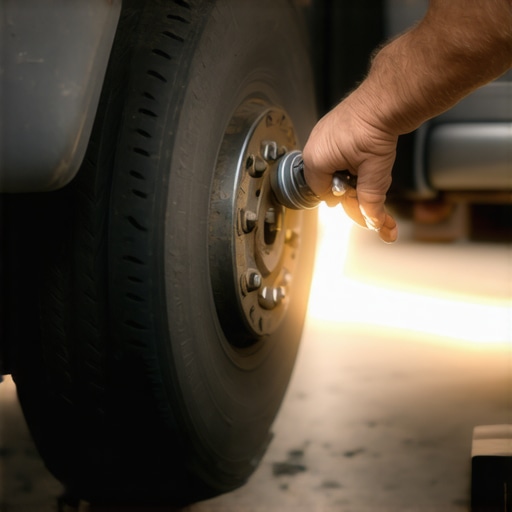
Another massive trap is relying on quick-fix sprays or temporary lubes to quiet a noisy brake system. I once had a reader tell me they sprayed WD-40 near their calipers to stop a coasting squeal. This is incredibly dangerous—petroleum-based lubricants degrade the rubber seals on your caliper pistons and can easily contaminate your friction surfaces. When dealing with complex mechanical systems, there are no shortcuts. Whether you are addressing a scraping brake disc or trying to figure out why your car hesitates to shift from second to third gear, temporary band-aids only mask symptoms while the underlying mechanical damage gets worse.
If you cannot safely identify the noise source yourself, do not gamble with your safety. A professional diagnostic at a trusted brake service shop can save you thousands of dollars in secondary damage. Have you ever fallen into this trap and replaced the wrong part trying to chase down a phantom noise? Let me know in the comments below!
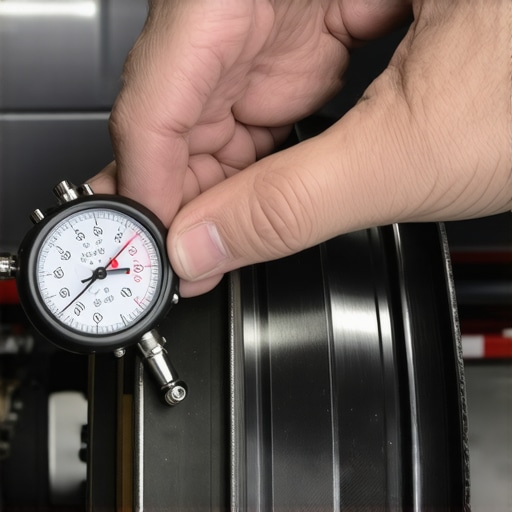
When you are chasing down persistent brake noises or trying to figure out why your car makes a humming noise that gets louder with speed, having the right diagnostic tools in your home garage saves both your knuckles and your wallet. Over the years, I have stopped relying on cheap, generic socket sets. Instead, I heavily rely on a digital dial indicator with a magnetic base. If you suspect your brake rotors are warped, you can mount this indicator to your knuckle, spin the rotor, and measure the runout down to a thousandth of an inch. According to the brake systems manual from Bosch, rotor runout should ideally stay under 0.05 millimeters; anything more will cause a vibration that mimics a bad bearing and ruins your stopping power.
How do I maintain my entire brake and wheel assembly over time?
Long-term maintenance is about consistency and using the correct chemistry. Every single time I rotate my tires, I spray down the slider pins, clean the brackets with a dedicated wire brush, and apply high-quality silicone-based grease. Do not use copper anti-seize on rubber slider boots, as it causes the rubber to swell and bind. If you stay on top of these minor cleanings, you will significantly extend the life of your hardware and avoid needing premature, costly auto repair down the road.
Looking ahead, the automotive industry is shifting toward smart wear sensors integrated directly into the vehicle’s computer system, which will eventually replace the simple mechanical metal scraping tab. But until your car is packed with those digital sensors, you are the primary diagnostic system. I highly encourage you to try this simple tip next weekend: jack up your car, spin each wheel by hand, and check the clearance of your dust shields. If you can’t get a quiet spin or if the wheel wobbles even slightly, it is time to schedule a professional diagnostic at a reliable brake service station before a minor scrape turns into a major safety hazard.
That persistent, high-pitched metallic noise can drive any car owner crazy, especially when stepping on the pedal makes the sound magically disappear. Now that we have identified the common culprits—from worn wear indicators to bent dust shields—it is time to arm yourself with the practical strategies and specialized knowledge you need to keep your vehicle running smoothly.
The Hardest Lessons I Learned Chasing Wheel Noise
Over my years of diagnosing tricky suspension and wheel issues, I have gathered a few vital takeaways that every vehicle owner should know before picking up a wrench:
- The Visual Trap: Just because your outer brake pad looks thick and healthy does not mean the inner pad is wearing at the same rate. Always check both sides of the rotor.
- Rust Scale is Real: In cold climates, road salt builds up on the outer lip of the brake disc, forming a crust of rust that scrapes against the caliper bracket. It is not always a failing part; sometimes it just needs a good cleaning.
- The Cost of Delay: Letting a minor squeal go for a few weeks can quickly escalate into a massive headache, turning a simple pad swap into a full auto repair job requiring brand-new rotors.
My Essential Toolbox for Quiet Wheels
If you want to tackle these diagnoses and keep your vehicle’s braking system silent and reliable, these are the resources and tools I always keep in my personal shop:
- Silicone Brake Lubricant: Never use standard grease or anti-seize on rubber slider boots. High-quality silicone grease ensures the caliper slides smoothly without binding or swelling the rubber.
- Digital Dial Indicator: This is my go-to tool for measuring rotor runout. It takes the guesswork out of determining if your rotor is warped or if your wheel hub has microscopic play.
- Non-Chlorinated Brake Cleaner: Essential for blasting away heavy brake dust, road debris, and oily residue before you begin any inspection.
- The Direct Support Line: When you run into a diagnostic wall and cannot pinpoint the noise, reach out to trusted professionals via our contact us page to get expert guidance before throwing parts at the problem.
Take Control of Your Commute
You do not have to live with a vehicle that shrieks every time you let off the gas pedal. Armed with a basic set of hand tools, a little patience, and a systematic approach to checking your dust shields and wear indicators, you can conquer the phantom scraping noise once and for all. Regular maintenance is your best defense against unexpected breakdowns. Be sure to check off your essential car service checks to extend your vehicles life and keep your daily drive peaceful and safe.
Have you ever spent hours tracking down a phantom wheel scrape only to find out it was a tiny pebble? Let me know your diagnostic stories in the comments below!