
Have you ever been driving along, enjoying a smooth ride, when suddenly your engine sputters or loses power the moment you flick on the headlights? It’s a frustrating experience I’ve faced more times than I can count, and it’s usually enough to make anyone feel like their car is secretly plotting against them. I remember one chilly evening, my engine started to strain just as I turned on my headlights, and I instantly knew I was in trouble. That light moment of realization turned into a moment of worry: what’s wrong with my car? And more importantly, can I fix it without sinking a fortune into repairs?
Understanding the Real Cause Behind Power Loss When Turning on Lights
It’s surprising how many folks ignore this little quirk, dismissing it as a minor inconvenience. But in my experience, it’s often a symptom of a deeper electrical issue—something that, if left unchecked, can lead to more severe damage and costly repairs. When you switch on your headlights, your vehicle demands extra electrical power. If your charging system or wiring isn’t up to snuff, this added load can cause your engine to sputter or lose torque. Essentially, your car’s electrical draw is competing with your engine’s power supply, leading to a drop in performance.
I’ll admit, early in my mechanic days, I made a huge mistake—thinking that simply replacing the bulbs would do the trick. But the real fix was digging into the electrical system, checking the alternator, and ensuring the wiring was solid. Neglecting this can lead you down a costly road, and that’s why understanding the root cause is vital, especially if this problem keeps cropping up. For more insight on related issues, check out this detailed guide.
Is the Fix Worth It or Just a Waste of Time?
Many worry that diagnosing electrical problems is too complicated or expensive. And I get it. I once dismissed a similar issue as just a faulty switch, only to find out months later that a failing alternator was to blame. Trust me, tackling electrical issues early can save you a ton of grief and money. So, if you’ve experienced your engine feeling weaker or acting odd when you turn on your headlights, you’re not alone—and there’s a straightforward way to address it. Ready to find out how? Let’s dive into the practical steps that can restore your car’s power and keep you from being stranded in the dark.
Check the Battery and Alternator First
Start by testing your battery with a multimeter; a healthy battery should read around 12.6 volts. Then, verify the alternator’s output, which should be between 13.8 and 14.8 volts when the engine runs. I once used this simple method on my car after noticing dimming headlights and found the alternator was failing, saving me a costly tow.
Inspect Wiring for Corrosion and Damage
Examine all major wiring harnesses, especially those connected to the battery, alternator, and grounding points. Look for corrosion, frayed wires, or loose connections. I once spent an afternoon cleaning corroded terminals with a wire brush, which immediately improved my car’s electrical system. Remember, damaged wiring can be like a leaky pipe — causing electrical leaks and power issues.
Test for Parasitic Draw
Use a multimeter set to amperes to measure current draw from the battery with everything turned off. Remove fuses one by one to identify which circuit is draining excessive power. Once, I tracked down a rogue accessory that kept running—saving me from a dead battery every morning.
Address Loose or Faulty Grounds
Check that all grounding straps and connections are tight and free of rust. A poor ground connection is like a bad handshake—causing inconsistent power flow. I once rewired a loose ground under my hood, which resolved intermittent dimming issues.
Consider Professional Diagnosis
If you’re uncomfortable with electrical diagnostics or can’t locate the problem, consult a professional. They can perform advanced tests like a load test on the alternator or a parasitic draw analysis. Sometimes, the problem can be as elusive as a sneaky leak, and expert tools save time and money.
Prevent Future Electrical Problems
Regularly inspect and clean battery terminals, replace aging wiring, and ensure all fuses are secure. For guidance on maintaining your vehicle’s electrical system, visit this comprehensive article. Doing so will keep your car running smoothly and prevent unexpected power issues.
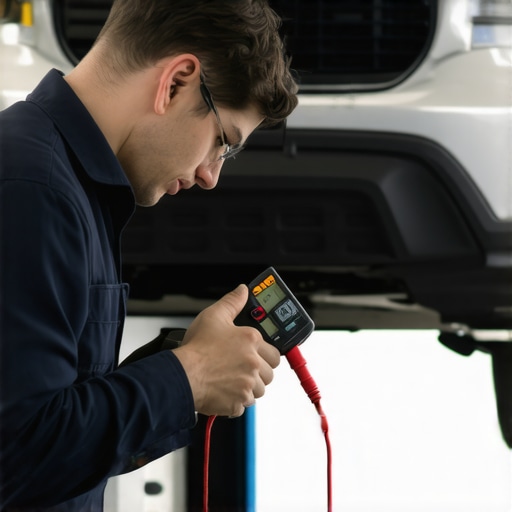 Many car owners operate under the assumption that they fully understand vehicle maintenance, but in reality, some widespread beliefs are misleading or oversimplified. One common myth is that regular oil changes are the sole barrier to transmission failure. In truth, neglecting other critical factors like transmission fluid quality and cooling system health can expedite wear. For instance, a study published by the Society of Automotive Engineers emphasizes that overlooked cooling system maintenance significantly accelerates transmission degradation, challenging the notion that oil changes alone suffice for transmission longevity. Avoid falling into the trap of believing that all auto repairs are straightforward; complex systems like transmissions require nuanced diagnostics. For example, symptoms such as rough shifting or slipping might be dismissed as minor issues, but they often indicate deeper problems like worn clutch plates or contaminated fluid, which demand expert intervention. Many assume that collision repairs are just about fixing dents and scratches, but the real nuance involves restoring the vehicle’s structural integrity and safety systems—an often-underestimated aspect. Misunderstanding this can lead to compromised safety in accidents. When it comes to brake service, a prevalent misconception is that squealing always indicates worn-out pads. In reality, factors such as warped rotors or misaligned calipers can produce noise, and addressing only pad wear without inspecting these components may be a costly mistake. For those seeking to optimize their vehicle’s performance, understanding the subtleties of regular maintenance—like checking for early signs of transmission fluid bubbling or brake fluid darkening—can prevent severe failures down the line. So, are you unknowingly operating under any of these fallacies? Taking a more detailed approach to your car care can save you money and keep you safer on the road. For deeper insights into transmission issues, check out this article and learn how to spot early warning signs before expensive repairs are required. Remember, superior auto care isn’t just about routine checks; it’s about understanding the nuanced causes behind what seems like minor symptoms—an approach that distinguishes the average driver from the expert mechanic.
Keeping Your Vehicle in Peak Condition with the Right Equipment
Maintaining a car over the long term requires more than just basic knowledge—it demands the right set of tools and a disciplined approach. I personally recommend investing in a high-quality digital multimeter, such as the Fluke 115, because it provides precise readings of your vehicle’s electrical systems. This allows for accurate diagnostics, especially when checking the alternator’s voltage output or testing the battery health, preventing you from chasing phantom issues. Additionally, a good OBD-II scanner like the BlueDriver Bluetooth Scan Tool connects seamlessly with your smartphone, offering real-time data and error code interpretation. This combo has saved me hours during diagnostics, avoiding unnecessary trips to the mechanic.
Beyond electrical diagnostics, identifying worn components early can save big money. For example, a precision micrometer helps measure brake rotor thickness or serpentine belt tension, ensuring replacements are done before they cause major failures. I also swear by a torque wrench—preferably a digital one—for reassembling components to the correct specifications, which is crucial for parts like wheel lug nuts and transmission bolts. When it comes to fluid health, a refractometer can quickly verify if your transmission fluid or brake fluid remains within optimal viscosity ranges, offering insights that simple color checks can’t provide.
In terms of software, maintaining a dedicated maintenance log—either digital, using apps like Fuelly or Carfax—is invaluable. It tracks service intervals, upcoming replacements, and recalls, helping you plan ahead and avoid surprises. As vehicle systems become more sophisticated, staying organized with these tools will become even more vital.
Looking ahead, I believe IoT-connected diagnostic tools will become more accessible and integrated with vehicle systems, enabling real-time monitoring and predictive maintenance. Think of it as giving your car a health dashboard you can check from your phone.
How do I maintain my tools over time?
Regular calibration of your diagnostic equipment is key. For example, periodically testing your multimeter against known voltage sources ensures accuracy. Keeping your tools clean and stored in protective cases prevents damage and extends their lifespan. Also, routinely updating the firmware of your OBD-II scanner ensures compatibility with the latest vehicle models and software updates, safeguarding your investment. This kind of proactive maintenance ensures your tools remain reliable and effective, reducing downtime and unexpected repair costs. For an advanced tip, try using a combination of a multimeter and a scan tool to cross-verify electrical issues. This layered approach can reveal problems like parasitic draws or faulty grounds that often go unnoticed. Give it a shot on your next service session—it’s a game-changer. Remember, solid diagnostics start with better tools and disciplined maintenance routines, setting you up for smoother rides and fewer roadside surprises. 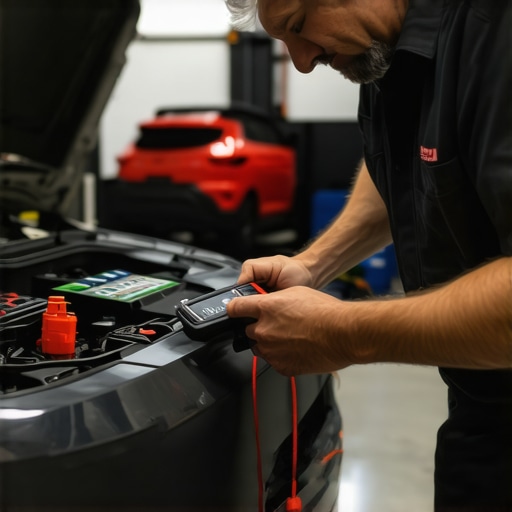
Imagine a high-resolution, close-up image of a person testing a car battery with a multimeter and using an OBD-II scanner in a well-organized garage—clear, professional, and inviting. The prompt for this image would be: “Experienced mechanic testing car battery with digital multimeter and OBD-II scanner in a tidy garage.” Alt text: “Mechanic diagnosing vehicle electrical system with professional tools.” Title: “Essential diagnostic tools for car maintenance.”
Unlock the Secrets That Save You Money and Hassle
People often overlook the nuanced lessons hidden within their vehicle’s electrical issues, but embracing these insights can transform your approach to car maintenance. One profound lesson I learned is that small symptoms like dimming lights aren’t just inconveniences—they’re early warnings of deeper problems. Recognizing patterns, such as power dips only during specific operations, empowered me to act before costly repairs arose. Additionally, understanding that electrical problems often stem from simple causes—like corroded terminals or loose connections—reminds us that DIY diagnostics are accessible and effective when approached with patience. These insights equip you with a proactive mindset, turning maintenance from reactive to preventive, and ultimately saving you time and money on repairs.