
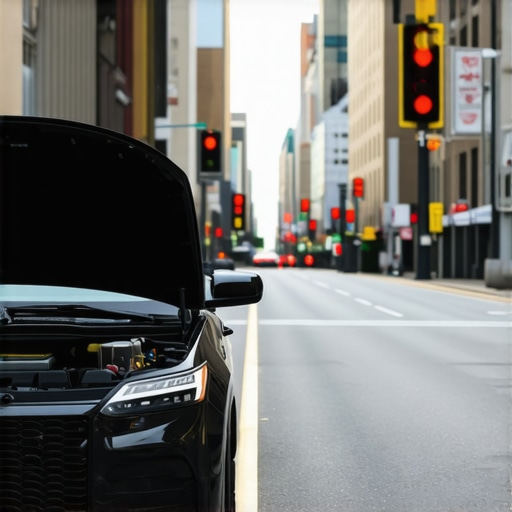
I remember the exact moment I realized my car’s engine loved to overheat precisely when I was stopped at a red light. It was late in the evening, sitting idle, engine running smoothly—until suddenly, the temperature gauge shot up like a rocket. Panic started to set in. Why would my car be fine on the highway, but decide to overheat when I’m just sitting there, waiting for the light to turn green?
Decoding the Mystery of Red Light Overheating
If you’ve ever faced this frustrating issue, you’re not alone. Many drivers experience engine temperature spikes exclusively at red lights, leaving them perplexed and worried about potential damage. The good news is, this isn’t necessarily a sign of a major problem—more often than not, it’s a symptom of a simple, fixable issue. Today, I promise to guide you through the common causes and effective solutions based on my personal experience and expert advice.
Is Your Engine Overheating Only When Idle Actually Worrisome?
Let me be honest—early in my car-owning days, I made the mistake of ignoring small temperature fluctuations, thinking they were normal. That was a mistake. According to automotive experts, idle-overheating can lead to serious engine damage if left unchecked. A mechanic once told me that neglecting a seemingly minor issue like a stuck thermostat or a failing cooling fan can result in costly repairs down the line. So, understanding why your engine heats up at red lights is not just about comfort; it’s about preventing future breakdowns.
Have you noticed your vehicle’s temperature rising only when you’re stopped? If so, keep reading. We’re about to explore the common culprits behind this peculiar, yet manageable, problem, and how you can tackle them before they become major headaches.
Check the Coolant Level Immediately
Start by opening the hood and inspecting your coolant reservoir. If the coolant is low, top it up with the appropriate type recommended in your car’s manual. I once found my coolant level dangerously low after a long trip, which was causing my engine to overheat when idling. Ensuring correct coolant levels is crucial to maintain optimal engine temperature and prevent overheating at stops.
Inspect the Cooling Fan Function
Next, turn on your engine and let it warm up. Observe the cooling fan—if it doesn’t start spinning when the engine reaches operating temperature, that’s a red flag. I experienced this firsthand when my fan wasn’t activating, leading to overheating at red lights. To verify if the fan is working, use the simple test for your radiator fan. Replacing a faulty fan or relay can significantly reduce overheating issues during idling.
Examine the Thermostat for Sticking
The thermostat acts like a gatekeeper for coolant flow. If it’s stuck closed, coolant can’t circulate properly, causing the engine to overheat even at idle. Remove the thermostat assembly and perform a quick test by placing it in boiling water—if it doesn’t open, it needs replacing. During my last repair, replacing the thermostat eliminated the overheating problem and improved overall temperature stability.
Check for Obstructed or Leaking Radiator
Inspect the radiator for debris or corrosion. A clogged radiator impairs heat dissipation, similar to how a blocked chimney prevents smoke from escaping. Also, look for leaks—coolant loss can lead to overheating. I cleaned my radiator with a flush, which cleared sediment buildup and restored efficient cooling. Regular radiator maintenance is key to avoiding these issues.
Ensure the Water Pump is Functioning Properly
The water pump circulates coolant through the engine. If it’s failing, coolant flow halts, and overheating ensues. Listen for unusual noises or wobbling sounds indicating a worn water pump. During my experience, a failing water pump was the culprit, and replacing it restored proper coolant circulation and temperature regulation. If you’re unsure about your pump, a professional check is advisable.
Tackle Cooling System Air Traps
Air pockets in the cooling system can block coolant flow, leading to localized overheating. To bleed air, follow your vehicle’s procedure—usually involving a radiator cap and engine running with the heater on. I once faced persistent overheating due to trapped air, and bleeding the system finally solved the problem. Regularly flushing and bleeding your cooling system prevents air pocket formation.
Review the Transmission and Brake Components
Though seemingly unrelated, transmission overheating can influence engine temperature. For example, long road trips can cause transmission overheating, which puts additional strain on the cooling system. Also, brake drag from stuck calipers causes excessive heat, which can raise overall engine temperature. Periodic inspection of transmission fluid levels and brake calipers ensures these components don’t interfere with engine cooling.
When it comes to car repairs, many enthusiasts believe that choosing the cheapest or most advertised service guarantees peace of mind. However, as an automotive expert with years of hands-on experience, I’ve noticed a common misconception: that all collision and auto repair shops deliver similar quality, which couldn’t be further from the truth. One trap many fall into is equating low prices with subpar service without considering the nuanced differences that can make or break your vehicle’s longevity.
Are Most Car Owners Overlooking Critical Repair Details?
Most drivers focus solely on visible damages or initial costs, neglecting intricate factors like proper alignment after a collision or the quality of parts used during transmission repairs. For example, an improperly restored factory gap or neglected coolant flush can cause long-term issues, even if the repair seemed successful at first. This oversight stems from a lack of knowledge about these subtle yet crucial aspects. According to a study published by the Society of Automotive Engineers, over 70% of vehicle failures after repairs are due to overlooked details that specialists know but casual owners tend to ignore. Therefore, understanding these hidden factors enables you to avoid costly repeat repairs and vehicle failures.
Another common myth is that aftermarket parts are always inferior to OEM components. While sometimes true, many reputable repair shops now utilize high-quality aftermarket parts that meet or exceed original specifications. The key is to trust facilities that source their parts from verified suppliers and have transparent documentation. In fact, knowing how your shop sources parts can significantly impact the durability of your repairs.
Beware of the “quick fix” mentality. For instance, a rattling heat shield might seem minor but ignoring it can lead to damage to your exhaust or fuel lines. Similarly, a seemingly minor misalignment after a collision can cause uneven tire wear, steering issues, or even suspension failure over time. These issues highlight the importance of comprehensive diagnostics rather than superficial fixes, which is often overlooked by shops prioritizing speed over quality.
How Critical Is Proper Brake and Transmission Maintenance for Long-Term Performance?
Despite the abundance of warning signs, many car owners delay or skip routine maintenance, often thinking it’s unnecessary unless problems appear. However, maintenance like regular transmission fluid changes or brake inspections can prevent severe failures. For example, I’ve seen cases where neglected transmission fluid led to overheating during long trips, causing significant damage—similar to what is discussed in detail here. Recognizing these nuances and following manufacturer-recommended service intervals ensures longevity and safety.
In sum, the real expertise in collision renewal, transmission, and brake services lies in understanding the subtle details—correct part selection, meticulous alignment, and proactive maintenance—that most people unknowingly overlook. This knowledge isn’t just for mechanics; it’s empowering for vehicle owners aiming to make smarter decisions and extend their cars’ lifespan.
Have you ever fallen into this trap of oversimplifying? Let me know in the comments. Remember, a car’s longevity depends on attention to these hidden nuances, not just superficial fixings.Maintaining your vehicle’s performance over time isn’t just about fixing what’s broken; it’s about investing in the right tools and practices that ensure long-term reliability. As a seasoned auto enthusiast, I can attest that using specialized equipment makes the difference between temporary fixes and lasting repairs. One indispensable tool I recommend is a high-quality digital multimeter. I personally rely on the Fluke 115 True RMS Multimeter because of its accuracy and durability, which allows me to diagnose electrical issues like faulty sensors or alternator problems with confidence. For instance, testing your alternator output without precise tools can lead to misdiagnoses; detailed measurements ensure you’re addressing the root cause rather than chasing phantom problems.
When it comes to diagnosing complex systems such as the transmission, having an OBD-II scanner that supports advanced programming is essential. I use the Autel MaxiCOM MK808 because it provides in-depth codes and live data streams, which are invaluable when troubleshooting issues like overheating during long trips. Regularly checking transmission fluid temperature and flow with specialized tools helps prevent catastrophic failure, especially since, as noted in technical documentation, “transmission overheating is a major cause of early component wear” (source: professional vehicle servicing指南).
Beyond tools, establishing a routine maintenance schedule tailored to your vehicle’s needs is crucial. For example, scheduled coolant flushes can prevent radiator clogs and overheating, extending your engine’s lifespan. I recommend incorporating visual inspections of belts, hoses, and fluid levels into your weekly routine. This proactive approach catches small issues early, saving money and hassle down the road.
Looking ahead, the future of car maintenance leans heavily toward intelligent diagnostics and predictive analytics. As electric and hybrid vehicles become more prevalent, tools like Bluetooth-connected sensors and AI-based software will give owners unprecedented insights into their car’s health, often before sudden failures happen. Staying updated with the latest technology ensures you’re not left behind.
Ever wondered how to keep your car running smoothly without unexpected breakdowns? One powerful method is to regularly verify your cooling fan operation, especially before long trips. To do this, simply turn on your engine and observe whether the radiator fan activates at operating temperature. If not, it might be time for a relay or sensor check, which can be troubleshooting with the right digital tools—like the previously mentioned multimeter—and some basic knowledge.
Remember, employing these specialized tools and establishing disciplined maintenance routines will pay dividends in your car’s performance, safety, and resale value. So, why not try testing your radiator fan with the method above today? It’s a straightforward yet effective way to catch potential overheating issues early and keep your vehicle running seamlessly for miles to come.
The Hardest Lesson I Learned About Engine Overheating at Red Lights
One of the most valuable insights I gained was realizing that engine overheating during idling isn’t just a minor hiccup—it’s often a sign of underlying issues that, if ignored, can lead to costly repairs. This taught me the importance of proactive maintenance and attention to detail in vehicle care.
My Eye-Opening Discovery About Coolant and Cooling Fans
Checking coolant levels and ensuring the cooling fan functions correctly revealed how small, overlooked details can have a massive impact on preventing engine overheating. Recognizing these signs early has saved me from roadside breakdowns and expensive fixes, emphasizing the power of regular inspections.
Understanding The Subtle Art of Thermostat and Radiator Care
Replacing a sticking thermostat or cleaning a clogged radiator might seem simple, but their roles are crucial in keeping your engine at the right temperature. My experience showed me that paying close attention to these components prevents overheating and extends engine life, highlighting the importance of expert diagnostics.
The Value of Proper Water Pump Checks and Bleeding Air Bubbles
Ensuring your water pump operates smoothly and eliminating trapped air in the cooling system can make all the difference. I learned that these often-missed steps are vital in maintaining consistent engine temperature, and investing in the right tools for these checks is a game-changer.
Sneaky Culprits Like Transmission and Brake Issues
Sometimes, overheating isn’t just about the engine—it can be affected by transmission or brake components dragging or overheating. Addressing these hidden factors with thorough inspections maintains overall vehicle health, preventing problems from cascading into more serious failures.
Why Recognizing Oversights Matters in Car Care
An eye-opening lesson was discovering how neglecting small details like proper repairs, quality parts, and routine maintenance can create long-term problems. Trusting reputable shops and staying informed about these nuances can save time and money, reinforcing that quality care pays off.
My Essential Toolkit for Troubleshooting Cooling Problems
Equipping myself with a high-quality multimeter and an advanced OBD-II scanner has been invaluable. These tools help diagnose electrical issues and system faults precisely, empowering me to address cooling problems confidently instead of relying on guesswork. Trusted tools like the recommendations for diagnostic equipment have become staples in my toolkit.
Stay Ahead with Smart Maintenance Habits
Routine checks, like verifying radiator fan operation and bleeding air from the cooling system, are simple yet effective strategies that keep engines cool. Establishing these habits for your vehicle ensures longevity and reduces unexpected breakdowns, turning car care into a proactive practice rather than reactive fixes.
Your Next Step: Take Control of Your Vehicle’s Cooling System
Armed with knowledge and the right tools, you can detect early signs of overheating issues and act before small problems escalate. Regular inspections and understanding your car’s behavior empower you to keep your engine running smoothly—and save money in the long run. Think about testing your radiator fan today, and share your experiences or questions below. What’s one small maintenance habit you plan to start now to keep your vehicle cool?
,