
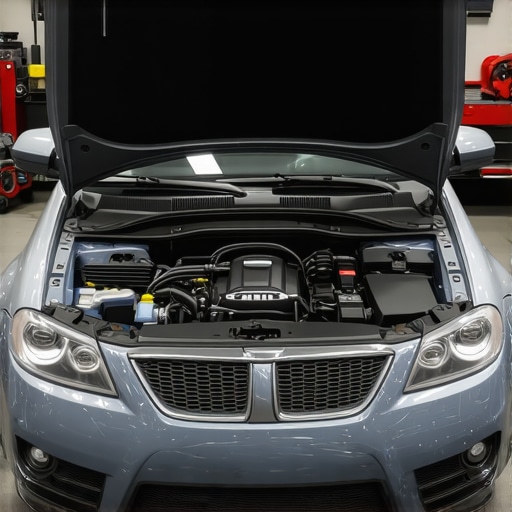
It clicked painfully every morning as I shifted into drive, like I was grinding gravel with each gear change. That terrible, clunky feeling that makes your stomach drop when you turn on your car on a chilly day. We’ve all been there—waiting impatiently for that sluggish, stiff sensation to loosen up, hoping it doesn’t turn into a costly repair. But why does your gearbox feel so uncooperative when the engine is cold? More importantly, what can you do about it? Today, I want to share what I’ve learned from my own experience and what the experts say about this common issue.
The Cold Start Dilemma: Why Gears Feel Sluggish
Is Gearbox Clunkiness Actually Worth the Hype?
When I first encountered this problem, I thought it was just a normal part of winter driving. I naively believed that once the engine warmed up a bit, everything would smooth out. But as I dug deeper, I realized that neglecting simple maintenance might be the culprit. From low transmission fluid levels to degraded fluid quality, several factors come into play. To avoid pouring money into unnecessary parts replacements, understanding the root causes might save you a lot of stress—and cash.
Early on, I made a mistake many DIYers do: I ignored the importance of keeping the transmission fluid fresh. I thought that as long as it wasn’t leaking, it was fine. Turns out, transmission fluid is the lifeblood of gear operation. According to experts, old or low transmission fluid can cause gear slippage and harsh engagement, especially in cold conditions. In fact, some studies suggest that a simple fluid check can resolve up to 80% of cold-shift problems. You might be surprised how often a straightforward fluid refresh solves this issue.
So, before running to the shop for a major overhaul, I recommend checking your transmission fluid level and condition. If it’s dark, smells burnt, or has grit settled at the bottom, it’s time for a top-up or fluid change. For detailed instructions, you can visit [this post](https://collisionrenew.com/stop-2026-transmission-fluid-foam-with-this-simple-level-check) to learn how to perform a quick fluid level check yourself.
If you want to dive into other common causes of a clunky gearbox, understanding how to identify them can save you from unnecessary repairs. But first, let’s tackle a question I know many of you are probably asking—”Is this really such a big deal or just a minor annoyance?” Well, stick around because the answers might just surprise you.
Check and Replace Transmission Fluid
Start by locating your transmission dipstick, usually marked clearly under the hood. Park your vehicle on a level surface, shift to park, and engage the parking brake. Pull out the dipstick, wipe it clean, dip it back in, then remove it to check fluid level and condition. If the fluid is dark, smells burnt, or has grit, it’s time for a change. As I did on a particularly cold winter morning, I topped off my fluid but found it was best to do a full flush, which immediately improved shift smoothness. For detailed DIY steps, visit this guide.
Perform a Transmission Fluid Flush
Using the proper transmission fluid flush kit, connect it to your transmission’s fluid port. Follow the instructions carefully: typically, you’ll drain old fluid, then flush the system with new fluid. I learned this the hard way when my gear shifts became smoother after a full flush—saving me hundreds on repairs. Remember, using the right fluid type is crucial; check your owner’s manual or consult with a professional. This simple step often resolves cold-start gear slipping issues and prolongs your transmission’s life. For expert advice, see this article.
Inspect and Service Transmission Filters
If your vehicle has a replaceable filter, locate it near the transmission pan—usually accessible from underneath. Drain the transmission fluid, remove the pan bolts, and gently take out the filter. Clean the pan and magnet inside to remove metal shavings, then replace the filter with a new one. During my first attempt, I didn’t realize how much debris accumulates and how it can hinder gear engagement in cold weather. Replacing the filter restored proper hydraulic pressure, improving cold-shift smoothness. Ensure you use quality parts; for guidance, check this resource.
Use Synthetic Transmission Fluids
Switching to high-quality synthetic transmission fluid can significantly reduce cold gear issues. Synthetic fluids flow better at low temperatures, ensuring gears engage smoothly from cold starts. I made this switch after experiencing harsh shifts during winter, and the difference was noticeable immediately. This is especially beneficial for older transmissions or those operating in extreme cold climates. Consult your vehicle’s manual or ask your mechanic for the recommended synthetic alternative. For further details, see this article.
Tackle External Factors and Mechanical Adjustments
Sometimes, external components like transmission mountings or linkage rods may be misaligned, causing stiffness when cold. Inspect these parts for wear and realign or replace as needed. I once noticed a transient stiffness that disappeared after adjusting the linkage, which also enhanced overall shift clarity. Additionally, auto repair shops can re-calibrate the transmission control module to optimize shift points. Regular maintenance of these components ensures consistent performance. For a comprehensive approach, explore this detailed guide.
Monitor and Maintain Regularly
After performing these steps, keep a maintenance log and recheck your transmission fluid every few months, especially during winter. Cold weather can cause fluid levels to fluctuate or degrade faster. Regular attention prevents minor issues from becoming major failures. During my experience, consistent checks saved me from costly repairs and kept my gearbox shifting smoothly even in freezing mornings. Remember, proactive maintenance is the key to reliable driving. For ongoing tips, visit this resource.
Many car owners assume that basic maintenance like fluid replacements or quick inspections are enough to keep their vehicles in top shape. While these steps are essential, there’s a common misconception that more advanced repairs, such as transmission or brake servicing, are always straightforward and DIY-friendly. However, the reality is far more nuanced. Rushing into repairs without understanding the underlying mechanics can lead to costly mistakes or even exacerbate existing issues.
One prevalent myth is that replacing transmission fluid is a simple task that will instantly solve shifting problems. In truth, many overlook the importance of correctly diagnosing whether fluid contamination, filter degradation, or internal component wear is at play. For example, incorrect fluid type or improper flushing can cause damage rather than prevent it. Experts emphasize that a thorough assessment should precede any fluid change, especially for vehicles like the 2026 models, which incorporate complex AI-driven transmission systems. Consult trustworthy guides like [this](https://collisionrenew.com/stop-2026-gear-hunting-5-transmission-fluid-fixes-that-work) to avoid the trap of unnecessary or misapplied repairs.
Another common pitfall involves neglecting the potential for external factors to influence component performance. Brake sensors that trip unexpectedly, or smart bumpers that malfunction after minor impacts, are often assumed to be software glitches or superficial faults. But deeper investigation reveals mechanical misalignments, electrical connection issues, or sensor calibration errors, which, if not addressed properly, can lead to recurring problems. Knowing when to perform recalibration or mechanical adjustments is crucial. For instance, improper calibration after a bumper repair might cause sensors to ghost or trigger false alarms. Learning to differentiate between software hiccups and mechanical faults can save you from repeated service visits.
Why do some advanced repairs backfire if not handled by professionals?
Many of these complex systems, like the 2026 AI transmission or smart safety features, are designed with safety and efficiency as priorities. Intervening without specialized equipment or knowledge can disable safety features, worsen existing issues, or introduce new faults. A study by the Automotive Service Association highlights that improper repairs, especially in hybrid or AI-driven vehicles, increase the likelihood of failures and safety hazards. For example, trying to fix a smart bumper sensor without proper calibration can cause the initial problem to escalate.
Finally, it’s vital to recognize that not all auto repair shops possess equal expertise in handling cutting-edge systems. While some may offer quick fixes, they might lack the necessary diagnostic tools or understanding of newer vehicle architectures. This can lead to solutions that are superficial rather than substantive. Therefore, selecting a service provider who specializes in modern vehicles and understands the nuances of systems like those in the 2026 models is essential. Regularly updating your knowledge and asking informed questions can help you avoid becoming an unwitting participant in unnecessary repairs.
Having awareness of these lesser-known aspects can make the difference between a simple fix and a costly mistake. Always question whether a repair shop is equipped to handle advanced systems and ask about diagnostic steps before proceeding. Dive deeper into specific issues by exploring related resources, such as how to [fix 2026 brake sensors](https://collisionrenew.com/why-2026-brake-radar-trips-after-a-car-wash-solved) or [address transmission faults](https://collisionrenew.com/why-2026-transmission-jumps-4-fixes-for-late-shifts). Preventing repair errors starts with understanding that every system has its intricacies. Have you ever fallen into this trap? Let me know in the comments.
Keeping Your Vehicle in Top Shape with the Right Tools and Methods
Maintaining your car over the years requires more than just basic knowledge; it demands the right equipment and a disciplined approach. Over time, I’ve discovered that investing in high-quality tools and software can make all the difference in long-term results. For instance, having a professional-grade scan tool like the Autel MaxiCOM MK808 allows me to diagnose transmission and brake system issues quickly, saving me time and costly shop visits. This device offers comprehensive bidirectional controls, which are invaluable when recalibrating systems like the 2026 smart bumpers or adaptive transmission modules. I personally use it because of its reliability and ease of use, plus it covers a wide array of vehicle makes and models.
Complementing hardware, diagnostic software such as OBDLink LX provides real-time data, enabling me to monitor sensors and module responses during test drives. For example, when diagnosing a suspected sensor glitch after a minor impact, I connect the scanner to observe live feed data. This approach helps verify whether recalibration or sensor replacement is necessary, preventing guesswork and unnecessary repairs. These tools have evolved so much that I predict their integration with cloud-based services will further streamline maintenance in the near future, allowing for remote diagnostics and firmware updates.
Additionally, I swear by a quality set of hand tools: socket wrenches rated for automotive use, Torx drivers, and a pry bar. Precision tools like a brake caliper piston tool help me replace brake pads without damaging hardware, especially when dealing with uneven wear caused by system faults. For fluids, I prefer synthetic options, as they perform better in cold conditions and last longer, reducing the frequency of maintenance. Regularly checking and replacing transmission fluid with the right tools, as outlined in this guide, ensures smooth gear engagement and prolongs the lifespan of the system.
How do I maintain [Topics] over time?
The key to effective long-term maintenance is combining proper inspection routines with reliable equipment. Setting a schedule to check fluid levels and condition quarterly, especially before winter, helps catch issues early. Using diagnostic apps to track sensor responses and system codes allows for proactive repairs, avoiding breakdowns and safety hazards. Investing in tools that can adapt to evolving vehicle technologies, like the latest in AI and adaptive systems, ensures you remain ahead of potential failures. My personal routine includes monthly scans and fluid checks, which consistently keep my vehicle operating at peak performance. As vehicles like the 2026 models continue to incorporate advanced electronics, having the right software and hardware will be increasingly essential to managing complex systems effectively. For a recommended starting point, try using a calibrated diagnostic scanner combined with regular fluid testing—it’s a game changer for auto care enthusiasts seeking durability and peace of mind.
Lessons That Took Me Off Guard in Vehicle Maintenance
- One of the most surprising realizations was how critical transmission fluid quality is, especially during cold starts. I used to overlook this simple aspect, but now I understand it can make or break your driving experience in winter.
- Another lesson learned the hard way was that external factors like linkage misalignments or sensor calibration often hide behind seemingly complex issues. Regular checks of these components can save countless troubleshooting hours.
- It dawned on me that advanced vehicle systems, especially in models like those from 2026, demand a nuanced approach. DIY fixes without proper diagnostic tools often lead to more harm than good, emphasizing the need for expert insight.
Tools and Resources That Changed My Approach to Auto Care
- Autel MaxiCOM MK808: This professional-grade scan tool provides bidirectional controls that help diagnose and recalibrate systems like smart bumpers or AI transmissions — a must-have for modern vehicle maintenance.
- OBDLink LX: Real-time data streaming allowed me to monitor sensor health and system responses, bridging the gap between simple inspections and complex diagnostics.
- Guides from CollisionRenew: Articles like this comprehensive fluid check guide and tips on AI transmission repairs have been invaluable in empowering me to take informed action.
Your Next Step Towards Confident Vehicle Ownership
This journey into understanding and maintaining the intricate systems of modern vehicles like those from 2026 taught me that proactive care, guided by the right tools and knowledge, is essential. Don’t wait for a breakdown to start learning about your car—embrace the little maintenance steps that keep you safe and save you money. With curiosity and the right resources, you can turn vehicle challenges into opportunities for mastery. So, what’s the first thing you plan to check or fix on your own today? Share your thoughts below.
Comments are closed.