
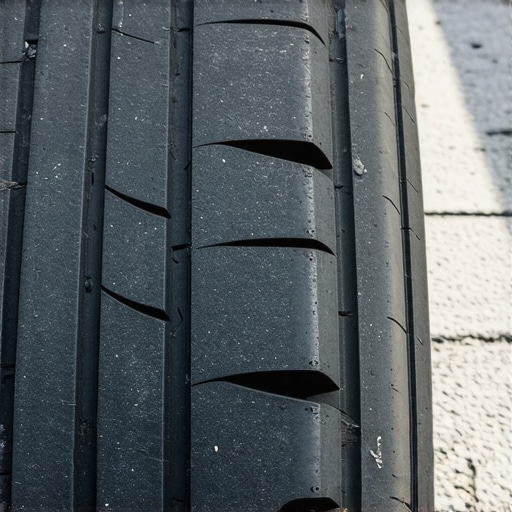
I remember the moment vividly—driving home after a long day, feeling that unsettling wobble in the steering wheel, and then spotting it: the tire tread in the middle was almost gone, while the edges looked brand new. It hit me like a lightning bolt—how could my tires be wearing unevenly like this? That lightbulb moment made me realize that this isn’t just about replacing tires; it’s about understanding what your car’s telling you before costly repairs are needed.
The Hidden Culprit Behind Middle Tire Wear
Ever wondered why your tire tread seems to disappear from the center faster than the edges? One of the biggest reasons is overinflation. When a tire is inflated beyond the recommended pressure, it causes the center of the tread to make more contact with the road, leading to premature wear there. This issue is more common than many think, especially if you’re checking your tire pressure infrequently or relying solely on the sidewall markings without a proper gauge.
But it’s not just about the pressure. Improper wheel alignment and suspension problems can also contribute to uneven wear patterns. If your vehicle’s suspension isn’t functioning correctly, it can cause the tires to misalign, applying uneven pressure and wearing out certain areas more quickly. Early on, I made the mistake of ignoring those subtle vibrations and irregular handling, which I later learned were signs of alignment issues.
Knowing the root cause can save you a lot of headaches—and money. If you’re regularly facing this kind of tire wear, it might be time for a thorough vehicle inspection. Regularly [checking your tire pressure](https://collisionrenew.com/essential-car-service-checks-to-extend-your-vehicles-life) and ensuring proper wheel alignment can make a significant difference. Trust me, maintaining the health of your tires isn’t just about saving money at the gas pump; it’s also about safety and vehicle reliability.
Have you experienced uneven tire wear like this? If so, you’re not alone. Many drivers overlook early warning signs, only to face bigger problems down the line. Fortunately, addressing these issues early can extend the life of your tires and keep you safe on every trip.
Now, let’s dive into the key factors that lead to middle tire wear and how you can prevent it before it ruins your ride. Ready to learn the practical steps to keep your tires—and your car—in top shape? Great! We’ll start with a simple checklist to diagnose and fix the most common causes.
Check and Adjust Your Tire Pressure Regularly
Begin by inspecting your tire pressure with a reliable gauge, preferably once a month. Overinflation causes the center of the tire to wear faster because it increases contact pressure there. Use your vehicle’s sticker or owner’s manual to find the correct pressure. In my experience, ignoring this led to uneven wear, but a simple regular check transformed my tire longevity. Pump or release air as needed, ensuring even pressure across all tires. Remember, consistently over- or under-inflated tires compromise safety and cause premature wear.
Inspect and Correct Wheel Alignment
If your steering pulls to one side or the steering wheel feels off-center when driving straight, your wheels may be misaligned. Use a professional alignment service or, if you’re comfortable, perform a basic check by measuring distances from your car’s hub to a fixed point on the wheel at the front and rear. I once misdiagnosed my alignment issue until I noticed uneven tread wear on my tires. After a proper alignment, I experienced smoother handling and prolonged tire life. Proper alignment reduces uneven wear and improves safety, so don’t delay this check if you notice suspicious signs.
Inspect Suspension Components Carefully
Suspension issues can cause irregular tire contact, leading to uneven wear patterns. Test for worn bushings, shocks, or struts by pushing down on each corner of your vehicle; if it bounces excessively or unevenly, components might be failing. I had a bouncy ride, and replacing worn shocks erased the uneven wear pattern. Regular suspension checkups, especially after hitting potholes or rough roads, keep your tires wearing evenly, preserving their tread life and your driving comfort.
Balance Your Tires Properly
Unbalanced tires can cause vibrations and uneven wear over time. When rotating your tires, insist on professional balancing. I learned this the hard way when a slight vibration became a severe issue. After a quick balancing service, the vibration ceased, and the tires wore evenly. Consult your auto repair shop or [check your vehicle’s alignment](https://collisionrenew.com/the-ultimate-guide-to-auto-repair-keep-your-car-running-smoothly) to ensure each tire is balanced correctly to prevent early deterioration.
Proper Tire Rotation Practices
Rotate your tires at regular intervals, usually every 5,000 to 8,000 miles, to promote even tread wear. Follow your vehicle’s recommended rotation pattern—front-to-back or cross pattern—depending on your tire type. When I neglected this simple step, uneven wear emerged prematurely, but after adopting a strict rotation schedule, my tires lasted much longer. Keeping track of rotations prevents developing wear patterns that only get worse with time and neglect.
Address Mechanical Issues Promptly
Persistent uneven wear often signals deeper problems like worn brake components or faulty steering mechanisms. If you notice unusual noises, vibrations, or braking inconsistencies, schedule a comprehensive inspection. For example, I once ignored squeaky brakes, which later caused uneven tire wear. A professional brake service, detailed [here](https://collisionrenew.com/braking-news-how-to-choose-the-best-brake-service-in-2025), corrected the issue and saved my tires. Regularly maintaining brakes, steering, and suspension keeps your tires from wearing unevenly and extends their lifespan.
Monitor and Replace Worn Components Timely
Over time, parts like tie rods, ball joints, and shocks wear out, impacting alignment and tire wear. Keep an eye on warning signs and replace components before they cause significant damage. I learned that replacing worn struts early prevented further uneven tire wear. Use your vehicle’s maintenance schedule as a guide and consult your mechanic for comprehensive checks. Prevention here is cheaper and more effective than frequent tire replacements due to neglect.
Implementing these core fixes and checks creates a cycle of maintenance that extends your tire life, improves safety, and saves money. Regularly revisit these steps—your car’s health and your wallet will thank you.
Many car owners believe that routine maintenance is a straightforward task, but in reality, there’s a lot more beneath the surface that can trip up the unwary. One prevalent misconception is that all brake services are the same—many think that simply replacing brake pads is enough, but experts emphasize that proper rotor resurfacing and caliper inspection are equally crucial for safety and longevity. This misunderstanding can lead to uneven brake wear and compromised stopping power over time. For instance, clicking sounds during braking might be dismissed as minor, but they often signal uneven pad wear or a failing component, which, if ignored, could escalate into costly repairs. Rather than sticking to a one-size-fits-all approach, understanding the nuances of your vehicle’s braking system can save you money and prevent dangerous situations.
What are the subtler signs that indicate transmission issues before they become severe?
Driving smooth and shifting seamlessly doesn’t mean your transmission is risk-free. Many overlook early warning signs like delayed gear engagement, strange noises, or a burning smell, which may suggest fluid breakdown or internal wear. According to industry studies, early diagnosis can significantly extend the lifespan of your transmission, but awareness of these subtle cues is essential. Regularly inspecting your transmission fluid—ensuring it’s clean and at the correct level—is a proactive step that can reveal more than you might think, as contaminated fluid contains tiny metal flakes indicating internal degradation. Failing to recognize these early signs often results in complete transmission failure, leading to expensive replacements. To get ahead, consult detailed guides on transmission maintenance and consider periodic professional checkups.
It’s also vital to recognize that many so-called ‘quick fixes’ can be traps. For example, topping off transmission fluid without addressing underlying issues might mask problems temporarily but won’t solve persistent wear. A comprehensive diagnostic is necessary before any repair works. This is where many car owners falter—relying on intuitive guesses instead of expert insights. Keeping abreast of manufacturer recommended service intervals and understanding that certain symptoms—like persistent dashboard warning lights—should never be ignored will help you make better decisions.
By digging into these nuances, you avoid common pitfalls and ensure your vehicle remains reliable. Remember, each part of your car communicates in subtle ways, and the smarter approach is to listen carefully and act proactively. Have you ever fallen into this trap of neglecting early warning signs? Let me know in the comments. For detailed strategies on how CollisionRenew tackles complex repairs—from dent removal to engine overhauls—check our dedicated [collision renewal strategies](https://collisionrenew.com/collision-renewal-strategies-restoring-your-car-to-perfection). Proper maintenance isn’t just about reacting to problems; it’s about understanding them before they escalate.
Investing in Precision Tools for Consistent Repairs
When it comes to maintaining your vehicle’s collision renew, using the right tools is paramount. Personally, I swear by a high-quality digital multimeter for diagnosing electrical issues accurately. It’s essential for testing sensors, relays, and fuses, saving me hours of guesswork. For brake work, a reliable brake caliper piston compressor ensures you can service brakes efficiently without damaging components. Investing in a set of quality sockets and wrenches, like those from Snap-On or Milwaukee, provides durability and precision, critical for long-term reliability.
Advanced Software for Diagnosing and Tracking Maintenance
Modern vehicles come with complex systems that require sophisticated diagnostic software. I use OEM-specific scan tools like Autel MaxiCOM or Snap-On Verus Pro, which connect directly to the vehicle’s OBD-II port. These tools not only read error codes but also provide live data and system insights, enabling proactive maintenance. Tracking your vehicle’s history with maintenance management software like Auto iD or Carfax Pro can help anticipate future service needs, preventing unexpected breakdowns. This strategic approach aligns with future trends toward integrated vehicle health monitoring.
Maintaining Tools Over Time for Peak Performance
Maintaining your diagnostic and repair tools is often overlooked but crucial. Regular calibration of electronic testers ensures ongoing accuracy. For instance, digital multimeters should be recalibrated annually to avoid erroneous readings, which could lead to misdiagnosis. Proper storage—keeping tools in a dry, organized toolbox—prevents corrosion and damage. Moreover, updating your diagnostic software regularly is vital for compatibility with new vehicle models and systems. Embracing these habits ensures your equipment remains reliable and precise, extending its lifespan significantly.
How do I keep my diagnostic tools and equipment in top shape over time?
Implement routine calibration and maintenance, store tools properly, and stay current with software updates. By doing so, you’ll ensure that every repair or checkup you perform is based on accurate data—saving time and avoiding costly mistakes. This proactive approach is especially relevant as vehicle technology continues evolving rapidly, with features like advanced driver-assistance systems (ADAS) becoming standard. Staying ahead in tool maintenance equips you better for the coming AI-driven automotive future.
If you’re eager to elevate your auto repair game, I highly recommend adopting a professional-grade diagnostic scanner. It’s an investment that pays for itself through more accurate repairs and extended tool longevity. For a comprehensive overview, check our ultimate guide to auto maintenance.
Don’t forget, ongoing learning and equipment upkeep are what distinguish seasoned DIY enthusiasts from casual car owners. Armed with the right tools and knowledge, your vehicle will thank you with years of dependable performance. Ready to try calibrating your diagnostic tools? Start today, and experience the difference in your next repair.
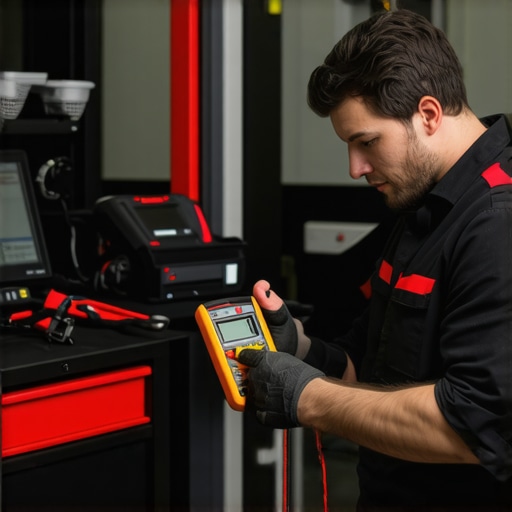
Throughout my years working with vehicle repairs, one revelation stands out—cars whisper warnings long before catastrophe strikes. The moment I grasped that subtle signs like uneven tire wear can forecast major issues transformed my approach to maintenance. Recognizing these tiny signals is the key to safer drives and longer-lasting vehicles.
Lessons From the Trenches of CollisionRenew Maintenance
- Overinflation: The silent culprit—I used to ignore tire pressure checks, but discovering the impact of overinflation on premature center-wear taught me the importance of routine, precise pressure monitoring with reliable gauges. It saved me money and prevented dangerous blowouts.
- Alignment myths busted—A pull to one side isn’t just a quirk; it’s a warning sign. Learning to perform quick checks and trusting professionals for wheel alignment extended my tires’ life and improved handling, proving that early action makes all the difference.
- Suspension’s subtle clues—Excessive bouncing or uneven firmness isn’t normal. Regular suspension inspections, especially after potholes, caught problems early, saving me costly rebuilds and ensuring a smoother ride.
- Impact of tire balancing—Vibrations are not just nuisances but signs of unbalanced tires. Investing in proper balancing restored my car’s harmony and prolonged tire health, illustrating how precision prevents wear.
- Rotation routines—Sticking to a tire rotation schedule, usually every 5,000–8,000 miles, keeps tread wear even and tires lasting longer. This simple habit paid off in durability and safety.
One of my biggest moments was realizing that ignoring mechanical issues like worn brake components or faulty steering could cascade into costly repairs. Regular inspections and prompt replacements, guided by expert advice, are vital. It’s like giving your vehicle the regular health checkups humans need—preventive care that reaps dividends over time.
My Top Tools and Resources for Real Results
- Digital tire pressure gauges—Reliable tools like the [Slime Digital Tire Gauge](https://collisionrenew.com/essential-car-service-checks-to-extend-your-vehicles-life) ensure accurate readings, making routine checks effortless and effective.
- Professional wheel alignment services—Trust experts with state-of-the-art equipment, which I have found crucial after navigating bad roads. Proper alignment offers immediate safety and long-term savings.
- Suspension diagnostic kits—Investing in quality tools helps me identify early signs of suspension wear without guesswork, keeping my car comfortable and my tires even.
- Maintenance tracking apps—Using apps like Auto iD or Carfax Pro allows me to schedule rotations, fluid checks, and inspections on time, avoiding unnecessary wear and tear.
Beyond tools, I’ve come to value ongoing education. Industry sites, detailed guides, and trusted mechanics form my mental toolkit, empowering me to make informed decisions. For example, understanding the nuances of wheel balancing prevented countless vibrations and uneven wear issues, reinforcing that knowledge really is power in auto care.
Embrace the Journey: Keep Your Car in Peak Condition
The road to vehicle reliability is paved with proactive steps and curiosity. Whether it’s mastering tire care, understanding brake mechanics, or investing in quality diagnostic tools, every effort pays dividends in safety, savings, and peace of mind. Your car is more than a machine; it’s a partner that communicates if you listen carefully.
Have you noticed subtle signs in your vehicle that pointed to bigger issues? Sharing your experiences can inspire others to pay closer attention to their own cars. Feel free to comment below and let’s create a community that cares for its rides as much as its drivers!
For comprehensive insights into collisionrenew and other auto repair secrets, explore our ultimate guide to auto repair. Remember, understanding your vehicle’s language and investing in the right tools is the fastest way to keep it running smoothly and safely for years to come.