
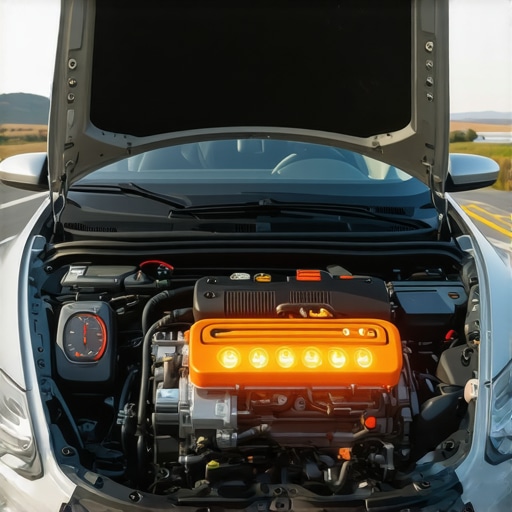
I remember the moment vividly. I was cruising along the highway, wind in my hair, feeling pretty confident about my road trip plans. Suddenly, my dashboard lit up with a flashing warning light, and my transmission started to slip. It was like my car was throwing a tantrum in the middle of nowhere. That heat buildup was a wake-up call — I had ignored signs for too long. Did that happen to you too?
Understanding the Real Cause of Transmission Overheating on Long Drives
Long road trips push your vehicle’s components, especially the transmission, to their limits. When I first faced this issue, I thought it was just a matter of checking the oil or topping up coolant. Turns out, the root cause is often more complex, involving fluid breakdowns or cooling system failures. Proper maintenance can make all the difference, preventing you from being stranded miles from the nearest repair shop.
Is Transmission Overheating Actually Worth the Hype?
You might be skeptical about whether this problem is as serious as it sounds. I initially dismissed it too, until I learned that transmission failure due to overheating can cause extensive damage, leading to hundreds, even thousands of dollars in repairs. With a little proactive care, many of these issues are entirely preventable — and that’s what I’ll help you explore.
Early on, I made the mistake of ignoring minor signs, thinking they were normal quirks. It’s common to overlook subtle overheating symptoms, but addressing them early can save you a lot of hassle. Want to avoid my mistake? Let’s dive into practical steps you can take to keep your transmission cool and your road trips smooth. And if you’re curious about other related tips, check out [how to fix a stuck brake caliper without buying new parts](https://collisionrenew.com/how-to-fix-a-stuck-brake-caliper-without-buying-new-parts), which can also impact your overall vehicle health.
Monitor Transmission Fluid Levels Regularly
Maintaining proper transmission fluid is crucial; check the level with the engine warm and the vehicle in park. Use the dipstick designated for transmission fluid, wipe it clean, reinsert, and pull out to read. Low or dirty fluid impairs cooling and lubrication, increasing overheating risk. During one trip, I forgot to check my fluid and faced overheating; refilling solved the issue immediately. For an easy fix, consider flushing the transmission fluid periodically as part of routine maintenance.
Upgrade Your Transmission Cooling System
Install an Auxiliary Cooler
If you regularly haul heavy loads or drive in hilly areas, adding an external transmission cooler can significantly reduce heat buildup. Think of it as installing a radiator just for your transmission—similar to how cooling fans prevent engine overheating. I personally installed an aftermarket cooler on my SUV before a mountainous trip, which kept my transmission temp stable, preventing slips and drama on winding roads.
Ensure Coolant and Radiator Are in Top Shape
A well-maintained radiator and cooling system help dissipate heat from the engine, indirectly supporting transmission health. Regularly flush the cooling system, check for leaks, and replace any worn hoses. In my experience, neglecting radiator health led to rising engine temps that stressed the transmission, so I adopted a strict coolant flush schedule to mitigate this.
Practice Smooth Driving Habits
Shifting gears smoothly without aggressive acceleration or abrupt braking reduces strain on your transmission. Avoid revving the engine unnecessarily; instead, accelerate gradually and anticipate traffic flow. Once, during a long highway stretch, I made a habit of easing off the gas early and shifting gently, which noticeably decreased transmission heat and improved longevity.
Avoid Overloading Your Vehicle
Heavy loads increase transmission work and heat output. Always adhere to your vehicle’s maximum payload capacity. When I carried a heavy camping trailer, I installed a dedicated transmission cooler and drove at moderate speeds. This combined approach prevented overheating and ensured a safer, smoother experience.
Recognize Early Signs and Act Fast
Pay attention to warning signs like a burning smell, delayed shifting, or fluid leaks. If you notice any, stop driving and consult a mechanic immediately. Ignoring early symptoms can lead to costly repairs. I learned this the hard way when a delayed shift caused a rough gear change; addressing it promptly saved me from a complete transmission rebuild. For related signs, you might want to check out why your transmission shifts hard only when cold.
Adopt Routine Maintenance
Schedule regular transmission servicing, including fluid changes, filter replacements, and system inspections. Consistent upkeep keeps components running cool and prevents overheating. During my last visit to the mechanic, a quick flush and inspection kept my transmission running smoothly on my next road trip, avoiding potential heat-related issues.
Many people believe they understand their vehicle’s maintenance inside out, but the truth is, there’s a lot more complexity beneath the surface. One common myth is that sticking to the manufacturer-recommended service intervals guarantees trouble-free driving. However, this overlooks real-world nuances; for example, environmental conditions, driving habits, and even regional climate can significantly affect vehicle longevity. Experts like automotive engineer Mark Weyand emphasize that routine maintenance should be tailored rather than generic, to better address your car’s unique needs.
Why do so many car owners overlook the subtle signs of impending issues?
It’s a trap many fall into—assuming that only obvious symptoms merit attention. But minor vibrations, slight leaks, or odd odors often precede costly failures, especially in systems like brakes and transmissions. Recognizing these early warning signs and responding promptly can save you hundreds, or even thousands, of dollars. For instance, regular inspections of your brake calipers and pads, or keeping an eye on transmission fluid quality, can prevent failures during critical moments.
Another misconception involves trusting quick fixes over comprehensive repairs. For example, a worn-out battery terminal might seem like a minor annoyance, but neglecting it could lead to stubborn no-start issues or even damage to the entire electrical system. Proper cleaning and maintenance, such as cleaning battery terminals periodically, are crucial; more info on these preventative steps can be found here.
Moreover, many assume that car service is only necessary when problems arise. In reality, proactive, scheduled maintenance—like transmission fluid changes and cooling system flushes—extending beyond warranty periods ensures your vehicle runs smoothly and reduces unexpected breakdowns. For example, skipping a cooling system flush can contribute to overheating, especially during long drives; understanding how to maintain this system properly is essential.
Now, let’s tackle a question that often baffles even seasoned mechanics: Can intermittent shifting or unusual noises be mere anomalies, or are they harbingers of failure? The answer lies in understanding nuanced symptoms. A grinding transmission, for instance, might seem harmless if infrequent, but it could signal a deeper issue like worn clutch plates or low fluid levels. Regular diagnostics and listening closely to your car’s sounds can be lifesavers. For specific signs to watch out for, you might want to explore why your transmission shifts hard only when cold.
By digging into these hidden nuances and challenging common assumptions, you arm yourself with knowledge that keeps your vehicle performing optimally and safely. Have you ever fallen into this trap? Let me know in the comments.
Investing in the Right Equipment for Long-Term Vehicle Care
Maintaining your vehicle’s transmission, brakes, and overall system requires more than just basic knowledge — it demands reliable tools and precise methods. I personally rely on a few specific pieces of equipment, which have proven invaluable in diagnosing and resolving issues efficiently. One such tool is a high-quality obd2 scanner, like the BlueDriver, which provides real-time data and helps pinpoint problems early, saving me time and money. It allows me to access trouble codes directly, making troubleshooting more straightforward and quicker.
Another essential device is a digital multimeter. I use mine to check electrical components, from battery health to sensor outputs, ensuring everything functions optimally. By regularly testing components like the alternator or voltage regulators, I prevent unexpected breakdowns. For anything related to engine sensors, such as the mass air flow sensor, a multimeter is indispensable for verifying signals and making informed repair decisions.
Tools That Simplify Complex Repairs
For tasks like replacing brake calipers without committing to full replacements, I prefer a caliper piston rewind tool. This specialized wrench makes it easier to retract pistons, especially on models with stubborn calipers, while ensuring I don’t damage the components. Using the right tool here saves me from costly labor or unintended damage. Similarly, a quality hydraulic brake bleeding kit streamlines the process of removing air from brake lines, which is crucial after caliper work or fluid flushes. Proper bleeding guarantees effective braking performance and safety.
Tools to Enhance Maintenance Efficiency and Accuracy
To keep transmission fluid and cooling systems in top shape, I rely on a flexible fluid pump. This allows me to perform fluid changes without messy spills and ensures I get complete extraction and refilling. Using a dedicated pump reduces contamination risks and extends the lifespan of vital components.
Looking ahead, I predict that automation and smartphone integration will become more prominent in vehicle maintenance. Tools capable of interface seamlessly with apps for diagnostics and data logging will make routine checks even more accessible and precise. For example, combining an OBD2 scanner with cloud-based diagnostics could revolutionize how we maintain our vehicles over time.
Ever Wondered How to Keep Your Car Fit for the Long Haul?
The secret lies in using the right tools for the job. Start by investing in a reliable OBD2 scanner and a multimeter — they are game-changers for efficient troubleshooting. Don’t forget to regularly inspect and replace vital fluids with quality pumps and accessories. Ready to elevate your maintenance game? Try out an advanced trick: use a laser thermometer to monitor your transmission and engine temperatures during drives. This simple step provides invaluable insights into overheating issues before they escalate, and it only takes a few minutes to implement. Take control of your vehicle’s health today and keep everything working smoothly for miles to come.
Secrets the Garage Won’t Usually Tell You About Transmission Longevity
Throughout my years working on vehicles, I’ve uncovered that many of our assumptions about transmission care are based on myths or outdated advice. One illuminating lesson was realizing that even a well-maintained transmission can face unexpected challenges if overlooked signs are ignored. For example, I once dismissed a faint burning smell during a long drive, thinking it was just normal heat. That oversight resulted in costly repairs. The key takeaway: staying vigilant about subtle symptoms can be the difference between a quick fix and a major overhaul.
Gear Up: Tools and Reads That Changed How I Tackle Auto Problems
Investing in specific tools has transformed my approach to vehicle maintenance. My trusted mass air flow sensor cleaner and a reliable OBD2 scanner allow me to diagnose issues early and precisely. Additionally, I’ve found that reading authoritative books about auto systems, like “Automotive Technology” by Jack R. Taylor, deepens my understanding, helping me see problems from a strategic perspective rather than just fixing symptoms. These resources empower me to handle minor issues before they become urgent.
Trust Your Instincts—And Your Maintenance Routine
One of the most profound insights I’ve gathered is the importance of consistent, proactive maintenance. Regularly checking and flushing transmission fluid, inspecting cooling systems, and practicing gentle driving habits aren’t just good advice—they’re lifesavers. Over time, I learned to listen to my vehicle’s behaviors—like unusual vibrations or delayed shifting—which often signal impending trouble. Addressing these early, sometimes with quick DIY steps, keeps my car running smoothly and extends its lifespan. Remember, understanding your vehicle’s language can prevent disasters before they occur.