
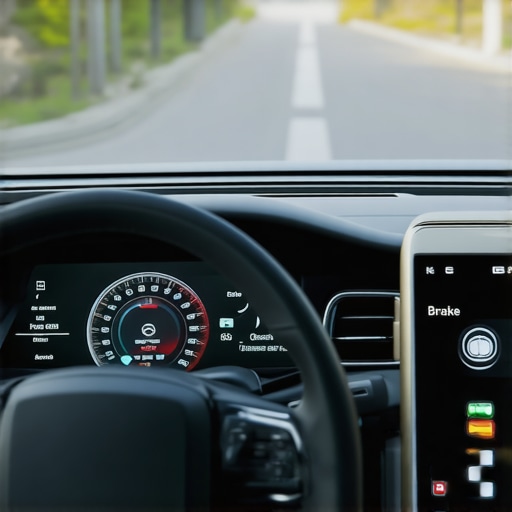
There was a moment, just last month, when I slammed on my brakes at an intersection, and instead of the reassuring grip I was used to, I felt a strange pulsing. My heart sank. It wasn’t just a simple squeal or warning light—something deeper was lurking, hidden within my brake system. That realization hit me hard: even with years of experience in auto repair, some faults are so sneaky that they fly under the radar. That’s when I stumbled upon the critical importance of using advanced tools like Collisionrenew scanners for 2026 Brake Faults.
Why Detecting 3 Hidden 2026 Brake Faults Matters More Than Ever
In today’s fast-evolving automotive landscape, especially with the surge of electric vehicles, traditional diagnostics aren’t enough. The newer the vehicle, the more complex its systems become, and the risk of missing these subtle but dangerous faults skyrockets. If you’ve experienced a sudden brake squeal, unpredictable pedal feel, or hesitation, chances are, hidden faults are at play. The challenge? These issues often do not trigger warning lights or obvious symptoms immediately, leading to dangerous situations—or costly repairs if ignored.
From my own experience, a small oversight—like skipping an advanced diagnostic scan—can turn into a costly repair or worse, an accident. A quick glance at auto repair strategies emphasizes how crucial it is to stay ahead of these hidden faults, especially with 2026 models now sporting more sensitive and intelligent brake systems. I’m here to share how I learned to spot these faults early and how collisionrenew tools helped me identify issues before they became serious.
Is Your Vehicle’s Brake System Truly Safe or Just Pretending to Be?
Early in my career, I made a mistake many DIYers do—assuming that a lack of symptoms meant everything was fine. That was a costly lesson. Modern brake systems can mask several faults, leading us into a false sense of security. Using inferior diagnostic tools, or skipping detailed scans, can leave these problems hidden, risking your safety and your wallet.
If you’re asking yourself whether your brakes are really in good shape, you’re not alone. Many drivers overlook subtle clues because they don’t recognize them as alarms. But with the right knowledge—and a reliable scanner—you can pinpoint the lurking issues. Curious? Keep reading, because next, we’ll dive into the specific faults that are hiding in plain sight and how to detect them effectively.
Start with a High-Quality Diagnostic Scanner
My first hands-on step was investing in a Collisionrenew scanner. Unlike standard code readers, this device can analyze complex 2026 brake systems for subtle faults. I remember a time when a vehicle’s brake warning appeared only during cold starts. Plugging in the scanner revealed a hidden sensor anomaly that traditional tools missed. It was a game-changer, allowing me to pinpoint issues before they escalated.
Inspect Brake Sensors and Wiring Connections
Next, I physically examined the brake sensors, particularly focusing on the ABS and regenerative brake sensors. Think of this as checking the wiring harnesses like inspecting a garden hose for leaks; loose or corroded connections can cause inaccurate readings. During one repair, I found a sensor wire slightly frayed, which was causing intermittent squeals. Replacing and securing the connections restored the sensor’s accuracy and eliminated false fault codes.
Check Sensor Calibration and Alignment
After ensuring connections were solid, calibration became my focus. Modern brake sensors require precise calibration—think of it like tuning a musical instrument. I used the scanner’s calibration feature to sync new sensors and drivers’ settings. This process can be likened to resetting a smart thermostat after replacing a component; without calibration, the system won’t interpret signals correctly. A failed calibration can mimic sensor faults, so I always verify this step as part of my diagnostics.
Evaluate Brake Fluid and Hydraulic Components
Brake performance isn’t solely electrical; hydraulic system health impacts sensor readings. I check fluid levels and quality—think of it as bloodwork for your vehicle. Old, contaminated fluid can cause sensors to malfunction or provide false alerts. During a recent job, flushing the brake system improved pedal feel and prevented misdiagnosed faults. Remember, hydraulic issues can be subtle but critically influence sensor performance.
Perform a Road Test with Data Monitoring
Finally, I take the vehicle for a test drive, monitoring sensor outputs in real-time via the scanner. Like a pilot reading instruments mid-flight, this step confirms whether faults are persistent or transient. One time, I watched sensor voltages fluctuate only during sharp turns, indicating a wiring issue. Catching such anomalies during test drives helps avoid unnecessary parts replacements and ensures diagnostics are accurate.
Consult Technical Service Bulletins and Manufacturer Data
Throughout the process, I review manufacturer-specific data and service bulletins. For 2026 models, this step is vital because early faults may be documented as common issues with known fixes. Access to this info accelerates troubleshooting and guides me toward proven repair strategies.
Many car owners assume that brake service and auto repairs are straightforward tasks that don’t require advanced tools or knowledge. However, there’s a significant misconception that sticking to basic maintenance is sufficient for modern vehicles. In reality, especially with 2026 models featuring sophisticated brake systems, this approach can be risky. For instance, some believe that a simple visual inspection can replace thorough diagnostics—nothing could be further from the truth. Modern brake faults often manifest subtly, without visible signs or warning lights, making advanced diagnostic tools like Collisionrenew scanners indispensable for accurate assessment. Relying solely on experience without leveraging the latest technology can lead to overlooking critical issues, potentially resulting in costly repairs or safety hazards. Interestingly, there’s a prevalent myth that brake pads are the primary culprits in braking problems. While worn pads are common, many faults originate from sensors, wiring, or hydraulic systems—areas that require nuanced understanding and precise calibration. Neglecting these nuances not only compromises safety but also leads to premature component failure. For advanced enthusiasts, knowing the intricacies of sensor calibration, hydraulic fluid quality, and system diagnostics can make the difference between a quick fix and a long-term solution. Have you ever fallen into this trap? Let me know in the comments.
Maintaining a vehicle’s optimal performance isn’t just about routine checks—it’s about employing the right tools that provide accuracy and efficiency. From my years of experience, I can attest that advanced diagnostic equipment makes a significant difference in identifying subtle faults before they escalate. One essential tool I rely on is the Collisionrenew scanner. Unlike generic code readers, this device can analyze complex systems in modern vehicles, especially the 2026 models with their intricate brake and transmission electronics, providing insights that conventional tools simply can’t discern.
Another piece of equipment I swear by is a high-quality multimeter with precise voltage and resistance measurements. This helps in verifying sensor wiring and connections quickly, saving time during diagnostics. I also use a digital caliper for measuring components such as brake rotors and calipers, ensuring they meet manufacturer specifications after every repair. These precise measurements prevent premature failures and ensure safety—crucial for maintaining long-term vehicle reliability.
How do I keep my tools effective over time?
Consistent calibration and proper maintenance are key. Regularly updating the firmware of diagnostic tools and verifying their accuracy prevent errors. Storing tools in a clean, dry environment avoids corrosion or damage. Additionally, I set aside time each month for calibration checks and software updates, especially as vehicle systems evolve rapidly toward increased electronic complexity. Staying current with the latest tools and techniques is vital; for instance, newer brake sensors in 2026 models demand software updates and specialized calibration routines—see collisionrenew’s tips for 2024.
Looking ahead, I predict that diagnostic tools will become increasingly integrated with AI technologies, offering real-time fault prediction and predictive maintenance alerts. Investing in such advancements now can give technicians a significant edge.
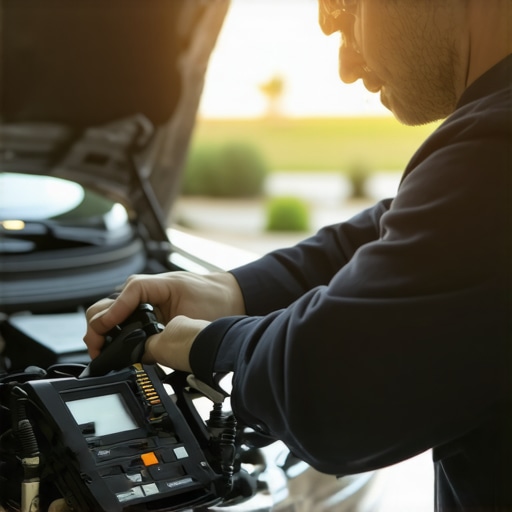
For those looking to enhance their repair process, I highly recommend trying the calibration methods I detailed above. Calibrating sensors after replacing brake pads or wiring can significantly extend component life and ensure safety. Don’t leave these critical steps to guesswork—precision makes all the difference.
The Lessons That Still Echo in My Garage
- One of the toughest lessons I learned was never to assume a vehicle is fault-free without thorough diagnostics. Relying solely on experience or basic scans can give a false sense of security, especially with the evolving complexity of 2026 brake systems.
- I realized that investing in advanced tools like Collisionrenew scanners transformed my diagnostic approach, allowing me to catch those subtle faults before they turn into costly repairs or safety hazards.
- Patience and calibration have become my best allies. Replacing sensors or wiring without recalibration is like tuning a guitar improperly—everything sounds wrong and the system responds poorly.
- Understanding the specific faults hidden within 2026 brake systems—like sensor anomalies or hydraulic inconsistencies—has empowered me to provide safer, more reliable repairs that my clients truly appreciate.
- Finally, I learned that continuous education and embracing new technology is essential. The automotive world doesn’t stand still, and neither should we in our pursuit of excellence.
Tools and Resources That Make the Difference
- Collisionrenew Scanner: This device is my go-to for diagnosing complex 2026 brake faults, offering insights traditional code readers simply can’t provide. Trusted by professionals, it helps prevent overlooking critical issues.
- High-Quality Multimeter: Precision in verifying wiring and sensor signals saves me time and keeps the diagnostics accurate. I rely on this every time I suspect electrical anomalies.
- Digital Calipers: Ensuring components like rotors and sensors meet exact specifications after repairs prolongs their lifespan and enhances safety.
- Manufacturer Data and Service Bulletins: Staying updated with the latest technical info from automakers ensures my repairs are aligned with what the vehicles need, especially as models advance into 2026 and beyond.
Keep Moving Forward with Confidence
Every challenge in auto repair is an opportunity to learn and improve. With the mastery of advanced diagnostic tools and a keen eye for detail, I encourage you to explore these hidden faults in your vehicle’s brake system. Embracing innovation today will ensure safer drives tomorrow. Have you ever detected a subtle fault before it caused major issues? Let me know your experiences below.