
I remember the exact moment I realized my CVT transmission was on the brink of trouble. I was driving home from work, cruising along happily, when suddenly my car started to jerk—like it was struggling to keep up. Within seconds, a warning light blinked ominously on my dashboard. That sinking feeling hit me—had I ignored the warning signs for too long? Later, I learned that slipping, overheating, and strange smells are telltale signs of impending transmission failure—and experiencing any of these can lead to costly repairs or even a roadside breakdown.
Understanding the Urgency of Recognizing Overheating Signs
Knowing the early indicators of a failing CVT can save you hundreds, if not thousands, of dollars—and a whole lot of stress. When my transmission shows signs of overheating, it’s often an early alarm bell. Proper maintenance and swift diagnosis are key to keeping your car reliable and safe. Today, I’ll share the three most common signs that your 2026 CVT might be overheating—and what you can do about it before the situation worsens.
Is Overheating Really a Big Deal or Just a Routine Issue?
Early in my learning curve, I made the mistake of dismissing minor issues like small delays or strange smells, thinking they’d go away on their own. Spoiler alert: They won’t. Overheating is no minor hiccup; it’s a serious threat that can lead to complete transmission failure. Recognizing and acting on these signs early is crucial for your safety and wallet. For more tips on maintaining transmission health, check out these maintenance strategies that can extend your vehicle’s lifespan.
Dive Into the Core Troubleshooting Steps
Start by safely parking your vehicle on a flat surface and turning off the engine. Use a reliable thermometer to check the transmission fluid temperature—if it exceeds 200°F (93°C), overheating is likely causing issues. Immediately, engage the parking brake and open the hood to inspect for visible signs of heat damage or burnt smell. During my own experience, I once noticed a smell akin to burnt toast—prompting me to stop driving and prevent further damage. Always wear gloves and safety glasses during inspection—hot components can cause burns.
Check Transmission Fluid Levels and Quality
Remove the transmission fluid dipstick; if the fluid level is low, top it off with the manufacturer-recommended fluid. If the fluid appears dark or smells burnt, it indicates overheating or deterioration. To address this, drain and replace the fluid following a proper flush protocol. This step is vital; neglecting it can lead to serious transmission failure. For detailed guidance, consult auto repair tips that emphasize regular fluid checks.
Inspect Cooling System Components
Overheating isn’t solely about the transmission; the cooling system plays a crucial role. Check the radiator, coolant levels, and hoses for leaks or blockages. A clogged radiator impedes heat dissipation, exacerbating overheating. I once cleaned a radiator clogged with debris, which immediately improved cooling efficiency. If your coolant is low or contaminated, drain and replace it according to your vehicle’s specifications. For comprehensive maintenance practices, see collisionrenew strategies.
Address Hot Spots and Mechanical Faults
Unusual hot spots in the transmission casing may indicate internal component failure. Use an infrared thermometer to identify these areas. If hot spots are significant, it’s time for a professional diagnosis. Mechanical issues such as a slipping belt or worn-out solenoids can also cause overheating. I had a case where a failing torque converter caused excessive heat; replacing it restored normal operation. Rely on experts for parts replacement—consult maintenance tricks to ensure longevity.
Implement Preventative Maintenance Rituals
Once the immediate issue is resolved, establish a routine inspection schedule. Regularly check fluid levels, quality, and cooling components—preferably every 5,000 miles or as per your manufacturer’s guidelines. Consider installing transmission temperature sensors for real-time monitoring—useful for early detection like I did during a long road trip when I noticed an abrupt temperature rise. To optimize your maintenance routine, review maintenance tips that focus on proactive care.
Know When to Seek Professional Help
Despite your best efforts, some issues require expert intervention. Persistent overheating after fluid replacement and cooling system checks indicates underlying mechanical faults. In my experience, immediate professional diagnostics prevented a total transmission failure. Choosing a certified auto repair center—like collisionrenew—can make the difference between costly repairs and a quick fix. Remember, early diagnosis is your best defense against transmission disasters—refer to auto repair tips to find reputable service providers.Many car owners assume that basic maintenance protocols like regular oil changes and fluid top-offs are sufficient to keep their vehicles in prime condition, but there’s a hidden nuance often overlooked: understanding the complexity behind transmission health and collision repair strategies. For instance, some believe that replacing transmission fluid once per year guarantees longevity, yet advanced insights reveal that fluid quality and temperature monitoring are equally crucial—see auto repair strategies. Additionally, there’s a widespread myth that “DIY fixes” always save money; however, improper repairs or neglecting subtle signs can lead to costly failures down the line, especially with high-tech components like smart brake sensors, where misdiagnosis causes more harm than good, as discussed in expert insights.
One common trap is neglecting early signs of mechanical fatigue; car owners often ignore minor vibrations or uneven braking, thinking they’re insignificant. But these clues can indicate internal wear, misaligned suspension components, or even impending collision damage—highlighted in collision repair tips. Failing to address these nuances can compromise safety and lead to emergency repairs, which are far more expensive.
Many are unaware of the sophisticated diagnostics now available. Modern transmissions, especially hybrids or EV models, require precise calibration and sensor integration. Relying solely on old repair practices might undermine performance and safety; instead, integrating advanced diagnostics ensures early detection of issues before they escalate.
Let’s discuss a question many advanced drivers ponder: How do I differentiate between normal wear and the early signs of a mechanical failure that must be professionally addressed? This is crucial because misinterpretations can either cause unnecessary repairs or catastrophic breakdowns. The key is paying attention to subtle changes—like inconsistent shifting or unusual noises during acceleration—and consulting experienced auto repair experts. Regularly reviewing maintenance strategies can prepare you to recognize these signs early.
In conclusion, understanding the nuanced truth behind car service extends beyond simple routine checks. It involves recognizing the intricate interplay of components, sensor data, and driving behaviors. Don’t rely solely on myths or superficial fixes; instead, focus on informed, expert-driven maintenance routines to ensure your vehicle’s longevity and safety. Have you ever fallen into this trap? Let me know in the comments.
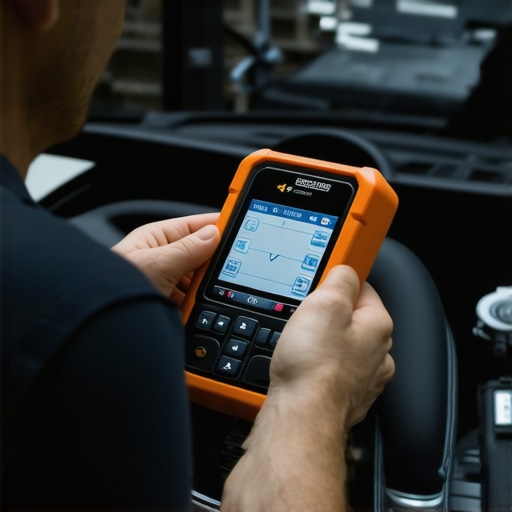
Achieving long-term reliability for your car hinges on using the right tools and maintaining a consistent routine. Personally, I rely on a combination of high-quality diagnostic equipment and software that provides real-time insights into your vehicle’s health. For example, an OBD-II scanner like the BlueDriver Bluetooth Pro Scanner allows me to quickly identify engine trouble codes and monitor transmission parameters on my smartphone, saving time and money during routine checks. Additionally, investing in a good infrared thermometer helps me detect hot spots in the transmission casing or braking system, pinpointing issues before they escalate.
But tools alone aren’t enough; regular maintenance protocols customize your vehicle’s longevity. I schedule bi-annual fluid tests and always consult the manufacturer’s specifications to select the appropriate lubricants and coolants. For instance, changing transmission fluid at recommended intervals—aligned with the detailed advice in auto repair tips—prevents overheating and reduces the risk of slipping or gear jerks in modern transmissions.
Scaling your maintenance efforts over time involves establishing a systematic checklist—covering fluid levels, cooling system integrity, and brake performance. I personally keep a logbook or digital record to track service dates and observed symptoms, which helps when I consult professional technicians. This proactive approach ensures that small issues don’t turn into costly repairs, especially in complex systems like hybrid or electric vehicles where diagnostic precision is crucial.
How do I keep my car functioning well over the years?
Consistency in scheduled inspections, using reliable tools, and quick response to warning signs constitute the backbone of long-lasting vehicle performance. Modern diagnostic software is evolving rapidly; I predict that in the near future, vehicles may come equipped with integrated AI-driven sensors that alert you to issues in real time, even before symptoms appear—much like advanced driver-assistance systems now advancing safety standards.
To maximize your vehicle’s lifespan, I recommend trying an advanced tip I personally use: install a transmission temperature sensor that feeds data directly to your smartphone. During a recent road trip, it alerted me to a rising temperature that I wouldn’t have noticed otherwise, allowing me to slow down and prevent overheating. This kind of proactive monitoring can significantly extend your transmission’s life and improve safety.
For a comprehensive maintenance routine tailored to your vehicle, check out these expert strategies. Remember, the right tools combined with disciplined upkeep — including fluid checks, cooling system inspections, and professional diagnostics — make all the difference in keeping your car running smoothly for years to come.
The Hardest Lesson I Learned About Transmission Troubles
Initially, I believed regular fluid changes were enough to keep my CVT transmission healthy. It wasn’t until I faced unexpected overheating that I realized proactive diagnosis and monitoring are essential. This experience taught me that relying solely on routine maintenance can leave gaps; embracing comprehensive health checks can save you from costly repairs. My lightbulb moment was discovering that early signs often hide in plain sight—like subtle shifts or faint smells—if you know where to look and act fast.
A Toolbox of Tools That Transformed My Maintenance Approach
Investing in a quality OBD-II scanner like BlueDriver and a reliable infrared thermometer revolutionized how I care for my vehicle. These tools let me monitor transmission temperatures and spot hot spots early, preventing escalation. They provide real-time insights that mechanics rely on, empowering me to make informed decisions. Plus, keeping a detailed log of fluid changes and temperature readings ensures I stay ahead of potential issues, fostering peace of mind and vehicle longevity.
Becoming a Confident Protector of My Car’s Journey
Understanding and acting on transmission overheating signs turned my approach from reactive to proactive. I now schedule regular inspections, heed warning signs promptly, and trust in technology to alert me to potential problems. This shift not only safeguards my investment but also feels empowering—transforming me from a passive driver into an active participant in my vehicle’s health. The future of auto maintenance is bright when you embrace these personal insights and tools, ensuring safer roads and smoother rides for years to come.