
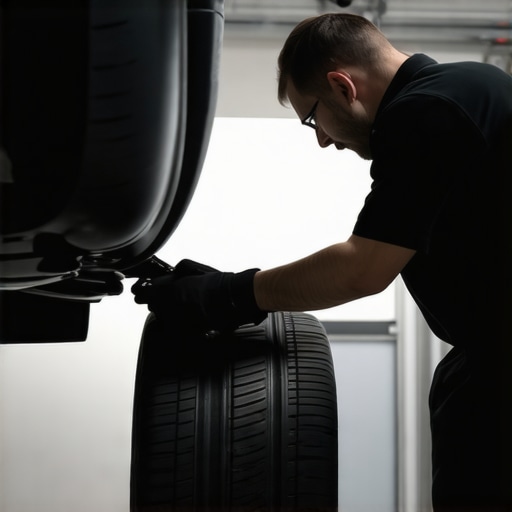
Ever been in the middle of a busy intersection, only to feel that unsettling slip or hesitation from your transmission? Or maybe you’ve heard that faint squeal every time you brake, but thought it was just a normal wear-and-tear sound. I remember a time when I ignored a slight jerk while shifting gears. Turns out, neglecting even small issues can lead to costly repairs—and more importantly, compromise your safety on the road. That lightbulb moment made me realize how crucial proper maintenance is, especially as our vehicles age and traffic gets more unpredictable.
Why Proper Maintenance of Brakes and Transmission Matters More Than Ever in 2024
The truth is, most drivers overlook routine brake and transmission care until something drastic happens—like a sudden brake failure or transmission failure behind the wheel. But according to automotive safety experts, regular service can reduce accidents and extend the lifespan of your vehicle. In fact, proper maintenance can improve fuel efficiency, ensure smoother driving, and most importantly, keep you and your loved ones safe.
With new safety standards and advanced vehicle technologies coming out in 2024, staying on top of maintenance is essential. If you’re like me, you probably rely on your car daily—commuting to work, taking kids to school, or running errands. Imagine facing an avoidable breakdown when you’re already pressed for time or dealing with adverse weather conditions. Doesn’t sound fun, right? That’s why understanding and implementing top maintenance tips isn’t just for mechanics—it’s a must for every driver concerned about safety.
Is It Really Worth the Effort and Expense?
I used to think that skipping routine check-ups could save me money—until I faced a transmission issue that cost me triple what regular servicing would have. Early on, I made the mistake of ignoring small warning signs, assuming they weren’t serious. Now, I know better. Routine inspections and preventive measures can catch issues early, preventing bigger problems down the line. For more tried-and-true advice, check out these comprehensive maintenance strategies.
So, are you curious about how to keep your brakes and transmission in top shape without breaking the bank? Stick around, because I’m about to share some expert tips that transformed my approach—and could do the same for you. Let’s dive into the practical steps you can take today to boost your vehicle’s safety and reliability in 2024.
.
Inspect Your Brake Pads and Rotors Regularly
Think of your brake system like the shoes on your feet—wear them out, and your footing becomes unstable. During a recent Saturday, I jacked up my car and manually checked the brake pads for thickness; I could see the pad material was thin, almost down to the rotor surface. Replacing worn pads before hitting the brakes hard saved me from more costly repairs and ensured safety. Every few months, remove the wheels and examine your brake pads for signs of uneven wear or thinning. Use a flashlight to peer behind the calipers for corrosion or debris. Maintaining proper brake pad thickness prevents uneven braking and prolongs rotor life. For a detailed guide, visit these maintenance tips.
Flush and Replace Transmission Fluid
Your transmission fluid is like the blood of the car—cleansing, lubricating, and cooling vital components. I once ignored my owner’s manual recommendation for a transmission fluid change; as a result, shifting became jerky, and I felt hesitant to accelerate. When I finally replaced the fluid using a proper flush, the difference was night and day. To execute this, warm up the engine, locate the transmission pan, and drain the old fluid entirely. Then, refill with manufacturer-approved transmission fluid, ensuring you use the correct grade. Some vehicles require a complete flush using specialized machines—consider visiting a trusted auto shop if unsure. Regularly scheduled transmission fluid changes prevent overheating and wear, reducing the likelihood of costly repairs. Learn more at this expert resource.
Check and Replace Hydraulic Brake Fluid
Brake fluid is like the vehicle’s nerve signal—transmitting force from pedal to brake pads. Old or contaminated fluid can lead to soft brakes or total failure. I remember a rainy morning, pressing the brake pedal with less resistance, and feeling the response delay. After checking the reservoir, I realized the fluid was dark and full of impurities. Replacing brake fluid involved removing the old liquid from the reservoir, bleeding the lines to eliminate air, and refilling with fresh fluid. Always use the brake fluid specified in your vehicle manual. For best results, perform this maintenance every 2 years or after a major service. Clean, uncontaminated brake fluid ensures firm pedal feel and effective stopping power. For a comprehensive walkthrough, see this guide.
Lubricate Shifting Components and Linkages
Automatic transmissions rely on smooth linkages and sensors, which can seize or stiffen over time. I once noticed my gear shifts becoming hesitant, especially when cold. Applying high-quality transmission or gear oil to shift linkages, following the manufacturer’s procedure, restored smoothness. Locate shift linkage points—often accessible near the transmission—and apply a suitable lubricant sparingly. Avoid over-lubrication, which can attract dirt and cause further issues. Regular lubrication prevents stiff shifts and preserves transmission longevity. Remember, a well-lubricated system reduces strain on the transmission and enhances overall driving comfort. For tips tailored to your vehicle, explore these expert suggestions.
Maintain Proper Brake and Transmission Fluid Levels
Low fluid levels often escape notice until a warning light appears or performance degrades. I learned this the hard way when my warning light flashed during a long trip. Checking the fluid reservoirs—brake fluid at the master cylinder and transmission fluid at the dipstick—revealed dangerously low levels. Replenishing with the correct fluid type and ensuring no leaks restored normal operation. Keep a regular schedule to check fluid levels monthly, topping up if needed. Proper levels prevent overheating, reduce wear, and ensure your vehicle responds reliably when you need it most. For more in-depth advice, refer to these maintenance strategies.
Many drivers operate under the illusion that once a vehicle feels smooth and reliable, no further maintenance is necessary. However, this misconception can lead even seasoned car owners astray, especially regarding transmission care. A prevalent myth is that transmission fluid doesn’t degrade over time; in reality, contamination and thermal breakdown can occur even when the car runs smoothly, making regular fluid replacement crucial. Overlooking small indicators like delayed shifts or strange noises often results in more severe damage, a mistake I learned firsthand when ignoring minor jerkiness during gear changes. To truly optimize your vehicle’s longevity and safety, understanding nuances like proper fluid flushing techniques is essential. Recent studies, such as those published by the Society of Automotive Engineers, underline that proactive service—beyond just responding to warning lights—significantly reduces repair costs and accidents. Let’s dig into the finer points that many overlook but can make a substantial difference.
Investing in Quality Diagnostic and Maintenance Equipment
Keeping your vehicle’s transmission and brake systems in top shape demands the right tools. I personally swear by a high-quality scan tool like the Autel MaxiCOM MK808. It provides comprehensive diagnostics, allowing me to read and clear error codes related to transmission and braking sensors without needing to visit a mechanic. This device has saved me both time and money by catching potential issues early. Additionally, for routine checks, I rely on a digital multimeter to monitor wiring integrity and sensor functionality accurately. Using reliable tools ensures precise diagnostics, which is crucial for effective long-term maintenance.
Mastering Fluid Testing and Replacement Methods at Home
One of the most impactful tips I can share is performing in-depth fluid evaluations. For transmission fluid, I use a magnetic drain pan to collect old fluid during replacements. This allows me to observe metal particles that indicate wear, giving an early warning sign of internal issues. For brake fluid, I employ a dedicated brake fluid tester that measures moisture content, ensuring optimal brake performance. Regularly testing and replacing fluids with prescribed standards, such as the manufacturer’s recommended transmission fluid, dramatically extends component life. Remember, using the correct tools makes this process much more accurate and less messy.
Utilizing Software and Data Logging for Preventive Maintenance
Modern vehicle repair heavily relies on software. I recommend software like AutoEnginuity, which offers deep insights into vehicle health through data logging. Installing such programs on your laptop or smartphone provides real-time monitoring of vital systems, including transmission temperature and brake wear indicators. This proactive approach allows me to schedule preventive maintenance before problems escalate. As automotive technology advances, embracing diagnostics software will become even more vital—it’s a trend that’s increasingly shaping how enthusiasts and professionals maintain vehicles.
How do I maintain transmission and brake systems over time?
Consistent, scheduled checks are key. Set reminders to perform fluid replacements, sensor calibrations, and system diagnostics. Keep an eye on warning lights, unusual noises, or shifting hesitations—these are often the first signs of trouble. I recommend establishing a routine that includes verifying fluid levels monthly with accurate tools, inspecting brake pads and rotors, and consulting specialized software for deeper diagnostics. For more detailed strategies, visit these effective techniques. Don’t forget: investing in proper tools and staying informed about technological advancements can significantly improve your vehicle’s safety and longevity. Try using a diagnostic scan tool on your next maintenance session—it’s a game-changer for proactive care.
What I Wish I Knew About Transmission Care That Changed Everything
- Adjusting my maintenance mindset from reactive to proactive revealed how minor issues previously ignored can snowball into expensive repairs, demonstrating that small checkups make a big difference in longevity.
- Using quality diagnostic tools at home uncovered subtle problems early, saving me money and avoiding roadside surprises—it’s a game-changer for DIY enthusiasts.
- Realizing that routine fluid testing, rather than waiting for warning lights, keeps my vehicle running smoothly and ensures safety, showing the power of prevention over repair.
Top Tools and Resources That Elevated My Maintenance Game
- The Autel MaxiCOM MK808 scanner is now my go-to for accurate diagnostics—trustworthy and easy to use for early detection of transmission or brake issues.
- I swear by the comprehensive guides on collisionrenew.com—they cut through the jargon and give straightforward advice I can follow confidently.
- My favorite maintenance journal helps me keep track of fluid changes and inspections, making sure nothing slips through the cracks.
Let Your Drive Reflect Your Care
Taking charge of your transmission and brake upkeep today isn’t just about avoiding repairs—it’s about embracing safer, smoother journeys ahead. Remember, your vehicle is a vital part of your life; treating it with care creates a ripple effect of reliability and peace of mind. Don’t wait for warning signs—start implementing these expert tips now, and watch your car perform at its best in 2024 and beyond. Are you ready to elevate your vehicle maintenance routine and enjoy safer roads? Share your thoughts below!