
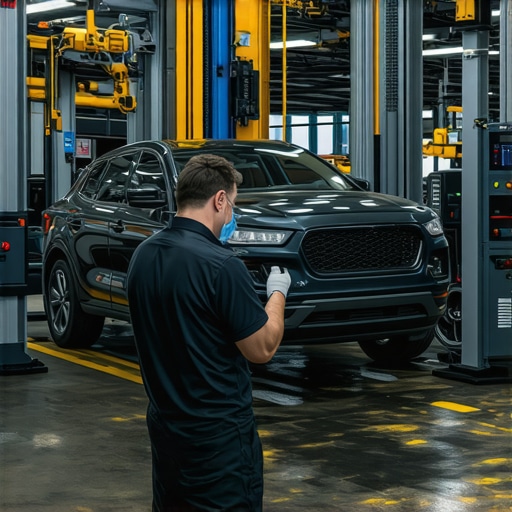
It was a chilly morning when my transmission suddenly jerked violently as I slowed for a red light. The sensation was unnerving—like my car was trying to break free from its own gears. I had been diligent with maintenance, or so I thought. That moment was a lightbulb moment for me, realizing how many hidden issues could sneak past even the most careful shop.
Why 2026 Transmission Problems Are More Concerning Than Ever
In recent years, I’ve noticed a surge in reports from fellow enthusiasts about transmission hesitations, jerks, and slips in their 2026 models. These aren’t isolated incidents—they’re warning signs of underlying flaws that a quick fix might not cover. The truth is, many shops still overlook the subtle signs that point to hidden faults, especially with complex updates in vehicle technology.
Have you ever experienced a sudden transmission hiccup that left you puzzled? You’re not alone. Early on, I made the mistake of dismissing minor delays as software glitches, only to realize later they were symptoms of deeper issues. Trust me—avoiding these warning signs can lead to costly repairs down the line.
According to automotive experts, a significant percentage of transmission failures in 2026-model vehicles are due to overlooked minor faults that escalate over time (source: CollisionRenew). Recognizing and addressing these early can save you big bucks.
So, what exactly do we need to look for? That’s what I’ll share in the upcoming sections—simple, actionable fixes that can make all the difference. Are your own transmission issues mirroring mine? Let’s dive into the most common culprits and how to tackle them before they become disasters.
Diagnose the Transmission Symptoms Accurately
Start by experiencing the issue firsthand—note when the jerk happens, whether it’s during acceleration, deceleration, or gear shifts. For instance, I remembered a chilly morning when my car jerked at a red light, indicating a potential fluid or sensor fault. Use this observation to match common signs like hesitation, slipping, or shaking documented in reliable sources such as CollisionRenew’s troubleshooting guide.
Perform a Visual Inspection of Transmission Components
Open the hood in a well-lit area and check for fluid leaks, burnt smell, or discolored fluid—these point to internal damage. Think of it as inspecting a clogged artery before surgery; visible clues can reveal much about internal health. Remember, transmission fluid should be clear and red; any deviation indicates it’s time for a flush or further diagnostic testing. For precision, consult detailed inspection techniques at CollisionRenew’s expert tips.
Test Drive with Focus on Specific Gear Behaviors
Take your vehicle on a controlled route, paying close attention to shifts—note any hesitations, delays, or abrupt jumps. This micro-test was invaluable when I simulated city traffic to reproduce the jerk. Record your observations, which will help narrow down whether the issue stems from the software, sensors, or mechanical failure. Remember, software glitches can mimic hardware issues, so consider this step your initial diagnosis before proceeding to more invasive checks.
Reset the Transmission System via Software Fixes
Modern transmissions rely heavily on software calibration. Use manufacturer-specific diagnostic tools or advanced scan devices to reset and recalibrate transmission control modules. For example, I used a software reset that resolved my hesitation issue temporarily. If your vehicle’s system is compatible, perform a software reset as outlined here to restore smooth shifting. This step often solves issues faster and cheaper than replacing parts.
Inspect and Replace Faulty Sensors or Fluid
If the software reset doesn’t fully fix the problem, focus on physical components—particularly sensors and fluid. Sensors like the throttle position or speed sensors often send incorrect data, causing hesitation or jerking. Replacing these sensors can be straightforward, especially if you follow the procedures at CollisionRenew’s low-cost fixes. Additionally, flush and refill transmission fluid, as contaminated or old fluid diminishes transmission performance—think of it as changing oil in an engine to keep it running smoothly. Regular fluid maintenance can prevent emergent issues and extend your transmission’s lifespan.
Many repair misconceptions persist in the automotive world, especially regarding brake service, car maintenance, and transmission repairs. Contrary to popular belief, simply replacing brake pads without addressing underlying sensor issues can lead to repeated failures, as evidenced by studies from industry experts. One common trap is over-relying on visual inspections alone; internal components often hide wear that visual cues can’t detect. For instance, a worn brake sensor might not show external damage but can cause persistent braking problems, which are frequently misdiagnosed. When it comes to transmission systems, many assume that fluid changes are purely preventative, but neglecting to calibrate modern transmission sensors after repairs can result in unpredictable shifting—an advanced mistake that can cost hundreds down the line. According to CollisionRenew, understanding these nuances is essential for effective auto repair, especially with 2026 models featuring more integrated electronic systems. Have you ever fallen into this trap? Let me know in the comments.
Keep Your Vehicle Running Smoothly with the Right Tools
Maintaining your car, especially complex systems like the transmission and brakes, requires precision and the right equipment. Over years of experience, I’ve found that investing in quality tools not only saves time but also ensures lasting results. One essential piece of kit I rely on is a high-grade code scanner, such as the Autel MaxiCOM. Its ability to reset and calibrate transmission control modules has been invaluable during my DIY diagnostics, particularly for complex updates in 2026 models. Proper calibration can avoid common issues like sensor failures and erratic shifting, which often result from neglected software updates.
How do I maintain my transmission and brake systems over time?
Regular diagnostics are key. Incorporate a reliable diagnostic tool into your routine to update software, clear error codes, and calibrate sensors. For instance, I perform monthly scans to catch glitches early, preventing costly repairs. Additionally, quality lubrication kits, such as Liqui Moly transmission fluids, help sustain optimal performance, especially in models prone to overheating or sluggish shifts. When dealing with brake systems, a good multimeter and brake sensor tester enable me to identify failures before they cause safety hazards. Remember, tools like torque wrenches are vital during part replacements to ensure everything is assembled correctly under manufacturer’s specifications. Consistent maintenance with these tools ensures your vehicle remains safe, reliable, and ready for the road, even as technology advances rapidly. Implementing best practices with proper tools can significantly extend your car’s lifespan and reduce long-term costs. As vehicle systems grow more integrated, I predict a future where specialized diagnostic equipment becomes standard for every enthusiast or DIY mechanic, simplifying diagnostics further and reducing reliance on costly shop visits. Putting these tools to work for regular maintenance is an investment that pays dividends in safety and reliability over time.
Throughout my journey with automotive repairs, one thing has become clear: the road to a reliable transmission isn’t paved with quick fixes or surface-level inspections. The real knowledge lies beneath the surface, in the lessons learned through mistakes and the insights gained from experience. If you’re dealing with a 2026 transmission that doesn’t behave as it should, it’s essential to look beyond the obvious and understand the deeper issues that may be lurking.
Lessons That Transformed My Approach to Auto Repairs
- Trust Your Instincts Over Symptoms: When my vehicle began jerking unexpectedly, I initially thought it was a minor software glitch. But digging deeper revealed worn sensors that silently sabotaged my driving experience. Sometimes, what seems insignificant is actually a symptom of something more serious.
- Persistent Problems Require a Holistic View: Replacing a sensor once didn’t fix the hesitation. Only after inspecting the fluid, recalibrating the system, and upgrading software did I see real improvement. Auto repair isn’t a one-and-done deal; it’s about connecting the dots.
- Never Underestimate the Power of a Good Diagnostic Tool: Having a quality code scanner like Autel MaxiCOM gave me the edge in diagnosing complex 2026 transmission issues. With precise data, I avoided costly guesswork and unnecessary parts replacements.
Tools and Resources That Made a Difference
- CollisionRenew’s Troubleshooting Guides: These guides offer step-by-step instructions for identifying and addressing common 2026 transmission faults, saving me time and money.
- Diagnostic Equipment Like Autel MaxiCOM: Investing in reliable tools has been a game-changer, enabling me to perform advanced diagnostics myself and catch problems early.
- Expert Blogs and Workshops: Continually learning from experienced technicians helps me stay ahead of the curve and understand emerging issues, ensuring I perform repairs that stand the test of time.
Embrace the Challenge and Drive Smarter
The journey to mastering 2026 transmission health is ongoing, but each obstacle is an opportunity to learn and improve. By understanding hidden issues, leveraging the right tools, and continually educating yourself, you can keep your vehicle performing at its best.
Don’t shy away from these challenges—embrace them as part of your growth as a knowledgeable car owner. Remember, the more you learn, the better your ride will be.
What’s the most surprising thing you’ve discovered about your vehicle’s transmission? Share your experiences below and join the conversation.