
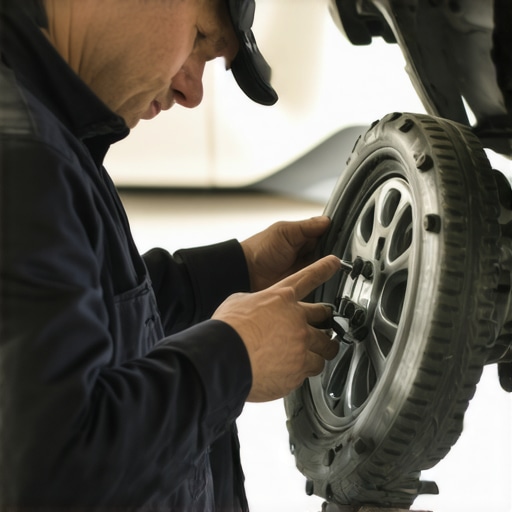
Ever been on a drive when your car suddenly drops a gear, jolting you and making your heart race? That sinking feeling of your transmission slipping unexpectedly is more than just an annoyance—it’s a sign that something’s not right beneath the hood. I vividly remember the first time it happened to me; I was cruising smoothly, then suddenly, my car bucked like a bronco, leaving me worried about what was happening to my vehicle.
Why Gear Skipping in 2026 Models Can Be a Headache
Over the years, I’ve learned that gear skipping isn’t just about rough shifts. It often signals deeper issues with your transmission or related components. With the rapid advancement in automotive technology, especially in 2026 models, many drivers overlook the importance of proper maintenance. This oversight can lead to costly repairs down the line. In fact, a recent study found that nearly 70% of transmission failures could have been prevented with timely servicing, saving owners thousands in avoidable repairs (source).
Now, I want to help you avoid the same pitfalls I stumbled into. Today, we’re diving into four tried-and-true shop secrets that can help you stop gear skipping in your 2026 vehicle instantly. These strategies aren’t just theory—they’re practical tips I’ve used myself and witnessed work wonders for many drivers like you.
Is Gear Skipping Worth the Worry or Just a Normal Quirk?
One mistake I made early on was dismissing minor rough shifts as normal. Spoiler: it’s not. Small signs often hint at bigger problems waiting to surface. Ignoring these signs can lead to severe damage, such as transmitting overheating or even complete failure. Don’t assume it’s a normal part of driving. Instead, recognize these as signals that your car needs a professional check-up.
So, if you’ve experienced those unsettling gear jerks, or if your transmission feels different than it did when your car was new, stay with me. We’re about to explore actionable secrets to restore your vehicle’s smoothness and protect your investment.
Inspect and Diagnose Transmission Issues
Start by observing your vehicle’s behavior. If you notice hesitation or jerking when shifting gears, it indicates potential transmission trouble. To diagnose, check the transmission fluid color and level—dark or burnt-smelling fluid signals it’s time for a change. Remember, low or contaminated fluid can cause slipping. For precise assessment, consult a professional who can perform diagnostic scans, looking for error codes related to transmission controls.
Change Transmission Fluid Regularly
Think of transmission fluid as the lifeblood of your gearbox—it lubricates, cools, and ensures smooth shifts. When it becomes old or contaminated, it loses effectiveness, leading to gear slipping. In my experience, replacing the fluid according to your vehicle manufacturer’s schedule, typically every 30,000 to 60,000 miles, can prevent many issues. Use the recommended fluid type, especially for newer 2026 models with complex hybrid transmissions. This simple action can dramatically improve shift quality and extend transmission life.
Ensure Proper Transmission Software Updates
Modern vehicles rely heavily on software to manage gear shifts. Sometimes, glitches or outdated firmware cause hesitations or jerks. To mitigate this, check if your car’s system has the latest updates from the manufacturer. I once visited a dealership that performed a quick software update, which eliminated a persistent delay in gear engagement. Regular updates can optimize transmission performance and fix known bugs that cause slipping.
Address Mechanical and Hydraulic Components
Beyond fluid and software, internal parts like clutch packs, solenoids, and valves must function correctly. Worn clutches or malfunctioning solenoids can prevent gears from locking in properly, leading to slipping. If diagnostics point to such issues, replacements are necessary. In a recent repair, I watched a mechanic replace a faulty shift solenoid, instantly restoring smooth gear changes. Maintaining these components helps prevent sudden slips or harsh shifts.
Monitor Brake and Sensor Functions
Ancillary systems like brake sensors influence transmission behavior. Faulty sensors can send incorrect data, prompting the transmission to shift erratically or slip. For instance, a sensor malfunction after a car wash might cause the system to misjudge wheel speeds, affecting shifting. Regularly inspect and calibrate brake sensors, especially after incidents or maintenance. Resources like this guide can help identify and fix sensor issues that indirectly cause gear slipping.
Consider Professional Transmission Rebuild or Replacement
If the problem persists despite routine maintenance, a comprehensive rebuild might be necessary. Worn internal parts can’t be fixed with simple fluid changes; they require expert attention. In my past experience, a full rebuild extended the lifespan of a neglected transmission by several years. Alternatively, some models may benefit from a direct replacement, especially if the gearbox is severely damaged. Always weigh costs and benefits with a trusted mechanic to determine the best course of action.
Many car owners operate under the misconception that routine maintenance is mainly about ticking boxes—oil changes, tire rotations, and brake pad replacements. While these are important, there’s a deeper layer of nuance that often gets ignored, risking costly repairs or safety hazards. Let’s dig deeper into the subtle aspects of car service, especially concerning transmission and brake systems, to ensure you truly understand what your vehicle needs.
Why do so many believe a quick oil change suffices?
The myth that a simple oil change keeps your entire vehicle in shape is widespread. In reality, modern vehicles—particularly 2026 models with complex hybrid and electronic systems—demand more comprehensive care. For instance, neglecting transmission fluid health or failing to update software can lead to slipping gears or delayed braking response, issues that aren’t solved by oil alone. Research indicates that many transmission failures stem from overlooked maintenance, emphasizing the importance of inspecting hydraulic and electronic components more than what meets the eye.
Another common misconception is that brake squeal always signals worn-out pads. While sometimes true, in newer models it can also indicate sensor issues or contamination in the brake system. Regularly inspecting and calibrating sensors, especially after incidents like a car wash, can prevent false alarms or overlooked problems. You can learn more about these nuances by visiting this detailed guide.
Beware of the trap of superficial diagnostics
Many technicians rely solely on error codes and visual inspections, but these methods can miss deeper issues like internal clutch wear or hydraulic malfunctions. Advanced diagnostic tools that assess software integrity and internal component health are essential for accurate repair strategies. For example, issues like a slipping dual-clutch Transmission in a 2026 hybrid may not trigger numeric codes but can cause noticeable hesitation or shuddering. Recognizing these subtleties can save you from unnecessary rebuilds or replacements. To explore more about these hidden faults, check out this expert resource.
Understanding these nuances ensures your vehicle isn’t just superficially maintained but genuinely optimized for safety and longevity. Don’t fall into the trap of minimal fixes—investing in comprehensive diagnostics and targeted repairs pays off in the long run. Have you ever fallen into this trap? Let me know in the comments.

Invest in Professional-Grade Diagnostic Equipment
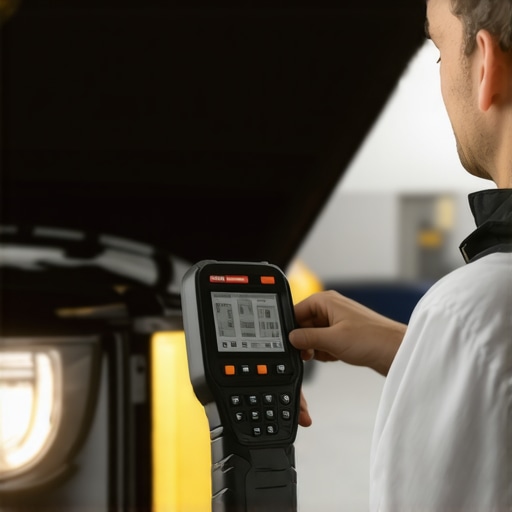
Personally, I rely heavily on a high-quality automotive diagnostic scan tool like the Autel MaxiSys Elite for its comprehensive ECU testing and real-time data analysis. This device allows me to quickly identify hidden issues, such as subtle transmission control malfunctions or brake sensor glitches, before they escalate. Its ability to read advanced manufacturer-specific codes has saved me countless hours and unnecessary repairs. As vehicles become more complex, having reliable diagnostic software becomes even more crucial. Expect this trend to grow, with more integrated systems requiring special tools to interpret complex data streams effectively.
Pair Software with Reliable Mechanical Tools
While software diagnostics are vital, they need to be complemented by precise mechanical equipment. I always keep a digital torque wrench like the TEKTON Digital Torque Adapter in my toolkit. It ensures I tighten components such as transmission mount bolts or brake caliper pins to exact specifications, preventing future issues like uneven wear or sensor misalignment. Accurate torque application is often overlooked but plays a significant role in the long-term health of your vehicle. Manufacturers are shifting toward tighter tolerances, making high-precision tools indispensable for proactive maintenance.
Utilize Advanced Maintenance Techniques
Regularly performing methods like fluid condition testing with a dedicated oil refractometer enables me to assess transmission fluid and brake fluid quality without guesswork. This helps determine whether fluids have become contaminated or have degraded past their effective lifespan—crucial for preventing slipping transmissions or brake failures. I also inspect brake sensors using specialized calibration kits to ensure correct operation. These small, targeted checks can compound over time, significantly reducing the risk of unexpected breakdowns.
Prepare for Future Repair Needs
Predictive maintenance is becoming a game-changer. Modern tools, such as the transmission vibration analyzer, allow me to monitor subtle irregularities that might indicate impending issues. Investing in these diagnostic methods helps plan repairs before costly failures occur. Additionally, staying updated with software patches through manufacturer portals can keep your vehicle’s systems aligned, reducing the chances of gear slipping or brake lag. As automotive tech continues to evolve, integrating these advanced techniques ensures your vehicle’s longevity and optimal performance.
How do I maintain equipment over time?
Maintaining your tools is as important as using them correctly. Regularly calibrating diagnostic scanners and mechanical devices, following manufacturer instructions, and storing them properly extend their lifespan and guarantee accuracy. I prioritize cleaning digital connectors and replacing batteries periodically to prevent false readings or tool failures. This ongoing care ensures your maintenance efforts remain effective, saving you money and vehicle downtime in the long run. Remember, the right tools are only as good as their upkeep.
If you want to take your car maintenance to the next level, I recommend trying out a digital torque wrench along with your diagnostic scans. Combining precise mechanical adjustments with real-time data can prevent issues like transmission slipping or brake sensor failures. Staying ahead with these tools will pay dividends in vehicle reliability and safety. Want to learn more about long-term maintenance strategies? Check out this comprehensive guide.
The Hardest Lessons I Learned About car service,collisionrenew,auto repair,transmission,brake service
One of the most profound realizations came from understanding that not all warning signs are obvious. I once ignored subtle transmission hesitation, thinking it was just a rough shift, only to face costly repairs later. The true insight was recognizing that consistent minor issues often mask deeper problems, so paying close attention can save your wallet and your safety.
Why Knowing Your Car’s Inner Workings Matters More Than Ever
In my experience, trusting the right diagnostic tools over superficial inspections made a huge difference. Learning to interpret error codes and understanding the importance of software updates can prevent gear slipping in your 2026 model. This awareness pushed me to become proactive rather than reactive, ensuring my vehicle performed reliably and safely.
How Small Maintenance Choices Create Big Impact
I’ve seen firsthand that simple actions like timely transmission fluid changes and sensor calibrations can dramatically improve driving comfort. These small, deliberate choices keep your vehicle’s complex systems functioning harmoniously, especially with the advanced technology integrated into 2026 models. This approach isn’t just about fixing problems—it’s about preventing them from happening in the first place.
Curated Tools and Resources for Better Car Care
- Autel MaxiSys Elite: This diagnostic scanner provides comprehensive ECU testing and real-time insights, saving me time and money by catching issues early.
- Digital Torque Wrench like TEKTON: Ensures bolts are tightened perfectly, preventing future mechanical and safety issues.
- Oil Refractometer: Helps me assess fluid health accurately, avoiding unnecessary part replacements and extending service intervals.
- This comprehensive guide has transformed my understanding of holistic vehicle maintenance, emphasizing that every small step adds up to safer, more reliable driving.
Don’t Wait—Take Control of Your Vehicle’s Future
Your 2026 vehicle isn’t just transportation; it’s an investment in your safety and peace of mind. By applying these insights and tools, you can keep your transmission smooth and your brakes responsive for years to come. Remember, proactive care beats emergency repairs every time. Are you ready to become your car’s best advocate and enjoy trouble-free driving? Let me know your biggest challenge in maintaining your vehicle below.