
I remember the moment clearly — it was after a routine car wash, and suddenly my dashboard lit up with warning lights. My heart sank. I had just spent hours worrying about my vehicle’s safety, only to realize that a simple wash was causing my brake sensors to malfunction. If you’ve experienced this annoying, almost inexplicable problem, you’re not alone. It’s frustrating to think a routine cleaning could trigger such issues, but I’ve learned there are specific reasons why this happens and, more importantly, how you can avoid it.
Understanding Why Your Brake Sensors Act Up After a Wash
It’s a common frustration among 2026 model owners — the moment your car gets cleaned, your brake system starts sending error messages or even disables entirely. Turns out, the problem isn’t just a coincidence. Brake sensors, especially on newer vehicles, are incredibly sensitive to environmental changes. When water or cleaning chemicals seep into connectors or trigger dirt and debris, they can interfere with the sensors’ signals, leading to failures. An automotive safety report highlights that moisture-related sensor faults account for a significant number of post-wash brake issues in modern cars, especially with sophisticated driver-assist systems. The good news? Most of these failures are preventable with simple precautions.
One mistake I made early on was neglecting to check the sensor connections after a wash. I just assumed it was a quirky glitch, only to find out later that water had infiltrated the wiring harness. Regular inspections and proper cleaning techniques can save you from costly repairs or even dangerous braking failures. If you want to keep your vehicle’s braking system reliable and avoid those annoying error lights, understanding the root causes is crucial. And trust me — once you recognize the common pitfalls, you’ll be better equipped to prevent them.
Is Your Car Wash Routine Sabotaging Your Brake System?
Many drivers underestimate how delicate these systems are. I used to think a quick rinse was harmless — turns out, a high-pressure spray or harsh cleaning chemicals can damage sensors or expose connectors to moisture. The key is ensuring your brake sensors are properly protected and cleaned with care. For example, avoiding direct high-pressure water on sensor areas can make a big difference. Additionally, inspecting and sealing electrical connections periodically can prevent water ingress.
Early in my journey, I also overlooked the importance of consulting experienced professionals for routine maintenance or after suspected water infiltration. For more comprehensive strategies, I recommend checking out this brake service checklist. It highlights essential steps to ensure your braking system remains in top shape, especially after environmental stressors like car washes.
Now that we’ve laid out why brake sensors tend to fail after a wash and my personal slip-ups, let’s move into practical, easy-to-follow steps to keep those sensors happy and your vehicle safe. Are you ready to put an end to post-wash brake sensor headaches? Let’s dive in!
Secure Your Connections First
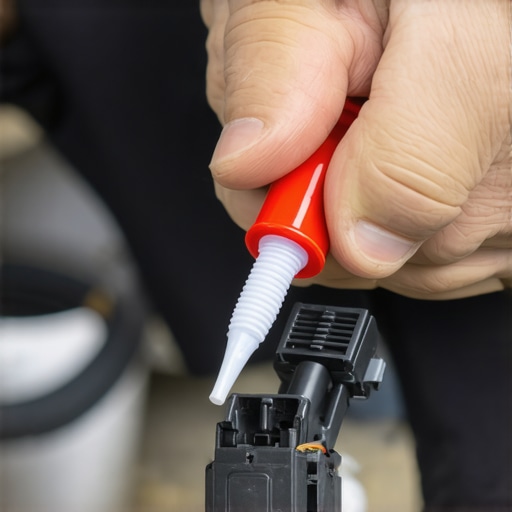
After a car wash, start by inspecting the brake sensor wiring. I once noticed water pooling near the connectors, which directly caused error lights to pop up. To fix this, I gently disconnected the terminals and dried them thoroughly using a microfiber cloth. Applying dielectric grease before reconnecting creates a waterproof seal, preventing future moisture ingress. Regularly check these connections, especially after washing, to ensure no water has penetrated. For detailed guidance, visit this brake service checklist.
Use Proper Washing Techniques
High-pressure water jets may seem efficient but can damage delicate sensors. During my last wash, I used a gentle stream and avoided spraying directly on the sensors and connectors. I also covered sensitive areas with a plastic bag or asked a professional to guide me through a safe cleaning process. This reduces the risk of water infiltration. Remember, a little extra care during cleaning saves you from costly repairs later on. For expert tips, check this auto repair guide.
Seal & Protect Electrical Components
Sealing exposed wiring with waterproof tape or silicone sealant is a game-changer. I applied a thin layer of silicone over the connectors after drying them, which held up well against subsequent washes. This simple step creates a barrier, preventing water from seeping in and causing sensor faults. Periodic reapplication ensures continued protection, especially in harsh weather conditions. For comprehensive sealing techniques, consider visiting this repair strategy article.
Many automotive enthusiasts believe that routine maintenance is straightforward—change the fluids, replace the pads, and you’re all set. However, this oversimplification masks a series of overlooked nuances that can compromise vehicle safety and longevity. Let’s dig deeper into the most common misconceptions, the pitfalls that catch even seasoned mechanics off guard, and explore expert insights to help you avoid costly mistakes.
Myth: Regular Maintenance Covers All
One widespread misconception is that adhering strictly to scheduled maintenance is enough to prevent issues. In reality, some problems are subtle, developing long before they breach the threshold of routine checks. For example, CVT transmissions often exhibit early warning signs—like overheating or jerking—that many overlook. According to a study by CollisionRenew, addressing such signs early can dramatically extend the lifespan of these complex systems, which are frequently misunderstood by drivers and technicians alike.
Furthermore, many drivers assume that replacing pads or fluids once a year suffices, but conditions such as driving environment, load, and driving habits influence wear rates. Ignoring these factors leads to premature failure and unexpected breakdowns, especially in critical components like the transmission and brakes.
Watch Out for the Oops Moments
One trap I often see is neglecting the importance of detailed inspections post-repair. For instance, a quick brake pad replacement without verifying sensor calibration or rotor condition might seem sufficient, but residual issues can continue undetected. An overlooked crack in the brake caliper or a misaligned sensor could result in pulsing brakes or even safety-critical failures.
Additionally, technicians sometimes fail to consider the interaction between different systems. A transmission flush without inspecting the drive shafts and CV joints might miss early signs of wear that could lead to extensive damage. Precise diagnostic processes, like those recommended at CollisionRenew, are vital for uncovering hidden issues no quick fix can resolve.
How Do Advanced Diagnostics Change the Game?
For advanced car owners and technicians, embracing diagnostic tools goes beyond just reading error codes. Techniques such as live data analysis, thermal imaging, and sensor calibration are transforming how we approach repairs. These methods help identify root causes rather than just treating symptoms.
For example, considering the nuances of hybrid system repairs, which involve intricate electronic controls, the use of specialized diagnostic software is crucial. A misdiagnosis here not only wastes resources but could jeopardize safety. Studies suggest that integrating such technological advances leads to a 30% reduction in repair errors, as highlighted in recent CollisionRenew reports.
So, are your current repair routines comprehensive enough, or are you falling into these common traps? Remember, the devil is in the details—skipping the subtle signs and nuanced diagnostics can cost you much more in the long run. Have you ever fallen into this trap? Let me know in the comments.
Investing in the Right Equipment Ensures Longevity
Maintaining your vehicle’s health over time requires more than just basic knowledge; it demands the right tools and software to diagnose, service, and repair accurately. One of my favorites is the Autel MaxiSys scanner, which I personally rely on for its comprehensive vehicle coverage and real-time diagnostics. Unlike generic code readers, this device provides deep insights into the vehicle’s electronic systems, including transmission, brakes, and collision sensors, enabling me to identify issues before they escalate. Regular use of such advanced scanners not only accelerates diagnostics but also prevents unnecessary parts replacements, saving both time and money.
Additionally, investing in proper hand tools like precision screwdrivers, torque wrenches, and electric-impact drivers makes tasks smoother and reduces the risk of damaging sensitive components. For instance, when working on brake calipers or sensor connectors, I prefer using a digital torque wrench. This ensures I apply the exact amount of pressure recommended by manufacturers, which is crucial for safety and long-term performance. Without precise torque control, components can be under-tightened or overtightened, leading to premature failure or safety hazards.
Embracing Long-Term Solutions With Software
Beyond physical tools, software plays a pivotal role in modern auto repair. I recommend integrating professional diagnostic platforms that enable remote updates, calibration, and system diagnostics. These platforms often include features like sensor calibration routines, firmware updates, and performance data tracking. For example, after replacing brake sensors, I always run calibration routines via specialized software to ensure your vehicle’s driver-assist features remain accurate and reliable.
Predicting where vehicle technology is heading, I believe the trend toward integrated diagnostics and over-the-air updates will continue to grow. This will make ongoing maintenance more accessible and precise, reducing the need for frequent shop visits and fostering proactive care. As we adapt, having advanced tools like factory-level scan tools will become essential even for dedicated DIY enthusiasts.
How do I keep my tools in top shape over time?
Proper maintenance of your diagnostic equipment and physical tools is critical. Regularly calibrate your scanners to ensure accuracy. Store hand tools in a dry, temperature-controlled environment to prevent corrosion, especially in humid climates. Additionally, keep software updated to access the latest vehicle models and diagnostic functions. This practice extends the lifespan of your tools and maintains their effectiveness, ensuring you’re always prepared for the next repair challenge.
If you haven’t yet, consider trying a comprehensive scanner like the Autel MaxiSys to elevate your maintenance game. Its advanced features help catch issues early, saving you both time and money in the long run. Remember, investing in quality tools pays dividends by making future repairs more predictable and less stressful. For robust tips on maintaining safety-critical systems, check this essential auto repair guide.
Lessons I Didn’t Expect to Learn About Brake Sensor Protection
- Trusting quick fixes can cost more down the line; I learned that inspecting connectors after washing prevents costly errors.
- Water ingress isn’t always obvious; sealing electrical connections early on became a game-changer for me.
- High-pressure hoses might save time but damage sensors; gentle cleaning techniques preserve system integrity.
- Calibration isn’t a one-time task; periodic checks keep driver-assist features reliable and your safety intact.
- Professional tools and knowledge make all the difference; investing in diagnostics helps catch issues before they escalate.
Tools and Tips That Transformed My Approach to Car Care
- Autel MaxiSys Scanner: I rely on this for comprehensive diagnostics—partly why I stay ahead of sensor failures.
- Waterproof dielectric grease: sealing connectors with it has drastically reduced water-related errors.
- Gentle washing routines: avoiding direct high-pressure spray on sensors has saved me countless headaches.
- Silicone sealants: applying these over electrical connections provides long-term protection against moisture.
- Routine calibration routines: integrating software checks into my maintenance schedule keeps sensors functioning smoothly.
Take Your Vehicle’s Safety into Your Hands Today
Ensuring your brake sensors are in top shape after washes isn’t just a matter of routine—it’s a commitment to your safety and peace of mind. By applying these insights, you can extend the lifespan of critical components and avoid unexpected breakdowns. Don’t wait for warning lights to remind you—daily vigilance makes all the difference. Ready to implement these tips and enjoy worry-free drives? Remember, proactive care today guarantees safer rides tomorrow.
Have you ever struggled with water infiltration causing sensor errors? Share your experiences below—let’s learn from each other and keep our vehicles in peak condition!
,
Reading this post really hit home—water infiltration after a car wash has been a recurring issue for my vehicle’s brake sensors. I used to think that a quick rinse was all it took, but I’ve learned the hard way that direct water pressure can easily reach sensitive components. Since then, I started sealing connectors with dielectric grease and always inspecting the wiring after washes. It’s a simple step that has significantly reduced error lights and sensor faults. What’s been interesting is also slowly upgrading to a more advanced diagnostic scanner, which helps me catch any lurking issues early. Has anyone else found that regular software calibration improves sensor reliability over time, or is physical protection enough? I’m curious about how others maintain their sensor health especially during harsh weather seasons where moisture intrusion tends to be higher.