
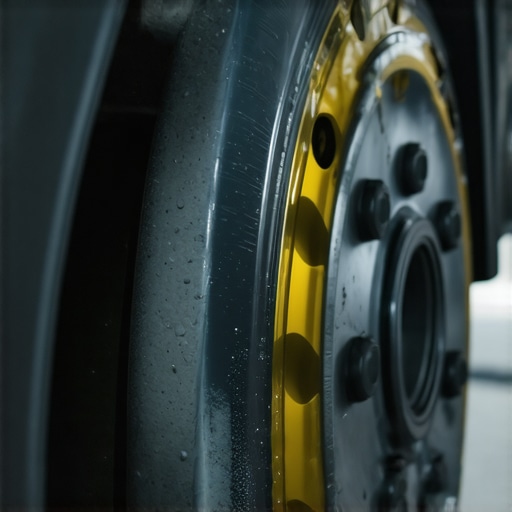
Ever jammed on your brakes in a panic, only to hear that unsettling squeal? Or maybe you’ve felt a soft pedal that just doesn’t stop your car as eagerly as it used to? I remember the moment I first noticed my brake pedal feeling off—my heart sank. It was a clear sign that my brakes needed more than just a quick check. That realization hit me hard: proper brake maintenance isn’t just about avoiding surprises; it’s about keeping myself and others safe.
Why Recognizing Brake Wear Matters More Than Ever
Let’s face it—our cars are like trusted friends that carry us everywhere. But even the best pals need a little TLC once in a while, especially the brakes. Worn brake pads can stealthily cause dangerous situations, from longer stopping distances to complete brake failure. And while some signs are obvious, others sneak up on you, making the difference between a quick fix and a costly repair. My mistake early on was ignoring that squealing noise, assuming it was just dust or dirt. Turns out, that’s often a sign that your brake pads are wearing thin—sometimes down to the metal backing. According to the National Highway Traffic Safety Administration, neglecting brake issues can lead to accidents that could have been prevented with simple maintenance.
Today, I want to share how you can spot the early warning signs of brake pad wear—before it becomes a safety concern. Trust me, catching these signs early saves you money, time, and most importantly, peace of mind. If you’ve ever worried about sudden brake failure or wondered if your car is safe to take on that long drive, this guide is for you.
Is It Really Worth Checking My Brakes Regularly?
When I first started tackling car maintenance myself, I underestimated how often subtle signs show up. Over time, I learned that a simple visual inspection and being attentive to how my car responds during braking can make all the difference. Ignoring these signs can not only lead to unsafe driving conditions but also cause damage to your rotors and calipers, resulting in pricier repairs down the line. For comprehensive safety tips, I recommend visiting this expert guide. So ask yourself—have you noticed any strange noises or changes in how your vehicle stops? If so, don’t wait until a squeal turns into a grinding, because that’s the loudest warning your brakes are giving you.
Check Your Brake Pads and Discs Regularly
Start by visually inspecting your brake pads—look for thickness less than a quarter inch. If you notice uneven wear or excessive thinning, it’s time for a replacement. My first attempt involved jacking up my car and removing the wheel to get a closer look. The brake pads were worn down to the metal backing, which could have led to rotor damage. Replacing them early kept my braking responsive and prevented costly repairs. For detailed guidance, visit this comprehensive overview.
Learn How to Properly Inspect Brake Fluid
Locate the Brake Fluid Reservoir
Open your hood and find the brake fluid reservoir—usually a semi-transparent container near the firewall. Check the fluid level; it should be between the ‘MIN’ and ‘MAX’ marks. If it’s low, top it up with the manufacturer-recommended fluid. During my last check, I discovered the fluid was dark and contaminated. Flushing and refilling it improved pedal feel and overall brake performance. Always ensure to use the correct type, as specified in your vehicle’s manual.
Evaluate Brake Fluid Quality
Inspect the fluid’s color—clear or light amber is ideal. Dark, murky fluid indicates contamination, which can diminish braking efficiency. Consider scheduling a complete brake fluid flush if needed. I learned this the hard way when my stopping distances increased unexpectedly; a quick fluid change restored my confidence behind the wheel. For more insights, consult this expert guide.
Test Your Brakes in Controlled Conditions
Find a safe, empty parking lot and accelerate to about 10 mph before applying moderate brakes. Feel for any softness, vibration, or unusual noises. If the pedal sinks or the car pulls to one side, it signals issues such as air in the brake lines or uneven brake pad wear. During my test, I noticed a slight pulsing, which prompted me to have my rotors inspected. Regular testing can catch problems early, preventing roadside failures. To learn more, see this safety-focused article.
Note How Your Vehicle Responds During Braking
Pay attention to how the car slows down—smoothly or with jerks? Does the steering wheel vibrate? These cues can reveal imbalance or brake hardware issues. I once ignored minor vibrations, which worsened into grinding noise and a longer stop. After addressing the problem promptly, I avoided a costly rotor replacement. Recognizing these signs early keeps your car reliable and safe. For detailed diagnostics, visit this auto repair resource.
Maintain Brake Hardware and Components
Apply lubricant to caliper slides and check for corrosion or damage. Replacing worn-out hardware prevents uneven brake pad wear and prolongs component life. My experience included cleaning calipers and applying high-temperature brake grease—this small step significantly improved braking response. Regular maintenance like this is a key part of the seasonal car care routine. Always follow your vehicle’s service manual or consult a professional if you’re unsure.
Many car owners believe that sticking to routine maintenance and replacing parts when worn out is enough to keep a vehicle safe. However, in my experience, most people get wrong the nuances that truly impact long-term vehicle health. A common misconception is that high-mileage or age alone dictates when components need replacement. In reality, factors like driving habits, environmental conditions, and even manufacturing inconsistencies can accelerate wear in unexpected ways. For example, aggressive driving can cause brake pads to wear unevenly, confusing standard visual inspections. An advanced mistake many make is relying solely on dealership recommendations without understanding the specifics of their driving patterns—something I clarified after consulting with transmission experts. As highlighted in a recent study by Automotive Service Association, personalized diagnostics can reveal underlying issues that generic schedules might miss. This is why smart auto repair includes understanding the “hidden” signs, beyond what the average vehicle owner perceives. Overlooking these nuances can lead to premature parts failure, costly repairs, and safety hazards. For instance, neglecting subtle transmission slips may cause extensive damage if not detected early, especially in vehicles with complex dual-clutch systems. To stay ahead, I recommend exploring comprehensive guides like the auto service strategies that dig into these advanced concerns. Being aware of these nuances turns routine maintenance into proactive care, saving money and lives in the long run. Have you ever fallen into this trap? Let me know in the comments.
Keeping your vehicle running smoothly over time requires more than just basic knowledge; it demands the right tools and systematic approaches. One of my go-to pieces of equipment is a high-quality digital multimeter. I use it personally to test electrical components, ensuring your vehicle’s sensor systems and wiring harnesses function correctly. For example, when checking alternator output or battery health, having a multimeter calibrated to precise readings saves me from costly misdiagnoses. I highly recommend the Fluke 115 Multimeter for its accuracy and durability, which are critical for detailed diagnostics.
Another essential tool is a reliable brake caliper piston rewind tool. It’s invaluable when replacing brake pads, especially on modern vehicles with complex caliper designs. Instead of struggling with makeshift solutions, I prefer a professional-grade rewind tool like the Powerbuilt Rewind Tool Set, which makes the process faster and safer, reducing the risk of damaging delicate components. This investment pays off by minimizing the time spent on basic repairs and avoiding future complications related to improper piston retraction.
For long-term maintenance, software plays a pivotal role. I rely on an OBD-II scanner with advanced features, such as the BlueDriver Professional Bluetooth Scan Tool. It not only reads error codes but also provides real-time data and repair reports. When I noticed fluctuating engine performance, connecting this scanner quickly pinpointed sensor malfunctions, preventing more significant issues. Using such software keeps you aligned with manufacturer protocols and offers insights into hidden problems before they become costly repairs. Visit this guide to explore the latest diagnostic tools I recommend for pro-level auto repairs.
Scheduling regular maintenance checks with these tools ensures you catch issues early. For example, monitoring tire pressure with a digital gauge helps maintain optimal contact with the road, improving safety and fuel efficiency. Additionally, a high-quality torque wrench, like the Tekton 1/2-Inch Drive Torque Wrench, guarantees that bolts are tightened to manufacturer specifications, preventing future mechanical failures.
Looking ahead, the trend in auto maintenance leans increasingly toward automation and smart diagnostics. Future tools will likely incorporate AI-powered diagnostic modules that predict failures before any signs appear, which excites me as a technician. Embracing these advancements now, like upgrading to a scanner with enhanced AI diagnostics, can make your vehicle maintenance more predictive—and less reactive.
How do I maintain tools and equipment over time?
Proper maintenance of your tools maximizes their lifespan and accuracy. For instance, calibrate your multimeter annually and store it in a clean, dry place. Keep your brake tools clean and check them for wear before each use. Regularly update your diagnostic software to access the latest vehicle data and repair protocols. Just like your vehicle needs routine servicing, your tools require periodic inspections to stay reliable. Trust me, investing time into maintaining your equipment translates directly into better repairs, saving you money and avoiding frustrations. Why not try recalibrating your multimeter this weekend—it’s a simple step that ensures you get accurate readings during your next diagnostic? For more advanced maintenance strategies, check out this comprehensive guide.
The Hardest Lesson I Learned About Auto Maintenance
One time, I ignored that persistent squeal in my brakes, thinking it was just dirt. Unfortunately, that silent warning became a costly repair when my rotors were damaged. It taught me that small signs are often big lessons in disguise—advocate for regular visual inspections and listen to your vehicle’s signals.
Experience Trumps Assumption
Trusting routine diagnostics over assumptions saved me from roadside failure. Recognizing the subtle changes in how my car responded to braking or shifting made me proactive rather than reactive, reducing risks and expenses. Learning to ‘read’ my vehicle’s behavior was an invaluable insight I wish I’d adopted sooner.
Tools That Saved My Drive and How I Trust Them
I swear by a quality digital multimeter for electrical checks, which helped diagnose sensor issues before they escalated. My favorite is the Fluke 115, prized for its precision. Also, a reliable brake caliper piston rewind tool like Powerbuilt simplifies repairs, making professional-grade maintenance accessible to DIYers. For comprehensive diagnostics, I rely on an OBD-II scanner such as BlueDriver that provides real-time insights and error codes, preventing surprises on the road.
Embrace the Power of Preemptive Care
Investing in the right tools, staying curious about your car’s response, and not hesitating to address warnings early is key. Every small check-up is a step toward safer journeys, saving money, and extending your vehicle’s lifespan. I urge you—don’t wait for that squeal or warning light; take action now, and your future self will thank you.
What Unexpected Lesson About Car Safety Changed Your Routine?
Have you ever experienced a moment where ignoring a small sign led to a bigger problem? Share your story in the comments below—your experience might help others avoid unnecessary repairs or accidents.