
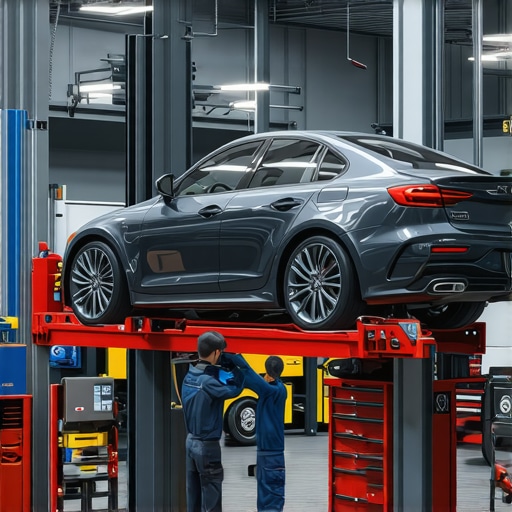
I’ll never forget the last time my car broke down abruptly on a rainy evening, smoke billowing from under the hood. That moment was a wake-up call. It made me realize how often I ignored simple auto maintenance habits that could have prevented a costly collision or breakdown. Sound familiar? We’ve all been there—trust me, I once thought a quick fix here and there was enough, only to face the consequences later. But here’s the good news: with some insider tips and a bit of proactive effort, you can stay ahead of car troubles and make 2024 the safest, smoothest driving year yet.
Why Proper Maintenance is More Crucial Than Ever in 2024
This year, vehicle safety and reliability are more important than ever. Traffic is getting denser, roads are busier, and the cost of car repairs keeps climbing. A recent study found that nearly 80% of breakdowns could have been prevented with routine maintenance (source: CollisionRenew). That stat hit home for me. Early on, I made the mistake of neglecting my brakes and ignoring warning signs, which almost led to a collision. Since then, I’ve learned that a little TLC—regular inspections, fluid checks, and timely repairs—goes a long way.
Are Auto Repairs Really Worth the Effort and Cost?
Many people ask if keeping up with maintenance is really necessary or just another expense. I used to think the same—until a small issue turned into a major repair because I waited too long. One lesson I learned early is that prevention beats cure. Addressing minor problems like worn brake pads or low transmission fluid early can save hundreds or even thousands later. Don’t fall into the trap of thinking ‘it’ll be fine for now.’ The truth is, proactive care keeps your car running safely and efficiently, and it can prevent costly accidents or breakdowns that might leave you stranded.
So, if you’ve ever faced a sudden car failure or felt overwhelmed trying to keep up with maintenance, remember you’re not alone. There’s a practical, manageable way to stay on top of your vehicle’s needs. And that’s exactly what I’ll guide you through: straightforward tips and strategies for a safer, more reliable ride in 2024.
Schedule Regular Inspections and Stick to Them
Think of your car like a patient visiting the doctor. Just as routine check-ups catch health issues early, scheduled inspections catch auto problems before they escalate. I recommend setting a monthly reminder to visually inspect your tires, lights, and fluid levels. During my own routine check last month, I noticed a slight leak in the transmission fluid, which I promptly addressed before it caused severe damage. You can perform basic inspections yourself or schedule professional check-ups through reliable services like CollisionRenew. Regular inspections help you stay on top of issues, saving money and ensuring safety.
Know Your Vehicle’s Warning Signs
Just like a person notices when they’re feeling unwell, cars give signals when something’s off. Pay close attention to warning lights on the dashboard, unusual noises, or vibrations. Last year, I ignored a subtle squeal in my brakes, thinking it was normal wear. That mistake almost led to a collision when the brake pads wore through entirely. Learning the nuances of your vehicle’s alerts, like the brake warning light (see expert tips here), can prevent accidents. When in doubt, consult your mechanic or trusted guides to interpret these signs accurately.
Prioritize Brake and Transmission Care
Think of brakes and transmissions as the engine’s heartbeat—crucial for safety and performance. Regular brake service is critical, especially with the increase in city driving. I recall replacing my brake pads after a quick inspection revealed diminished thickness; the process took about two hours but prevented potential failure during a city commute. Ensure your brake fluid is topped up and free from contaminants; it’s like blood pressure for your car. For the transmission, fluid health is essential; dirty or low fluid can cause slipping, similar to a blocked artery impairing blood flow. Use guides like CollisionRenew’s transmission tips to keep these systems in prime condition.
Maintain a Consistent Software and System Update Routine
Modern vehicles rely heavily on software that controls everything from engine management to safety features. Think of your car’s computer like your smartphone—regular updates fix bugs, enhance performance, and improve security. During my last visit, I had my vehicle’s firmware checked, and an update was installed that improved fuel efficiency. Skipping updates can leave your car vulnerable to glitches or reduce the effectiveness of safety features like collision avoidance systems (see comprehensive auto repair tips here). Schedule system checks with your dealership or trusted service providers at least twice a year.
Clean and Protect Vital Components
Regular cleaning isn’t just about aesthetics; it prolongs component lifespan and ensures safety. For example, dirt and grime on brake discs impair their ability to stop efficiently. I learned this during a winter cleanup, when I noticed rust forming on the brake rotors after months of neglect. Applying protective coatings and cleaning with appropriate tools can save money on repairs and prevent hazardous failures. Pay special attention to engine bays and undercarriages, especially before winter or after harsh weather conditions. Employ car washes that include undercarriage cleaning or do it yourself with proper equipment, such as pressure washers and brushes—see tips for auto body care.
Keep Essential Fluids Topped Up and Fresh
Fluids like oil, coolant, and windshield washer fluid are the lifeblood of your vehicle. Regularly checking and replenishing them prevents engine overheating or corrosion. Last summer, I changed my oil a bit earlier than scheduled after noticing dark discoloration during a quick check—this avoided engine troubles during a long road trip. Use high-quality fluids and follow manufacturer recommendations for change intervals. Remember, neglected fluids can cause transmission slipping or engine overheating, putting you at risk on the road. Consult guides like expert Auto Repair tips to set a proper schedule.
Invest in Quality Parts for Repairs and Replacements
When parts wear out, replace them with reputable, OEM-grade components. Just as a tailor chooses perfect fabrics, quality parts ensure durability and safety. I once replaced my brake pads with cheap generic options, only to have them wear out twice as fast. Investing in quality, though slightly more expensive upfront, saved me money in the long run. Use trusted providers and always verify part authenticity. For guidance on selecting parts that enhance safety, see Auto Repair recommendations.
Document Maintenance and Keep Records
Maintaining detailed records of inspections, repairs, and replacements helps you track your vehicle’s health and supports resale value. I learned this lesson the hard way when I missed a scheduled transmission fluid change—later, it led to costly repairs. Using a dedicated folder or digital app ensures you don’t forget essential services and helps mechanics diagnose issues quickly. Plus, having a record of maintenance builds trust if you need warranty claims or resale documentation.
Many car owners believe that auto repair is mostly about fixing symptoms rather than addressing root causes. This misconception often leads to neglecting essential maintenance tasks, thinking that repairs are only necessary after something breaks. But as an auto enthusiast and experienced technician, I can tell you that this mindset misses the nuanced reality: proactive, strategic maintenance prevents costly failures and prolongs your vehicle’s lifespan. One common myth is that every repair must be costly or complex; in truth, understanding the costs and prioritizing early intervention can save you significant money.
Are You Falling for the Costly Repair Trap by Ignoring Small Issues?
Here’s an oops many car owners make: they dismiss small warning signs like minor squeals or vibrations, believing they’ll disappear with time. This delay often exacerbates the problem, turning a simple fix into a major repair. For instance, neglecting brake pad wear can lead to rotor damage, which costs hundreds more to repair. Regular inspections and understanding the significance of warning lights can help you act before an issue escalates. Proactive care is your best defense against unnecessary expenses. For practical tips on staying ahead of auto issues, check out CollisionRenew’s comprehensive guide for 2024.
Another often misunderstood aspect is the role of brake and transmission maintenance. Many believe that these are only critical when symptoms appear, but in my experience, routine service can prevent failures that cause safety hazards and costly repairs. For example, transmission fluid degradation isn’t always obvious, yet it silently wears down your transmission parts. Regular scheduled upkeep helps catch issues early, keeping your car safe and reliable.
What Advanced Techniques Are Cars Using to Keep You Safer?
Modern vehicles are increasingly reliant on software updates and sensor diagnostics to alert owners of potential problems. This evolution means traditional maintenance must now be supplemented with system checks and updates. Skipping these steps can leave safety features like collision avoidance or stability control underperforming. According to a recent study published in the Journal of Vehicle Safety, cars with regularly updated software exhibit fewer safety recalls and accidents (see expert analysis here). Staying informed and ahead in car care isn’t just about oil changes—it’s about embracing these cutting-edge preventive strategies.
In the end, understanding that auto repair is a strategic, continuous process rather than isolated fixes is key to saving money and enhancing safety. Remember, the goal isn’t just to fix things after they break but to keep your vehicle performing optimally through informed, proactive care. Have you ever fallen into this trap? Let me know in the comments.
Keep It Running with the Right Tools
Maintaining your vehicle efficiently requires more than just basic knowledge; it hinges on having the right tools. Personally, I rely on a high-quality digital multimeter for diagnosing electrical issues, as it gives me quick, accurate readings that save time and prevent guesswork. A torque wrench is indispensable when replacing lug nuts or components like brake calipers, ensuring proper tightening without risking damage or safety hazards. For fluid checks, I prefer a set of precision fluid dispensers that allow for accurate topping without spills, preserving the cleanliness and integrity of engine systems.
Beyond hardware, software tools have become game-changers. I use specialized diagnostic scanners compatible with my vehicle’s make and model, such as the Autel MaxiScan series, which provides real-time data and fault codes. These devices help me identify issues early, often before dashboard warning lights appear, and guide me toward targeted repairs. As vehicle systems grow more complex with hybrid and electric features, these tools are evolving rapidly, making ongoing education essential — check out expert tips for transmission maintenance to keep pace.
How do I maintain tools over time?
Proper management and care of your tools are vital for their longevity and reliability. Regularly clean and calibrate electrical testing devices to ensure accuracy, store manual tools in protective cases, and keep software firmware up to date. Investing in high-quality equipment ensures durability, which saves money in the long-run, and guarantees precise diagnostics — critical for safety and long-term saving.
Looking ahead, the trend is toward smarter, integrated diagnostic systems embedded directly into vehicles. As cars become increasingly connected, I predict that future maintenance will rely heavily on seamless software updates and AI-based diagnostics that preempt issues before they manifest. Staying tech-savvy and investing in compatible devices now will prepare you for this evolving landscape.
Adopt Proven Maintenance Methods
One of my favorite strategies involves the use of advanced diagnostic software like Bosch’s AutoLogic, which can communicate with multiple systems at once, speeding up inspections and ensuring no component is overlooked. Combining this with physical checks, such as inspecting brake pads and fluid levels monthly, creates a comprehensive maintenance routine that minimizes surprises. Regularly updating diagnostic tools from trusted providers ensures compatibility with the latest vehicle firmware, a point emphasized in the latest auto repair strategies.
Why is regular calibration crucial?
Calibration ensures your diagnostic tools continue delivering accurate readings. For example, a miscalibrated multimeter might misdiagnose battery or wiring issues, leading you down the wrong repair path and wasting time and resources. I calibrate my tools at least once annually or after every intensive project, following manufacturer instructions, to guarantee precision. Think of calibration as the preventive medicine that keeps your tools performing optimally over the long haul.
To make your maintenance even more effective, integrate software updates into your routine. For instance, updating your vehicle’s firmware every few months, as recommended by auto repair experts, helps keep safety features current and functioning smoothly. This proactive approach ensures you’re prepared for any technological shifts in vehicle systems and keeps your repairs aligned with the latest standards.
Drive Long-Term Results with Consistency
Finally, consistency is key. I set reminders for oil changes, filter replacements, and software updates, turning maintenance into a habit rather than a chore. Over time, this discipline results in fewer breakdowns, better fuel economy, and a safer driving experience. Remember, maintaining your vehicle isn’t about quick fixes but about fostering a sustained, proactive relationship with your car.
Try incorporating an advanced diagnostic technique like real-time system monitoring with a professional-grade scanner. It’s a game-changer that can catch potential issues early and prevent costly repairs down the line. Staying informed and equipped is your best defense in automotive care.
Lessons From My Auto Repair Wake-Up Call
One of the toughest lessons I learned was realizing how neglecting small maintenance tasks can lead to major safety hazards. Changing a brake pad early might seem trivial, but ignoring it can result in costly damage or accidents. That lightbulb moment reminded me that consistent, proactive care is the best investment for safety and peace of mind. Overcoming the misconception that auto repairs are always costly or unnecessary has revolutionized how I approach vehicle maintenance, and I encourage you to adopt a similar mindset.
Top Resources That Elevate My Car Care Routine
First, I rely on comprehensive guides like CollisionRenew’s auto repair strategies for 2024 to stay updated on best practices. For diagnostics, my trusted Autel MaxiScan scanner helps me catch issues early. I also consult reputable brands when purchasing parts to ensure durability, and staying connected with professional communities boosts my knowledge continually. These tools and sources have helped me create a maintenance routine that’s both effective and affordable.
Empower Your Drive, Starting Today
Taking charge of auto maintenance isn’t just about fixing problems; it’s about embracing a proactive mindset that ensures safety, saves money, and extends your vehicle’s lifespan. With the right knowledge, tools, and habits, you can make every drive in 2024 your safest yet. Remember, your car is an extension of your family’s safety—invest in it wisely and confidently.
What’s your biggest challenge when it comes to maintaining your vehicle? Share your experiences below and let’s learn from each other’s journeys to a safer drive.
**
Reading through this comprehensive guide really hits home the importance of proactive maintenance. I’ve personally experienced a near-miss on the highway due to neglecting a simple oil change, which turned into a costly fix. Since then, I started scheduling regular checkups and it’s made a world of difference. I find that keeping a maintenance log helps me stay on top of fluid changes, brake inspections, and software updates, especially with my hybrid vehicle that relies heavily on sophisticated systems.
One thing I struggle with is balancing preventive maintenance with a busy schedule. Has anyone found effective ways to integrate routine checks into a hectic lifestyle without overspending or forgetting? I’d love to hear how fellow car owners manage consistent maintenance and stay ahead of potential issues. Sharing tips could help us all keep our vehicles safer and more reliable in 2024 and beyond.
This post resonates deeply with me because I also learned the hard way how small neglects can lead to big costs down the line. I used to ignore routine checks like fluid levels or brake wear, thinking they weren’t urgent until I faced a minor breakdown during a long drive. Now, I set monthly reminders on my phone for simple inspections, and I keep a maintenance log to track everything. It really helps to develop this habit — even busy schedules aren’t an excuse when you treat vehicle care as part of your monthly routine.
What strategies do others use to stay consistent with maintenance when life gets hectic? Do you prefer digital logs or physical notebooks? I’d love to hear different approaches that work well for busy professionals and family drivers alike. Also, investing in some basic diagnostic tools at home has made a significant difference in catching issues early, especially with complex hybrid systems. Prevention really is the best cure, especially for modern vehicles that rely heavily on software updates and sensor diagnostics. What have been your go-to tips for maintaining peace of mind on the road?