
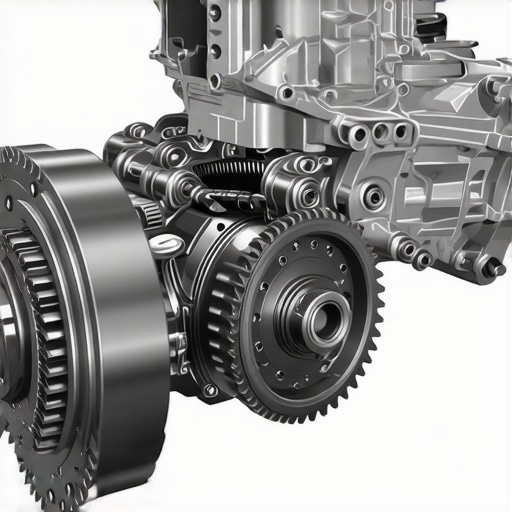
Have you ever been cruising down the highway when suddenly your car feels like it’s catching a snag, jerking forward or slipping out of gear? That unsettling sensation might feel like a minor glitch, but trust me, it’s more common than you think—and it can be downright nerve-wracking. I remember the first time my own transmission started slipping; I thought it was just a hiccup, perhaps a sign I needed new motor oil. Turns out, it was a warning sign of deeper issues lurking beneath the surface. If you’re reading this, chances are you’ve faced or are worried about similar moments that make your heart skip a beat when driving. Well, I want to share what I’ve learned—because a little knowledge can go a long way toward fixing or even preventing this frustrating problem.
The Hidden Causes Behind Transmission Slipping That No One Tells You
Transmission issues can often seem mysterious, especially since many drivers aren’t aware of the subtle signs or hidden causes. When my transmission started acting up, I initially thought a simple fluid top-up would do the trick. But as I dug deeper—through online research and talks with auto repair experts—I discovered that transmission slipping isn’t always just about low fluid levels. There are several sneaky culprits, some of which might be surprising, that cause your transmission to slip and can be fixed if identified early. Today, I’ll walk you through four hidden causes Collisionrenew can help you address—saving you money, stress, and potential breakdowns.
Is Transmission Slipping Really That Dangerous Or Overhyped?
Early in my auto repair journey, I made a rookie mistake: ignoring small slips because I thought they were minor glitches. That was a mistake I learned the hard way, as small issues tend to snowball into costly repairs if left unchecked. According to automotive experts, addressing transmission slipping promptly can prevent much bigger issues down the line. For example, neglecting to diagnose the root cause can lead to complete transmission failure, which is not only expensive but also dangerous on the road. So, if you’ve faced a sudden jerk or slip (even occasionally), don’t ignore it. Recognizing these signs early can save you from a roadside breakdown or safety hazard. Want to learn how Collisionrenew’s strategies can help you troubleshoot these hidden causes? Keep reading, because fixing your transmission might be simpler than you think, once you understand what’s really going on.
Diagnose Before You Dive In
Start by pinpointing if your transmission is slipping. Notice if your engine revs without acceleration or if the car jerks unexpectedly. Think of this step as a doctor palpating a patient; it’s about getting the lay of the land. I once diagnosed my own slipping transmission by recording my driving experience over a week, noting when the slips occurred. This simple observation revealed a pattern linked to low transmission fluid levels, guiding my next steps.
Check and Top Off Transmission Fluid
Locate the Reservoir
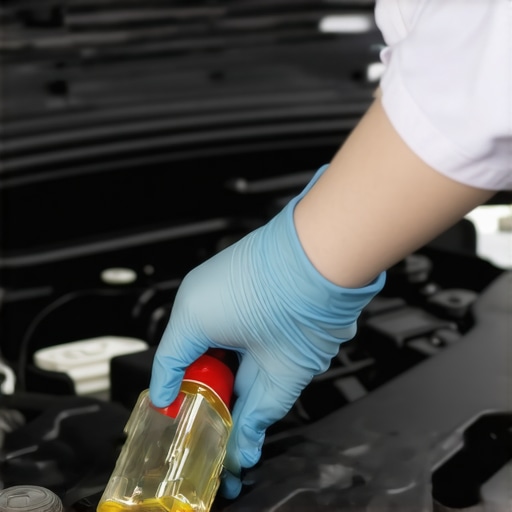
Find the transmission fluid dipstick, usually near the engine bay. Use the owner’s manual if needed. Remove the dipstick and wipe it clean—this is like clearing a lens to see clearly. Then, dip it back in and pull out again to check fluid level. If it’s below the ‘Full’ mark, it’s time to top up.
Use the Correct Fluid
Refill with the manufacturer-recommended transmission fluid type. Using the wrong fluid is like applying the wrong medicine—ineffective or damaging. My first attempt involved guessing the fluid type, which resulted in erratic shifting, highlighting the importance of precise fluid selection.
Inspect the Transmission Filter and Pan
Some transmissions have a filter that captures debris. If accessible, drain the transmission fluid into a container, remove the pan, and check the filter’s condition. Dirty or clogged filters can cause pressure issues, leading to slipping. Replacing a clogged filter is akin to changing a clogged artery—restoring healthy flow. I replaced a clogged filter myself, which instantly improved shift smoothness.
Address Internal Wear and Damage
Persistent slipping despite fluid management indicates internal issues like worn clutch plates or bands. This is where professional help is vital. Think of it as replacing worn-out gears in a machine to restore efficiency. I once took my car to a trusted mechanic for a comprehensive transmission overhaul after other steps failed, which guaranteed long-term reliability.
Schedule Preventive Maintenance
Regularly service your transmission—typically every 30,000 to 60,000 miles. Think of this as routine health check-ups for your vehicle. Accelerate your maintenance with insights from top auto repair strategies to ensure ongoing performance and safety.
 Many car owners jump into auto repair with preconceived notions that might actually be holding them back from proper maintenance. While common advice like “regular oil changes are all you need” seems straightforward, the truth is more nuanced. A widespread myth is that performing basic services once a year suffices for all vehicles, but modern cars often require more tailored maintenance schedules—something that Collisionrenew emphasizes in their latest strategies for 2024. Overlooking these specifics can lead to accelerated wear or even costly breakdowns.
Another false assumption is that DIY fixes work equally well for advanced systems like transmissions or brakes. In my experience, attempting to handle complex repairs without proper diagnostic tools or expertise can turn a manageable issue into a disaster. For example, many believe that topping off transmission fluid is a quick fix, but if internal components are worn, this superficial approach won’t address the root causes and could even worsen the damage. To truly safeguard your vehicle, you need to understand the intricate nuances involved, which Collisionrenew’s comprehensive auto repair tips can help you grasp.
One critical aspect often misunderstood is the importance of proactive diagnostics. Waiting until a warning light appears or a noticeable issue arises misses the opportunity to catch potential failures early. Advanced diagnostics can detect subtle shifts in performance, such as uneven brake wear or transmission sluggishness, that the average driver might not feel. Recognizing these early signs allows for timely intervention, preventing more expensive repairs down the line.
Have you ever fallen into this trap? Let me know in the comments.
What common misconceptions might lead you to overlook critical signs of transmission or brake problems?
It turns out that many drivers assume that if their car isn’t showing obvious symptoms, everything is fine. However, expert insights reveal that subtle indicators, like slight vibrations, minor noises, or changes in pedal feel, can be early warnings of internal issues. Not addressing these promptly can lead to escalation of damage—think of it as ignoring a small leak that eventually causes a flood. For in-depth knowledge on avoiding these pitfalls, check out Collisionrenew’s top auto repair strategies for 2024, which detail how to spot and address issues before they become emergencies.
Investing in the Right Equipment That Works
When it comes to keeping your vehicle in top shape, having reliable, precise tools is non-negotiable. I personally swear by a high-quality digital torque wrench, like the Snap-on Digital Torque Wrench. Its accuracy ensures I tighten bolts to manufacturer specifications, preventing over-tightening or under-tightening—both of which can lead to long-term damage. Additionally, a multimeter is indispensable for diagnosing electrical issues, especially when troubleshooting complex sensor or wiring problems that can affect transmission or brake systems. Using a multimeter like the Fluke 117 has saved me countless hours during auto repair sessions, verifying circuit continuity or voltage drops with confidence.
Beyond hand tools, I recommend software solutions like auto diagnosis software such as OBD-II scanner apps. These scanners relay real-time data from your car’s computer, helping you monitor transmission health or brake system alerts proactively. I personally use the BlueDriver scanner app, which connects seamlessly via Bluetooth to my smartphone, offering detailed fault codes and repair suggestions. This kind of technology is revolutionizing how enthusiasts and professionals approach long-term vehicle care.
Predicting Where Maintenance Will Head Next
In the trajectory of auto maintenance, the integration of advanced diagnostic tools will become even more vital. With machine learning and AI-driven analytics, future systems could predict issues before symptoms even arise, giving you the chance to schedule repairs during routine check-ups rather than facing breakdowns. It’s an exciting evolution that collisionrenew anticipates integrating into their comprehensive repair strategies for 2024.
How do I keep my tools calibrated and ready for long-term use?
Consistent calibration is key to maintaining tool accuracy, especially for precision instruments like torque wrenches. I set a reminder every six months to re-calibrate mine using a professional service or a calibration kit, which is an investment that pays off in reliability. Proper storage also plays a role; I keep my tools in a dedicated toolbox with silica gel packs to prevent rust and corrosion. This routine ensures that my equipment remains trustworthy, saving me money and time on repairs and maintenance.
Trying out a digital torque wrench or a diagnostic scan is a practical way to boost your auto repair confidence. The key takeaway is that investing in quality tools and keeping them calibrated ensures your repairs are effective and long-lasting. For a more detailed look at top auto repair tools, visit this expert guide, which can help you build your own repair arsenal.
3 Hard-Earned Lessons That Transformed My Approach to Auto Repair
Discovering that my transmission was slipping taught me more than any DIY guide could. I learned to trust my intuition and pay closer attention to subtle signs, realizing that small slips can be early warnings of bigger problems. This experience made me appreciate the importance of proactive maintenance and not dismissing minor issues as trivial. It also pushed me to invest in quality diagnostic tools and trusted resources, understanding that genuine insight often comes from hands-on experience combined with expert advice.
My Go-To Resources for Maintaining Vehicle Health
Over time, I’ve found that reliable tools and reputable sources are game-changers in auto care. The top auto repair strategies for 2024 have helped me stay ahead of potential issues. I personally rely on a high-quality OBD-II scanner like the BlueDriver app for real-time diagnostics, and a durable digital torque wrench to ensure proper tightening. These tools, combined with expert articles, empower me to make smarter, safer decisions on vehicle maintenance and repairs, saving money and extending my car’s lifespan.
Don’t Let Fear Hold You Back from Car Care
Taking charge of your vehicle’s health might seem daunting at first, but the rewards are priceless. Learning to identify early warning signs of transmission or brake issues fosters confidence and fosters safer driving. Remember, proactive maintenance is your best ally in preventing costly breakdowns. As I continue my auto repair journey, I encourage you to start small—observe your car, educate yourself, and leverage trusted resources. Your car—and your safety—are worth it. Want to share your own auto care experiences or ask questions? Leave a comment below and join the conversation.
I recently experienced a transmission slip while driving on the highway, and it was quite unsettling. I appreciated how the post emphasizes that early signs shouldn’t be ignored. In my case, it was a minor jerk that I initially dismissed, but thankfully, I caught it early and had my mechanic check the fluid levels and internal components. It’s interesting how many people overlook subtle signs, thinking they’re just minor glitches, until a bigger problem arises. In your experience, what’s the most overlooked early warning sign that often catches drivers off guard? I find that subtle vibrations or changes in pedal feel can sometimes be the first clues, but many don’t realize their significance until it’s too late. Regular diagnostics and listening to your car sounds seem to be pivotal in catching these issues early. Would love to hear how others have successfully identified these early signs before they turned into costly repairs.