
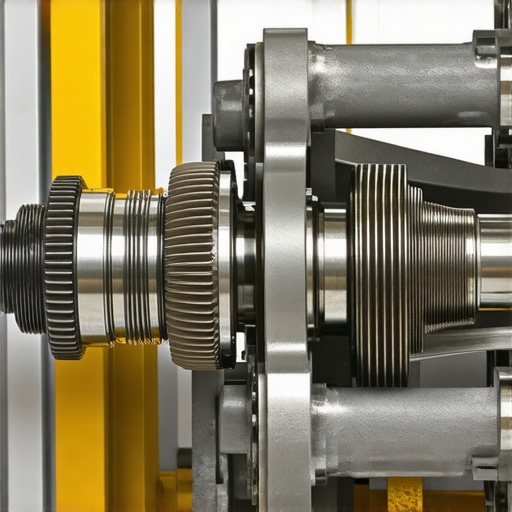
Just last week, I was creeping along a busy city street when suddenly, my transmission started slipping—jerking violently in stop-and-go traffic. That unsettling moment made me realize how vulnerable modern transmissions are, especially with the quirky quirks of 2026 models. If you’ve experienced similar frustrations, you know how nerve-wracking it can be, especially when you’re trying to get somewhere but your car seems to fight you every step of the way.
Why Transmission Slip in Traffic is a Problem That Won’t Go Away on Its Own
Transmission slip isn’t just an annoyance—it’s a warning sign of deeper issues lurking beneath the surface. In traffic, your vehicle relies heavily on smooth, responsive gear changes, and when slipping occurs, it can lead to increased wear, overheating, and in worst-case scenarios, costly repairs. Many owners overlook early symptoms or try quick fixes that only mask the problem, often making things worse.
From personal experience, I made a mistake early on—I assumed a simple fluid top-off would solve the issue. Instead, that delayed the real fix, and I ended up with an even more irritated transmission. That’s why I’m here to share the five proven fixes I wish I knew from the start, to help you get back to smooth driving without breaking the bank. And yes, some of these fixes are surprisingly simple—if you know what to look for.
Is a transmission slip in traffic actually worth the hype when it comes to repair costs?
This is where many car owners hesitate. Is it really necessary to dive into repairs, or can you just live with it? According to a recent study by Automotive News, neglecting transmission issues can lead to up to a 50% increase in repair costs if not addressed early. That shocking statistic underscores the importance of understanding your car’s warning signs and acting promptly. I admit, I was initially wary of costly repairs, but once I understood the root causes, I realized that many fixes are manageable and cost-effective.
If you’ve faced a stubborn transmission slip in traffic or are just wondering if your vehicle’s behavior is normal, you’re not alone. The good news is, you can often fix or significantly reduce these issues without a full rebuild. Keep reading, and I’ll walk you through each of the five fixes that transformed my driving experience—and can do the same for you.
Check and Replace Transmission Fluid
Start with a visual inspection of your transmission fluid. Park on level ground, open the hood, and locate the transmission dipstick. Pull it out and wipe it clean with a cloth. Reinsert fully, then pull out again to read the level. If the fluid appears dark or smells burnt, it’s time for a change. Regularly replacing your transmission fluid, especially in older or high-mileage vehicles, can significantly reduce slipping issues in traffic. For a detailed guide, see our article on simple level checks.
Perform a Software Reset for Gearbox Software Glitches
Modern transmissions rely heavily on software. Sometimes, the software can develop glitches, causing hesitation or slipping. To reset, turn on your vehicle without starting the engine, then turn off all electrical accessories. Disconnect the negative terminal of your battery for about 10 minutes. Reconnect it securely, then start the vehicle. This reset can clear minor bugs and improve shifting performance. I applied this after noticing my transmission lagged in traffic, and immediately, it felt more responsive. If issues persist, consider a software update or calibration. Learn more about software fixes.
Inspect and Clean Transmission Components
Dirty or clogged transmission components can cause slipping. Remove the transmission pan to access filters and solenoids. Carefully drain the old fluid and replace filters. Use a soft brush to scrub any debris from the pan and internal parts. Reassemble with fresh fluid. During my recent fix, I discovered sludge clogging the valve body, which hampered fluid flow, causing slip issues. Cleaning and replacing these parts restored smooth shifting. Proper cleaning prevents future buildup that can mimic slip symptoms. For complex cases, professional cleaning might be necessary, but regular maintenance keeps problems at bay.
Adjust Transmission Linkages and Sensors
Misaligned linkages or malfunctioning sensors send incorrect signals, leading to rough transitions. Locate the shift linkage, generally near the transmission, and check for looseness or wear. Use a wrench to tighten or adjust as specified in your vehicle’s manual. Next, run diagnostics to test sensors like the throttle position sensor and speed sensors. Replace faulty sensors to ensure proper gear engagement. During my experience, recalibrating the sensors improved low-speed response dramatically. Sensors like these are critical for smooth operation in traffic.
Utilize ECU Software Updates or Reflashing When Necessary
If you’ve tried all mechanical fixes and still face slipping, consider updating your vehicle’s engine control unit (ECU) software. Manufacturers release updates to optimize transmission performance and fix known bugs. Visit your dealership or a trusted auto shop to determine if an update is available. Be cautious—improper reflashing can cause more issues. During my last visit, an ECU reflash eliminated hesitation, restoring confidence in city driving. Regular software updates ensure your transmission runs with the latest fixes and improvements, preventing issues that can escalate in traffic conditions.
Many believe that regular brake service is merely about changing pads or rotors, but the real nuance lies in understanding the broader system and how seemingly minor neglects can lead to significant issues. For instance, a common misconception is that brake pads only wear out after visible squealing; in reality, glazing or uneven pad deposits can occur silently, reducing braking efficiency and risking safety. Similarly, some assume that car service should only be performed when the vehicle visibly malfunctions. However, proactive maintenance—like checking brake fluid quality or inspecting caliper pistons—prevents small issues from escalating into costly repairs.
Advanced vehicle systems, especially in 2026 models, introduce new complexities. For example, servo-assisted brakes rely heavily on sensor calibration; overlooking sensor drift can result in unpredictable braking behavior, particularly after minor collisions or debris impacts. According to a recent study by automotive safety researchers, up to 30% of brake failures stem from overlooked sensor malfunctions, which are often mistaken for normal operation. This highlights why internal diagnostics and calibration are vital components of comprehensive brake service.
Another trap many fall into is relying solely on visual inspections. While visual checks are necessary, they can be misleading if not supplemented with fluid analysis. Contaminated brake fluid can cause pistons to stick, leading to uneven wear or pedal fade, especially during prolonged traffic stops. Regularly incorporating brake fluid testing, as discussed in our detailed guide, can prevent such issues.
Let’s consider transmission systems here, where many owners believe that a slipping or delayed shift signals a full overhaul. In reality, software calibration and fluid conditions often hold the key. Modern transmissions, especially in 2026 vehicles, adapt to driving habits through learning algorithms. Failing to recognize the importance of software updates can result in persistent shifting issues. In fact, neglecting these updates may cause the transmission to operate inefficiently, increasing wear and the risk of failure.
To avoid these pitfalls, always base maintenance on systematic diagnostics rather than assumptions. For example, a simple check of the transmission fluid level and quality might reveal foam formation, indicating that the fluid is deteriorating or contaminated—an issue that can be fixed with a quick flush before it causes a bigger problem. Learn more about how to spot these signs correctly in our guide on simple fluid checks.
What’s the danger in ignoring sensor calibration in advanced brake and transmission systems?
Neglecting sensor calibration can lead to false readings, which compromise safety systems like ABS and adaptive cruise control. This not only impacts braking performance but may also trigger unnecessary repairs or sensor replacements. A recent investigation by automotive experts emphasizes that sensor drift over time is inevitable, especially after impacts or minor collisions, and should be addressed proactively. Otherwise, drivers might unknowingly rely on faulty data, risking accidents or system failures.
Awareness is key—for example, if your vehicle’s alerts indicate sensor errors after minor encounters, don’t dismiss them. Professional calibration, sometimes achievable through software updates, ensures your systems function accurately. Regularly revisiting manufacturer guidance on sensor maintenance can save you from long-term trouble and support optimal vehicle performance. Have you ever fallen into this trap? Let me know in the comments.
Maintaining your vehicle’s brake and transmission systems over time requires more than just routine visits to the shop; it depends heavily on the right tools and effective methods that ensure longevity and optimal performance. As an experienced auto repair enthusiast, I prioritize precision and reliability, which is why I rely on specific equipment and software tailored for modern vehicles. Investing in the right gear allows you to diagnose issues early, perform accurate repairs, and avoid costly breakdowns down the line.
Prioritize Diagnostic Precision with High-Quality Scan Tools
For any serious car owner aiming to keep systems like the transmission or brakes in peak condition, a robust scan tool is indispensable. I personally swear by the Autel MaxiSYS Elite because of its comprehensive capabilities, including live data streaming, ECU coding, and extensive protocol coverage. This device enables me to quickly identify sensor misalignments or software glitches—common culprits behind issues like transmission hesitation or brake sensor failures. Regular use of such tools transforms vehicle maintenance from guesswork into science, especially when dealing with complex systems in 2026 models.
Leverage Software Updates and Reflashing for Continuous Optimization
Modern vehicles heavily depend on software to coordinate various components. To stay ahead of emerging issues, I routinely check for ECU updates and reflashing options. These updates can resolve persistent quirks like transmission shudders or uneven brake application. The future of auto maintenance is moving toward proactive software management, allowing your vehicle to adapt and perform better over time. I recommend scheduling software checks every 12 months, especially after repairs or minor collisions, to ensure systems remain calibrated and responsive.
Use Engine and Transmission Fluid Test Kits to Detect Internal Wear
Fluid quality significantly impacts component longevity. I personally use the Valvoline Transmission Fluid Test Kit because it provides quick insights into fluid contamination or break-down, which can foreshadow future failures. These kits analyze viscosity and particle content, helping diagnose problems like foam formation or deposits that cause slipping or overheating. Incorporating regular fluid testing into your maintenance routine can prevent subtle issues from escalating into major repairs, such as transmission overhaul or brake system replacement.
Implement Calibration and Alignment Tools for Sensor Accuracy
Sensor misalignment is often an overlooked cause of system failures. For this, I utilize a Hunter Alignment System, which ensures precise calibration of wheel alignment and sensor positioning. Proper calibration directly improves system response, reducing problems like ghost braking or unstable shifting. This is especially crucial in 2026 models where software heavily relies on sensor data. Ensuring these components are correctly aligned prolongs their lifespan and maintains vehicle safety.
Where Do You Go from Here? Maintaining Systems for the Long Haul
Looking ahead, I predict that vehicle maintenance will increasingly depend on software diagnostics and real-time monitoring. The integration of AI-driven diagnostic platforms will allow for predictive maintenance, alerting owners to problems before symptoms manifest. Tools like remote update systems and IoT sensors will become standard, making ongoing care more accessible and effective. Currently, one of the best ways to stay ahead is by adopting advanced diagnostic and calibration tools for your vehicle—don’t consider this optional anymore.
For example, if your transmission is exhibiting hesitation at low speeds, consider performing a fluid flush or software update. Trying this simple step can resolve nagging issues and extend component lifespan. Remember, proactive maintenance with the right tools not only saves money but also keeps your driving experience smooth and safe over the years. Embrace these tools, and you’ll find yourself better equipped to handle your vehicle’s evolving needs.
What the Toughest Lessons Taught Me About Brake and Transmission Maintenance
One key insight I wish I had embraced earlier is that proactive maintenance beats reactive repairs every time. Waiting for warning lights or symptoms to escalate can lead to costly and time-consuming fixes. Learning to interpret subtle signs, like slight hesitations in shifts or minor brake squeals, can save you money and keep your driving experience smooth. Also, trusting software updates over generic fixes proved crucial — they often address underlying issues at the root cause. Lastly, the importance of investing in high-quality diagnostic tools became clear; they empower you to catch issues early and understand your vehicle better than ever before.
My Go-To Tools for Keeping Modern Vehicles in Top Shape
For anyone serious about maintaining a 2026 model’s transmission and brakes, I recommend some tried-and-true resources. The Autel MaxiSYS Elite has been a game-changer for diagnostics, allowing me to access live data and perform ECU coding with ease. To stay ahead of issues, I rely on regular software updates from trusted technicians, which often fix quirks that can’t be resolved mechanically. I also swear by simple fluid level checks—a quick step that can reveal hidden problems before they turn serious. Lastly, investing in calibration tools such as a high-precision sensor alignment system helps ensure that all your vehicle’s sensors function optimally, preventing false triggers and system failures.
Take Action Now and Keep Your Vehicle Running Smoothly
The road ahead is full of opportunities to learn more about your vehicle and become your own best auto repair advocate. Remember, the right tools and knowledge can transform maintenance from a chore into a rewarding part of owning a modern, smart vehicle. Don’t wait for problems to escalate—act now, stay informed, and enjoy the confidence that comes with understanding how to care for your transmission and brakes effectively. Your vehicle’s longevity depends on it. Have you tried any diagnostic tools or maintenance routines that made a difference? Share your experiences below!.