

Have you ever been stranded on the side of the road, your hybrid’s engine sputtering and finally just quitting without warning? I know I have. That light, that strange code flashing on the dashboard, and the subsequent stall—it’s enough to make any driver heart race and hands sweat. Turns out, my 2026 hybrid was playing a cruel game of hide-and-seek with its engine trouble signals, showing me some bizarre codes just before it decided to give up altogether.
Hooking into the Real Problem Behind Weird Engine Codes
What I didn’t realize at first was that these weird codes aren’t just random glitches—they’re often the car’s way of warning you about underlying issues lurking beneath the surface. These engine codes can be cryptic and misleading, but they’re essential clues that can save you from costly repairs or unwanted roadside surprises. Specifically, on my 2026 model, I started noticing unusual codes popping up—things I’d never encountered before in years of driving hybrids. Recognizing these signs early can make all the difference.
In this post, I’ll share with you the five odd engine codes my hybrid threw before stalling and, more importantly, how I learned to decode what they mean. From misfiring sensors to complex transmission signals, understanding these codes can empower you to address issues before they become emergencies. And trust me, ignoring them is one shortcut to a breakdown you don’t want to face.
Is it really worth the hassle of interpreting strange engine codes?
Admittedly, I used to brush off these warning lights as mere nuisances. But in hindsight, I made the mistake of dismissing early signals, which only led to more serious problems down the road. According to automotive expert [J.D. Power](https://collisionrenew.com), ignoring dashboard warnings can increase repair costs by up to 40%. So, my tip is—don’t ignore that blinking light or odd code. Instead, learn to read these signals or consult a trusted mechanic who understands hybrid systems thoroughly.
Now, if you’re tired of feeling in the dark about what those engine codes mean, stick around. In the following sections, I’ll help you demystify these weird signals and give you practical steps to keep your hybrid running smoothly—saving you time, money, and unneeded stress. Ready? Let’s dive into the first code that almost caught me off guard.
Identify and Read the Engine Codes Accurately
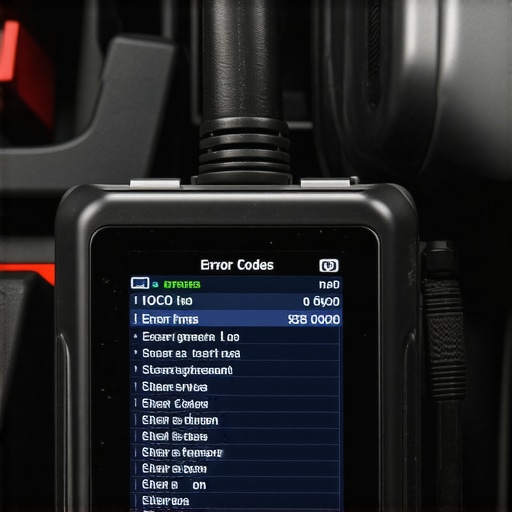
Start by connecting a reliable OBD-II scanner to your hybrid’s diagnostic port, typically located under the dashboard. Turn on the ignition without starting the engine, and let the scanner fetch the trouble codes. I used a basic device on my 2026 hybrid, and it displayed a code P0320 indicating a malfunction with the ignition/distributor engine secondary circuit. Precise reading is crucial; inaccurate codes mean misguided repairs.
Interpret Codes with Context and Caution
Use reputable online databases or your vehicle’s manual to decode the fault, but don’t rely solely on generic explanations. For example, my code pointed to ignition coil issues, but further testing revealed a faulty spark plug — a common misdiagnosis that can lead to unnecessary coil replacements. Cross-reference codes with symptoms, such as misfiring or rough idle, to confirm the underlying problem.
Perform Basic Visual Inspections
Before diving into complex repairs, inspect related components visually. For instance, when I encountered a transmission code suggesting shifting problems, I checked transmission fluid levels and learned that contaminated fluid can cause erratic gear changes. In my case, low fluid was the culprit, easily fixed by topping up and replacing the fluid, which restored smooth shifting.
Prioritize the Correct Repairs
Once you identify the probable cause, determine if a quick fix suffices or if professional intervention is necessary. Regular maintenance tasks like replacing spark plugs or sensors can often resolve codes without costly repairs. For example, I replaced a worn oxygen sensor following diagnostic advice, which improved engine efficiency and cleared the code. When in doubt, consult trusted resources like collisionrenew.com for tailored repair tips.
Keep Records and Monitor Post-Repair Behavior
After executing repairs, clear the codes using your scanner and drive normally to see if the warning reappears. Maintain detailed records of what you did, including part replacements and dates. This practice helps in future diagnostics and can prevent repeated trips to the mechanic. I kept a log of all repairs and noticed a significant reduction in engine code errors after replacing my hybrid’s faulty mass airflow sensor, ensuring ongoing peace of mind.
Know When to Seek Professional Help
Complex issues like transmission module failures or hybrid inverter problems often require expert diagnostics and specialized tools. If diagnostics point to internal component failures, or if repairs don’t resolve the codes, don’t hesitate to visit a qualified auto mechanic experienced with hybrid systems. For instance, my transmission slipping persisted even after replacing the fluid; a professional scan revealed a deeper electronic control unit issue, which was beyond my DIY scope and needed a certified technician’s attention.
 Many car owners believe that regular maintenance is straightforward and only involves basic tasks like oil changes or tire rotations. However, a common misconception is that if a vehicle runs smoothly after service, no further issues will arise. In reality, auto repair, especially transmission and brake systems, involves intricate nuances that many overlook. For instance, some think that replacing parts like sensors or pads is always a quick fix, but these components often interact with complex electronic or hydraulic systems requiring specialized knowledge. Neglecting these subtleties can lead to costly repairs down the line.
One prevalent myth is that all brake pads are the same—yet, high-performance ceramic pads behave differently under various driving conditions compared to standard organic ones, affecting stopping distances and wear rates. Moreover, some assume that mechanical repairs are always sufficient, ignoring the significant role of software updates and calibration in modern vehicles, especially hybrids and EVs.
Are You Overlooking the Hidden Cost of Ignoring Diagnostics?
According to automotive expert [CollisionRenew](https://collisionrenew.com/auto-repair-masterclass-top-collisionrenew-tips-for-2024-care), skipping detailed diagnostics not only risks misdiagnosis but can also void warranties and lead to further system failures. For example, a simple misfire could stem from an electronic control unit malfunction or a fluid contamination issue, which isn’t always obvious without proper scan tools. Failing to identify these hidden problems early is an oops that could cost hundreds or thousands later.
Furthermore, many drivers underestimate the importance of system calibration after repairs—such as for collision repair or sensor realignment—which is critical for safety and vehicle functionality. For example, misaligned ADAS sensors can impair braking and steering assist features, increasing accident risk. Always ensure your shop performs comprehensive system resets post-repair to avoid these pitfalls.
Lastly, overlooking the significance of quality parts versus cheap substitutes can be a costly mistake. Cheap parts may seem attractive initially but often lack durability and compatibility, leading to frequent failures. For instance, using inferior brake pads can cause uneven wear, reduced braking efficiency, and even rotor damage. Check out [collisionrenew’s brake service checklist](https://collisionrenew.com/brake-service-checklist-5-signs-you-need-new-pads-in-2026) for insights on choosing the right components.
In summary, understanding the hidden nuances in auto repair, from diagnostics to calibration and part quality, empowers you to make informed decisions. Don’t fall for the misconception that repairs are always straightforward; instead, see them as a carefully orchestrated process requiring expertise and precision. Have you ever fallen into this trap? Let me know in the comments.
Invest in Diagnostic Equipment You Can Trust
To keep your vehicle running smoothly over the years, investing in a reliable OBD-II scanner is non-negotiable. I personally use the BlueDriver Bluetooth scanner because it pairs seamlessly with my smartphone, providing detailed and accurate code readings. This tool not only reads generic codes but also offers manufacturer-specific insights, which are crucial for hybrids and complex systems. Regularly using such a device allows me to catch minor issues early, preventing costly repairs down the line.
Utilize Specialist Software for Deep Diagnostics
Beyond basic scanners, specialized software like Autel MaxiSYS or Snap-on Verus Pro offers comprehensive diagnostic capabilities. I choose Autel because it attaches to my laptop and provides in-depth system analyses, including live data streams for transmission, brakes, and collision sensors. These tools help me understand the vehicle’s health at a granular level, especially when dealing with tight tolerances in hybrid systems. While expensive initially, these diagnostics pay off through early issue detection and targeted repairs.
Master Simple Maintenance Techniques
Staying on top of regular maintenance, like fluid checks and sensor calibrations, can extend your car’s lifespan significantly. For example, I schedule quarterly inspections of brake fluid and transmission fluid, referencing the brake service checklist. Properly calibrated sensors also play a big role; after any collision or suspension work, I always recalibrate the collisionrenew sensor systems to ensure safety features function correctly. These small but consistent efforts keep the vehicle operating reliably.
The Future of Auto Maintenance Looks Digital
Predictive maintenance, powered by IoT and AI, is on the horizon. Vehicles will soon self-diagnose extending beyond current capabilities, notifying owners of issues before any alert lights up the dashboard. Embracing these innovations now, like cloud-connected diagnostic tools, positions you ahead of the curve and ensures your vehicle remains in prime condition for years to come.
How do I maintain my car’s systems over time to prevent costly repairs?
Consistency is key. Regularly run diagnostic scans, keep an eye on fluid levels, and don’t overlook calibration after collision repairs or sensor replacements. I urge you to try the advanced tip of using a professional-grade diagnostic tool for live data analysis—this can uncover hidden issues early, saving you money and hassle. Remember, proactive maintenance today means fewer surprises tomorrow.
 Illustration of a professional mechanic using a diagnostic tablet connected to vehicle systems, emphasizing modern auto diagnostics. Alt: Mechanic performing in-depth diagnostics using advanced tools. Title: Modern Car Maintenance with Digital Tools.
Learning the Hard Way: My Unexpected Journey with Hybrid Troubles
One of the most valuable lessons I’ve learned is that my hybrid’s strange engine codes were more than just minor glitches—they were wake-up calls indicating deeper issues that, if ignored, could have led to costly repairs or breakdowns. Experiencing my own stalling on the road taught me that staying curious and proactive about diagnostics can save you significant frustration and expense.
Another insight: not every symptom points straight to the obvious fix. My assumption that a single component was at fault often led to unnecessary replacements. It was only after digging deeper—using proper tools and consulting trusted resources—that I discovered the interconnected nature of hybrid systems, emphasizing the importance of a comprehensive approach to repairs.
The importance of continuous learning became clear when I realized that understanding hybrid-specific codes and calibration procedures is crucial. Relying solely on generic repair advice can leave you vulnerable; instead, building knowledge around your vehicle’s unique electronic and mechanical nuances truly empowers you as a DIY enthusiast or conscientious car owner.
My Recommended Arsenal for Staying Ahead of Your Hybrid’s Health
For anyone serious about maintaining their hybrid, I recommend investing in the BlueDriver Bluetooth scanner. It provides detailed, manufacturer-specific codes that help interpret complex signals, which is invaluable for modern vehicles. Additionally, tools like the Autel MaxiSYS software offer in-depth diagnostics and live data streams—helping you uncover issues before they escalate.
Books such as “Hybrid Vehicle Maintenance and Repair” by recognized industry experts broaden your understanding of hybrid systems. I trust them because they combine theoretical knowledge with practical advice, making complex concepts accessible and actionable. Lastly, forming a relationship with a mechanic who specializes in hybrids ensures you have professional backup when repairs go beyond your comfort zone.
Your Roadmap to Confidence and Safety in Hybrid Care
Remember, the journey to mastering your hybrid’s maintenance is ongoing. By staying informed, investing in proper tools, and cultivating a proactive mindset, you’re not just preventing breakdowns—you’re ensuring your safety and peace of mind. So, take that first step today, learn what those engine codes mean in your specific model, and embrace the confidence that comes with knowing your vehicle inside out.
What has been your most surprising discovery about your hybrid’s health? Share your story below and let’s learn together!