
It started with a shudder. One morning, as I pulled out of my driveway, my car jerked violently, like a bad rollercoaster ride. My heart sank. I’d been through plenty of car troubles before, but this felt worse—like my transmission was giving up after only a few years. That feeling of helplessness hit hard; I didn’t want to shell out thousands for a rebuild or replacement. Honestly, I was at my wit’s end.
But then I had a lightbulb moment that changed everything. I realized that sometimes, the simplest fix is right in front of us—literally just a few bucks and a little patience. That’s when I discovered the potential of the $20 Fluid Fix for a Jerky Transmission. Today, I want to share my experience and help you avoid the costly repairs I almost fell for. If your car shudders, hesitates, or jerks during shifts, stick around. I promise, there’s hope—and it might just be a fluid change away.
The Truth About Transmission Clunkiness and Slips
Many drivers overlook the importance of proper transmission fluid levels and quality. When transmission fluid is degraded or low, it can cause those annoying jerks and sluggish responses I experienced. But here’s the kicker—most people don’t realize that a simple fluid refresh can often restore smooth shifting and extend the life of your transmission significantly. I learned this the hard way, making the mistake of ignoring early signs, which only worsened the problem over time.
Early on, I assumed I’d need a costly overhaul. Instead, I found that a trusted industry tip—sometimes called the $20 Fluid Fix—could be all it took to put my transmission back in shape. This involved draining, flushing, and replacing the fluid with just a few dollars’ worth of a quality fluid. The results? Instant improvement. If you’re skeptical, I get it. I was too—so I want to cover some common doubts and share what really works.
Is a Fluid Change Actually Worth the Hype?
Absolutely. In fact, neglecting fluid quality is one of the biggest mistakes I made at first. I initially thought a transmission fluid change was unnecessary or too complicated. Turns out, many drivers delay this simple step, ignoring the impact it can have on shifting smoothness and transmission longevity. Proper fluid maintenance can even prevent costly issues down the line, like slipping or overheating. It pays to act early.
For instance, I found out that in 2026 models, specific fluid issues can mimic transmission failure, but a quick fluid check and refill can often fix the symptoms. Want to learn the exact steps I followed? Keep reading, because next I’ll walk you through how I tackled my jerky transmission and how you can do the same—without breaking the bank or losing your mind.
Gather the Right Tools and Supplies
Before diving into the repair, gather a few basics: a bottle of high-quality transmission fluid (preferably the manufacturer-recommended type), a socket set, screwdrivers, a drain pan, and safety gloves. I learned this the hard way when I started without proper tools, causing unnecessary delays and mess. Having everything ready streamlines the process and minimizes frustration.
Locate and Access the Transmission Pan
Park your car on a flat surface, turn off the engine, and set the parking brake. Find the transmission pan underneath your vehicle—it’s usually a rectangular metal pan with bolts around its edge. Jack up the car if necessary and secure it with jack stands for safety. Carefully remove the bolts, starting from one corner, allowing the fluid to drain into your pan. Use an old towel or rag to catch any drips. This step is crucial; I once underestimated the amount of fluid and made a mess, but taking it slow saved me time later.
Drain and Replace the Fluid
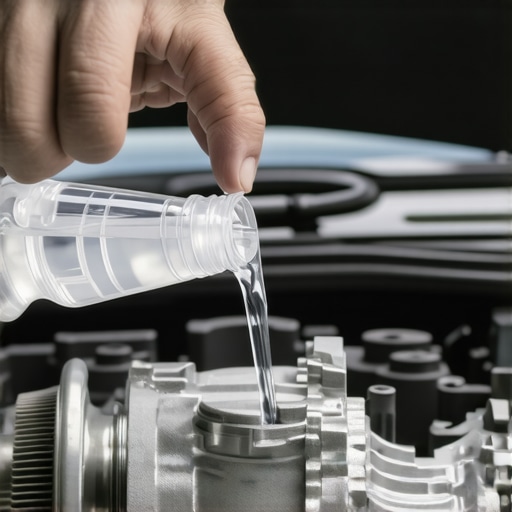
Once the pan is removed, clean the magnet and inside of the pan to remove metal shavings or debris. Replace the drain plug or gasket if needed. Fill the transmission with the new fluid, pouring slowly to avoid spillage. For my vehicle, I used a funnel and a piece of tubing to reach the fill port comfortably. Be sure to fill it to the indicated level, using your owner’s manual as a guide. This ensures your transmission isn’t over- or under-filled, which can cause further issues.
Reassemble and Test Drive
Reattach the transmission pan with new gasket or sealant, tightening bolts in a crisscross pattern to ensure even pressure. Lower the vehicle if lifted, start the engine, and shift through all gears slowly—park, reverse, drive, etc.—to circulate the new fluid. Check for leaks or unusual noises. During my first try, I noticed a slight leak, which prompted me to reseat the pan tighter. Test driving confirms whether the jerks and hesitations are gone, like they were for me after this simple fix.
Benefits and Precautions
This fluid replacement can significantly reduce transmission jerks, slipping, or shifting irregularities. Remember, if your transmission fluid smells burnt or turns dark quickly, a simple flush might not suffice, and a professional diagnosis could be necessary. For complex or persistent problems, consider consulting experts or exploring other causes like faulty sensors or software glitches, as discussed in these advanced fixes.
Myth: All Auto Repair Is Basic Maintenance
Many drivers believe that engine oil changes and tire rotations are all the maintenance their vehicle needs. While these are essential, they miss subtler issues like transmission fluid degradation or frame misalignment that can lead to major repairs down the line. Overlooking these nuances often results in costly fixes later, especially with advanced systems like 2026 models integrating AI diagnostics, which can misinterpret sensor data if not properly maintained (see how AI diagnostic gaps impact repairs).
Common Trap: Relying Solely on Warning Lights
Many assume that a warning light indicates the exact problem, but this can be misleading. Modern vehicles, especially those with sophisticated electronic systems, may trigger a warning for the wrong reason, such as a faulty sensor mimicking a transmission failure (sensor faults that mimic failure). Ignoring the nuanced signals can lead to unnecessary repairs, or worse, missing a critical issue that requires professional intervention.
Going Beyond the Surface with Advanced Repairs
Understanding the city’s underground infrastructure can be as complex as diagnosing modern car systems. For instance, a slight frame twist from a minor collision may not be visible but can cause steering or lane assistance malfunctions (frame twists affecting sensors). It’s crucial for mechanics to look beyond surface damages and address hidden underlying problems, especially as vehicle technologies evolve rapidly.
If you think all repairs are straightforward, think again
For example, brake service isn’t just about replacing pads; misaligned rotors or subtle caliper issues can persist, causing pulsation or squeal even after a brake job (brake fade post-repair). Moreover, with the advent of smart braking systems, calibration becomes crucial to avoid ghost signals or false alarms, heightening the need for expertise and nuanced understanding. Remember, the details often determine whether your repair will last or need redoing.
What happens when advanced systems fail silently
Surprisingly, many vehicle issues originate from software miscalibrations or sensor misalignments that don’t trigger warning lights but degrade performance over time. For example, lane departure systems or adaptive cruise control might drift out of proper calibration after minor impacts or even temperature fluctuations (sensor drift fixes). Recognizing these subtle signs can save you from dangerous driving conditions and costly diagnostics.
In conclusion, the secret to effective auto repair lies in understanding the layers beneath the visible. Never settle for surface fixes when your vehicle’s true issue could be hidden in the complex interplay of sensors, software, and structural nuances. Stay informed, ask questions, and seek professionals who look beyond the obvious. Have you ever fallen into this trap? Let me know in the comments!
Invest in Precision Tools for Lasting Results
When it comes to maintaining your vehicle, using the right tools can make all the difference. My personal favorite is a high-quality digital inspection camera, which I use to peer into tricky components like the transmission pan or behind the dashboard without dismantling everything. This device, paired with a portable multimeter, allows me to diagnose sensor issues swiftly, especially since many 2026 vehicle models rely heavily on electronic diagnostics.
Master the Art of Fluid Management
Nothing beats a good fluid extractor for changing transmission or brake fluids efficiently. I prefer a pump-style fluid extractor because it minimizes mess and ensures accurate fluid removal. For refilling, I use a precision funnel with a built-in filter to prevent contaminants from entering crucial systems. Regularly replacing fluids with the recommended type, and following manufacturer guidelines, prolongs component life and prevents issues like the infamous brake pedal softening.
Adopt Software for Long-Term Monitoring
I’m a strong advocate for onboard diagnostic software that logs real-time data and alerts you to anomalies early. Platforms like Snap-On’s diagnostics tools and OBD2 apps sync with your phone or tablet, providing insights on sensor performance or fluid temperature trends. These tools are invaluable for catching problems before they escalate, especially with complex systems in modern vehicles. As the industry moves toward AI-driven diagnostics, staying ahead with software is becoming increasingly essential.
Plan for Consistent Maintenance
Establishing a routine maintenance schedule lets you track wear and identify potential failures early. I use a digital calendar reminder linked to my vehicle’s service manual to mark fluid changes, filter replacements, and sensor checks. Doing so, paired with inspection cameras, allows me to address issues like subtle software glitches proactively, reducing repair costs and downtime.
Future Trends in Auto Maintenance
Looking ahead, I predict that autonomous diagnostics and AI-driven predictive maintenance will revolutionize how we care for our cars. Vehicles will continuously report health status, and maintenance will shift from reactive repairs to proactive interventions. To stay ahead, I recommend investing in adaptable tools now, like compatible diagnostic scanners and remote monitoring apps, to prepare for this shift and extend your vehicle’s lifespan.
How do I keep my vehicle’s systems healthy over time?
One effective strategy is performing regular software calibrations and system resets, especially after minor impacts or software updates. For example, recalibrating your transmission’s adaptive shift points can prevent issues like hesitation or hunting. My tip? Try using the free recalibration tools supported by your vehicle’s manufacturer and integrate them into your routine maintenance. It’s a simple yet powerful way to ensure your car remains responsive and reliable for the long haul.

Sometimes, the most powerful auto repairs are surprisingly straightforward, rooted in the basics many overlook. My journey taught me that a humble fluid change can be a game-changer, especially when it comes to transmission health. I learned this by embracing the essentials and trusting time-tested methods, like the art of proper fluid maintenance. The key lesson? Never underestimate a small fix—sometimes, it’s all your vehicle needs to perform like new again.
Beyond the mechanics, I discovered that understanding your vehicle’s underlying systems fosters confidence and proactive care. My biggest takeaway? Knowledge empowers you to make better decisions, avoid unnecessary costs, and keep your car running smoothly for years. Whether it’s mastering the basics of fluid management or recognizing when to seek advanced diagnostics, every lesson I’ve learned reinforces that simple, consistent maintenance is your best ally.
Most importantly, I realized that car care isn’t just about fixing problems—it’s about building trust with your vehicle and respecting its complex design. A small investment in tools like a quality inspection camera or diagnostic app can reveal hidden issues early, preventing costly repairs down the line. Armed with this knowledge, you can face your vehicle’s needs head-on, transforming auto maintenance from a chore into a mindful practice of preservation and care.