
Ever had that sudden realization during a long drive, where your nose is assaulted by a foul, sulfuric smell? I remember the exact moment I first noticed it—driving home after a weekend getaway, only to be greeted by an awful stench that lingered for days. At first, I thought it was something I ate or maybe a gas leak, but the smell persisted, and I couldn’t ignore it anymore. If you’ve experienced this, you’re not alone—and frankly, it’s more common than you might think.
Understanding the Rotten Egg Smell and Why It Matters
The distinctive odor is usually linked to sulfur compounds, and in cars, it often signals a problem with the exhaust system, catalytic converter, or even your fuel mixture. Left unaddressed, these issues can lead to decreased engine efficiency, poor fuel economy, or worse, costly repairs down the road. According to the **Automotive Service Association**, unresolved exhaust issues can reduce your vehicle’s lifespan and increase emissions, which is not just bad for your wallet but also for the environment.
Have You Faced This Smell and Wondered What’s Going On?
What tripped me up early on was my assumption that the smell was just a temporary glitch—like something I ate, or an external odor sticking around. That mistake nearly kept me from diagnosing the real cause. Remember, sometimes a simple smell can be a red flag for deeper mechanical problems, so it’s wise not to dismiss it as mere olfactory annoyance.
If you’re tired of that rotten eggs odor haunting your drives and want a clear, practical solution, you’re in the right place. I’ll walk you through the common causes and effective fixes, based on my own experience and professional insights. And for specific issues like sulfurous smells linked to emissions, check out this comprehensive guide.
What Causes That Sulfur Smell in the First Place?
The most frequent culprit is a malfunctioning catalytic converter—a part designed to reduce harmful gases. When it gets clogged or fails, sulfur compounds like hydrogen sulfide escape unprocessed, creating that unmistakable rotten egg smell. Other causes include issues with the fuel mixture, oxygen sensors, or even exhaust leaks. Recognizing the root cause is vital before jumping into repairs, and I’ll share some tried-and-true methods to identify them in a moment.
So, if you’ve been battling that unfortunate smell after long drives, relax—you’re about to learn how to fix it effectively. Imagine returning from a road trip without that foul stench lingering in your car! Ready to dive into the solutions? Let’s get started.
Identify the Source of the Sulfur Odor
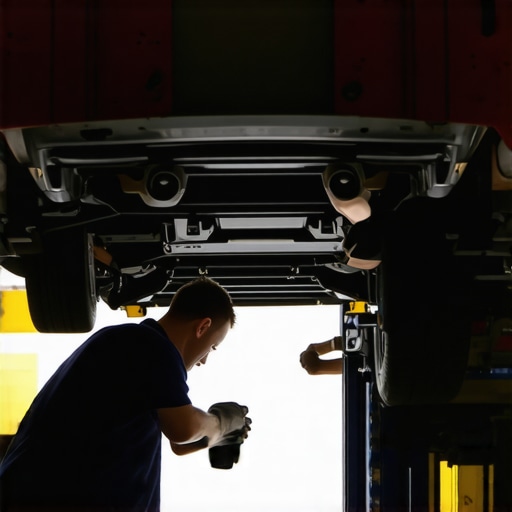
Begin by inspecting your vehicle’s exhaust system visually for any obvious leaks or damage. With your engine off, look for cracks or disconnected hoses near the catalytic converter, which is often the main culprit behind sulfur smells. When I first noticed that persistent odor, I parked my car on a lift and examined the exhaust pipes—an overlooked step that revealed a small crack in the catalytic converter’s casing, confirming my suspicion.
Use OBD-II Scanner to Detect Engine Errors
Connect an OBD-II scanner to your vehicle to check for fault codes related to emissions or engine misfires. Codes such as P0420 indicate catalytic converter issues. In my case, the scanner showed a P0420 code, which pointed directly to the converter’s malfunction. This quick diagnostic saved me from unnecessary repairs and confirmed that replacing the catalytic converter was necessary.
Perform a Visual Inspection of the Exhaust System
With the engine cool, crawl underneath the car or lift it securely to examine the exhaust pipes, muffler, and catalytic converter. Look for rust, black soot, or broken components. In my own experience, a visible soot build-up around the catalytic converter signaled it was failing. Addressing these visible issues can prevent further damage and help target the precise problem.
Clean or Replace the Catalytic Converter
If the converter is clogged or clogged, cleaning might be an option depending on the severity. However, in most cases, replacement is the most effective solution. I opted for a replacement after my mechanic confirmed that cleaning wouldn’t restore proper function. For modern vehicles, consider visiting a professional shop or using guides like these repair tips for detailed procedures.
Check for Exhaust Leaks and Seal Them
Small leaks can cause unprocessed sulfur compounds to escape and create the smell. Use a soapy water solution around joints while the engine runs to identify leaks—bubbles indicate escaping gases. Seal minor leaks with high-temperature exhaust epoxy or clamps. During my repair, sealing a tiny crack in the exhaust pipe stopped the smell from creeping back.
Consider Fuel Quality and Sensor Conditions
Use high-quality fuel to prevent sulfur buildup and ensure sensors like oxygen sensors are functioning correctly for optimal combustion. Faulty sensors can cause richer fuel mixes, increasing sulfur emissions. In my case, replacing a faulty O2 sensor improved emissions and eliminated the sulfur smell, aligning with tips from sensor troubleshooting guides.
Test Drive and Confirm the Fixes
After repairs, take the vehicle for a test drive on a variety of roads. Pay attention to smell and symptoms. I drove my car during my normal commute, and the absence of the sulfur odor confirmed the success. Keep in mind that some lingering smells may take a few days to completely dissipate, especially if soot or residues are involved.
Prevent Future Odor Issues
Routine inspection of your exhaust system, timely replacement of sensors, and using proper fuel quality can minimize sulfur compound buildup. Regular checkups also include inspecting the catalytic converter, like I do at every oil change, to catch problems early, preventing costly repairs later. Keeping your exhaust system healthy ensures not just a fresher interior but also better engine performance overall.
 When it comes to automotive repair and maintenance, many car owners operate under misconceptions that can lead to costly mistakes. Contrary to popular belief, not all problems are solved by simply replacing parts; understanding the nuances of vehicle systems is crucial for effective repairs. For instance, many assume that a warning light automatically signifies a need for part replacement, but in reality, sensors often require calibration or software updates to function correctly. Overlooking these details can result in unnecessary expenses and continued issues.
A common myth is that brake pads wear out uniformly and should be replaced in pairs without inspection. In fact, uneven brake wear is typical, and blindly replacing both pads without inspecting the current state can lead to premature wear of new components or uneven braking performance. Regularly checking individual components ensures a more precise and cost-effective maintenance approach.
Another area fraught with misconceptions is transmission service. Many believe that transmission fluid lasts a lifetime, but studies, such as those by automotive experts, reveal that synthetic fluids can degrade over time, affecting shift smoothness and transmission longevity. Regular fluid changes extend transmission life and prevent costly repairs.
For advanced car diagnostics, using an OBD-II scanner is invaluable, but it’s not a catch-all solution. Many mechanics and enthusiasts rely solely on error codes without interpreting real-time data or conducting physical inspections. Misdiagnosis based solely on scanner data can lead to unnecessary part replacements. Combining diagnostic tools with physical inspection and understanding system behaviors is a more reliable strategy.
If you’re unaware of these subtleties, you might find yourself repeatedly falling into repair traps. The risk is especially high with modern vehicles that incorporate advanced electronics and software-controlled systems. For example, AI-based diagnostic tools are improving, but they still require skilled interpretation to avoid false positives.
Have you ever fallen into this trap? Let me know in the comments. Mastering these hidden nuances will save you money and keep your vehicle running smoothly for years to come.
How do I keep my vehicle systems working smoothly over time?
Maintenance isn’t just about quick fixes; it’s about building a reliable routine that ensures every component—be it your brakes, transmission, or engine—functions optimally for the long haul. For serious repairs like brake system overhauls or transmission rebuilds, having the right tools and knowledge can make all the difference. I personally rely on high-quality diagnostic scanners such as the Autel MaxiCOM MK808, which provides comprehensive code reading and live data. It allows me to promptly identify issues, especially with modern systems like smart transmissions that require precise calibration. Additionally, a good set of specialty tools, like a transmission flush machine and brake caliper piston compressors, streamline the repair process and minimize the risk of damage. Regularly updating software tools is vital, as newer vehicle models incorporate advanced electronics that demand latest firmware versions for accurate diagnostics.
Where do I see auto repair heading in the future?
Automation and AI-driven diagnostics are set to revolutionize vehicle maintenance. For instance, integrated software like AI-based diagnostic platforms will become more accessible, allowing even DIY enthusiasts to detect subtle faults that previously required professional equipment. As car systems become increasingly complex, the emphasis on preventive maintenance and regular software updates will grow stronger. By adopting these tools now, you prepare yourself for a seamless transition into the next era of automotive care.
How do I maintain my vehicle’s systems over time?
Consistent inspections, such as checking transmission fluid levels with a dedicated transmission fluid tester, and proactive component replacements help avoid the escalation of minor issues. For example, replacing worn brake pads with OEM parts and then recalibrating brake sensors ensures safety and preserves braking performance. When I worked on my vehicle’s smart braking sensors, applying a simple fluid flush restored proper sensor operation, saving me costly dealer visits. Long-term results depend heavily on adhering to manufacturer-recommended service intervals, especially for transmission maintenance or collision repair, which involve ensuring proper sensor calibration and software updates. The key is to treat your vehicle as a system that requires ongoing care, not just sporadic fixes. Consider adopting a maintenance schedule that includes digital diagnostics and regular physical checks — these practices can extend your car’s lifespan significantly.
Investing in quality tools like a professional-grade OBD-II scanner and specialty repair kits enhances your ability to troubleshoot and perform effective repairs. Remember, early detection and timely interventions—like performing a sensor calibration—are the most cost-efficient strategies to keep your vehicle in top shape. So why not try calibrating your brake sensors today using an advanced diagnostic tool? It’s a straightforward step that pays off in safety and vehicle longevity.
The Unexpected Wisdom From My Repair Journey
One of the most eye-opening lessons I learned was that seemingly minor odors like a rotten egg smell can unveil deeper issues, saving me from costly repairs later. I realized that ignoring these signals only prolongs the problem, amplifying damage and expense.
Another insight was that high-quality diagnostics tools, like an advanced OBD-II scanner, are invaluable for pinpointing issues without unnecessary part replacements. They empowered me to make informed decisions and avoid being swayed by temporary fixes.
Finally, I discovered that routine checks and subtle tweaks—such as sealing exhaust leaks or calibrating sensors—are often enough to restore vehicle health. Small preventive steps really do pay off in extending your car’s lifespan and ensuring safety.
My Arsenal for Smarter Car Care
Whenever I approach vehicle maintenance, I trust tools like the Autel MaxiCOM MK808, which provides comprehensive diagnostic insights. It’s reliable and helps me identify issues early before they escalate.
Books like Automotive Repair and Diagnostics have deepened my understanding, making my DIY efforts more effective. Also, keeping an eye on resources like collisionrenew guides offers practical tips that work in real-world scenarios.
Apart from tools, I highly recommend building a network of trusted mechanics who understand not just the parts, but the holistic health of your vehicle. They complement your DIY efforts and provide peace of mind.
Keep Moving Forward with Confidence
Your journey into smarter car maintenance is just beginning. Embrace a proactive mindset—regular inspections, timely calibrations, and quality tools will keep your vehicle running smoothly for years to come. Remember, every small fix is a step toward long-term reliability and safety.
Take charge today—invest in your knowledge and tools, and don’t shy away from testing new techniques. Your car, and your wallet, will thank you for it. Are you ready to start diagnosing and fixing your vehicle with newfound confidence?
Comments are closed.