

It was late afternoon, and I was cruising down the highway when suddenly, my steering wheel started trembling with every brake. Not during gentle stops, but when I had to slam on the brakes from those high-speed sprints. I felt that jolt through my hands, a sharp reminder that something wasn’t quite right. At first, I ignored it—thinking maybe my tires needed balancing or that I was overthinking the issue. But as days went by, that shaking became worse, and I knew I had to figure out what was going on before it turned into a costly repair.
Understanding the Cause of Steering Wheel Shakes During Braking
Many drivers experience this frustrating problem. The steering wheel trembling while braking from high speeds isn’t just a quirk; it often signals underlying issues with your vehicle’s braking system or wheel components. Recognizing why this happens can save you a lot of stress—and money. Typically, this shaking stems from warped brake rotors, uneven tire wear, or might even involve suspension components that need attention.
But pinning down the exact reason can be tricky without a bit of know-how. I learned this the hard way when I initially misdiagnosed the problem, leading to unnecessary parts replacement. Trust me—jumping straight to conclusions without proper inspection can be a costly mistake. To better understand this, it’s helpful to explore the common culprits behind this issue.
Have you ever experienced your steering wheel shuddering only when you press the brake pedal from high speeds? If so, you’re not alone. Many drivers face this and wonder if it’s something simple they can fix themselves or a sign to see a mechanic right away.
Surprisingly, a study from the National Highway Traffic Safety Administration highlights that warped rotors are among the leading causes of steering wheel vibration during braking, especially after prolonged high-speed driving. Knowing this, I decided to look closer into the condition of my rotors and brake system.
In the next section, I will walk you through the practical steps to diagnose whether warped rotors, uneven tire wear, or suspension issues are behind your shaking steering wheel—and what actions you can take to resolve it effectively. If this sounds familiar, keep reading. Your smooth, vibration-free ride is closer than you think.
Quickly Inspect Your Brake Rotors for Warping
Start by safely lifting your vehicle onto jack stands and removing the wheels. Use a dial indicator or a straight edge to check for uneven rotor surfaces. Feeling for pulsations or visible grooves can also reveal warping. When I did this on my truck, I noticed one rotor had a slight wobble, which explained the trembling during braking. Replacing warped rotors often resolves the shaking, as they can’t provide even contact with brake pads anymore.
Measure Rotor Thickness and Replace If Necessary
Use a micrometer to measure rotor thickness at multiple points. If it’s below manufacturer’s minimum specs or shows uneven wear, replace the rotor. I learned this firsthand when my braking noise intensified after a rust-induced groove ate into my rotor surface. Swapping out the rotor not only improved braking smoothness but also prevented further damage to calipers.
Check for Uneven Tire Wear and Alignment
Inspect your tire treads for signs of uneven wear—feathering or cupping. Uneven tires can cause vibration that mimics warped rotors. I once neglected this step and replaced rotors twice before realizing my tires were causing the issue. Proper wheel alignment and balancing, which can be checked at any reputable shop, ensures your tires make uniform contact and prevents vibration during braking.
Assess Suspension Components for Wear or Damage
Examine shocks, struts, and control arms for leaks, cracks, or looseness. Worn suspension parts can transfer movement and cause steering tremors. I personally jiggled each wheel and found a loose control arm, which I tightened. Replacing faulty suspension parts stabilizes the steering and prevents undue stress on braking components.
Perform a Brake System Bleeding and Fluid Replacement
Contaminated or old brake fluid reduces caliper responsiveness, exacerbating vibrations. Use a brake bleeding kit to flush out old fluid and replace it with fresh, manufacturer-approved brake fluid. I experienced softer pedal feel and vibrations after neglecting fluid change; a full flush restored proper brake responsiveness and minimized tremors.
Revisit the Problem and Confirm Repairs
After completing these steps, test drive your vehicle at high speeds and apply brakes firmly. If trembling persists, revisit each component or seek professional diagnostics. Remember, a thorough inspection of rotors, tires, suspension, and fluid health is essential for a lasting fix. If you’re unsure about any step, consulting a trusted mechanic or reading detailed guides like this resource can provide further insights. Making these adjustments has saved me hundreds in repairs and restored my confidence behind the wheel.Many car owners approach repairs with common beliefs that can actually set them back. One misconception I often encounter is the idea that replacing brake pads alone will solve all braking issues. While pad replacement is essential, ignoring the importance of properly inspecting rotors, calipers, and hydraulic systems can lead to persistent problems—even after parts are changed. As I learned from expert guidance, such as in CollisionRenew’s detailed brake guides, comprehensive diagnostics are key to a lasting fix.
Are DIY Fixes Enough to Address Complex Transmission Issues?
It’s tempting to follow online tutorials for quick fixes, but transmission problems often have nuanced causes. For instance, a slip or hesitation might stem not just from worn clutches or low fluid, but from electronic controls or sensor misalignments. An article from Automotive Diagnostics emphasizes that advanced diagnostics technology, like OEM-specific scanners, are increasingly necessary to accurately identify such issues. Relying solely on visual inspections or generic solutions risks masking deeper problems and leading to costly errors. 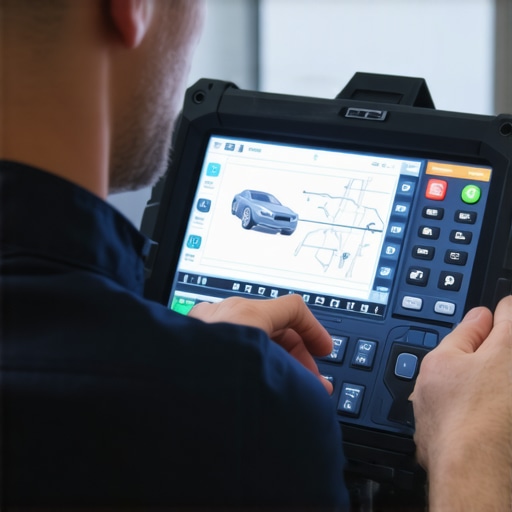
One trap many fall into is overlooking the role of software in modern vehicle systems. An example is a faulty gas cap that can trigger transmission warning lights—something surprisingly common yet often misunderstood. Visiting a trusted mechanic knowledgeable in the latest tech, as suggested by CollisionRenew, can prevent unnecessary part replacements and uncover these subtle issues.
It’s also a misconception that regular maintenance alone prevents all major repairs. While regular service extends vehicle lifespan, advanced components like electronic control modules, sensors, and software updates play a crucial role. Ignoring these nuances can lead to unexpected failures, especially in vehicles from 2026 onwards, which are built with complex, interconnected systems.
By understanding these sophisticated facets, car owners can avoid the pitfalls of superficial fixes. Embracing a thorough diagnostic approach, utilizing the right tools, and staying informed about software updates are essential. Have you ever fallen into this trap? Let me know in the comments, and stay curious about how deep your vehicle’s systems really go.Maintaining your vehicle’s performance over time requires more than just basic checks; it demands investing in reliable tools and adopting proper methods. One of my cornerstones is a high-precision laser alignment system, such as the Hunter Hawkeye Elite, which ensures your wheels stay perfectly aligned, preventing uneven tire wear and steering issues like those discussed in collisionrenew’s guide on wheel misalignment. This tool offers instant feedback, allowing me to correct alignment problems early, saving money and enhancing safety. Additionally, a professional-grade brake rotor micrometer helps me verify rotor thickness precisely, preventing the risk of warping or uneven wear that can cause vibration during braking. These precise measurements inform my service intervals and component replacements, ensuring optimal performance. For fluid management, I rely on a digital brake fluid tester, which quickly assesses moisture content—critical in preventing brake fade or failure, especially in high-humidity climates. Using these tools consistently has extended the lifespan of my parts and reduced emergency repairs. Beyond hardware, software plays a pivotal role nowadays. I utilize OEM-specific diagnostic scanners, such as Autel MaxiSys Elite, which connect via Bluetooth and provide deep insights into your vehicle’s electronic systems, from transmission to collision sensors. This software allows me to identify issues like a miscalibrated backup camera or software glitches leading to transmission hunts, as explained in collisionrenew’s comprehensive diagnostics posts. Predicting future trends, I foresee more integrated diagnostic platforms combining hardware and AI to anticipate failures before they manifest, significantly cutting repair costs. To make the most of your maintenance routine, I recommend regularly calibrating your electronic systems with these advanced scanners, especially after collision repairs or software updates, which commonly cause issues if neglected. How do I maintain vehicle electronics over time? By staying proactive—calibrating sensors and software periodically, and verifying hardware functionalities, you safeguard your car’s systems against unpredictable failures. For instance, after a minor bumper tap, recalibrating sensors with the right tools prevents ghosting issues, similar to how collisionrenew suggests fixing bumper sensors that won’t stop beeping. Try investing in a quality diagnostic scanner and scheduling routine calibration checks; these steps will ensure your vehicle remains reliable and safe, long after the initial repair.
My journey to understanding the subtle yet telling signs of brake-related steering tremors taught me that patience and thorough diagnostics are your best allies. Often, what seems like a minor wobble or pulsation is your vehicle whispering warnings about deeper issues—be it warped rotors, uneven tire wear, or suspension wobble. Recognizing these early signs not only saves money but also enhances safety, creating a smoother drive free of unsettling vibrations. Remember, embracing a comprehensive approach rather than quick fixes makes the real difference—knowledge is your steering wheel, guiding you safely through vehicle maintenance. Dive into each component methodically, leverage trusted tools and resources, and be proactive about repairs. Your vehicle’s health depends on it, and the confidence you gain is priceless. Keep learning, stay curious, and enjoy the peace of mind that comes with understanding your car inside out. After all, a well-informed driver is the best driver on the road—ready to tackle what lies ahead with clarity and confidence.