
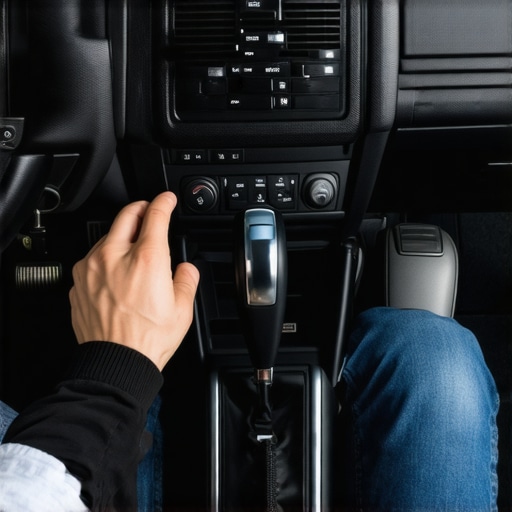
I remember the first time my car lunged forward unexpectedly the moment I shifted into drive. My heart skipped a beat, and I practically spilled my coffee trying to keep control. It was more than just startling; it was a clear sign something wasn’t right with my transmission. That lightbulb moment made me realize how crucial smooth shifting is—not just for driving comfort, but for safety too.
Dealing with that sudden jolt when shifting into drive can feel like your car has a mind of its own. It’s unsettling and could point to underlying issues that, if ignored, might lead to costly repairs or dangerous situations on the road. Over the years, I’ve learned that understanding why this happens and addressing the root causes can restore peace of mind behind the wheel.Is a car that lunges forward actually dangerous or just annoying?Check Your Transmission Fluid First
Check Your Transmission Fluid First
Start by inspecting your transmission fluid level and condition. Low or dirty fluid can cause rough shifts, making your car lunge. Park on level ground, locate the transmission fluid dipstick, and pull it out. Wipe it clean, reinsert, then pull it out again to check the level. If it’s low, top it up with the manufacturer-recommended fluid. If it’s dark or burnt-smelling, consider flushing the transmission with a fluid exchange, which can often resolve shifting issues. For a step-by-step guide, see this quick fluid check.
Many car owners operate under common myths that can lead to costly mistakes. One widespread misconception is that transmission fluid change is a straightforward task, but without understanding the specific type of fluid your vehicle requires, you might cause more harm than good. Using the wrong transmission fluid can lead to shifting problems, noise, or even complete failure. Always check your manufacturer’s recommendations before attempting a fluid exchange, and consider professional assistance for complex procedures.
What Mistakes Do Even Experienced Mechanics Sometimes Make with Transmission Service?Tools That Keep Your Transmission Shifting Smoothly
When it comes to auto repair, having the right tools is essential for ensuring your transmission system remains in top shape. I personally rely on a high-quality scan tool like the Autel MaxiSYS MS908 to diagnose complex transmission issues quickly. This device offers comprehensive ECU communications, allowing me to pinpoint problems without guesswork. For fluid exchanges, I prefer a transmission fluid pump like the OEMTOOLS 24440, which provides precise control during fluid refilling, minimizing mess and ensuring proper filling levels. Additionally, an infrared thermometer helps monitor temperatures during flush procedures, ensuring the system doesn’t overheat. Equipment like these has empowered me to perform effective maintenance and troubleshoot problems efficiently.
Advanced Methods for Sustained Transmission Health
Beyond basic tools, implementing regular diagnostic scans with AI-powered platforms like ThinkCar offers predictive insights into wear and tear, extending the lifespan of your transmission components. Consistent checks on the transmission fluid’s condition—checking for dark coloration or a burnt smell—can prevent severe failures. Remember, a quick fluid check can reveal early signs of degradation. As we look to the future, integration of IoT sensors in vehicles may allow real-time monitoring of transmission health, enabling proactive maintenance before issues become critical.
How Do I Keep My Transmission in Top Shape Over Time?
Maintaining your transmission system over the years involves proactive measures. Regularly inspecting transmission fluid levels and quality, as mentioned earlier, is critical. Also, scheduling periodic professional flushes—typically every 30,000 to 60,000 miles depending on your vehicle—can prevent buildup and corrosion. Using manufacturer-approved fluids and avoiding aggressive driving styles help reduce undue stress. Additionally, paying attention to warning signs—like delayed engagement or strange noises—can save you from costly repairs down the line. Incorporating diagnostic tools and staying attentive to your vehicle’s signals will minimize breakdowns and keep your car running smoothly for miles to come. For more on diagnosing complex issues, check out this article about AI diagnostics. Don’t hesitate to try using a professional-grade scan tool to monitor your transmission’s health regularly—early detection is the key to long-term reliability.
What the Unexpected Jolt Taught Me About Trusting Your Car
That sudden lunging forward when shifting isn’t just a minor annoyance—it’s a call to pay closer attention to your vehicle’s health. My own experience revealed how crucial it is to recognize early signs of transmission issues before they escalate, saving time and money in the long run.
Small Fixes That Make a Big Difference
Regularly checking and maintaining your transmission fluid could be the difference between smooth sailing and costly repairs. Trustworthy tools like the OEMTOOLS 24440 fluid pump and diagnostic platforms like ThinkCar empower DIY enthusiasts and professionals alike to stay ahead of problems. These resources have transformed my approach to auto care, turning guesswork into precision.
Decoding Hidden Signals for Safer Rides
Listen to your car’s whispers—strange noises, delayed shifts, or bucking sensations aren’t just quirks; they’re messages. Learning to interpret these early warning signs and consulting reliable resources, such as guides on [fluid checks](https://collisionrenew.com/stop-2026-gearbox-grinding-with-this-5-minute-fluid-check), can prevent minor issues from becoming major emergencies.
Insider Wisdom on What Really Works
- The Most Overlooked Mistake: Ignoring subtle changes in transmission behavior—small signs often indicate bigger underlying issues. My realization that addressing these early saved me from costly rebuilds later.
- Tools That Changed My Perspective: Investing in a quality scan tool like the Autel MaxiSYS MS908 allowed me to diagnose issues swiftly and accurately, emphasizing the importance of having the right equipment.
- Lessons That Can’t Be Read in Manuals: Personalized experience taught me to trust my instincts and learn from each encounter, reinforcing that proactive maintenance is your best defense against unexpected car troubles.
Take Control and Keep Your Transmission Happy
Regular maintenance, attentive listening, and leveraging trusted tools are your best allies in ensuring smooth transmission operation. Embrace these lessons, stay vigilant, and your vehicle will serve you reliably for years to come.
What early warning signs have you missed or ignored? Share your experiences below—I’d love to hear how you’ve tuned into your car’s signals!