

Have you ever been cruising down the highway when suddenly, your brake pedal starts pulsating fiercely, even though you haven’t touched the brakes hard? It’s that jarring, unsettling sensation that makes you wonder if your car is about to give up on you. I remember the first time it happened to me—my heart skipped a beat, and I instantly feared the worst. It was a clear sign that something wasn’t quite right, yet I had no idea where to start looking.
Feeling That Pulse? Here’s Why Your Brakes Are Shaking at Higher Speeds
After digging through forums, talking to mechanics, and a bit of trial and error, I realized that this pulsation isn’t just a random quirk. It’s often linked to issues with your rotors, wheel balance, or suspension components. But the big question is—why does it mainly happen at higher speeds? Well, when you accelerate past a certain point, your vehicle’s stability is challenged, amplifying any underlying issues. That’s why this pulsating becomes noticeable only at high speeds, and it can be downright dangerous if ignored. If you’re experiencing this, you’re not alone—and understanding the root cause can save you from costly repairs and dangerous driving situations.
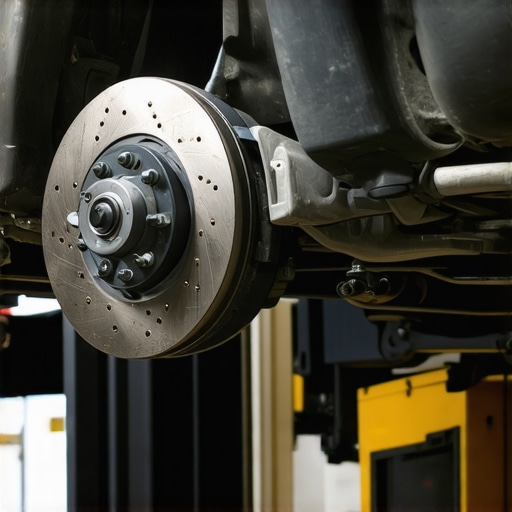
In fact, a well-documented cause is warped rotors, which create uneven surfaces that make your brake pads grab and release rapidly, leading to that pulsation. This can happen after a rotor resurfacing but can also be due to corrosion or heat buildup. I once made the mistake early on of simply replacing the pads without inspecting the rotors—big mistake. The pulsation kept coming back until I addressed the real issue. For more about how rotors can cause this vibration, check out this detailed guide.
Is Brake Pulsation Actually Worth the Hype?
Now, I get it. Some folks might think, “It’s just a little shake. Who cares?” But that little shake can escalate into brake failure if left unchecked. Over time, warped rotors or unbalanced wheels can cause uneven wear, reduce stopping power, and even damage other parts like calipers or suspension components. I learned firsthand that neglecting such issues can lead to more serious (and costly) repairs down the line.
In my early days of car ownership, I often overlooked these warning signs—mistakenly thinking a bit of vibration was normal. That was a mistake I won’t repeat. Recognizing early signs and addressing them promptly is crucial for safety and preserving your vehicle’s health. So, if you’ve ever felt that pulsating brake pedal, or even if you’re not sure, keep reading. I’ll guide you through the steps to diagnose and fix the issue, so you can drive safely without that nerve-wracking vibration disrupting your ride.
Inspect the Rotors for Warping
Start by safely elevating your vehicle using a jack and secure it with jack stands. Remove the wheels to access the brake rotors. Spin each rotor manually—feel for any wobbling or uneven rotation, which indicates warping. I once had a rotor that felt slightly out of true, and upon removal, I noticed it was visibly warped. Drive to an auto parts store and consider replacing or resurfacing the problematic rotors. Warped rotors are a leading cause of pulsating brakes at high speeds, as they create uneven contact surfaces for your brake pads. For in-depth insights, check this guide.
Check the Brake Pads and Calipers
While the rotors are off, inspect the brake pads for uneven wear or glazing—a shiny, hardened surface indicating overheating. Also, evaluate the calipers to ensure they’re moving freely without sticking, which can cause uneven braking pressure. If a caliper is sticking, it may be due to seized slide pins or issues with the piston. A stuck caliper can cause uneven rotor contact, intensifying pulsation. Regular lubrication of caliper slide pins and replacing worn pads prevent these issues. Remember, even a perfectly flat rotor won’t work well if the pads are uneven or glazed.
Balance the Wheels Precisely
Improper wheel balance amplifies vibrations, especially at high speeds. Use a professional wheel balancer to check for unbalanced tires. I once unmounted a wheel myself to inspect the weights—found that a small clip was missing, causing imbalance. Reinstall it and have the wheel rebalanced. Proper balancing ensures that each wheel rotates evenly, reducing vibrations transmitted through the suspension. Don’t skip this step, as unbalanced wheels can mimic brake pulsation.
Assess Suspension Components
Worn or damaged suspension parts like ball joints, tie rods, or struts can also lead to vibrations. Use a diagnostic tool or manual feel to identify looseness or excessive play. I noticed a slight clunk when hitting bumps, which led me to replace a worn-out control arm bushing. Ensuring suspension integrity helps maintain consistent brake performance and reduces pulsation. For a quick check, look for uneven tire wear or uneven ride height, which signals suspension wear.
Address Heat-Related Rotor Damage
Overheated rotors develop hotspots or warping over time. After heavy use or prolonged braking, check for discoloration or cracks. If you suspect heat damage, consider upgrading to high-temperature rotors or applying cooling measures. Replacing or resurfacing overheated rotors can dramatically reduce pulsation. Remember, aggressive driving and heavy braking contribute to rotor warping. Take it easy when descending long hills or towing—your brakes will thank you.
Test Drive Carefully to Confirm Repairs
After performing repairs, reassemble everything and lower your vehicle. Tighten lug nuts to the manufacturer’s torque specifications. Take a cautious test drive, gradually increasing speed to see if pulsation persists. I learned this testing step the hard way—driving at high speed too soon caused my rotor to shift slightly, causing vibrations again. Listen for vibrations, feel for shaking in the brake pedal, and be alert to any unusual noises. If pulsation continues, revisit the previous steps or consult a professional. Proper diagnosis and methodical checking are your best strategy to eliminate brake pulsation.
Maintain Regular Brake Checks
Prevent future issues by scheduling regular brake inspections, especially if you frequently drive in heavy traffic or mountainous terrain. Keeping brake components clean, lubricated, and within their service limits ensures smooth operation. Remember, ignoring minor vibrations can escalate into major repairs, costing more and risking safety. Stay proactive with brake maintenance to keep your stopping power firm and consistent.
< >While many car owners believe they understand the basics of auto maintenance, there’s a profound depth of nuance that often goes unnoticed, leading to costly mistakes and overlooked issues. Let’s dig deeper into what most people get wrong about auto repair and car service, especially in critical areas like brake and transmission systems.
One common misconception is that all brake pads wear out uniformly and can be replaced without inspecting other components. In reality, uneven brake pad wear often indicates issues like sticking calipers or warped rotors—problems that, if ignored, can cause pulsing brakes and even safety hazards. Many assume that replacing the pads alone suffices, but neglecting to check for these underlying issues can result in recurring vibration problems. For example, warped rotors, which create uneven contact surfaces, are a leading cause of pulsation at high speeds. Addressing this requires more than just pad replacement; you need to know the real causes behind rotor warping and how to properly diagnose them. For detailed insights, you might want to review this guide.
Another pitfall many fall into involves transmission repairs. Typically, drivers assume that slipping or whining noises are isolated issues or simply due to fluid degeneracy. However, the nuances of modern transmission systems—especially with AI-driven controls—mean that symptoms like whining in reverse can indicate complex problems such as sensor calibration drifts. Recognizing these subtleties can prevent unnecessary transmission replacements or extensive repairs. Experts emphasize the importance of understanding the interconnected nature of transmission components and sensors, as addressed in this article. Remember, a minor whine might be a sign of a calibration issue rather than a failing component.
Are Auto Repairs Always as Simple as They Seem?
One of the most insidious misconceptions is the belief that repairs like brake service or transmission fixes are straightforward and always repair-specific. In reality, many issues are symptoms of deeper systemic problems. For instance, a brake pedal that drops to the floor may seem like a fluid leak, but it can also be caused by hidden problems such as faulty master cylinders or even electrical issues in newer models. Similarly, a car pulling to one side during braking isn’t always just misaligned wheels; it might be linked to caliper sticking, brake hose failure, or sensor calibration, which is often overlooked. Experts warn that neglecting these nuances can lead to repeated repairs and escalating costs. Being proactive and understanding the complex relationships within your vehicle’s systems is crucial. For more on hidden problems, explore this resource.
Leading technicians advise that staying informed about these subtle indicators can drastically improve your ability to diagnose and address issues correctly. Regular inspections, combined with comprehension of your vehicle’s advanced systems, help prevent minor problems from becoming major breakdowns. Have you ever fallen into this trap? Let me know in the comments. By digging into these nuances, you’ll be better equipped to keep your car running smoothly and safely, saving money and peace of mind in the long run.
Investing in the Right Equipment Keeps Your Vehicle Running Smoothly
Personally, I rely on a high-quality digital multimeter like the Fluke 117 for diagnosing electrical issues such as dead batteries or faulty sensors. Its precision helps me quickly identify problems in circuits, ensuring I avoid unnecessary part replacements. For brake system diagnostics, I opt for a good set of brake caliper piston compressors—specifically, the OEM-style tools that fit my vehicle’s calipers perfectly. This allows me to efficiently compress pistons during pad replacement without damaging components, ultimately preventing issues like uneven brake pad wear and pulsation at high speeds. Regularly using a trustworthy torque wrench like the Tekton 1/2-inch drive model ensures lug nuts and critical fasteners are tightened precisely, reducing the risk of wheel imbalance or loose components.
Why I Embrace Computer-Based Diagnostics
Beyond manual tools, I highly recommend installing a professional-grade OBD-II scanner such as the BlueDriver. It provides real-time data and allows me to clear trouble codes on the spot, saving trips to the repair shop. This is invaluable when dealing with complex systems like transmissions, where understanding sensor feedback can help diagnose issues like slipping or whining noises—details often overlooked but crucial for effective repairs. As an example, when my transmission was hunting for gears, a quick scan revealed calibration issues that I corrected with software updates, greatly improving performance. For those looking to streamline long-term maintenance, investing in quality diagnostic equipment is a game-changer.
How do I maintain my auto repair tools over time?
To keep my tools in top condition, I perform regular cleaning and lubrication—especially on moving parts like socket wrenches and calibration tools. Storing precision instruments in a dry, temperature-controlled environment prevents rust and corrosion, which can compromise accuracy. I also periodically recalibrate digital multimeters and torque wrenches, following manufacturer guidelines, to ensure continued reliability. Upgrading my toolkit gradually has allowed me to handle progressively more complex issues, from fixing sticky brake calipers to diagnosing subtle transmission quirks. In the future, I see intelligent diagnostic tools integrating AI for predictive maintenance, which could help catch problems before they manifest. For now, sticking to well-maintained, precise equipment ensures consistent, professional-quality repairs.
Try This Advanced Tip to Improve Your Repairs
One method that consistently yields results is using a thermal imaging camera to spot uneven heat distribution in your brake rotors or wheel hubs. Small hotspots can indicate underlying issues like sticking calipers or insufficient lubrication. I personally use the FLIR One Gen 3 attachment for smartphones, which is affordable and easy to operate. This tech helps me identify problems early, preventing costly damage down the line. Experimenting with this approach has saved me from replacing parts unnecessarily and has improved overall repair accuracy. Incorporate thermal imaging into your diagnostic routine, and you’ll notice an immediate boost in troubleshooting confidence.
Keeping it Durable: How Do I Ensure Long-Term Auto Maintenance?
Consistent, scheduled inspections are key. I set reminders to check critical components like brake pads, fluid levels, and suspension parts every 6-12 months, depending on driving conditions. Using high-quality fluids, like synthetic transmission oils, extends service intervals and improves system longevity. Additionally, I adhere strictly to torque specifications during assembly—over-tightening or under-tightening can cause failures like wheel separation or sensor failures, which are tricky to diagnose later. As vehicles evolve towards more AI-assisted diagnostics and maintenance, staying updated with software updates and training will be crucial. For ongoing success, embrace a proactive mindset: monitor, diagnose early, and use trusted tools for repairs.
The Hardest Lesson I Learned About auto repair,car service,brake service,transmission,collisionrenew
Early in my DIY auto repair journey, I underestimated the significance of thorough inspections. Tackling a warped rotor seemed simple at first, but overlooking deeper issues like sticking calipers or suspension problems often led to recurring vibrations. The lightbulb moment came when I realized that every component is interconnected—neglecting one can compromise the whole system. It taught me patience and the importance of a comprehensive approach to vehicle maintenance.
3 Myths About auto repair,car service,brake service,transmission,collisionrenew That Held Me Back
- Myth 1: Replacing brake pads alone fixes pulsation issues.
Truth: Without checking rotors, calipers, and wheel balance, the vibration will likely return. - Myth 2: Transmission problems are always internal failures.
Truth: Many are caused by sensor calibration issues or fluid degradation that can be fixed with software updates or fluid changes. - Myth 3: Regular tools last forever.
Truth: Proper calibration, cleaning, and storage are vital to maintain accuracy and safety, especially for sensitive diagnostic gear.
What Experts Won’t Tell You About auto repair,car service,brake service,transmission,collisionrenew
Many seasoned technicians know that identifying subtle signs—like a faint squeal or uneven tire wear—can prevent costly repairs. However, they also understand the value of investing in quality diagnostic tools, such as advanced OBD-II scanners and thermal imagers, which bring unseen issues to light. From my experience, embracing these expert techniques saves time, money, and keeps you safer on the road. Remember, the devil is in the details, and attention to the small signs makes all the difference.
How I Keep Up with the Auto Repair Puzzle
Investing in a mix of high-quality tools and continuous learning has transformed how I approach vehicle issues. My trusted digital multimeter and torque wrench ensure precise diagnostics and assembly, while online resources and guides keep me informed about evolving systems. For complex problems, I rely on detailed tutorials and community insights that often reveal solutions not covered in standard manuals. Staying curious and resourceful empowers me to handle repairs confidently and safely, avoiding unnecessary trips to the mechanic.
Take Charge of Your Vehicle Wartorn or Not
The road to mastering auto repair doesn’t end with a single fix but with ongoing education and careful maintenance. Recognize that addressing issues like brake pulsation early can save you from bigger problems in the future. Walk your own repair path, use trusted tools, and don’t hesitate to seek expert advice when needed. Your vehicle is an investment—nurture it with awareness and patience, and it will reward you with safer, smoother rides. So, what small sign of trouble have you overlooked in your car? Share your experience below and let’s learn together.