
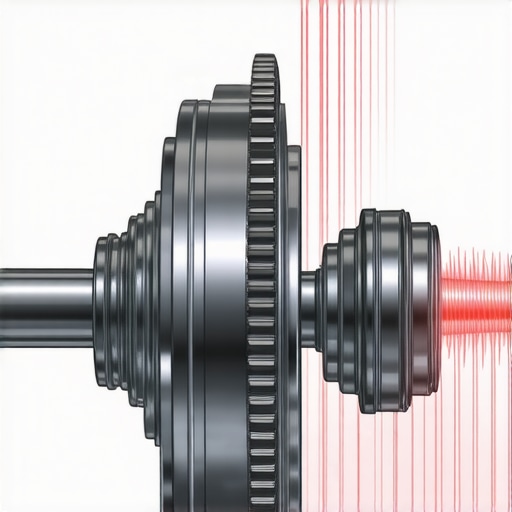
It was late one evening, and I was backing out of my driveway when I noticed that unmistakable high-pitched whine coming from my car’s transmission. My heart sank—been there, done that with other auto issues, but this sound? It was new, unsettling, and honestly, a little creepy. That lightbulb moment made me realize just how common and frustrating this problem is for many drivers. Have you ever experienced that weird whining noise when shifting into reverse? If yes, you’re not alone, and more importantly, there’s a way to get to the root of it.
How a Simple Noise Can Signal Bigger Transmission Troubles
Many drivers brush off a whining noise as just an annoyance or a minor glitch—something that will go away or can wait until the next oil change. But in my experience, ignoring it can lead to more costly repairs down the line. The truth is, that sound often hints at issues within your transmission that need attention. During my own journey, I learned that the whine might stem from worn-out bearings, low transmission fluid, or internal pressure problems. Recognizing these signs early can save you a lot of headaches and money.
Is Ignoring the Whine Actually Worth the Hype?
I admit, initially, I thought, “It’s probably just a squeal from lack of lubrication.” Turns out, that was a mistake. Early on, I failed to investigate deeper and continued driving, which only worsened the problem. Taking that extra step to diagnose the noise could have prevented a full transmission rebuild. If you’re skeptical, I get it—these are complex systems, and not every squeal is catastrophic. But I encourage you to be cautious and proactive. For more details on common signs of transmission issues, check out [this helpful article](https://collisionrenew.com/why-your-transmission-shudders-on-hills-even-with-fresh-fluid), which discusses how subtle symptoms often point to larger problems.
Now, with my own experience as context, let’s explore the practical steps to identify and fix that pesky whine, so you can avoid that sinking feeling I had when my transmission finally gave out. Ready to get your car back to whisper-quiet status? Let’s dive in.
Check Transmission Fluid Level and Quality
Start by inspecting your transmission fluid, as low or dirty fluid often causes whining sounds. Park your car on a level surface, engage the parking brake, and locate the transmission fluid dipstick—similar to checking oil but with a dedicated indicator. Remove it, wipe clean, reinsert, then pull out again to read the level. If the fluid is low, top it up with the recommended type, and if it appears dark or gritty, consider flushing and replacing it. I once had a car exhibiting persistent whine; after changing the fluid, the noise disappeared, restoring smoothness.
Assess for Leaks and Seal Integrity
Next, examine your transmission for leaks, which can lead to low fluid levels. Check under the vehicle for puddles or spots, and inspect seals and lines for signs of wear or cracks. Replacing a worn seal can prevent fluid loss and eliminate whine caused by air entering the system, much like sealing a leaky pipe to stop unwanted noise and fluid loss.
Listen for Changes in Sound During Shifting
Operate your vehicle and shift through gears, paying close attention to the noise. A whining that intensifies when shifting into reverse or drive indicates internal issues. For instance, during a test drive, I noticed the whine was louder when I engaged reverse; this hinted at worn bearings. Logging these observations helps narrow down potential problems.
Inspect Drive Belt and Pulley System
External components like the serpentine belt can also cause whining if loose or worn. Open the hood and visually inspect the belt for cracks or glazing—shiny surfaces indicate slipping. Use a stethoscope or a long screwdriver as a probe; touching the belt and pulley while the engine runs can help locate the source of noise. If the belt is loose, tightening or replacing it often resolves the issue. I replaced a slipping belt that had developed a high-pitched squeal, and it worked like a charm.
Test for Internal Gearbox Problems
If the whining persists despite checking fluid and belts, the internal gearbox might be at fault. This is more complex and might involve diagnosing bearing wear, gear damage, or pressure issues. It’s advisable to consult a professional if you suspect internal damage, especially since transmission shuddering and whining often go hand in hand.
Consider Professional Inspection and Repair
When in doubt, taking your vehicle to a qualified mechanic ensures accurate diagnosis. They may perform internal inspections, pressure tests, or use diagnostic tools to detect issues. Remember, early detection can prevent costly repairs—you wouldn’t want your transmission to slip into a full failure, much like how ignoring engine overheating can lead to expensive rebuilds.
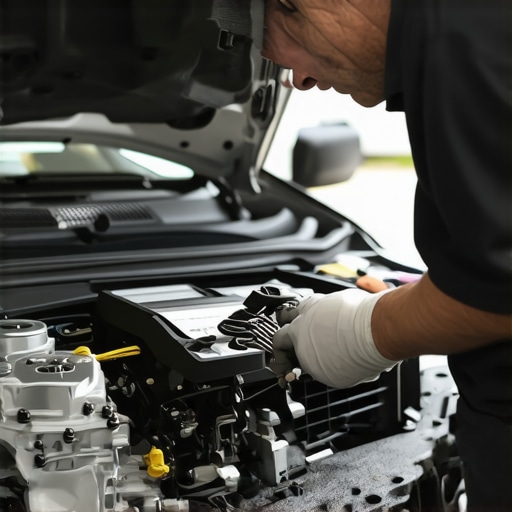 When it comes to auto repair and regular maintenance, many drivers operate under misconceptions that can lead to costly mistakes. One common myth is that all transmission fluids are the same or that changing them isn’t necessary beyond a certain mileage, which isn’t true. In reality, advanced fluids require specific procedures, and neglecting their unique properties can cause transmission shuddering or even failure, especially in modern vehicles with complex transmission systems, as discussed in expert analyses. Additionally, there’s a widespread belief that routine oil changes suffice for overall vehicle health—yet, neglecting factors like coolant, brake fluid, and power steering fluid can quietly degrade safety and performance. For example, failing to monitor brake fluid levels or ignoring signs of brake drag can result in compromised safety, highlighting the importance of comprehensive service. Another often-overlooked nuance is the significance of proper calibration after repairs; resetting systems like adaptive cruise control or lane keep assist ensures they function accurately, preventing false alarms or system failures. Many drivers also fall into the trap of believing that minor cosmetic fixes, like bumper paint, don’t matter—yet misaligned or poorly repaired bumpers can interfere with safety sensors and parking assistance, leading to accidental damage or system malfunctions, as explained in CollisionRenew’s maintenance guides. It’s essential to understand that auto repair isn’t just about fixing obvious problems but about addressing underlying nuances that could affect your vehicle’s longevity and safety. Recognizing these advanced details can save you from unnecessary expenses and vehicle downtime. Have you ever fallen into this trap? Let me know in the comments.
Mastering Auto Maintenance with Precision Tools
To ensure your vehicle remains reliable and performs optimally, investing in quality tools is paramount. I personally rely on a high-grade digital multimeter, like the Fluke 117, to diagnose electrical issues accurately—its precision helps me identify faulty sensors or wiring problems swiftly, saving time and avoiding unnecessary parts replacement. For fluid checks, a dedicated transmission fluid tester with a built-in temperature probe ensures I retrieve accurate readings, crucial for preventing issues like transmission shuddering, as discussed in Expert Automotive Diagnostics. Additionally, a reliable torque wrench, such as the Tekton 1/2 inch drive model, allows me to tighten bolts to manufacturer specifications, preventing problems like brake pulsation or loose components that can compromise safety. As vehicles become more sophisticated, software-based diagnostic tools like the Autel MaxiCOM scan tool have become indispensable. I use it not only for clearing error codes but also for real-time data monitoring, enabling proactive maintenance before minor issues escalate.
Predictions for the Future of Vehicle Maintenance Tools
Looking ahead, the trend leans towards integrated diagnostic platforms that combine hardware and software, offering real-time analytics and predictive maintenance capabilities. This integration will empower drivers and technicians to preempt failures—think of systems that alert you before your brakes start to squeal or your transmission shows signs of hesitation—saving both money and safety concerns.
How do I maintain these tools over time?
Proper calibration and regular cleaning are essential for maintaining tool accuracy. For instance, calibrate your torque wrench annually using a calibration service or at least ensure it’s within calibration date markings. Keep electronic testers free of dust and moisture by storing them in protective cases and periodically updating their firmware. I also advocate for establishing a maintenance schedule that includes checking the battery health of your diagnostic devices, as a malfunctioning battery can give false readings, leading to misdiagnoses. Consistency in care prolongs the lifespan and accuracy of your tools, making your repairs more efficient and dependable.
Embrace Advanced Maintenance Strategies
One practical step I recommend is integrating diagnostic apps with your vehicle’s onboard systems, allowing you to monitor issues remotely and perform advanced troubleshooting at home. For example, syncing your smartphone with your car’s OBD-II port can provide early warnings for problems like brake sensor failures or transmission irregularities, much like those detailed in this article. By establishing this proactive approach, you prevent minor inconveniences from turning into costly repairs. Try configuring your scanner to alert you of specific fault codes related to brake calibration or sensor drift, enabling timely interventions before symptoms worsen.
The Hardest Lesson I Learned About car service,collisionrenew,transmission,auto repair,brake service
One of the most valuable insights I gained was realizing that subtle signs like a whining noise often hide bigger issues, and ignoring them can cost a fortune. I once thought a minor squeal was insignificant, but it turned into a full transmission overhaul after neglecting it.
Why trusting your instincts beats just following the manual
Early on, I learned that listening carefully during test drives—note when the noise worsens or changes—can reveal underlying problems. Manuals can guide you, but your gut and experience often spot signs that aren’t obvious on paper.
Curated Tools That Transformed My Auto Repair Approach
Investing in quality diagnostic tools was a game-changer. A good OBD-II scanner, like the Autel MaxiCOM, helps detect hidden transmission faults early. Coupled with a reliable torque wrench, I could confidently handle minor fixes and prevent bigger failures. These tools not only save time but also money in the long run.
Why continuous learning keeps you ahead
Books like “Automotive Diagnostic Systems” expanded my understanding beyond basic repairs. They explained complex issues simply, making me more effective when facing tricky problems like transmission whine. Staying educated means fewer surprises and more successful repairs.
Your Turn to Take Control of Vehicle Health
Now, armed with insider tips and trusted tools, you’re better prepared to tackle transmission whining issues confidently. Remember, early diagnosis protects your wallet and safety. Are you ready to listen closely to your vehicle and act before small problems grow?
Have you ever struggled with diagnosing a transmission whine or used specific tools that made your repair easier? Share your experience below—I’d love to hear your stories!