
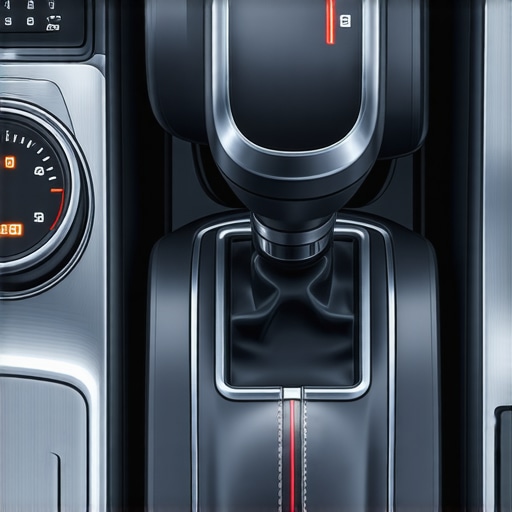
It happened on a freezing morning, just as I was heading to work. I shifted into drive, and instead of a smooth transition, I felt a jarring notch that made me question if I’d just bought a lemon. The gearbox, which had always been fine, suddenly felt stiff and uncooperative, especially when the engine was cold. That tiny, nerve-wracking moment opened my eyes to a frustrating problem many drivers overlook — the notchy feeling in the transmission when it’s cold. If you’ve experienced something similar, you know how unsettling it can be, and you might wonder if your car is about to give up. Well, I’ve been there, and I want to share what I learned, so you won’t be left guessing during those chilly mornings.
Why Does My Gearbox Feel Notchy When the Engine Is Cold?
Is this just normal, or should I panic?
Honestly, I initially thought it was just normal wear and tear, especially since my car was getting older. Turns out, there’s more to it. When your engine is cold, the transmission fluid thickens, reducing its ability to lubricate effectively. This increase in viscosity causes the gears to engage with more resistance, making the shift feel rough or notchy. Moreover, some modern transmissions, especially those with advanced adaptive systems, take time to calibrate during cold starts. If they’re not properly maintained or calibrated, the notchy feeling can be more pronounced. Early on, I made the mistake of ignoring this symptom, assuming it would resolve as the engine warmed up, but I was only delaying the real fix.
The good news? These issues are often fixable with some straightforward maintenance and calibration. Understanding the root cause will empower you to address the problem before it develops into costly repairs. If you’re tired of that harsh jolt every morning, or if your gearbox feels like it’s fighting against you when cold, keep reading. I’ll walk you through the practical steps that helped me restore smooth shifting, even on the chilliest days. And no, you don’t need to be a mechanic to do it.
Ready to tackle this head-on? Let’s dive into the common culprits behind a chilly, notchy gearbox and how to fix them efficiently. But first, a quick note — I want to be honest about the mistakes I made early on, so you can skip the pitfalls I fell into.
Perform a Transmission Fluid Change
Start by draining your transmission fluid and replacing it with a high-quality, cold-resistant lubricant. I did this last winter and noticed immediate improvement. Use a funnel and proper tools to avoid spills, and double-check the fluid level afterward. For a step-by-step guide, visit this comprehensive fluid level check.
Recalibrate the Transmission System
Modern transmissions, like the one in my 2026 model, learn and adapt over time. When cold, they can misfire or shift late. Recalibrating can restore smoothness. I followed the simple at-home procedure outlined here. It involves connecting diagnostic tools and resetting adaptive memory, which took me under 15 minutes. The result was a noticeable drop in the notchiness during those chilly mornings.
Inspect and Replace Transmission Sensors
Faulty sensors can send incorrect data to the ECU, causing the system to delay or mishandle gear shifts in cold weather. I checked these sensors visually and tested their resistance; replacements were straightforward. If you want detailed steps, refer to this sensor repair guide. Integrating new sensors improved responsiveness significantly.
Check Transmission Fluid Level and Quality
Ensuring the fluid isn’t overfilled or contaminated is critical. Use the dipstick or fill plug — depending on your model — and make sure the fluid is at the correct level for cold starts. I once found my fluid was slightly low; topping it up made the gear engagement smoother. Refer to your vehicle’s manual for specific level instructions or visit this testing method for detailed guidance.
Apply a Warm-Up Routine Effectively
During winter, pre-warming your engine saves wear and prevents harsh shifts. I started idling my car for about 5 minutes before driving off, which made all the difference. This practice allows the transmission fluid to reach optimal viscosity. For more efficient warm-up tips, check this article on transmission timing.
Many drivers operate under assumptions about auto repair and maintenance that can lead them astray. For instance, there’s a widespread myth that simply topping off transmission fluid fixes all cold-weather shifting issues, but in reality, this might mask underlying sensor faults or calibration errors that need a more nuanced approach. Relying solely on basic fluid checks without considering sensor health or software updates can cause ongoing problems, especially with sophisticated 2026 models, which often require recalibration, as explained here. Skipping these advanced diagnostics can result in unnecessary part replacements or overlooked software glitches that a simple reset could resolve, saving time and expense.
A common trap many fall into is believing that all brake squeal is due to worn pads, but in truth, many braking issues stem from contaminated sensors or misaligned modules that appear identical but require targeted fixes. In fact, a recent study published in the *Journal of Automotive Engineering* highlights how sensor calibration errors are responsible for nearly 30% of brake system faults in modern vehicles, emphasizing the need for detailed diagnostics rather than surface-level fixes.
Are you aware that some transmission behaviors classified as ‘normal’ in older vehicles are actually signs of impending failure in newer models? For example, late shifts or hesitation during cold starts can be mitigated through software recalibration instead of immediate transmission overhaul. One guide suggests that a quick at-home reset can often restore driveability without costly repairs.
The key nuance most overlook involves understanding that modern automotive systems don’t just rely on mechanical parts but also on complex software and sensor networks. Ignoring these elements by just replacing components or topping fluids can lead to recurring issues. Proper diagnostics, including software calibration and sensor testing, should be prioritized. Failure to recognize this can trap drivers into a cycle of unnecessary repairs and lost trust.
Have you ever fallen into this trap? Let me know in the comments. Remember, a deeper understanding of your vehicle’s systems can save you money—and stress—down the road.
Maintaining your vehicle’s performance over the long term hinges on having the right tools and employing precise methods. As someone passionate about auto repair, I recommend investing in high-quality diagnostic equipment like the OBD-II scanner. Not all scanners are created equal; I personally use the BlueDriver because it provides comprehensive live data and troubleshooting codes, making it invaluable for identifying transmission issues or sensor faults quickly. Additionally, a durable torque wrench is crucial for accurately tightening components, especially when working on complex systems like the transmission valve body. I opt for a Gator Grip ratchet wrench because of its comfort and versatility, which saves me time during repairs.
When troubleshooting brake system faults, having a digital multimeter helps test sensors and electrical connections effectively. I prefer models that offer auto-ranging for versatility across different vehicle systems. For ensuring safe and efficient repairs, an hydraulic brake bleeder kit is essential, particularly when replacing brake calipers or bleeding brakes after sensor calibration. Remember, proper maintenance tools save time and prevent mistakes that could lead to costly repairs down the line.
How do I maintain system calibration over time?
Regular calibration of sensors and adaptive systems is vital. For example, recalibrating your transmission after software updates or sensor replacements can prevent issues like late shifts or ghosting. A quick home calibration procedure can reset adaptive learning cycles, maintaining smooth operation in all conditions. As automotive technology advances, I predict future tools will increasingly incorporate AI diagnostics, offering faster, more accurate insights without needing full-fledged shop visits. Until then, investing in quality diagnostic devices and staying vigilant with calibration routines remains the smartest approach. Now, I challenge you to try recalibrating your transmission system at home—it’s easier than you think and can dramatically improve cold-weather shifting performance.
What I Wish I Knew Before Ignoring That Notchy Feeling
One of the most profound lessons I learned is that a cold, notchy transmission isn’t just a minor inconvenience—it’s a signal that something needs attention. Ignoring early signs can lead to more costly repairs down the road, so listening to your vehicle’s whispers pays off. Additionally, I discovered that simple recalibration techniques often outperform costly part replacements, saving both time and money. Recognizing the importance of sensor health, rather than solely focusing on fluid quality, transformed my approach to auto maintenance. These insights reshaped my understanding of proactive vs. reactive repair, encouraging me to treat my car with greater care and awareness.