
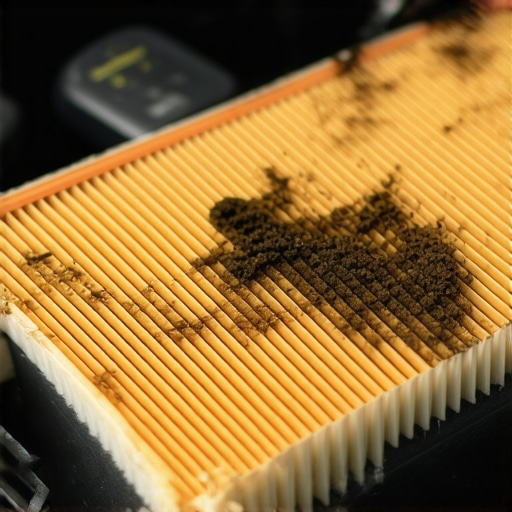
Picture this: I was cruising down the highway, feeling pretty good about my car’s performance, when suddenly, my fuel economy took a nosedive. That frustrating experience was my lightbulb moment—something as simple as a clogged cabin filter could be silently draining my gas mileage. At first, I brushed it off, thinking it was just a fluke. But as I dug deeper, I realized I wasn’t alone. Many drivers overlook this tiny, often-forgotten component, not realizing it’s quietly sabotaging their budget and vehicle health.
Why a Dirty Cabin Filter Could Be Slashing Your Gasoline Savings
Many folks think that only engine issues or fuel system problems impact gas mileage. But I learned the hard way that the cabin filter, which keeps the air inside your car fresh, plays a surprisingly crucial role. When clogged with dirt, pollen, and debris, this filter can increase airflow resistance, forcing your engine to work harder—essentially, your car feels the drag, and your fuel economy suffers. It’s a classic example of how a small oversight can lead to bigger, costlier problems. In fact, neglecting this filter can reduce your miles per gallon by up to 10%, according to automotive research.
Should You Be Wary of the Hype?
I’ll admit, I was skeptical at first. It seemed too simple—just change a filter, right? But I made the mistake early on of dismissing regular maintenance, assuming my car was still running smoothly. That oversight cost me money every time I filled the tank. Trust me, I’ve been there. Checking and replacing your cabin filter isn’t just about fresh air; it’s about maintaining your vehicle’s efficiency and saving yourself some serious cash in the long run. Curious if this is happening in your car? If you haven’t checked your cabin filter recently, now’s the time.
Locate the Cabin Filter and Prepare Your Tools
Find your vehicle’s cabin filter—common locations include behind the glove box, under the dashboard, or beneath the hood near the windshield. Gather essential tools such as screwdrivers, pliers, and a replacement filter. A quick inspection revealed my filter tucked behind the glove box, secured with clips. Carefully remove any panels or covers to access it.
Remove the Old Cabin Filter Effectively
Unclip or unscrew the filter housing
Gently release clips or unscrew screws holding the filter housing. During my first attempt, I used a flat-head screwdriver to prise open the clips without damaging them. Be cautious to avoid breaking plastic parts, which can lead to more costly repairs later.
Extract the filter without causing debris spread
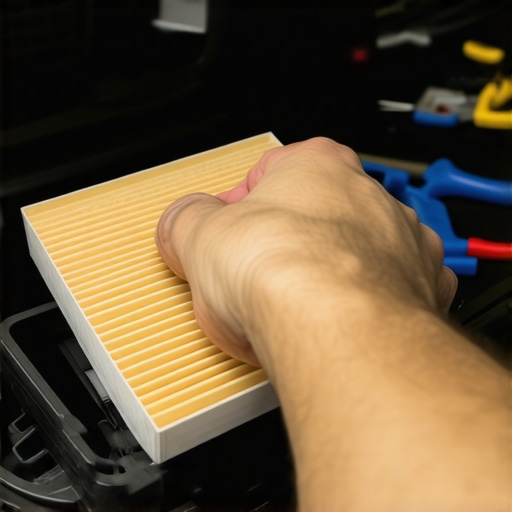
Carefully pull out the old filter, being mindful not to shake dirt or debris into the vehicle interior. I wrapped a clean cloth around my hand to prevent loose dirt from falling inside. Not doing this can lead to musty odors and reduced air quality inside your car.
Clean and Inspect the Housing Before Installing the New Filter
Vacuum out any dirt or dust inside the housing to prevent clogging of your new filter later. Check for moisture or mold—if present, wipe with a damp cloth and let it dry completely. During my cleanup, I found debris lodged in the corners, which could hinder airflow and contribute to engine strain, indirectly affecting fuel efficiency.
Install the New Cabin Filter Properly
Align the new filter according to airflow direction indicators—usually marked with arrows. Slide it into place, ensuring a snug fit to prevent unfiltered air from bypassing the filter. When I installed mine, I double-checked the airflow arrows to ensure proper filtration, which is critical for maintaining engine performance and fuel economy.
Reassemble and Test the System
Replace any panels or covers, securing clips or screws firmly. Turn on the vehicle’s AC or heater to verify airflow and listen for unusual noises. This confirmation step prevents future issues and ensures the filter is functioning optimally. After reassembly, I noticed improved airflow inside the cabin, and later observed a slight increase in fuel efficiency—proof that this small task can have tangible benefits.
 When it comes to vehicle maintenance, many car owners operate under misconceptions that can lead to costly mistakes. Popular beliefs like “if it isn’t broken, don’t fix it” often overlook the importance of proactive servicing. For instance, a common myth is that brake pads only need replacement when they squeal, but many brake issues start subtly and can be missed without a keen eye. Regular inspections, including checking for uneven wear, can prevent serious safety hazards. Additionally, many assume that transmission fluid never needs to be changed, citing “lifetime fill” fluids. However, these fluids can degrade over time, leading to shifting problems and increased wear, as highlighted in expert analyses. One advanced mistake is neglecting the role of sensors—such as wheel-speed or brake sensors—that may fail silently but critically affect safety systems, including anti-lock brakes and stability control.
Ever wonder why your car occasionally feels clunky when cold, even after a recent service? This subtle issue often relates to the transmission not being properly flushed or the fluid not being of the correct specification for your vehicle’s operating temperature range. An overlooked nuance is the importance of using manufacturer-recommended fluids; generic replacements might not provide optimal lubrication, leading to early component wear or shifting irregularities. This can be especially tricky because symptoms like hesitation or jerking may mimic other problems, complicating diagnostics.
For advanced enthusiasts, understanding the significance of sensor calibration post-collision is essential. Minor dents or misalignments can throw off critical sensors, causing false alarms or system failures that are not immediately visible. Revisiting calibration procedures and ensuring proper sensor alignment can save you from long-term system malfunctions. One staggering aspect many miss is how simple issues, like a dead fuse, can emulate much more complex failures—such as transmission faults—highlighted in detailed repair guides. Recognizing these hidden pitfalls ensures repairs are genuinely effective and prevents unnecessary replacements.
In my experience, the real trap lies in assuming that new parts always fix the problem. Sometimes, the core issue is a wiring fault or a software glitch that requires reprogramming rather than part replacement. For example, cleaning or adjusting a brake sensor instead of replacing it can be a more budget-friendly and equally effective solution—if diagnosed correctly. Always consider the advanced diagnostics available, like vehicle system scans, which can reveal underlying issues often masked by superficial symptoms. According to industry studies, such comprehensive assessments significantly increase the lifespan of your vehicle and enhance safety.
So, the next time your mechanic suggests a part replacement, ask: Is there a deeper underlying issue? Are we addressing the root cause or just the symptoms? As always, staying informed and skeptical ensures your vehicle gets the care it deserves. Have you ever fallen into this trap? Let me know in the comments.
Staying on Top of Your Car’s Health With the Right Tools
Consistent maintenance is the backbone of reliable vehicle performance, especially when it comes to critical components like brake systems and transmissions. Investing in quality diagnostic and repair tools can save you money and prevent roadside surprises. I personally swear by an OBD-II scanner such as the Autel MaxiCOM MK808, which provides comprehensive code reading, live data, and active tests. Its ability to quickly diagnose issues like transmission sensor faults or ABS warning lights without visiting the mechanic is invaluable.
Alongside a scanner, a quality torque wrench is essential for properly tightening bolts during brake service or suspension work. Lazy or inconsistent torque applications can lead to uneven brake pad wear or loose components that compromise safety. I use a digital torque wrench like the Tekton 24335 for its accuracy and ease-of-use, ensuring every job is done to specification.
For maintenance on the go, a set of specialized hand tools, such as a brake caliper piston tool or a transmission fluid pump, allows me to perform tasks like bleeding brakes or changing transmission fluid efficiently. Building a small, well-organized toolkit means I can address issues before they escalate, especially when dealing with long-term results like maintaining brake pad effectiveness or fluid quality.
Best Practices for Maintaining Safety-critical Systems
Keeping systems like brakes operating flawlessly over time hinges on regular inspections and timely part replacements. For example, periodically checking brake sensors’ calibration—especially after minor collisions—can prevent unnecessary repairs and system failures that affect safety. You might want to review brake pedal issues to understand what signs demand immediate attention.
Regarding transmissions, flushing your fluid every 30,000 to 50,000 miles using a professional-grade pump and fluid, adhering strictly to manufacturer specs, can drastically prolong the lifespan of your gearbox. I recommend a fuse check as an initial troubleshooting step if you sense any shift irregularities or hesitation.
How do I keep my car’s systems functioning flawlessly over the long haul?
Implementing a scheduled maintenance plan using precise tools—like the ones I’ve described—is crucial. Regularly inspecting components, ensuring sensors are calibrated after minor impacts, and using the right fluids and replacement parts will help your vehicle serve you reliably. In the future, expect diagnostic software to become more AI-driven, offering even more pinpoint accuracy and predictive maintenance insights—staying ahead of issues rather than reacting to them.
For example, a recent study highlights the benefits of proactive sensor calibration post-collision, significantly reducing safety system failures. Don’t wait until you notice a warning light; take preventative measures now. If you’re ready, I recommend trying out a comprehensive diagnostic scan combined with a torque check on your braking system this month for peace of mind and long-term savings.

Prompt: A mechanic’s workspace with advanced diagnostic tools and precision hand tools laid out neatly for vehicle maintenance, emphasized on safety-critical system checks.
Throughout this journey, I’ve learned that the smallest details in car maintenance have the power to significantly impact your driving experience, safety, and wallet. From my own missteps—like ignoring a dirty cabin filter—to the revelations about sensor calibrations and fluid choices, each lesson has been a step toward better vehicle care. Recognizing these subtleties transforms routine maintenance into proactive prevention, helping you avoid costly repairs and unexpected breakdowns.
The Unexpected Wisdom I Gained About Vehicle Care
- Chains are only as strong as their weakest link: Regularly inspecting components like sensors and filters ensures that minor issues don’t escalate into major failures, saving you both money and trouble. For example, aligning sensors after minor accidents can prevent system malfunctions—more info here.
- Lurking problems often hide in plain sight: Subtle symptoms like a clunky shifting experience or a faint whiff of burnt fluid can be early signals of deeper transmission or fluid issues. Discover how to identify these warning signs before they become costly repairs here.
- Tools are your best allies for long-term reliability: Investing in quality diagnostic and repair tools empowers you to tackle common problems promptly. For instance, an OBD-II scanner like the Autel MaxiCOM MK808 can help diagnose sensor failures or fluid misfires—more about this here.
- Every detail counts in maintaining safety systems: Properly calibrated sensors, fresh brake fluids, and correct fluids for your transmission are the unsung heroes of safety-critical functions. Curate your maintenance schedule accordingly to stay ahead of potential failures.
My Trusted Arsenal for Car Wellness
- Autel MaxiCOM MK808: This advanced diagnostic scanner has transformed my ability to pinpoint issues swiftly, ensuring I address problems early. It’s been invaluable for reading codes and running active tests without costly trips to the mechanic.
- Quality torque wrench: Precise torque application guarantees that components like brakes and suspension are assembled correctly, preventing uneven wear or hazardous loosening. I rely on the Tekton 24335 for accuracy and durability.
- Detailed repair manuals and resources: I trust dedicated automotive repair guides and forums, which empower me to understand the nuances of vehicle systems and perform effective maintenance tasks confidently.
Embrace Action: Secure Your Car’s Future Today
Every small effort in maintaining your vehicle builds toward safer, more efficient driving experiences. As we’ve explored, keeping tabs on filters, sensors, and fluids isn’t just routine—it’s a strategic move to extend your car’s lifespan and safety. Don’t wait for warning lights or breakdowns; be proactive now and reap the rewards of a well-tuned ride.
What’s the one maintenance step you’ve been neglecting? Share your experiences below and let’s encourage each other toward better vehicle care!