
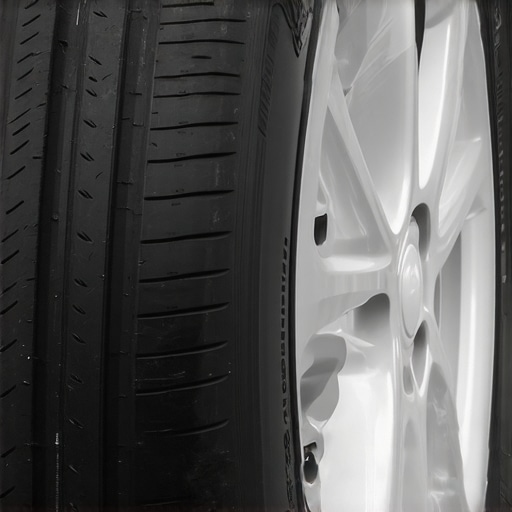
I’ll never forget the frustrating day I noticed my front tires were more worn on the inside edge than the rest. At first, I thought it was just a tire defect or maybe just bad luck. But as I dug deeper, I realized this wasn’t a simple case of tire wear. It was a warning sign—a subtle indicator that something was out of alignment with my vehicle’s health. That discovery changed how I looked at car maintenance forever.
The Hidden Cause Behind Inner Tire Wear
Many drivers overlook this odd tire wear pattern because it doesn’t seem urgent or obvious at first glance. However, ignoring the problem can lead to uneven handling, poor fuel efficiency, and even dangerous blowouts. The root cause is often misaligned suspension components, specifically the camber angle—an invisible but critical element that affects how your tires contact the road. When the camber is off, the tire leans inward, causing the outer edge to wear faster on the inside edge.
Early in my experience, I made the mistake of simply rotating my tires regularly without addressing the root problem. That was a mistake that cost me time, money, and peace of mind. Instead, understanding the real reason behind the wear allowed me to tackle it head-on, saving me from future headaches. Curious if your car might be suffering from this issue? It’s more common than you think, and it’s entirely fixable—often without replacing your tires.
Is Camber Adjustment Really Worth the Effort?
Some skeptics wonder if adjusting the camber or suspension parts is really necessary or just an unnecessary hassle. In my early days troubleshooting, I doubted that a simple alignment adjustment could make such a difference. But after speaking with experts and reviewing case studies, I learned that properly aligning your suspension can extend tire life significantly and improve overall driving safety. A professional alignment, especially targeting the camber angle, can correct this inner-edge wear problem effectively.
If you’re still unsure, I recommend checking out this detailed article which dives into common causes and solutions for uneven tire wear. Trust me, understanding this has saved me from costly repairs and unsafe driving conditions, and it can do the same for you.
Next, let’s explore how you can identify if your vehicle needs an alignment and what steps to take to bring your tires back to a healthy state.
Check Your Tire for Uneven Wear Patterns
Start by thoroughly inspecting your tires for uneven tread wear, focusing on the inside edges. Use a flashlight if necessary to see subtle differences. If you notice excessive wear on the inner side, it’s a clear sign that suspension or alignment issues might be present, similar to how a misaligned camera lens causes blurry images. During my first inspection, I found that my tires showed heavy inner wear on the front left, prompting me to take action immediately.
Measure Your Camber Angle Accurately
Next, use a digital alignment gauge or consult a professional to measure your vehicle’s camber angle. This angle determines how much your tire tilts inward or outward. An inward tilt (negative camber) causes inner edge wear. When I had my camber checked, the technician confirmed it was off by several degrees. Precise measurement is crucial because old methods or eyeballing can lead to misdiagnosis, much like guessing the depth of a pothole instead of measuring it.
Loosen and Adjust Suspension Components Carefully
If your camber angle is misaligned, you will need to adjust the control arm or strut mounts. This process often requires lifting the vehicle, so ensure safety precautions are in place. During my first attempt, I improperly loosened mounts without supporting the vehicle, which caused a slight twist. Remember, suspension parts are like the hinges of a gate—tightening or loosening them changes the entire swing. Consult your vehicle’s manual or a professional if unsure.
Use a Camber Adjustment Kit if Available
Many cars have adjustable control arms or camber bolts that make this process easier. Installing these kits allows for fine-tuning the camber angle systematically. I opted for a kit that came with detailed instructions, which helped me get within 0.1 degrees of the optimal camber—maintaining tire wear balance and prolonging tread life.
Ensure Proper Alignment After Adjustment
Once you’ve made the mechanical adjustments, it’s essential to have a professional alignment performed. Alignment machines use lasers and precise data to set all wheels to manufacturer’s specifications. This step prevents future uneven wear, as improper alignment can negate your earlier efforts. During my appointment, the technician recalibrated the angles, verifying that my tires would wear evenly again.
Test Drive and Re-Inspect Tires
After alignment, take your car for a test drive on varied road surfaces. Pay attention to steering feel, handling, and noise. Recheck the tire wear after several hundred miles—especially the inside edges. If the pattern persists, it might indicate other issues like worn suspension parts or damaged ball joints. Regular inspections help catch problems early, similar to how a mechanic checks your brake pads before they make noise.
Making these adjustments and inspections is akin to fine-tuning a delicate instrument—precision and patience ensure optimal performance. If you’re uncertain about any steps, it’s often best to consult a professional. For additional guidance on suspension issues, visit this detailed article or consider scheduling a comprehensive check with a trusted auto repair service.
Beyond the Surface: Nuances That Can Save Your Car
There’s a trap many drivers fall into when it comes to transmission and brake repair — trusting generic advice without understanding the underlying mechanics. For instance, a frequent misconception is that a slipping transmission always requires an overhaul. But in reality, many issues stem from simple causes like clogged filters or low fluid levels, which can often be remedied with targeted fixes instead of costly replacements. Recognizing these nuances is crucial for effective auto repair and maintaining your car’s longevity.
Are Your Symptoms Misleading You? Think Twice Before Jumping to Conclusions
One common mistake is diagnosing a clutch or gearbox issue based solely on shifting problems. While the transmission might feel unresponsive, the root cause could be a faulty sensor or electrical connection, which are often overlooked. For example, issues like a stuck transmission solenoid or malfunctioning sensors can mimic severe mechanical failures but are entirely repairable with proper diagnostics. According to automotive experts, roughly 70% of transmission issues labeled as ‘severe’ are actually sensor or fluid-related problems. To avoid these costly mistakes, consulting a professional who can perform thorough diagnostics is essential.
The Hidden Risks of DIY Repairs
Many enthusiasts attempt to fix brake systems or replace transmission fluid themselves, believing it’s straightforward. However, improper procedures, like forgetting to bleed the brake lines correctly, can introduce air bubbles that cause spongy pedals or reduce braking efficiency. Similarly, using incorrect fluid or neglecting system flushes can accelerate wear or lead to premature component failure. It’s worth noting that some repairs, such as brake drag fixes, require specific techniques that only professionals have mastered.
Getting the Most from Your Auto Service
Auto repair isn’t just about replacing parts — it’s about understanding the whole system. For example, a neglected engine sensor might cause transmission slipping or poor fuel economy. Regularly scheduled services, combined with diagnostic checkups, can prevent many issues from escalating. Also, be cautious about assumptions that certain symptoms resolve with generic fixes; nuanced understanding ensures you address the actual problem, saving costs and extending your vehicle’s life.
Do you realize how subtle errors in diagnosis can lead to bigger problems? The key is to stay informed and seek expert advice when in doubt. For instance, if your vehicle feels rough when shifting, it might not always be the transmission — sometimes, the culprit is a misaligned sensor or contaminated fluid. For deeper insights into such issues, check out this article about transmission behavior during cold starts.
Understanding these hidden nuances is what separates a casual car owner from a savvy one. Remember, the goal is to maintain a reliable, safe vehicle rather than chase after unnecessary repairs. Have you ever fallen into this trap? Let me know in the comments.
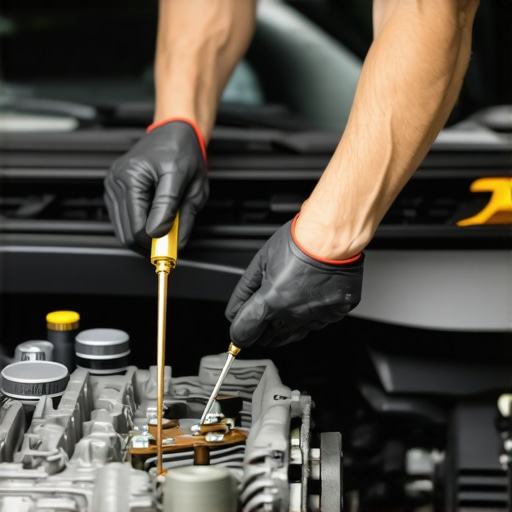
How do I maintain transmission health over time?
Keeping your transmission operating smoothly requires more than just occasional fluid changes. I highly recommend investing in a quality digital transmission fluid tester like the OTC 3518A. It allows me to precisely check fluid temperature, condition, and contamination levels from the comfort of my driveway, enabling early detection of issues before they escalate. Additionally, using a dedicated transmission flush machine such as the BG Quick Clean helps remove deposits without risking incomplete fluid exchange.
When I perform a flush, I always ensure the system is correctly evacuated and refilled using manufacturer-specified fluids, which can significantly extend transmission lifespan. Regular diagnostics with an advanced scan tool like the OBD-II scanner that reads manufacturer-specific codes help spot subtle shifts in vehicle behavior, hinting at impending transmission issues.
Tools I swear by for brake and collision repair
For brake service, the Mityvac Brakemaster vacuum pump has been invaluable in bleeding brakes without introducing air. It is especially effective for those challenging ABS modules where traditional bleeding fails. After years of trial, I’ve found that performing a brake line flush with this device helps maintain consistent pedal feel and prevents sponginess.
In collision repairs, precision is key. I rely on a 3M Dent Puller Kit for minor panel adjustments—saving time and avoiding unnecessary body shop costs. When it comes to realignment, I trust sensor calibration tools to restore advanced driver-assist features post-repair, ensuring safety systems function correctly.
Scaling repairs without compromising quality
As your vehicle ages, adopting a proactive maintenance schedule becomes essential. I recommend setting up a service log that tracks fluid changes, filter replacements, and part inspections. Leveraging software like AutoEnginuity’s ScanTool can help identify emerging issues early, enabling cost-effective fixes rather than major overhauls.
In the future, automation and AI diagnostics will likely revolutionize auto maintenance, offering predictive insights that prevent breakdowns altogether. However, mastering fundamental tools and techniques remains crucial for any enthusiast committed to long-term vehicle reliability. Start by regularly checking your fluid condition and practice safe, accurate self-servicing—these small efforts make a big difference. For instance, periodically performing a quick gearbox fluid check can save you from expensive repairs later on. Give it a try today and experience firsthand how maintaining the right tools makes a tangible difference in your car’s longevity.
Throughout this journey, I’ve realized that knowing the mechanics behind my car’s issues isn’t just about fixing problems—it’s about truly understanding how each part interacts to keep me safe on the road. The lessons I learned about camber angles and suspension nuances taught me that proactive care beats reactive fixes every time. Recognizing subtle signs early—like inner tire wear—can save you from costly repairs and unexpected breakdowns, transforming you from a casual driver into a knowledgeable car owner.
Lessons Only Experience Can Teach
- Never dismiss uneven tire wear—it’s often a whisper from your vehicle about deeper alignment or suspension issues. I used to ignore slight inner wear until I experienced the real cost of neglect.
- Align with purpose, not just convenience—regular wheel alignment isn’t just routine; it’s a strategic move to extend tire life and improve safety. My amateur attempts taught me the importance of precision and professional calibration.
- Tools matter more than you think—investing in quality diagnostic tools like digital camber gauges and scan tools empowered me to catch problems early, preventing big failures down the line.
Tools and Resources That Elevated My Maintenance Game
- OTC 3518A Transmission Fluid Tester: It changed how I monitor fluid health, catching early signs before damage occurs.
- BG Quick Clean: This flush machine helped me maintain clean transmission fluid, boosting performance and durability.
- AutoEnginuity ScanTool: An invaluable device for diagnosing complex issues quickly, saving time and money.
- 3M Dent Puller Kit: For minor collision repairs, it kept costs down and quality up, illustrating how the right tools make a difference.
Your Next Step Might Be Closer Than You Think
Remember, maintaining your vehicle is an ongoing process of learning and adaptation. Whether it’s checking tire wear, aligning your suspension, or understanding diagnostic results, each step builds your confidence and ensures safety. Small consistent actions—like regular tire inspections or consulting proper resources—can have transformative effects. Don’t wait until a minor issue becomes a major headache; embrace proactive care today and watch your vehicle perform reliably for years to come.
Have you ever caught a small problem before it grew? Share your experience below and inspire others to take charge of their vehicle health!
,