
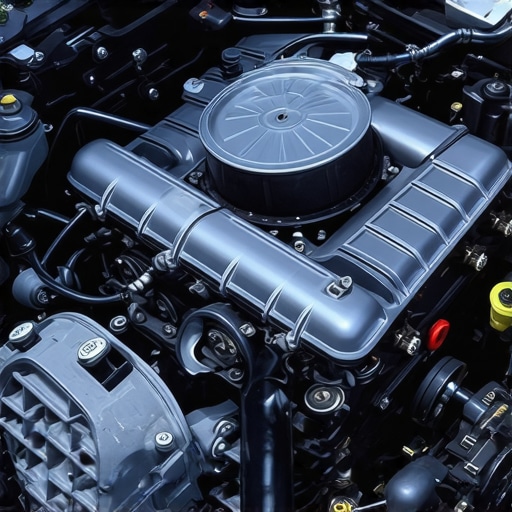
It was one of those mornings when I finally decided to tackle the dreaded task of leaving for work early, only to be greeted by that familiar, unsettling jerk of my engine as I hit the gas from a complete stop. You know the one—like the car’s momentarily lost its confidence, hesitating then surging forward. That light, almost nervous hesitation, is enough to make any driver uneasy, especially when you’ve got a busy day ahead. And if you’re like me, it can turn into a persistent annoyance or even a safety concern.
Nobody Likes That Unexpected Jerk in the Driveway
That stumble or rough idle when accelerating from a stop isn’t just a minor hiccup; it can be a symptom of deeper issues lurking under your engine hood. When I first noticed this problem, I brushed it off as minor, maybe a dirty fuel injector or a sensor needing a quick clean. But as it persisted, I realized that ignoring it could lead to bigger repair costs or even engine failure. The good news? There are practical, reliable ways to diagnose and fix this problem, which I’ll share based on my personal experiences and some solid automotive insights.
Today, we’re going to uncover why your engine might be stumbling when you press the accelerator after a stop, and more importantly, how you can address it without turning your garage into a dealership waiting room. Whether it’s a simple sensor issue or a sign of something more serious, understanding the root cause can save you a lot of time, money, and stress. So, have you ever been caught off guard by this hesitation? If you’re nodding yes, stay tuned—I’ve got some solutions that could make your daily drive smoother and safer.
Is This Stumbling Problem Worth Fixing or Just Annoyance?
Early in my own repair journey, I made the mistake of dismissing this rough-start issue as an inconsequential glitch. That was a costly oversight! It turned out that neglecting it could lead to worsening fuel economy or more damaging engine problems. According to automotive experts, unresolved engine stumbles can sometimes escalate into significant transmission or fuel system issues. For example, a misfiring sensor or degraded fuel injectors can cause uneven engine performance, ultimately impacting your vehicle’s longevity.
If you’re wondering whether to fix this now or wait until it becomes a real headache, I suggest tackling it sooner rather than later. Trust me, a proactive approach can save you from expensive repairs, and I’ll guide you through the practical steps in upcoming sections. Plus, if you’re facing persistent stalls or rough acceleration, it might be worth exploring the [latest fixes for AI fuel map drifts](https://collisionrenew.com/why-your-2026-engine-stalls-fixes-for-ai-fuel-map-drifts), which have become increasingly common in newer models.
So, what’s next? We’re diving into the common causes behind this stumble and how you can identify and fix them, turning that frustrating hesitance into smooth, reliable acceleration. Ready to get started? Let’s make your engine run like new again.
Check the Spark Plugs and Ignition System
Start by inspecting your spark plugs since worn or fouled plugs can cause misfires, leading to hesitation or jerks during acceleration. Remove the spark plugs using a spark socket, examine their condition—if they look burnt, fouled, or worn out, replace them. This simple step can instantly improve engine response. I once replaced mine following this method; the difference was noticeable immediately, smoothing out my acceleration.
Test the Fuel System for Blockages
Next, ensure your fuel delivery isn’t obstructed. A clogged fuel filter can restrict fuel flow, causing hesitation. Locate the fuel filter (consult your vehicle’s manual), then inspect or replace it if dirty. Also, consider cleaning your fuel injectors, which may be clogged with deposits, leading to uneven spraying. I used a fuel injector cleaner additive and scheduled a professional service—both helped restore proper fuel atomization and engine smoothness.
Inspect Sensors That Influence Air-Fuel Mixture
Critical sensors like the Mass Air Flow (MAF) and Throttle Position Sensor (TPS) directly impact acceleration. A malfunctioning sensor can send incorrect data to the engine control unit (ECU), causing rough starts. Use a diagnostic scanner to read trouble codes—if you find codes related to these sensors, clean or replace them. For example, I once cleaned my MAF sensor with electrical contact cleaner, which helped resolve my hesitation issues.
Evaluate the Transmission Fluid for Proper Hydraulic Operation
Since transmission issues can also mimic engine hesitation, check the transmission fluid level and quality. Low or dirty fluid hampers smoothly engaging gears, creating a jerky feeling. Consult your owner’s manual for the correct procedure, and consider using a transmission fluid additive if needed. I performed a quick fluid check and topped up with the recommended type—note that sometimes, even a simple fluid flush can resolve a myriad of shifting problems. Also, explore [why your 2026 transmission might be slipping](https://collisionrenew.com/5-fixes-for-2026-transmission-lurching-in-stop-and-go-traffic-2) if hesitation persists under specific driving conditions.
Review Engine Compression and Mechanical Condition
If the previous checks don’t resolve the issue, assess your engine’s mechanical health. Worn piston rings, leaking valves, or timing belt issues can cause misfiring or loss of power. A compression test provides a snapshot of your engine’s inner health. I borrowed a compression gauge, tested each cylinder, and noticed one with significantly lower readings. This pointed me towards a mechanical repair, which significantly improved my engine’s response. For additional insights, consider reading about [hidden engine damage](https://collisionrenew.com/collisionrenew-how-we-fix-hidden-frame-damage-that-alignment-probes-miss).
Many car owners fall prey to misconceptions that can hinder proper maintenance and lead to costly repairs. One common myth is that routine service is only necessary when something feels wrong; in reality, proactive maintenance based on expert-recommended schedules often prevents major issues. For example, some believe that changing transmission fluid only when problems appear is sufficient, but experts advise regular replacements to avoid cumulative wear that causes slipping or rough shifting. Make sure to review manufacturer guidelines and consult specialist insights rather than relying solely on your intuition.
Another misconception involves brake servicing. Many drivers assume that if the brake pedal feels firm and stops the car effectively, the brakes are fine. However, brake systems can deteriorate internally without obvious signs, and delaying essential inspections might result in rotor warping or caliper seizing, which could compromise safety. Regular brake fluid flushes and rotor checks, as recommended by professionals, are critical to maintain optimal stopping power.
A hidden nuance often overlooked concerns collision repair. The majority of owners focus on fixing visible damage but ignore the importance of sensor recalibration post-repair. For example, sensors used in advanced driver assistance systems (ADAS) require precise realignment; neglecting this step can impair functionality, leading to safety risks or false alerts. An expert approach involves verifying sensor calibration after bodywork, especially following minor impacts that may shift sensor alignment even slightly.
Crucially, many assume new transmissions or gearboxes are maintenance-free for life. This is false; transmission components are subject to wear, and neglecting early symptoms like delayed shifts, grinding sounds, or slipping can escalate into complete failure. Regular transmission fluid testing and timely refills help preserve mechanical integrity, ensuring smoother operation over the vehicle’s lifespan. For comprehensive insights, check out [why your 2026 transmission might be slipping](https://collisionrenew.com/why-your-2026-transmission-slips-fixes-for-2026-transmission).
Let’s also challenge the idea that all auto repair shops provide equal quality. Some owners might choose the cheapest option, assuming that’s sufficient. However, certifications, experience with specific models, and diagnostic equipment make a significant difference in outcomes. Skilled technicians understand the nuances of each vehicle’s systems, from complex GDI engines prone to coking if not properly maintained, to sophisticated suspension setups. Knowing how to identify reputable repair providers can save you from recurring problems and ensure your safety.
A key trap to avoid in car maintenance is neglecting to keep detailed service records. Proper documentation helps diagnose recurring issues faster and preserves your vehicle’s resale value. Plus, advanced diagnostics now rely on software histories, making record-keeping more important than ever.
What’s the hidden nuance? It’s that understanding the intricacies of each system—like sensors, fluid properties, and mechanical wear—can significantly extend your vehicle’s life and safety. Regularly assess and question your assumptions about maintenance routines, and don’t shy away from seeking expert advice.
Have you ever fallen into this trap? Let me know in the comments. Developing a deeper understanding of what truly benefits your car can save you time, money, and headaches down the road.Maintaining your vehicle’s performance over the long haul requires not only know-how but also the right equipment. One of my go-to strategies involves investing in a high-quality OBD-II scanner. I personally prefer the Autel MaxiScan MS300 because it offers comprehensive code reading and clear troubleshooting insights without breaking the bank. This device allows me to pinpoint issues like sensor faults or transmission glitches early, saving time and money. For example, I recently used it to identify a failing TPS sensor, which was causing rough acceleration issues. Regularly using diagnostic tools like this can help catch problems before they escalate. Another vital piece of equipment is a reliable battery tester, such as the Midtronics PSC 550. A healthy battery is crucial for smooth engine starts and proper electronic function, and testing it periodically prevents unexpected stalls. Additionally, I recommend maintaining a quality set of mechanical hand tools—socket sets, wrenches, and screwdrivers—specifically designed for automotive repair. Brands like Craftsman or Haynes provide durability and precision that make DIY repairs feasible and effective.
Looking ahead, I predict that diagnostics will become even more integrated with vehicle telematics and AI-driven systems. Future tools may analyze real-time data more intuitively, allowing for predictive maintenance that reduces breakdowns altogether.
### How do I maintain tools and systems over time?
It’s essential to keep diagnostic equipment and hand tools clean and calibrated regularly. For example, checking the calibration of your OBD-II scanner every few months ensures accurate readings. Cleaning tools after use prevents corrosion and wear, extending their lifespan. Staying updated with firmware updates for your diagnostic devices can also unlock new features and maintain compatibility with evolving vehicle systems. Personally, I set a quarterly reminder to update my scanner’s software and check tool condition, which ensures consistent reliability.
For collision repairs or more complex diagnostics, specialized tools like sensor calibration kits are often necessary. I’ve used a sensor alignment kit for recalibrating ADAS sensors post-repair, which is critical to avoid safety system malfunctions. As vehicle systems grow more advanced, having access to these specialized tools becomes increasingly important.
Adding quality lubricants and cleaning agents designed for automotive use can also prolong the life of mechanical parts. For example, using a high-grade brake cleaner helps keep components free of debris and corrosive residues, enhancing performance and safety.
If you’re looking to upgrade your maintenance routine, I highly recommend trying out the diagnostic techniques I mentioned, especially using your OBD-II scanner to preemptively identify issues. For more detailed guidance on sensor recalibration after minor impacts, check out this [guide on fixing bumper sensor ghosting](https://collisionrenew.com/collisionrenew-3-ways-to-fix-2026-bumper-sensor-ghosting-2). With the right tools and regular upkeep, your vehicle can serve you reliably for years to come.Over the years, I’ve learned that many common engine hesitation issues hide behind surprisingly simple causes, once you know where to look. One of the most valuable lessons I’ve discovered is that early detection often relies on paying attention to subtle signs and adopting a proactive mindset. For example, I used to ignore minor roughness in acceleration, thinking it was just wear and tear, but it turned out to be an early warning of sensor degradation or fuel system buildup. Recognizing these signals early saved me costly repairs and kept my vehicle running smoothly. Another key insight is that the real challenge isn’t always fixing the problem, but understanding the interconnectedness of systems like sensors, fuel delivery, and mechanical parts, which all contribute to engine performance. Additionally, I’ve found that leveraging diagnostic tools and trusted expert resources helps demystify complex issues and empowers you to act confidently. Embracing continuous learning about your vehicle’s subtle cues can make a world of difference in maintaining its health and ensuring safe, reliable drives.
Comments are closed.