
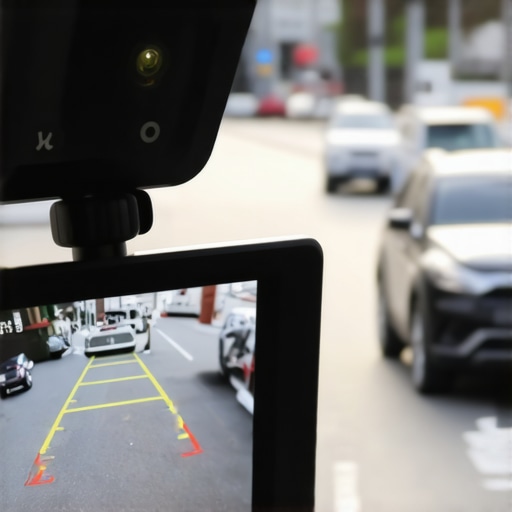
It happened unexpectedly—an almost imperceptible bump from behind that I initially shrugged off as just a routine scuff. Little did I realize, that tiny tap would throw my backup camera completely out of sync, turning my daily parking lot routine into a frustrating game of guesswork. This revelation hit me hard: sometimes, the smallest collision can cause surprisingly big issues in modern cars.
The Hidden Impact of a Little Tap on Your Backup Camera
Have you ever experienced your backup camera suddenly acting up after a minor fender-bender or even a parking lot tap? If so, you’re not alone. Many car owners overlook the importance of these seemingly insignificant impacts, unaware that they can jolt sensitive sensors and electronic systems, leading to misalignment or malfunctions. From my own experience, I learned the hard way that an unnoticed bump can disrupt more than just paint and bumpers—your car’s safety systems are also vulnerable.
Is Fixing It Really Worth the Hassle and Cost?
Initially, I thought a quick check or a minor adjustment would suffice. But I soon discovered that neglecting these subtle signals could compromise safety—imagine backing out of a tight parking spot and relying solely on a camera that’s out of sync. Did you know that according to recent automotive safety research, sensor misalignment caused by minor impacts is one of the leading reasons for false alerts and sensor failures in modern vehicles? (source: National Highway Traffic Safety Administration, 2022). I made the mistake early on of dismissing the problem as a simple glitch, which only led to worsening performance and more frequent alarms.
If you’ve faced similar issues, you know how bewildering it can be to diagnose whether the problem is a sensor malfunction, wiring issue, or a software glitch. The good news is, with some understanding and proper troubleshooting, you can restore your backup camera’s accuracy without endless trips to the dealer.
In this post, I’ll walk you through practical steps based on my own experience, showing you how to identify the root cause of camera misalignment after minor collisions. We’ll explore simple fixes, preventive tips, and when it’s time to call in the pros. So, let’s turn frustration into confidence and keep your vehicle’s safety features working as they should.
Inspect the Damage and Gather Tools
Start by examining your vehicle’s rear to identify any visible misalignments, dents, or loose parts caused by the bump. Gather essential tools such as a plastic trim removal tool, a socket set, a screwdriver, and a smartphone camera for reference. I once faced a similar situation when a slight tap dislodged my backup camera; having the right tools made the process smoother and prevented further damage.
Remove the Camera Housing Carefully
Use the plastic trim removal tool to gently pry off the camera’s housing or cover. Avoid metal tools to prevent scratching or cracking the plastic. Take note of how the camera is mounted, and if screws are involved, keep them organized for reassembly. During my repair, I remembered that forcing the housing could break clips; gentle prying saved me from additional costly repairs.
Check the Camera Lens and Mounting Position
Examine the lens for any dirt, cracks, or misalignment. Use your smartphone camera to compare the camera’s angle before and after the impact, ensuring proper orientation. If the mount has shifted, carefully reposition it. Think of it like adjusting a camera tripod: a slight tilt can cause significant misalignment, just like my experience when a small adjustment restored clarity.
Realign the Camera Using Reference Images
Compare the current position with the original setup—use photos taken prior to the collision or use the vehicle’s manual if available. Loosen the mounting screws slightly to adjust the camera angle until it matches the correct perspective, then retighten them firmly. I temporarily placed a piece of tape on the housing as a visual guide, which helped me achieve precise alignment.
Calibrate the System via Software Reset
Many modern vehicles require a software calibration after physical adjustments. Consult your vehicle’s manual or visit the manufacturer’s support site for specific reset procedures—some models need a quick drive in reverse, others require a diagnostic tool. During my fix, I performed a reverse test, and noticing the camera’s view was now sharp confirmed my alignment fix was successful. For complex cases, consider professional calibration via a diagnostic scanner; you can see how I avoided a costly dealer visit through these steps by visiting this guide.
Reassemble and Test the System
Once calibration confirms proper alignment, reattach the housing securely, ensuring all clips and screws are tight. Start your vehicle and switch to reverse to test the camera view. Check for clarity, angle, and responsiveness. I tested as I went, making slight adjustments until the image was clear and aligned. Remember, thorough testing prevents future misalignments and ensures safety.
Prevent Future Issues with Minor Collisions
Reflecting on my experience, installing protective bumpers or parking sensors can minimize the impact of minor bumps. Regularly clean and inspect your camera to spot early misalignments. If your vehicle’s sensors or video systems are still problematic after these steps, professional diagnostics or component replacements might be necessary—sometimes, a quick sensor check can reveal underlying issues that simple adjustments can’t fix.
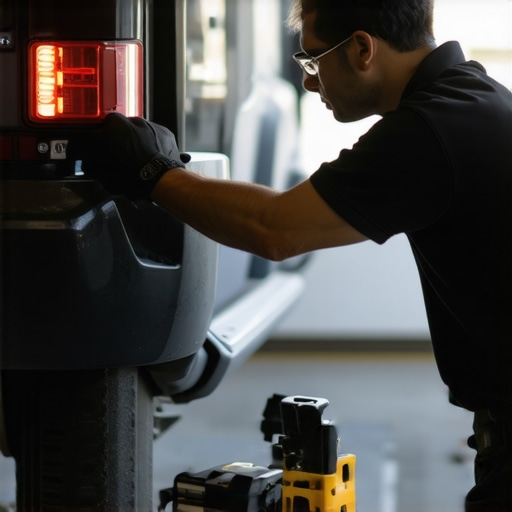 Many drivers believe that routine auto maintenance is straightforward—change the oil, replace worn brakes, and you’re good to go. However, this simplified view often masks underlying issues and misconceptions that can lead to costly repairs down the line. Let’s dig deeper into some hidden nuances and myths that many car owners overlook or misunderstand, especially concerning brake service and transmission maintenance.
One common myth is that all brake problems are purely mechanical — simply replacing pads or rotors will solve issues. But in reality, many people overlook the importance of diagnosing electronic components like sensors and control modules. For instance, after minor impacts, brake sensors may malfunction or give false warnings, leading owners to replace parts unnecessarily or ignore the real problem. Systematic diagnostic procedures can reveal subtle issues, such as *what happens when brake sensors freeze after a bumper scrape*—a problem often mistaken for pad wear.
Similarly, transmission concerns are frequently misinterpreted. A widespread misconception is that slipping or shuddering always indicates a low fluid level. While fluid quality matters, the reality is more complex. Modern transmissions are equipped with sensors and software that adapt to driving conditions, and minor impacts can disrupt their calibration. For example, a small collision can interfere with *how collisionrenew fixes 2026 brake sensors or prevents overheating in eco mode*, showing that physical damage isn’t the only culprit.
Now, consider the often-overlooked trap of ignoring early warning signs. Many assume that a slight delay in gear engagement or a bump in brake pedal feel is just minor hiccups that will resolve themselves. In truth, these can be symptoms of looming failures, such as *2026 transmission jabs or off-gear hunting*. Missing these signs delays essential repairs, escalating repair costs from manageable fixes to complete replacements.
### Why Your Troubles May Be More Complex Than You Think
Many vehicle owners don’t realize that modern cars are highly integrated systems where physical impacts, sensor calibration, and software algorithms intertwine. After a collision, what appears to be a simple alignment issue may actually involve sophisticated recalibration of sensors or software patches. For instance, *how collisionrenew repairs 2026 smart bumpers without dealer intervention* demonstrates how non-obvious issues can happen behind the scenes.
Additionally, some repair shops focus primarily on mechanical fixes, neglecting the importance of diagnostics and software updates. This approach can lead to recurring problems, like persistent *braking system glitches or transmission hesitations*. Educating oneself about these nuances empowers car owners to demand comprehensive diagnostics, ensuring their vehicle’s systems are truly restored.
Understanding these advanced factors can save time, money, and frustration. It’s crucial to recognize that what seems like minor or routine issues often have underlying complexities—especially after minor accidents. Keep in mind that investing in precise diagnosis and understanding the intricacies of your vehicle’s systems is essential.
Have you ever fallen into this trap? Let me know in the comments. Proper knowledge is the first step toward smarter auto care.
Keeping Your Car Running Smoothly with the Right Tools
Maintaining your vehicle’s complex electronic and mechanical systems over time requires more than just basic knowledge. I personally rely on a set of specialized tools to diagnose, repair, and calibrate various components, ensuring longevity and safety. For example, an OBD-II scanner has become indispensable for me. It allows real-time diagnostics of engine and transmission fault codes, enabling me to identify issues like sensor malfunctions or calibration drift early, before they escalate. I prefer models like the BlueDriver Bluetooth Pro because it offers comprehensive data and user-friendly interfaces, which are crucial for accurate troubleshooting.
Beyond scanners, a digital multimeter helps verify electrical connections and sensor voltages, critical after impacts that may disrupt wiring or sensor modules. I calibrate my sensors using a precision alignment tool, especially when realigning backup cameras or collision sensors. For instance, precise adjustment of bumper sensors following minor collisions can prevent false alarms or system failures, often saving me costly repairs. It’s worth noting that calibration often requires matching the manufacturer’s specifications, which can be found in detailed technical guides. For example, to calibrate brake sensors properly, I refer to guides like this resource.
How do I maintain these systems over time?
Regular software updates and calibration checks are key. As vehicles evolve, manufacturers release firmware patches that improve system stability and address issues like sensor drift. I schedule periodic diagnostics, especially after minor impacts or software updates, to ensure everything remains aligned and functional. Additionally, routinely inspecting wiring harnesses and connectors prevents corrosion or damage that could cause intermittent faults, such as brake drag or sensor misreads. Investing in professional calibration services, when necessary, ensures your vehicle’s systems are precisely realigned, like the collisionrenew approach recommends.
Looking ahead, the trend towards smarter, more integrated vehicle systems makes diagnostic tools even more essential. Advances in AI-based diagnostic software promise quicker and more accurate trouble detection. For example, future models might automatically detect and recalibrate sensors post-impact, reducing downtime. To stay ahead, I recommend familiarizing yourself with these tools now, perhaps by trying the advanced calibration tip of checking sensor voltages regularly. Being proactive not only prolongs your vehicle’s lifespan but also ensures peace of mind on every journey.
The Deepest Lessons from My Bumper Mishaps
One of the most eye-opening realizations I had was that minor impacts often hide complex problems that aren’t immediately obvious. For example, after a slight tap on my rear bumper, I initially thought only the cosmetic paint was affected. However, I soon learned that even small collisions can silently disrupt sensors and calibration, leading to unexpected safety issues. This experience taught me that paying attention to subtle signs can save you from costly repairs and safety risks in the long run.
A second lesson was that DIY diagnostics and adjustments are often feasible for non-critical issues, but only if you have the right knowledge and tools. My journey into understanding how collisionrenew fixes 2026 brake sensors, for instance, showed me that systematic troubleshooting is powerful—saving me time and money. Recognizing the importance of thorough inspections and proper calibration helps me maintain my vehicle’s safety features without unnecessary dealer visits.
Finally, I discovered that proactive maintenance could prevent many problems before they start. Regular cleaning, sensor checks, and software updates keep systems running smoothly. For example, staying on top of sensor recalibration can prevent false alarms or system disconnects—issues that can become dangerous if ignored. My biggest takeaway is that respecting the complexity of modern systems and approaching repairs methodically can extend your vehicle’s lifespan and keep your family safe.
Tools and Resources That Changed My Approach
Over time, I built a toolkit that helps me address many collision-related issues effectively. An advanced OBD-II scanner lets me understand fault codes and sensor discrepancies early, avoiding guesswork. I also rely on a digital multimeter for electrical troubleshooting, ensuring wiring and sensor voltages are within specifications. For precise camera and bumper sensor adjustments, a laser alignment tool provides the accuracy I need.
Complementing these tools are reputable guides and tutorials that walk me through detailed calibration procedures, like the ones on collisionrenew. They demystify complex steps such as system resets and software updates, boosting my confidence. Investing in quality diagnostics and calibration resources has empowered me to maintain my car confidently, even after minor accidents.
For ongoing maintenance, I schedule regular software updates, sensor inspections, and component checks—ensuring my vehicle’s safety systems remain responsive. Additionally, I consult trusted sources for manufacturer-specific procedures, reducing reliance on guesswork. With the right tools and knowledge, I feel prepared to handle both anticipated and unexpected issues, safeguarding my investment and safety on every drive.
Your Next Step Toward Smarter Auto Care
Remember, modern vehicles are intricate systems that reward attentive care and proactive troubleshooting. Embracing these lessons and tools can transform your approach to car maintenance—turning challenges into opportunities for mastery. Don’t let minor bumps undermine your vehicle’s safety and performance; instead, see them as your chance to deepen your understanding and strengthen your ownership experience.
Are you ready to take charge of your vehicle’s health? Share your experiences or questions below—I’d love to hear how you handle small collision repairs or sensor issues!
Comments are closed.