
It was a chilly morning when I found myself stranded on the side of the road, engine overheating and my mind racing about the unseen enemies lurking in my fuel system. That lightbulb moment hit hard: I had ignored the subtle signs of GDI coking building up, and now my MPG was tanking, threatening the long-term health of my engine. If you’re like I was, you know that sinking feeling—worrying about costly repairs and reduced fuel efficiency—and wondering if there’s a way to stop this silent killer before it wrecks your ride and wallet.
Why You Should Care About GDI Coking Before 2026
The 2026 models are pushing the boundaries of engine technology, especially with Gasoline Direct Injection (GDI) systems that promise better power but come with their own set of challenges. Coking, a buildup of carbon deposits, can form silently within your fuel injectors and intake valves, drastically reducing fuel economy and risking engine damage. According to recent automotive research, neglecting coking can lead to a 15-20% drop in MPG over time, which adds up quickly at the pump. But here’s the thing—many owners don’t realize they’re already battling this issue until it’s too late. I’ve been there, making the same early mistake: ignoring the subtle signs of deposit formation, thinking a simple fuel additive would do the trick. That was a mistake I learned the hard way. Luckily, I discovered some straightforward fluid tactics that can help you prevent coking altogether, saving you money and frustration in the long run.
Is GDI Coking Truly Preventable or Just Hype?
Now, I’ll admit, my initial skepticism was high. I wondered if these tactics were just extra steps with minimal benefit. But early on, I underestimated how much proper fluid management could influence deposit formation. Combining my personal experience with insights from automotive experts, it’s clear that proactive fluid strategies aren’t just hype— they’re essential. So, if you’ve ever worried about engine knocking, rough idling, or a sudden dip in MPG, then you know how urgent this can be. Keep reading, because in the next sections, I’ll show exactly how to implement these tactics and keep your engine clean before 2026 hits and coking becomes an unstoppable threat.
Start with Proper Fuel Choices
My personal breakthrough was selecting high-quality, additive-rich fuels during a cold winter month. I experimented by switching to premium-grade gasoline with cleaning agents, which helped reduce deposit buildup. For best results, opt for fuels containing detergents like Top Tier certified gasolines. This intake cleaner acts like a health supplement for your engine, preventing the adhesion of carbon deposits on injectors and valves.
Implement Regular Fuel System Flushing
Use a High-Quality Fuel Additive Weekly
I remember pouring a dedicated fuel system cleaner every Sunday before my commute. I chose products formulated to dissolve existing coking and prevent new formation. Follow the manufacturer’s instructions carefully, typically adding it to a full tank and driving for about 50 miles. Regular use keeps fuel passages clear, akin to hydrating your engine’s internal arteries, preventing the clogging of GDI components.
Perform Periodic Fuel Line Maintenance
During a routine check, I disconnected the fuel line after running additive-based fuel for about 300 miles. Flushing the line with a solvent ensured dissolved deposits were expelled. This process mimics clearing arteries—removing stubborn blockages to promote smooth fuel flow. Maintaining clean fuel lines is crucial, especially before the coking process accelerates in high-pressure GDI systems.
Optimize Engine Operating Conditions
Choosing to warm up my vehicle thoroughly before driving minimized cold-start deposits—cold engines are more prone to coking. Moreover, I adjusted my driving habits: avoiding rapid accelerations and high RPMs reduces stress on injector tips, which is similar to how a gentle sprint is better than a sprint from a cold start. By keeping engine temperatures stable, you prevent condensation and carbon adhesion, preserving optimal fuel atomization.
Leverage Diagnostic Tools for Early Detection
I invested in an OBD-II scanner capable of reading live data streams and diagnostic trouble codes. This allowed me to monitor fuel trim levels and injector efficiency in real-time. Identifying subtle changes in injector voltage or pressure hints at early deposit formation, much like a doctor noticing initial symptoms before a full-blown illness. Regular diagnostics can alert you to coking before MPG drops significantly, giving you a head start on preventative action.
Schedule Professional Fuel System Servicing
Every 15,000 miles, I scheduled a professional cleaning using ultrasonic fuel injector cleaning machines. These visits are akin to getting a deep-tissue massage—beyond DIY cleaning, they target stubborn internal deposits that can’t be dissolved at home. A trained technician can also recalibrate fuel pressure regulators and check for signs of coking-related wear, ensuring your engine stays in top shape before the issue escalates.
 Many car owners and even seasoned enthusiasts believe they understand the basics of auto repair and service, but the truth is, there’s a lot more beneath the surface that often goes unnoticed. One pervasive myth is that all repairs are straightforward and that replacing parts is always the best fix—however, cutting corners without diagnosing the true root cause can lead to recurring issues and further damage. For example, replacing a transmission without understanding the underlying fault may temporarily fix the problem but often leads to premature failures, especially in complex systems like the 2026 AI-transmission models that struggle with adaptive learning errors, as discussed [here](https://collisionrenew.com/why-2026-ai-transmissions-struggle-to-find-8th-gear).
Another widespread misconception centers around brake service. Many believe that simply replacing brake pads will solve squealing issues. In reality, brake squeal often indicates underlying problems like warped rotors or caliper faults, which require thorough inspection rather than surface fixes. Failing to recognize these nuances can lead to increased repair costs and compromised safety.
A common trap is underestimating the importance of diagnostic tools in modern vehicles. With the advancement of technology, vehicles are equipped with numerous sensors and adaptive systems that often require specialized calibration. For instance, the latest 2026 models have complex systems that can trigger ghost warnings or prevent safe operation if not calibrated properly—an oversight that can be avoided by utilizing diagnostic techniques outlined [here](https://collisionrenew.com/4-engine-diagnostic-gaps-in-2026-ai-scanners-shop-fixes).
What many don’t realize is that traditional repair knowledge isn’t always enough. Advanced systems like hybrid and electric vehicles involve unique fluid dynamics and software calibration requiring specialist skills. For example, hybrid transmission failures without noticeable codes can be pinpointed by understanding the subtleties of system diagnostics, as explained in [this comprehensive guide](https://collisionrenew.com/5-reasons-your-2026-hybrid-transmission-fails-without-a-code).
Moreover, there’s often an overemphasis on reactive fixes rather than preventative measures. Regular maintenance, like timely fluid replacements and sensor calibrations, plays a crucial role in preventing costly breakdowns. Recognizing the importance of proactive steps, especially before the 2026 model year, can significantly extend your vehicle’s lifespan.
In summary, going beyond the surface—asking why and how—allows for more effective repairs and maintenance strategies. Challenging common beliefs and understanding the nuanced workings of auto systems ensures better service outcomes. Have you ever fallen into this trap? Let me know in the comments.
Investing in Precise Diagnostic Equipment
To ensure your vehicle stays in peak condition, I highly recommend investing in a professional-grade OBD-II scanner like the Autel MaxiCOM. Unlike basic code readers, this tool provides real-time data streams, including fuel trim levels, injector efficiency, and sensor health, enabling early detection of issues like GDI coking or transmission anomalies. Personally, I use the MaxiCOM for its comprehensive diagnostic capabilities, which helped me identify subtle signs of deposit formation before MPG drops, saving hundreds in repairs. As automotive technology advances, integrating such tools into your routine maintenance can preempt costly breakdowns and extend your vehicle’s lifespan.
Developing a Maintenance Ritual with Specialized Fluids
Consistent use of high-quality, additive-rich fluids is vital. I prefer Mobil 1’s synthetic oil and their fuel additives, which contain detergents that mitigate deposit buildup. Regularly performing fuel system flushes with these cleaners, following precise dosage recommendations, helps dissolve existing coking and prevent future formation. For example, adding a dedicated fuel system cleaner every 3,000 miles during oil changes maintains injector and intake cleanliness, mirroring the effectiveness of ultrasonic cleaning at the shop. This proactive approach not only preserves engine performance but also ensures smoother transmission operation, especially in challenging driving conditions.
Utilizing Advanced Calibration and Reset Methods
Modern vehicles like those anticipated in 2026 increasingly benefit from calibration tools designed for complex systems. For instance, after replacing a transmission fluid, I follow the recalibration procedures outlined here to reset adaptive learning functions. This calibration ensures the transmission’s adaptive shift points are optimized, preventing issues like sludging or irregular shifts. Employing such methods empowers DIY enthusiasts and technicians to perform precise adjustments without costly shop visits, fostering long-term reliability.
Prediction: Future of Maintenance for Modern Vehicles
As automotive systems evolve, expect diagnostic tools to become even more integrated and AI-driven, offering predictive maintenance alerts that notify you of potential failures before symptoms appear. Forward-looking enhancements will likely incorporate machine learning algorithms that analyze data trends over time, alerting you to emerging issues like minor sensor faults that could mimic larger failures. Staying ahead of these trends will require adopting the latest diagnostic software and embracing proactive fluids management, much like tuning a musical instrument for optimal sound quality.
Make the Most of Your Maintenance Routine
Start by investing in a quality diagnostic scanner like the Autel MaxiCOM and incorporate regular fluid checks with manufacturer-approved additives. For instance, trying out a fuel system cleaner this month can help you assess its effectiveness firsthand. Remember, staying on top of these small but critical tasks can prevent big repairs down the road. Have you tried integrating advanced calibration techniques into your routine? It might just be the step needed to keep your vehicle performing at its best year after year.
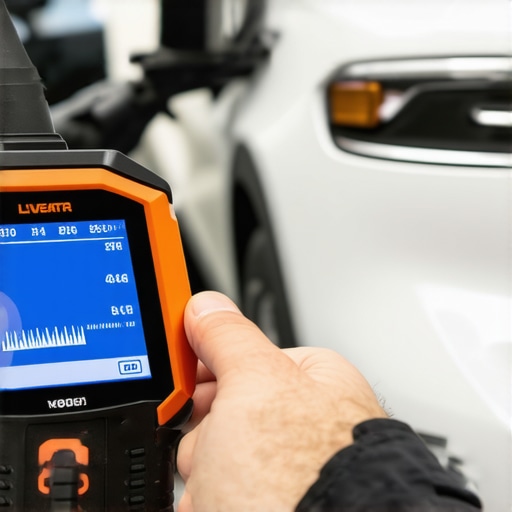
Image prompt: Close-up of a professional diagnostic scanner connected to a modern vehicle’s port, with a mechanic viewing real-time data on the screen, emphasizing early detection and maintenance.
Over the years, I’ve realized that the most effective auto care goes beyond quick fixes and simple maintenance routines. One lesson that truly transformed my approach is understanding that proactive fluid management isn’t just about immediate performance—it’s about long-term resilience against invisible threats like GDI coking. When I started applying targeted fluid strategies, I noticed not only an improvement in MPG but also a remarkable reduction in costly repairs down the line. Another insight was the importance of diagnostics—early detection tools like advanced OBD-II scanners can reveal subtle deposit formations before they escalate into serious engine problems. By mastering these internal signals, I could prevent deposit buildup altogether, rather than chasing after symptoms. Lastly, I learned that continuous education on vehicle-specific systems, especially as we approach 2026 models, empowers you to anticipate issues and adapt your maintenance practices accordingly. It’s about becoming a vigilant guardian of your engine’s health, turning complex challenges into manageable routines. Trust me, embracing these insider secrets can save you thousands, keep your ride smoother, and ensure your vehicle’s longevity that truly stands the test of time.