
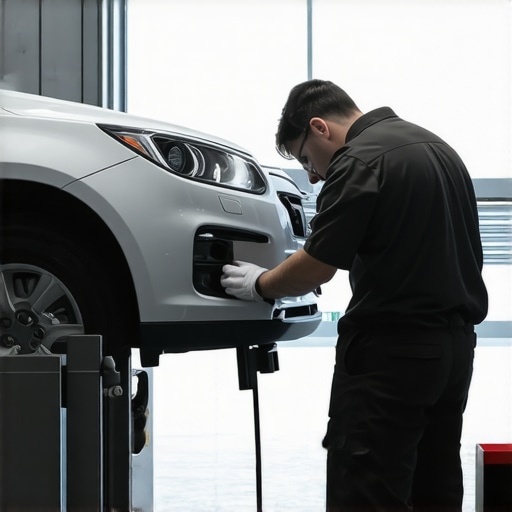
I remember the exact moment I realized I had a problem. It was after I reluctantly took a minor hit on my car’s bumper. I thought, a quick repair, and I’d be back on the road. But then, strange things started happening—warning lights flickering, the airbag system acting up. At first, I brushed it off as just a coincidence, but it soon became clear that my simple collision repair had unintended consequences. That experience taught me a valuable lesson: repairing bumpers without triggering airbag faults isn’t as straightforward as it seems.
Your Bumper Repair Dilemma: Avoiding Hidden Pitfalls
If you’re like me, you’ve probably wondered whether there’s a way to restore your bumper after a minor scrape or tap without risking the dreaded airbag fault. The good news is, with some careful techniques and a bit of know-how, you can get a professional-quality repair that respects your vehicle’s safety systems. Today, I’ll share what I’ve learned through trial, error, and a lot of research, including how to prevent those annoying sensor errors that can pop up after a repair.
Is Bumper Repair Without Triggering Airbag Faults Really Possible?
Early in my repair journey, I made the mistake of thinking that any bump was simple enough—a quick repaint, maybe some filler—and I’d be good. But I failed to realize how complex the sensor calibration actually is. According to auto safety experts, modern vehicles’ airbag systems are sophisticated, with sensors that can be easily upset or misaligned during even minor cosmetic repairs (more details here).
My light bulb moment came when I realized that just plugging and patching isn’t enough; it’s about understanding the sensors’ position and calibration. Ignoring this step can cause false triggers or safety system malfunctions. I learned this the hard way, and I want to help you avoid the same mistake.
So, if you’ve faced this dilemma—thinking a bumper repair is a simple fix but worried about safety system errors—know that it’s entirely manageable. With the right approach, you can restore your bumper and keep your airbags and sensors working flawlessly. Ready to dive into the how-to? Let’s get started with some practical strategies that will save you time, money, and peace of mind.
Carefully Disconnect Sensors Before Repair
During my repair, I first located the sensors embedded in the bumper by consulting the vehicle’s manual. I gently unplugged wiring connectors, being mindful not to snag or force them, which could cause damage. This step ensures the sensors aren’t misaligned or affected during bodywork, preventing false fault triggers. Remember, these delicate connectors are the vehicle’s safety gatekeepers—they must be handled with care.
Use Proper Tools and Techniques for Bodywork
For filler and paint, I employed a priming process suited for plastics, avoiding overly aggressive sanding that might misalign sensor mounts. I applied paint in thin coats, allowing curing time between applications, to prevent layer buildup that could shift sensor positions. Think of it like tuning a musical instrument—precision at each step maintains harmony and safety of the system. Skipping these steps can lead to sensor miscalibration, which might make your airbags deploy unexpectedly.
Apply Correct Calibration Protocols
After physically repairing the bumper, I didn’t assume everything was back to normal. I used a calibration scanner compatible with my vehicle’s make and model to re-align the sensors. This is akin to re-tuning a guitar; proper calibration ensures all components work in concert. I connected the scanner, followed the on-screen instructions, and waited for the system to confirm alignment. This process is vital—ignoring it might leave the sensors misaligned, risking false alerts or failure to deploy airbags during an accident. For detailed sensor realignment methods, check this guide.
Perform Post-Repair System Testing
Once calibration was complete, I used an OBD-II scanner to verify that no fault codes remained. Turning on the ignition, I observed the dashboard for any warning lights, making sure all systems checked out. This final step is like a pilot conducting a pre-flight checklist—crucial for safety assurance. Only after confirming the absence of errors did I reattach the sensors securely, ensuring everything stayed calibrated and functional. Consistent testing helps prevent unexpected failures and keeps your vehicle’s safety system reliable.
Seek Professional Assistance When Unsure
During my initial attempts, I was tempted to DIY everything, but I quickly realized some tasks, like sensor calibration, are best left to professionals. When in doubt, consulting a collision repair specialist or a dealership ensures your vehicle’s safety systems stay intact. Remember, a properly calibrated bumper not only looks good but keeps your airbags ready to protect you in an emergency. Don’t compromise safety for convenience—precise calibration is essential after any bumper repair that involves sensors.
Many car owners believe they understand the basics of auto repair, but in reality, several misconceptions can lead to costly mistakes. One prevalent myth is that all brake pads are the same, leading many to ignore the importance of choosing the right type for their driving style. In truth, high-performance pads or ceramic options offer different benefits and wear rates; failing to select appropriately can result in uneven brake wear or reduced stopping power. When it comes to transmission service, some assume that flushing the system is unnecessary if the fluid isn’t visibly dirty. However, newer expert insights emphasize that synthetic transmission fluids can degrade over time, impacting shift quality and longevity (learn more about transmission fluid health). A common auto repair misconception is that regular oil changes are all that’s needed for engine health. In reality, neglecting other aspects like coolant, belts, and sensors can cause silent failures that exacerbate costs. Many people also think that small collision dents are purely cosmetic and don’t affect safety. This can be dangerous, especially if sensors or structural components are compromised—a critical point highlighted when realigning bumper sensors after minor accidents (sensor calibration matters). A specific trap to avoid is ignoring warning signs like high-pitched brake squeal or pulsing pedals, which often indicate underlying issues with rotors or calipers needing professional attention. For instance, unresolved brake pulsation can lead to uneven pad wear or reduced braking efficiency. Also, assuming that simpler repairs eliminate the need for a professional diagnostic can backfire. Advanced systems like adaptive cruise control or lane assist rely heavily on calibrated sensors and software—overlooking these nuances can trigger false alarms or disable safety features unexpectedly. To help decode these complex issues, consider exploring our detailed guides on things like stopping squeals after a brake job (prevent squeal recurrence) and how to properly recalibrate sensors following minor collisions (sensor realignment strategies).
Make no mistake: understanding these nuances isn’t just for mechanics but for anyone serious about maintaining their vehicle’s safety and performance. Have you ever fallen into this trap? Let me know in the comments and share your experiences—let’s dig deeper together.
Maintaining your vehicle’s complex systems, especially safety features like sensors and airbags, requires more than just routine inspections—it demands precision tools and expert methods. Over the years, I’ve honed a toolkit that ensures my auto repairs are durable and reliable, reducing the risk of future malfunctions that can compromise safety.
Prioritize the Right Equipment for Accurate Repairs
One of my go-to tools is a high-quality sensor calibration scanner compatible with my vehicle’s make and model. I personally prefer the Autel MaxiSYS series because it offers comprehensive diagnostics and precise calibration functions. Its user-friendly interface and detailed prompts guide me through sensor realignment after any bodywork or collision repair, ensuring the systems are in sync. Investing in such a scanner saves time and prevents costly repeat adjustments, which I learned the hard way early in my repair endeavors.
In addition, I rely on a set of precision screwdrivers and unplugging tools designed for delicate connectors. Using the correct tools minimizes the risk of damage during sensor disconnection or reinstallation, which is crucial for maintaining your vehicle’s safety integrity.
Embrace Software-Driven Diagnostics for Long-Term Satisfaction
Beyond physical tools, software diagnostics play a vital role. I use OEM-specific diagnostic software that communicates directly with the vehicle’s ECU, providing real-time fault codes and recalibration options. For example, when addressing issues like false airbag warnings after minor repairs, this software helps accurately re-synchronize sensors and confirm system functionality without guesswork.
Predicting the future, I believe integration of AI-driven diagnostics will become even more vital. These systems will analyze patterns and suggest precise calibration adjustments, making repairs faster and more foolproof. The more data they process, the better they’ll become at predicting system failures—potentially preventing safety hazards before they manifest.
How do I maintain sensor calibration over time?
Regular calibration is essential to ensure sensors continue functioning correctly as your vehicle ages. After any body repairs, especially involving bumpers or structural modifications, always re-calibrate sensors using your scanner. Additionally, keep sensors clean and free from debris—dust and grime can impair sensor accuracy. I also schedule periodic diagnostic checks, even if no warning lights are on, to catch any drift in sensor alignment before it becomes problematic. This proactive approach prolongs the life of your safety systems and maintains optimal performance.
For more detailed calibration procedures, I recommend consulting with professionals or using reputable guides such as this resource, which illustrates the importance of proper sensor realignment after minor collisions.
If you haven’t invested in a dedicated calibration scanner yet, consider starting with a reputable model like the Autel MaxiSYS. It will give you confidence that your repairs are precise, saving you money and ensuring safety in the long run. Plus, mastering calibration techniques adds a valuable skill to your auto repair arsenal, making you more self-sufficient and aware of your vehicle’s needs.
Through my journey of auto repair, I discovered that the insights you gain from hands-on experience are invaluable. One of the toughest lessons was realizing that even minor bumper repairs could inadvertently disrupt your vehicle’s safety sensors if not handled properly. This revelation pushed me to learn precise calibration techniques and invest in reliable diagnostic tools, transforming my approach from guesswork to expertise.
Secrets the Pros Keep About Safe Bumper Restoration
- I learned that disconnecting sensors before bodywork isn’t optional; it’s essential to prevent misalignments that could trigger false fault codes.
- The importance of using specialized calibration scanners cannot be overstated—they ensure sensors are aligned perfectly after repairs, maintaining your safety net.
- Understanding the subtle differences between repair methods can save you from costly rework and safeguard your vehicle’s safety features.
- Sometimes, seeking professional calibration services is the wisest choice, especially when dealing with complex sensor networks or new vehicle models.
Tools and Resources That Elevate My Repair Game
- The Autel MaxiSYS scanner has been a game-changer, offering comprehensive diagnostics and precise sensor calibration—trustworthy for any serious auto repair enthusiast.
- Reputable online tutorials, like CollisionRenew’s sensor realignment guides (this detailed resource), provide step-by-step instructions that boost confidence and accuracy.
- Investing in quality body repair tools minimizes accidental sensor misalignments and ensures a smoother restoration process.
- Staying updated with manufacturer-specific repair procedures ensures your methods are current and compliant with safety standards.
Embrace Your Inner Auto Repair Champion
Whenever you tackle bumper repairs, remember—precision and care safeguard your safety systems and your loved ones. Don’t hesitate to dive deeper into calibration techniques—your vehicle’s safety depends on it. Every maintenance step you take not only restores your car’s look but also keeps its protective features sharp and ready. Are you ready to elevate your auto repair skills and ensure your vehicle’s safety systems keep you protected? Share your experiences or questions below, and let’s grow together as confident DIY enthusiasts.