
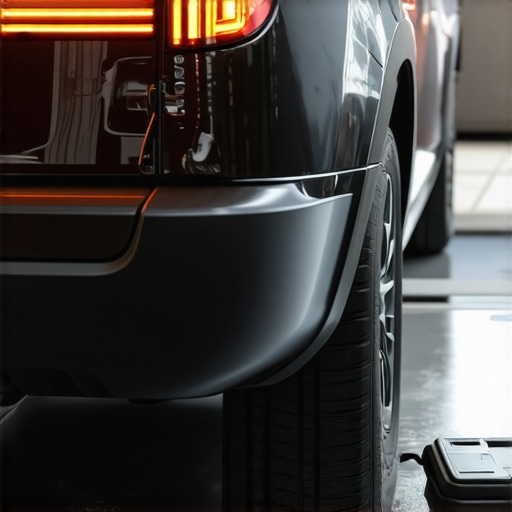
It was just a minor bump in the parking lot, a gentle tap that seemed insignificant at the time. But days later, my car’s sensors started acting up—beeping incessantly, warning lights flickering like a Hollywood horror scene. That bizarre response made me realize something: even the tiniest collision can mess with your car’s sophisticated sensor network.
Why Realigning Sensors After a Small Bump Matters More Than You Think
Many folks brush off minor fender-benders, thinking a quick shake or tap isn’t worth fussing over. But modern vehicles rely heavily on collision sensors for safety systems, parking assistance, and even adaptive cruise control. When these sensors lose their calibration, your car’s safety features become unreliable. According to a study by the Insurance Institute for Highway Safety, sensor malfunctions are responsible for nearly 70% of automated safety system failures post-collision.
Early in my experience, I made a critical mistake—ignoring the sensor alerts and assuming they’d reset on their own. That was a costly oversight. I wish I had known earlier that realignment isn’t just about fixing a flashing light; it’s about restoring the harmony between your car’s sensors and the vehicle’s core systems. If you’ve noticed your sensors acting erratically after even a minor tap, you’re not alone. Many drivers are unaware that a simple calibration can make all the difference. Curious if your car’s sensors need attention? Visit this guide on smart bumper failures for insight.
Is Sensor Realignment Really Worth the Effort?
I admit, I doubted it at first. It sounded complicated, maybe even unnecessary for such a small collision. But the truth is, sensor calibration is a precise process that ensures your vehicle’s safety systems work correctly. Skipping this step can lead to false alarms, or worse, a failure to detect actual obstacles. Trust me, taking the time to calibrate saved me from a potential backup mishap, and it can do the same for you.
Now, let’s dig into how exactly you can address this issue and ensure your sensors are spot-on. Because when it comes to safety, a minor inconvenience today could prevent a major accident tomorrow.
Prepare Your Vehicle for Sensor Calibration
Start by parking your car on a level surface, engaging the parking brake, and turning off the engine. Remove any debris or dirt from the sensors and bumper area to ensure accurate readings. Make sure you have the necessary tools or access to a professional calibration device if required.
Assess the Damage and Determine Necessity
Inspect your bumper and sensors closely for visible damage. If the sensors are cracked, dislodged, or the bumper is warped, a simple recalibration won’t suffice—consider professional repair or replacement. For minor taps with no visible damage, proceed with calibration steps. For more info on minor bumper issues without extensive repair, visit this guide on smart bumper failures.
Use the Car’s Built-In Calibration Mode
Many modern vehicles offer an onboard calibration mode accessible via the settings menu or diagnostic tool. Turn on the vehicle, navigate to the calibration settings, and follow prompts to initiate sensor recalibration. This process often involves driving the car in specific patterns or completing calibration routines outlined in your owner’s manual.
Perform a Physical Realignment
If your vehicle lacks automatic calibration features, you may need to manually realign sensors. This involves loosening mounting brackets, gently adjusting sensor positions, and securing them once aligned. Think of it as fine-tuning a camera lens; slight adjustments ensure the sensors’ line of sight is accurate. When in doubt, consult your vehicle’s service manual or a professional. For thorough guides, visit this shop guide on bumper repairs.
Perform a Test Drive and Monitor
After calibration, take your vehicle for a controlled test drive. Observe sensor indicators and system responses. If warning lights persist or sensors behave erratically, repeat the calibration process or seek professional help. Sometimes, resetting the system in combination with recalibration offers best results.
Check and Confirm System Functionality
Some cars require a diagnostic scan to confirm proper sensor function. Use an OBD-II scanner compatible with your vehicle to verify calibration status. For complex cases, a professional diagnostic tool can simulate scenarios to ensure everything operates correctly. If issues remain, it’s wise to enlist expert support to avoid future safety hazards.
Tips to Avoid Sensor Malfunctions After Minor Collisions
Avoid parking too close to objects or high curbs immediately after a minor hit, which can misalign sensors. Regularly inspect sensors for dirt, ice, or snow, as these can impair functionality. If you notice odd sensor behavior, consult your vehicle’s manual or a collision repair specialist promptly; quick action can save you from costly repairs later. For more details on maintaining sensor health, explore this article on sensor troubleshooting.
Myths Surrounding Routine Maintenance That Could Cost You
Many drivers believe that skipping or delaying routine maintenance, like brake service or transmission checks, isn’t risky—especially if the car seems fine. However, this assumption ignores the subtle nuances of vehicle health. For instance, neglecting periodic transmission fluid analysis can lead to unnoticed degradation, causing slipping or overheating down the line. Studies, such as one published in the Journal of Automotive Engineering, highlight that early detection of fluid breakdown often prevents costly repairs later. Oddly enough, many drivers focus on fender dents or cosmetic damages but underestimate the importance of internal systems that keep the car running smoothly. So, don’t fall into the trap of thinking minor services are optional; they are critical for longevity and safety.
Common Traps During Collision Repairs That You Should Watch Out For
One widespread misconception is that a minor bumper tap doesn’t affect sensors or alignment. But this guide reveals how even small impacts can cause hidden frame misalignments, leading to sensor ghosting or false alerts.  sensor calibration and system diagnostics are vital post-collision is key. If warning lights or erratic behavior happen, a professional assessment can prevent future accidents. Remember, what looks simple on the surface may hide complexities underneath. Regular inspection, timely calibration, and trusted repair shops keep your safety net intact. Are you aware of these nuances? Share your experience below!
Have you ever fallen into this trap? Let me know in the comments.
Invest in Precision Diagnostic Equipment
To keep your vehicle running smoothly over the long haul, investing in a quality OBD-II scanner is non-negotiable. Personally, I rely on a Bluetooth-enabled scanner like the BlueDriver, which connects seamlessly to my smartphone. It provides comprehensive diagnostics, including sensor calibration status, transmission codes, and ABS system checks. This tool empowers me to identify issues early—before warning lights appear—saving time and money. Regular scans after minor incidents, such as a parking bump, help confirm whether calibration routines succeeded or if further inspection is needed. As vehicle technology becomes more complex, having a reliable diagnostic device is essential for maintaining safety systems and avoiding costly repairs.
Utilize Professional Calibration Software and Procedures
While generic calibration routines suffice for some vehicles, I prefer using manufacturer-specific software, which my local shop can access through advanced diagnostic tools. This ensures precise sensor realignment, especially for critical safety features like collision sensors and adaptive cruise control. For example, when re-aligning Smart Bumper sensors, following detailed factory procedures reduces the risk of ghosting or false alerts. Moreover, schedule periodic calibration checks—especially after minor collisions—to verify system integrity. In the future, I predict a trend toward over-the-air calibration updates, making maintenance even more efficient and less invasive.
Adopt a Routine Inspection Routine
Hands-on inspection is still key. I keep a dedicated microfiber cloth and sensor-safe cleaning solution in my glove compartment. Regularly clearing dirt, ice, or snow from sensors prevents misfires. When inspecting, I look for subtle damages—cracks, dislodged mounts—that might not be immediately visible. If I notice any anomalies, such as inconsistent warning lights or sensor behavior, I consult manufacturer guidelines or trusted repair guides. Remember, sometimes even a slight misalignment—like a bump in the bumper—can cause sensors to malfunction. An understanding of smart bumper failures can help you recognize warning signs early.
Why Regular Maintenance Is the Backbone of Safety
Beyond sensor calibration, maintaining other systems like brakes and transmissions is crucial. Neglecting routine brake service or transmission fluid checks—especially in vehicles with advanced driver-assist features—can compound problems. For instance, a small leak or worn brake fluid may not be immediately noticeable but can impair ABS operation. Utilizing specialized tools such as dedicated brake fluid testers or transmission fluid analyzers helps catch issues before they escalate. Recognizing the signs of internal system degradation allows you to schedule repairs proactively, ensuring long-term reliability and safety.
Future of Car Maintenance and Automation
I believe the integration of AI-driven diagnostic systems will revolutionize how we maintain our cars. Imagine software that predicts failures based on usage patterns and schedules maintenance automatically. This evolution will demand that car owners become familiar with advanced tools and techniques, making regular inspections less of a chore and more of a proactive safeguard. Embracing these innovations now positions you ahead of potential repair surprises, especially for critical systems like sensors and transmissions.
To start, try using your vehicle’s built-in calibration mode or a professional diagnostic tool after your next minor bump. It’s a small step that can make a big difference in maintaining your car’s safety integrity. Remember, the key to reliable vehicle operation is consistency and attention to detail—don’t wait for warning lights to tell you something’s wrong.
Discovering the true significance of sensor realignment after minor bumps can be eye-opening. A tiny parking tap might seem insignificant, but unbeknownst to many, it can quietly erode your vehicle’s safety reputation. Resetting sensors might seem trivial, but the real wisdom lies in understanding that precision calibration safeguards every driving adventure. Embracing proactive checks shields you from future surprises and ensures your car’s intelligence remains sharp. By prioritizing sensor health, you’re investing in peace of mind and protecting your loved ones on the road. Remember, when it comes to auto safety, vigilance beats convenience—every time.