
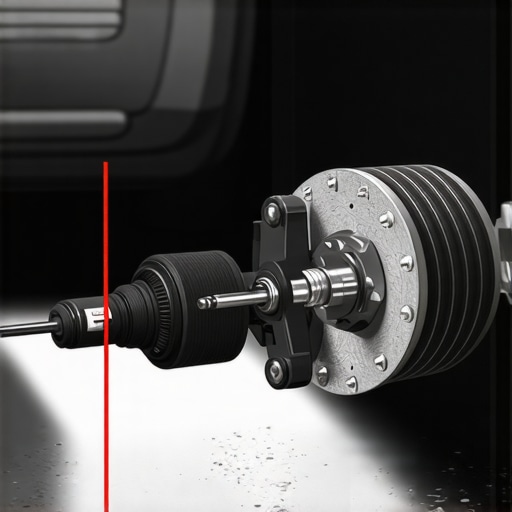
I remember the sinking feeling I had when my brake pedal suddenly felt spongy and unresponsive right after I tried to flush my brake lines on a lazy Saturday afternoon. It was a classic rookie mistake—air in the system. That lightbulb moment taught me a lot about the importance of proper technique. If you’re considering tackling this at home, you’re probably aware of how critical clean brake lines are—your safety depends on it. But the thought of messing up and introducing air into the system can be nerve-wracking. Well, I’m here to tell you, it doesn’t have to be that way. Today, I’ll walk you through a proven method to flush your brake lines without the headache of getting air trapped in the system, saving you money and giving you peace of mind.
Why Fooling with Brake Fluid Isn’t as Scary as It Seems
Many DIY enthusiasts shy away from brake line work because of the fear of creating more problems than they solve—mainly, air in the system leading to a soft pedal, decreased braking power, or even dangerous sponginess. And honestly, those worries are justified if you go at it blindly. The key is understanding the process and using the right tools. Overfilling, not bleeding properly, or rushing through steps can all cause that air pocket culprit to appear. The good news is, with the correct approach, you can avoid these pitfalls. A proper flush not only replaces old, degraded brake fluid but also keeps your braking performance sharp—something no car owner should ignore. Plus, it’s surprisingly straightforward once you get the hang of it, even if you’re not a mechanic. Just remember, prevention beats cure, and a well-maintained brake system can save lives.
Is It Really Worth the Hassle to Do It Yourself?
This question haunted me early on. I was skeptical, worried I’d worsen the situation, or that I’d never get it right. I made the mistake of rushing and not securing the bleeder valves properly, which resulted in having to redo the job. That mistake cost me time and a little confidence. However, I’ve since learned that with patience and the right technique—like using a simple one-man brake bleeding kit—I can confidently handle this task. If you want to dodge the frustration and still ensure your brakes are in top shape, it’s worth learning how to do it correctly. And if you’re unsure about the details, you can always check this page on common mistakes to avoid when flushing brake fluid, so you don’t repeat my early blunders: why your brake pedal feels spongy after a long descent.
So, if you’re tired of feeling helpless every time your brake system acts up or you just want to take control of your vehicle’s maintenance, stick with me. We’ll break down each step and method that guarantees your system stays sealed and air-free. Ready to dive into an easy, effective way to get your brakes smoother and safer? Good. Let’s get started and turn you into your own brake line expert.
Prepare Your Workspace and Gather Tools
Start by parking your vehicle on a level surface, engaging the parking brake, and wearing safety goggles and gloves for protection. Gather a clear container to catch old brake fluid, a wrench compatible with your bleeder valves, clear hoses, fresh brake fluid recommended by your vehicle manufacturer, and a brake bleeding kit if available. Remember, having everything within reach saves time and reduces errors during the process.
Initially Drain the Old Brake Fluid
Locate the brake fluid reservoir under the hood and remove the cap. Using a turkey baster or siphon, remove as much old fluid as possible—this reduces contamination. Next, loosen the bleeder valve on the furthest wheel from the master cylinder (usually the passenger rear). Attach the clear hose to the valve and submerge the other end in your container. Have an assistant gently press the brake pedal to expel fluid, then tighten the valve before they release the pedal. Repeat until the fluid appears fresh and free of debris.
Implement the Reverse Flushing Method
This technique involves pushing new fluid through the system from the wheel back to the master cylinder, akin to reversing a watering hose to flush out clogs. To do this effectively, attach the clear hose to the wheel’s bleeder valve and keep the reservoir topped off with fresh brake fluid to prevent air from entering. Have your assistant press the brake pedal slowly; as they do, open the bleeder valve to let fluid flow out. Once the fluid runs clear and bubbles cease, tighten the valve. Repeat on all wheels following the correct sequence—rear right, rear left, front right, front left—while constantly monitoring fluid levels.
Maintain Continuous Fluid Supply to Avoid Air Introduction
Constantly monitor the master cylinder reservoir while bleeding; low fluid levels can introduce air into the system. Use a funnel or tubing to keep the reservoir topped off with fresh brake fluid without overflowing. This careful handling ensures the system remains sealed and prevents air pockets from forming.
Utilize the One-Man Bleeding Technique for Efficiency
I once tackled this task alone by using a dedicated bleeding kit that creates a vacuum seal around the bleeder valve—similar to a syringe connected to a syringe pump—allowing me to pull fluid through without needing an assistant. This method greatly reduces the risk of air getting trapped. During my first try, I was meticulous about sealing the system after each wheel to prevent air ingress, which resulted in a surprisingly smooth pedal feel post-procedure. Practice makes perfect, and tools like these can make DIY brake flushing straightforward.
Final Checks and Test Drive
Once all wheels are bled, check the brake pedal firmness—press it several times to ensure it feels solid. Inspect all connections for leaks, and verify that the brake fluid level is at the recommended mark. Finally, undertake a cautious test drive, applying firm pressure to test braking responsiveness. For persistent issues, review your process or consult resources on common mistakes to avoid, like this guide on brake pedal sponginess. Remember, patience and attention to detail are your best allies in this endeavor.
When it comes to vehicle maintenance, there’s a widespread misconception that all transmission fluids, repairs, and car servicing are straightforward, routine tasks. However, as an automotive expert, I can tell you that many car owners overlook critical nuances that can make or break the longevity of their vehicle’s components. One such often-missed detail is the false belief that lifetime transmission fluid truly lasts forever—a myth that can lead to costly damage if not challenged. While manufacturers tout these products as maintenance-free, recent studies by industry research institutions reveal that even synthetic fluids degrade over time, losing their lubricating efficiency and exposing transmissions to premature failure. For example, this article exposes how relying solely on manufacturer’s promises can backfire. Remember, understanding these subtle distinctions ensures you’re not unknowingly sabotaging your car’s health.
Are Your Repairs Really Covering the Root Cause?
A common trap in auto repair is addressing only the symptoms, not the core issue. For instance, replacing a defective sensor without considering underlying wiring problems or calibration discrepancies may lead to repeat failures. CollisionRenew emphasizes that proper diagnostics involve analyzing sensor data patterns over time, as poor calibration or misaligned sensors often cause cascading system malfunctions. Additionally, neglecting to recalibrate sensors after minor collisions can cause miscommunication with safety systems like lane assist or collision warning features, as detailed here. The key is integrating holistic troubleshooting rather than patchwork fixes—this approach saves money and keeps your vehicle running smoothly long-term.
What Advanced Mistakes Can Damage Your Car Beyond the Obvious
Many enthusiasts rush into repairs, thinking that simple fixes suffice, but overlooking subtle nuances can lead to severe damage. For example, neglecting to properly bleed brakes can trap air in the system, causing a spongy pedal or, worse, brake failure. This mistake often occurs because owners are unaware that bleeding isn’t merely about pushing fluid through the lines; it involves specific sequences and pressures that prevent air entrapment. Similarly, during transmission service, failing to correctly drain and replace fluid according to manufacturer specifications can cause metal particle accumulation and increased wear. A detailed study by automotive specialists highlights that improper fluid changes can accelerate component deterioration, referencing findings that support meticulous procedures for optimal results.
It’s essential to recognize that many repair errors arise from a lack of awareness about these finer points. Familiarizing yourself with the technical aspects, such as the importance of proper sensor calibration or precise fluid replacement methods, is vital for effective DIY maintenance. For more insights into avoiding common pitfalls, check out this guide on brake system pitfalls.
Want to get ahead of these issues? Mastering the nuances of auto repair doesn’t just save money; it preserves your vehicle’s safety and performance. Ever fallen into one of these traps? Let me know in the comments, and share your experiences or questions about complex repair procedures. Remember, the devil is in the details, and understanding them makes all the difference in maintaining a reliable, safe vehicle.
Invest in Quality Tools for Enduring Results
To keep your vehicle performing optimally over the long haul, having the right tools isn’t just a convenience—it’s a necessity. I personally swear by a high-grade digital torque wrench because it ensures precise tightening of critical components like wheel lug nuts and suspension bolts, preventing over-tightening that can lead to premature wear. Additionally, a reliable OBD-II scanner allows me to quickly diagnose warning lights and monitor real-time data, saving time and avoiding unnecessary trips to the shop. For instance, with my scanner, I regularly check for transmission data patterns, catching minor issues before they escalate.
Tools That Make a Difference in Auto Repair
Aside from basic hand tools, I recommend a vacuum pump kit for brake bleeding and fluid exchange. I personally use a manual vacuum pump because it grants me control over the process, ensuring no air is trapped, which is crucial for effective brake service. Also, investing in a sensor calibration tool has proved invaluable after minor collisions; it helps realign sensors precisely, as discussed in this calibration guide. These tools have made my DIY projects more predictable and less stressful, and similarly, they can elevate your vehicle maintenance routine.
Embrace Software for Smarter Maintenance
Modern cars are increasingly dependent on software integration. I leverage vehicle-specific diagnostic software that pairs with my scanner, providing detailed insights and repair tips. This approach not only speeds up troubleshooting but also helps in planning preventive maintenance. In the future, I predict we’ll see more AI-driven diagnostic platforms that automatically suggest optimal maintenance schedules tailored to your driving habits and vehicle history, reducing guesswork and extending component lifespan.
How do I maintain my tools and software over time?
Regular calibration and updates are key. For hand tools like torque wrenches, I check calibration annually using certified calibration devices. Software tools need periodic updates to stay compatible with the latest vehicle models and firmware. Additionally, keeping your tools clean and properly stored prevents corrosion and ensures longevity. Consistent maintenance of your toolkit translates into more accurate diagnostics and repairs, ultimately saving you time and money in the long run. Don’t forget, integrating these practices allows you to keep your vehicle running smoothly and safely for years to come. Ready to upgrade your toolkit? Try using a high-quality vacuum pump kit for your next brake flush, and see firsthand how it improves your results.
Throughout my years of DIY auto repair, I’ve learned that the key to successful brake line maintenance isn’t just about the tools you use—it’s about understanding the subtle nuances that prevent air from sneaking into the system. One of the most overlooked lessons is the importance of patience and meticulousness during the bleeding process. Rushing can lead to trapped air, which negates all your efforts and can compromise safety. Another insight I wish I knew earlier is the benefit of using a vacuum pump for brake flushing; it drastically reduces the risk of air ingress and makes the process smoother. Also, the significance of following the correct sequence when bleeding wheels can’t be overstated—it’s the detail that makes or breaks a proper flush. Embracing these lessons has transformed my approach from guesswork to confidence, ensuring my brakes perform reliably without costly trips to the mechanic.