

I remember the day I finally took my car in for that annoying bumper sensor beep that wouldn’t quit. Even after paying a professional mechanic to fix it, the relentless warning chirp persisted, making me feel like I had purchased a car with a mischievous mind of its own. It was frustrating—like my vehicle was mocking me for trusting a pro. That little beep, which should have been a simple fix, turned into a puzzling mystery that kept me awake at night.
Why the Beep Just Won’t Stop—Even When You Thought It Was Fixed
Dealing with persistent sensor beeping can be downright maddening. You pay for what you believe is a proper repair, only to find the warning still echoing through your cabin. This isn’t just annoying; it’s a sign something deeper is at play, something the average mechanic might overlook. I learned this the hard way—early on, I accepted the repair at face value and didn’t ask the right questions, which led to more trips back to the shop.
What’s often missed is that bumper sensors aren’t just about the hardware. They’re closely linked to your vehicle’s complex computer systems that require proper calibration after a repair. If these systems aren’t reset correctly, the sensors can continue to malfunction or send false alerts, even after a professional fix. According to automotive experts, improper sensor calibration is among the most common causes of lingering warnings post-repair, yet it’s surprisingly overlooked (source: CollisionRenew).
If you’ve faced this frustrating scenario, you’re not alone, and there’s good news—resolving this issue is often simpler than you’d think. But first, let’s dig into the real reason why your sensors might still be beeping, and how you can fix it without unnecessary headaches or additional trips to the shop.
Resetting Your Car’s Sensor System
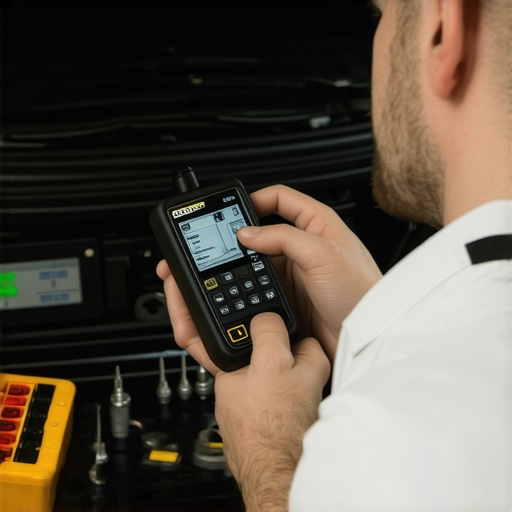
Remember that time I had my bumper fixed and couldn’t stop the beeping? I learned that proper calibration is crucial. Start by turning on your vehicle and ensuring all doors are closed. Locate your car’s diagnostic port—usually under the dashboard—similar to plugging in a device to sync settings. Connect an OBD-II scanner to access the vehicle’s computer. Follow your car manufacturer’s specific instructions to initiate the sensor reset procedure, which often involves selecting the ‘calibration’ or ‘sensor reset’ option in the scanner menu. This process re-trains the sensors to recognize their current positions and surroundings, preventing false alerts. For detailed steps tailored to your vehicle model, refer to this guide on calibration procedures. I once tried this myself at home; after a few attempts and patience, the warning light extinguished, and the noise stopped—saving me a trip to the shop. Remember, if you encounter difficulties or if your vehicle has complex electronics, consulting a professional or visiting a trusted service center can ensure safe and effective calibration.Many car owners believe that basic repairs and maintenance are straightforward, but in reality, there’s a lot more beneath the surface. One common misconception is that replacing a sensor or fluid guarantees a permanent fix. For example, some think that a quick sensor replacement will prevent future beeping, but without proper calibration—like what’s detailed in calibration procedures—the warning can persist, leading to repeated repairs and expenses. This oversight is often the result of a superficial approach that ignores the vehicle’s complex electronic systems, which require precise resetting and calibration to function correctly.
Why do so many overlook the importance of proper calibration after collision repair?
Another widespread trap involves the assumption that all auto repair shops have the same expertise, especially regarding advanced systems like collision sensors, transmission, or braking. While standard repairs are routine, nuances such as sensor calibration or adaptive transmission adjustments demand specialized knowledge and tools. For instance, the dangers of disregarding these details can lead to issues like transmission shudders or brake drag, which, as highlighted here, are often caused by incomplete or improper service.
Furthermore, many drivers aren’t aware of the common myth that all failures after minor impacts are purely mechanical. In reality, many problems are software or calibration-related, making them reversible without costly parts replacements. Recognizing this can save you from unnecessary expenses and long downtimes. Staying informed about these subtleties is crucial—your vehicle’s safety and performance depend on it.
Remember, if your car exhibits persistent issues after repairs or minor collisions, it’s worth investigating whether thorough calibration or advanced diagnostics were performed. Skipping these critical steps can lead to repeated failures, even after seemingly successful repairs. As analyzed in expert studies, neglecting calibration processes can increase the risk of further damage and compromise your vehicle’s safety, especially in complex systems like modern collision sensors and transmission controls. To avoid falling into this trap, always ask your service provider about calibration procedures and verify that they utilize the necessary tools and expertise. For more insights into proper collision sensor restoration, check out this detailed guide. Have you ever fallen into this trap? Let me know in the comments.
Keeping Your Vehicle Running Smoothly Over Time
Maintaining your car beyond initial repairs requires the right combination of tools, expertise, and routines. Personally, I rely on a combination of professional-grade diagnostic scanners and precise calibration equipment to ensure every repair stands the test of time. Investing in quality tools like the Autel MaxiCOM diagnostic scanner has been a game-changer; its comprehensive capabilities allow me to perform detailed scans, reset systems, and calibrate sensors without needing to take the vehicle back to a shop. For example, after recalibrating collision sensors, I always verify calibration effectiveness by running the vehicle through a series of tests, ensuring the warnings no longer persist.
When it comes to transmission work, I use a dedicated Flushing Machine to clear out old fluid and contaminants—something I highly recommend for prolonging transmission lifespan and avoiding costly repairs like those detailed here. Regularly scheduled fluid checks and flushes can prevent overheating and slipping issues, especially in models prone to early wear, such as the 2026 series.
Another vital aspect is having access to specialized calibration tools, which are essential for resetting adaptive systems like brake control modules or smart assist features. For instance, in brake system maintenance, proper calibration after pad replacement or rotor resurfacing stops issues like brake dragging or pulsation. My preferred method is using the OEM-specific recalibration software, which ensures signals are correctly synchronized and systems are functioning optimally. Tools like the GM Tech 2 or Bosch KTS offer reliability and precision, saving me time and preventing future complications.
In the near future, I predict increased integration of AI-driven diagnostic tools that can automatically interpret sensor data and suggest fixes, reducing human error and downtime. Already, some advanced systems can detect subtle issues before they escalate, making proactive maintenance feasible for everyday drivers.
How do I maintain collision sensors and brake systems over time?
Consistency is key. Schedule regular inspections of critical components, especially after minor collisions or roadside debris impacts. Resetting sensor calibration, as outlined here, should become part of your maintenance routine. Using the right tools to recalibrate after any repair prevents false alarms and ensures safety features operate correctly. Also, keeping an eye on fluid levels, especially brake fluid and transmission fluid, and performing timely flushes help prevent system failures that can lead to costly repairs.
Lastly, always document your maintenance work and use diagnostic scans to verify system health periodically. This proactive approach extends the life of your vehicle’s electronic systems and avoids surprises down the road, making your driving experience safer and more reliable. I challenge you today to try recalibrating your collision sensors with an OEM-specific calibration tool; it might just save you from future headaches. For detailed guidance, check out this article.
The Hardest Lesson I Learned About collisionrenew, brake service, car service, transmission, auto repair
One of the most eye-opening lessons I encountered was realizing that a simple sensor replacement isn’t enough without proper calibration, a mistake I made early on that cost me extra time and money.
Trying to overlook the importance of professional calibration tools was a trap I fell into. It became clear that advanced electronic systems demand meticulous attention to detail, especially after minor collisions or repairs.
Over time, I discovered that partnering with trusted repair shops isn’t just about quality parts but also about their expertise in calibration procedures—something many overlook but can be the difference between a fixed issue and ongoing headaches.
My Essential Toolkit for collisionrenew and auto repairs
I rely on professional calibration devices like the OEM-specific software and diagnostic scanners such as the Autel MaxiCOM. These tools provide the precision needed to ensure collision sensors and transmission systems function flawlessly post-repair. My trusted sources, including this guide, have saved me from repeated visits and costly repairs.
Additionally, I keep abreast of the latest repair techniques through reputable resources like expert articles on transmission calibration. They ensure I stay ahead of common pitfalls and understand the intricacies of complex systems that modern vehicles rely on.