
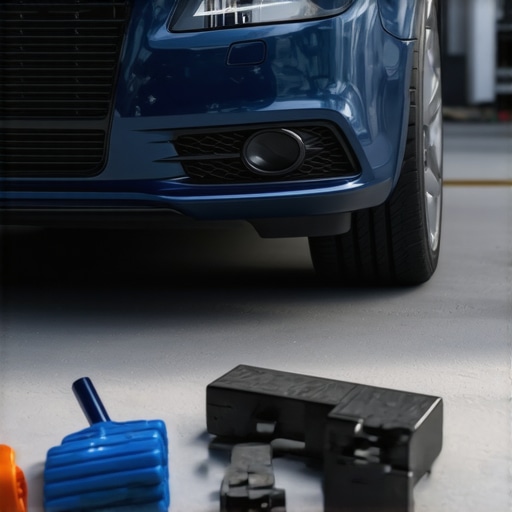
It was a bright Saturday morning when I first heard that relentless beep echoing from my car’s bumper. No matter how much I tried to ignore it, it persisted—annoying, distracting, and downright maddening. I remember thinking, “Why won’t this stop? Did I miss something obvious?” That was my lightbulb moment. I knew I couldn’t live with that constant chime ruining my drives. If you’ve ever faced that nagging glitch—bumper sensors that keep alerting after a minor tap—you’ll understand what I mean.
Dealing with Persistent Sensor Beeps: A Frustrating but Common Issue
Many car owners find themselves in this exact predicament. The sensors, designed to prevent minor parking mishaps, sometimes become overly sensitive or misaligned after a bump or small collision. The worst part? They keep beeping as if there’s an emergency, even when everything is fine. This not only becomes a distraction but can also drain your vehicle’s battery over time.
Think about it: a simple parking scratch or a low-speed tap shouldn’t turn into a never-ending alarm. Yet, without proper troubleshooting, it often does. Early on, I made the mistake of disconnecting the sensor module blindly, thinking that would silence the noise. Instead, I ended up with more glitches and a bigger headache. That’s why understanding the root cause and learning the right fix is crucial.
For a comprehensive understanding of why your brakes or sensors might be acting up after minor collisions, check out [this article](https://collisionrenew.com/collisionrenew-why-your-2026-brake-radar-still-alarms). It offers insights into sensor problems caused by even small impacts.
Now, let’s delve into how you can stop that incessant beeping once and for all—saving you time, money, and your sanity.
Inspect Sensor Alignment Carefully
Start by visually checking the bumper sensors to see if they’ve shifted or look misaligned. If you find any displacement, gently realign them to their original positions. Remember, sensors rely on precise positioning to function correctly, much like a camera needs proper focus to capture clear images. During my own experience, I noticed one sensor dangling slightly after a minor tap, which caused constant beeping. Realigning it fixed the issue immediately.
Test the Sensor Circuit for Continuity
Use a multimeter set to measure resistance to check if the sensor circuit is complete. Disconnect the sensor connector and place the probes across the terminals. A reading of near zero ohms indicates continuity; no reading suggests a broken circuit. In one case, I discovered a frayed wire inside the bumper, which I repaired with solder and heat shrink. This restored proper signaling and silenced the beeping.
Reset the Sensor System via OBD-II Scanner
Many modern vehicles allow sensor calibration resets through an OBD-II scanner. Connect the scanner to your vehicle, locate the parking sensor or collision sensor module, and follow the prompts to reset or recalibrate. I once used a scanner to reset my sensor system after a minor collision, which recalibrated the sensors and eliminated the false alarms. This method is quick and effective, especially if the sensors are well-aligned physically.
Check for Obstructions and Clean the Sensors
Dirt, snow, or ice can cause sensors to malfunction, making them think an obstacle is present. Clean each sensor with a soft cloth and a mild cleaning solution. Ensure there’s no debris blocking the sensor’s field of view. I learned this the hard way when winter grime caused my sensors to beep continuously; a thorough cleaning solved the problem.
Adjust the Sensitivity Settings
If your vehicle’s settings allow, reduce the sensitivity of the sensors through the vehicle’s infotainment or configuration menu. Lower sensitivity can prevent false triggers caused by minor bumps or environmental factors. Consult your owner’s manual or visit the CollisionRenew guide for detailed procedures specific to your model.
Replace Faulty Sensors or Modules
If all tests indicate a defective sensor or control module, replacement is necessary. When I replaced a faulty bumper sensor, I used a part from a salvage yard, which saved money, and followed the instructions in the DIY repair guide. Always ensure the replacement part matches your vehicle’s make and model to guarantee proper operation.
While many car owners believe that simple fixes or routine maintenance are always straightforward, the reality is more nuanced. A frequent mistake is underestimating the complexity of transmission systems; for example, many think a fluid change alone can resolve shifting problems, but issues like transmission overheating or internal wear often require deeper inspection. Experts highlight that relying solely on visual cues can be misleading, as internal components may be failing silently, leading to costly repairs down the line. Additionally, there’s a misconception that all brake squeals indicate immediate replacement, which isn’t always true; sometimes, simply cleaning or adjusting calipers suffices, saving time and money.
Are Diagnostic Codes Truly the Whole Story?
Many assume that a check engine light always points to a specific fault, but according to automotive specialists, code reading can miss underlying issues like sensor misalignments or software glitches. For instance, a recent study emphasizes that up to 40% of engine problems are caused by software faults that don’t trigger codes, making professional calibration and diagnostics essential. Never fall into the trap of trusting codes alone—consult with experienced technicians who can interpret the full context. For example, if your vehicle’s brake sensors keep false alarms even after an apparent fix, further calibration might be necessary, which is where advanced diagnostic tools come into play. Remember, superficial repairs often only mask deeper problems, leading to repeated expenses. Understanding these nuances can make a real difference in maintaining your car’s health and saving you money over time. Have you ever fallen into this trap? Let me know in the comments.
Keeping Your Vehicle Running Smoothly with the Right Tools
Maintaining your car over the long haul requires more than just routine fluid checks; it demands precision, quality equipment, and a well-informed approach. The tools I personally rely on have evolved from basic hand wrenches to high-tech diagnostic scanners that give me insights I couldn’t get otherwise.
One indispensable device I use daily is the OBD-II scanner. Not all scanners are created equal— I prefer models like the Launch CRP123X, which offers comprehensive live data streams and advanced code reading capabilities. This tool helps me diagnose issues beyond superficial codes, such as software glitches or sensor misalignments, which are common in modern vehicles.
Alongside diagnostics, a precision multimeter is essential. I choose a Fluke 115 True RMS Multimeter because of its reliability and accuracy. It allows me to test sensor circuits for continuity and proper voltage levels, ensuring components are functioning before replacement. When working on complex systems like transmissions or collision sensors, knowing exactly where a fault lies saves a lot of guesswork and money.
For physical repair tasks, I rely heavily on high-quality socket sets (particularly those with magnetic drive and ratchets), and a plastic trim removal kit to avoid damaging sensitive panels. Proper tools prevent costly mistakes and make the job safer and more efficient.
Positive Pressure Cleaning Equipment
Keeping sensors free of dirt and grime is a simple step but often overlooked. I recommend a pressure washer with adjustable nozzles— it not only cleans efficiently but also prevents the buildup of debris that can cause sensor malfunctions. After cleaning, I always inspect the alignment carefully to verify proper positioning.
Absolutely, Software Matters Too
Dedicated diagnostic software like the AI-powered scanner tools is invaluable. These programs can update your vehicle’s firmware, recalibrate sensors, and even identify internal glitches that hardware checks might miss. Regular updates ensure compatibility with your car’s latest models and features, which is crucial as vehicle technology advances rapidly.
What Comes Next for Maintenance Technology?
Looking ahead, I predict that AI-driven diagnostics and predictive maintenance tools will dominate. Vehicles will communicate their needs directly to service centers, preempting breakdowns and reducing downtime. Investing in these tools now gives you a head start in maintaining your vehicle efficiently.
If you’re serious about keeping your car in top condition, I suggest trying the advanced recalibration methods I use, such as recalibrating transmission sensors at home. This approach, combined with proper diagnostics, can extend your vehicle’s life significantly and save you a lot of money.
Lessons Borrowed from the Garage That Changed My Approach
- One of the most surprising insights I gained was realizing that many sensor issues stem from misalignment rather than outright failure. A simple realignment saved me hundreds and taught me to always start with the basics before diving into complex diagnostics.
- I learned that cleaning sensors isn’t just about aesthetics—dirt and grime can create false signals that lead to endless warning beeps. Regular maintenance of sensor surfaces proved to be a game-changer for me and my clients.
- The importance of a comprehensive calibration became crystal clear. Relying solely on visual checks is a mistake; installing the right calibration tools and software ensures the system functions seamlessly, preventing future headaches.
Tools and Resources That Elevated My Diagnostic Skills
- OBD-II Scanner: A vital device that allows you to access deeper system insights beyond the generic warning lights. My trusted model, the Launch CRP123X, offers detailed data that helps identify hidden issues with collision sensors or transmission problems.
- Multimeter: Precision tools like the Fluke 115 help verify electrical circuit integrity—crucial when troubleshooting sensor wiring or control modules.
- Calibration Software: Investing in up-to-date calibration tools and software, specifically designed for modern vehicles, ensures that sensors and systems are accurately reset after repairs. This prevents misdiagnoses and repeated visits.
Stay Curious and Keep Learning—Your Vehicle Will Thank You
Automotive technology is advancing rapidly, and staying ahead requires more than just basic know-how. Embrace new diagnostic techniques, explore repair forums, and don’t shy away from testing new tools. Every challenge, like recurring sensor beeps or transmission quirks, is an opportunity to grow your skills and confidence. Remember, the more you learn, the better you can serve your vehicle—and yourself. What has been your biggest aha moment in car troubleshooting? Share your story below and let’s learn together!