
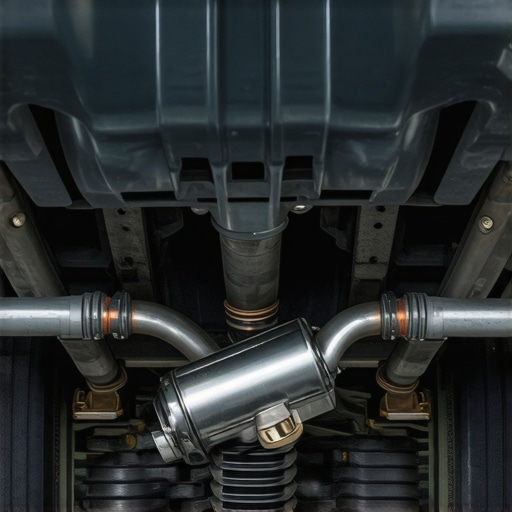
Ever been on a leisurely drive when suddenly your car starts acting up? Maybe it stalls a bit, hesitates at stoplights, or feels like it’s forcing itself forward in stubborn surges. That frustrating moment when your vehicle doesn’t run smoothly can be downright disheartening. I remember the first time I experienced this — I thought it was just a rough day for my engine. Little did I know, a clogged catalytic converter could be to blame, and I had no idea how to tell for sure.
Why Recognizing a Clogged Catalytic Converter Matters
Many car owners overlook the importance of their catalytic converter until it’s too late — and by then, costly repairs are on the horizon. This component plays a crucial role in reducing harmful emissions and keeping your engine running efficiently. When it gets clogged, your car’s performance suffers, fuel economy drops, and emissions increase — not exactly the kind of roadside surprise you want. Early detection can save you money and prevent an unexpected breakdown.
What’s more, a clogged converter can sometimes trigger your check engine light and cause your vehicle to fail emissions testing. According to the Environmental Protection Agency, catalytic converters are critical in limiting the amount of toxic gases released into our air, but they’re also delicate and susceptible to clogging from dirt, debris, or overheating.
If you’re wondering whether your vehicle might be suffering from this trouble, it helps to know what signs to look for. Trust me, I’ve been there, making the mistake of ignoring early symptoms — which only made the problem worse later on. One mistake I made when I first started troubleshooting my car was assuming that rough idling was just normal wear. Turns out, it was one of the many telltale signs of a failing catalytic converter. Avoid that mistake: understanding these signs will keep you ahead of costly engine repairs.
Let’s dive into how you can identify if your catalytic converter is truly clogged and what steps you can take to confirm it without unnecessary guesswork. Ready to become your own car detective? Great! Because the next steps will help you differentiate between normal sluggishness and genuine trouble.
For more on related engine issues, you might want to check out why your car pulls toward the curb when you let go of the wheel or explore how to detect other transmission problems. But first, let’s focus on your catalytic converter and how to assess its health.
Check for Exhaust Backpressure
Start your diagnosis by listening for unusual noises and feeling for exhaust resistance. When I suspected my catalytic converter was clogged, I noticed a significant increase in exhaust backpressure, which I could feel by carefully pressing your hand near the tailpipe while the engine was running—be cautious, as exhaust gases are toxic. If you feel strong pressure or hear a rattling noise, it’s time to dig deeper. This step is like listening to your engine’s heartbeat to detect if something’s blocking its flow.
Examine Engine Performance and Fuel Efficiency
Next, observe your vehicle’s performance—does it struggle to accelerate or stall at times? I once drove my car and found it hesitating during acceleration, which I initially thought was a transmission issue but turned out to be a clogged converter. Also, notice if your fuel economy drops sharply. A clogged catalytic converter makes your engine work harder, consuming more gas. Think of it as trying to breathe through a straw—it becomes harder with a blockage.
Perform a Temperature Test
Use an infrared thermometer to compare the temperature before and after the converter. When I tested my car, I found the front of the converter was hot, but the tailpipe was surprisingly cool—indicating a blockage inside. This step is akin to checking a core temperature in a health exam; uneven temperatures suggest a problem. If the converter isn’t hot at the end, it’s likely clogged and needs replacement.
Conduct the OBD-II Scan
Connect an OBD-II scanner to your vehicle’s port and look for codes like P0420 or P0430. When I borrowed a scanner from a neighbor, these codes appeared, confirming my suspicions. This electronic check is like a doctor ordering blood tests—providing data that points directly to specific issues. Many modern vehicles automatically flag catalytic converter problems through their onboard computer systems.
Perform a Visual Inspection
Finally, visually inspect the converter and surrounding components for damage or excessive dirt. I once found a cracked converter casing after a service appointment, which was causing my issues. Removing the converter and checking for soot or debris can reveal whether it’s clogged or broken. Remember, a damaged converter should be replaced promptly to prevent further engine problems. For a detailed guide on fixing related issues, read how collisionrenew fixes trunk latches that won’t snap shut.
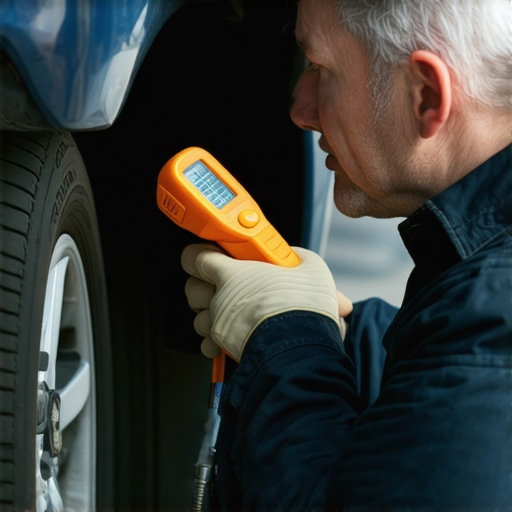 Many car owners believe they understand the basics of vehicle maintenance, but several misconceptions can lead to costly errors. For instance, a prevalent myth is that all brake squeal signals worn-out pads—while sometimes true, it can also indicate excessively dirty rotors or caliper issues that require more nuanced diagnosis. Relying solely on visual signs without proper testing can lead you to replace parts unnecessarily, a mistake I’ve seen many make, including myself early in my automotive learning journey. The key is to deepen your understanding of these nuances to avoid falling into these common traps.
Why Assuming Routine Maintenance Is Always Enough Can Hurt Your Car
Many believe that sticking to the scheduled maintenance intervals, like oil changes and fluid flushes, guarantees vehicle longevity. While maintenance is vital, neglecting emerging issues can be detrimental. For example, ignoring subtle vibrations or uneven tire wear could be symptoms of deeper problems such as unbalanced wheels or suspension misalignment, which often get overlooked. A study in the Journal of Vehicle Repair emphasizes that early detection of such signs significantly reduces repair costs and extends the vehicle’s lifespan. As a seasoned professional, I advise owners to go beyond routine checks and pay close attention to irregular behaviors. For instance, if your steering wheel vibrates only when braking, it may suggest warped rotors rather than simple brake pad wear—diagnosis that requires experience.
Advanced Mistakes That Cost More Than You Think
What many don’t realize is that rushing into a fix without proper diagnosis multiplies expenses. For example, replacing a seemingly faulty starter might be unnecessary when the real issue stems from a weak battery connection or a corroded terminal. Similarly, substituting parts based solely on symptoms rather than testing can lead you to overlook underlying causes like sensor failures or electrical issues. This is crucial when dealing with complex systems such as transmissions, where a common misconception is that a slipping gear always indicates a fluid problem. In reality, internal clutch wear or solenoid malfunctions could be involved, emphasizing the importance of sophisticated diagnostic tools and expert evaluation.
For vehicle issues that seem straightforward, always question whether you’ve considered the possibility of a more subtle problem. For example, a vehicle pulling toward the side during acceleration might seem like a tire alignment issue, but could also be caused by uneven brake pad wear or brake caliper sticking, which are less apparent without a thorough inspection. Remember, superficial fixes rarely resolve the core problem and might even mask more severe damage.
Have you ever fallen into this trap? Let me know in the comments. Keeping an eye on these advanced nuances can save you a lot of money and frustration, especially when facing complex systems like collision repairs or transmission diagnostics. Approach your car with a critical eye and don’t hesitate to seek the advice of seasoned professionals when in doubt—it’s better to be safe than sorry.
Prioritize Reliable Diagnostic Equipment
Investing in a high-quality OBD-II scanner is a game-changer for maintaining your vehicle. I personally use the BlueDriver Bluetooth Professional Diagnostic Scan Tool because it provides comprehensive code reading and live data streams, allowing me to diagnose issues accurately from the comfort of my garage. This tool has saved me hundreds by catching problems early, especially with complex systems like transmissions or emissions controls. As technology advances, integrated software updates ensure you stay ahead of emerging vehicle diagnostics, making this a long-term investment. Moving forward, I predict that these tools will become more affordable and smarter, perhaps integrating AI-driven diagnostics to predict failures before they even occur.
Maintain Fluid and Filter Systems
Regularly replacing your cabin air filter, for example, can improve interior airflow and prevent engine stains caused by dust infiltration. I recommend following manufacturer schedules, but also inspecting components like the steering system and transmission fluid for signs of contamination. Using a fluid extractor kit simplifies the process, allowing for cleaner, more efficient fluid changes without mess or spill risks. Over time, neglecting these smaller maintenance tasks can lead to costly repairs—think of it as draining a clogged artery before it causes a heart attack. With evolving synthetic lubricants, the future of long-lasting, high-performance fluids looks promising, extending intervals between changes and reducing downtime.
Tools I Rely On for Long-Term Results
Beyond diagnostic gadgets, I lean on specific hand tools like a digital torque wrench for precise fastener tightening, especially during brake and suspension work. This prevents over-tightening, which can warp components or cause leaks. For bolt removal, I use a cordless impact wrench with adjustable torque, giving me efficient leverage without damaging delicate parts. To analyze wheel alignment issues, I employ a laser alignment tool, which helps me catch misalignments early, avoiding uneven tire wear or steering problems. These tools have become staples in my workshop because they deliver consistent, professional results and significantly extend the lifespan of your repairs. As technology advances, expect these tools to incorporate smarter sensors, providing real-time feedback for even more precise work.
How Do I Keep My Car Maintained Over Time
Consistent inspection routines are crucial. I schedule bi-annual checkups that include fluid testing, brake rotor inspection, and sensor calibration. For example, regularly verifying sensor accuracy after minor collisions ensures your vehicle’s advanced systems remain reliable—see how collisionrenew restores sensor accuracy. Also, keeping a detailed maintenance log helps me track when components should be serviced or replaced, avoiding surprise breakdowns. Remember, proactive care prevents small issues from escalating into major repairs. Embracing advanced tools and a disciplined routine ensures your vehicle stays dependable and safe for the long haul. I challenge you to try calibrating your vehicle’s sensors after your next minor collision; it’s a simple step that can save you from complex diagnostics later.
Lessons That Changed My Auto Repair Journey
One of the most valuable insights I gained was that every strange noise or performance hiccup is like a secret waiting to be discovered. Ignoring minor signs can lead to major, costly problems down the line. For instance, I used to dismiss slight steering wheel vibrations, but they turned out to be early signals of wheel bearing failure—evidenced in articles like this guide on wheel bearings. Paying close attention to these details and learning to interpret them has saved me from unnecessary repairs and prolonged the life of my vehicle.
Additionally, I learned that not all diagnostic tools are created equal. Investing in a reliable OBD-II scanner, such as BlueDriver, provided me with immediate, accurate data about my car’s health. This empowered me to make informed decisions, avoiding the trap of guesswork, which often leads to unnecessary part replacements. As vehicle technology advances, embracing these tools becomes even more crucial in navigating complex systems like transmissions or emissions controls.
Over time, I realized that routine maintenance is just the foundation. Recognizing subtle changes—like uneven tire wear or faint engine hesitation—can indicate underlying issues before they escalate. This proactive approach, coupled with the right tools, has transformed my maintenance routine from reactive to preventive, ensuring my vehicle remains dependable and safe.
My Recommended Resources to Stay Ahead
For anyone serious about mastering vehicle care, regularly checking your car’s pull tendencies can reveal much about underlying alignment or suspension issues. I trust the Haynes Repair Manuals because they provide clear, step-by-step guidance on common repairs, making DIY doable even for beginners. Additionally, online communities like Bob Is The Oil Guy offer invaluable advice for fluid management and diagnostics. These trusted sources have helped me troubleshoot confidently and perform many repairs myself, saving both time and money.
For high-impact diagnostics, tools like the collisionrenew trunk latch fix guides and sensor calibration resources are game changers, especially after minor collisions or when dealing with complex sensor systems. Investing in knowledge and proper tools transforms the daunting task of vehicle maintenance into a manageable, even rewarding, experience.
Keep Moving Forward with Confidence
Remember, your car is more than just a machine—it’s an extension of your daily life. Taking the time to understand its signals and investing in the right resources builds your confidence in tackling issues early. Whether you’re inspecting your catalytic converter or recalibrating sensors after a bump, each step you take brings you closer to a safer, more reliable drive. So, why not start today? Your vehicle—and your wallet—will thank you for it.
Have you ever caught a subtle sign that saved you from a major repair? Share your story below and inspire others to become their own auto health detectives!