
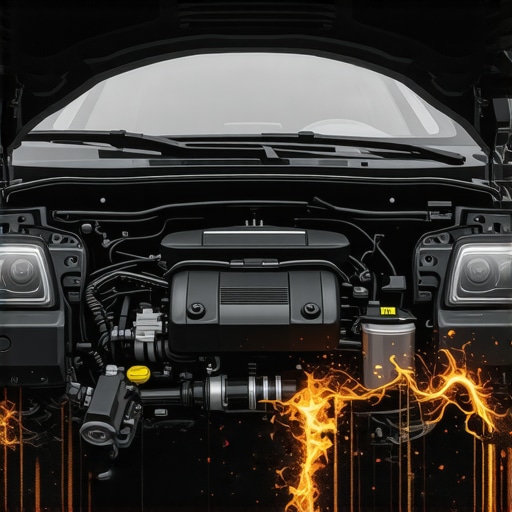
I remember the day I first caught that unmistakable smell of burning plastic wafting inside my car. It hit me suddenly while I was stuck in traffic, and my stomach sank. Alarmed, I immediately rolled down the windows, heart pounding. That smell isn’t just unpleasant; it’s a warning sign from your vehicle that something’s wrong. I learned the hard way that ignoring it can lead to costly repairs or, worse, dangerous breakdowns.
Don’t Let That Smell Sneak Up on You
Many drivers dismiss a burning plastic smell as nothing serious—perhaps a bit of melted wiring or a forgotten plastic bag. But in reality, it’s often a symptom of electrical issues, overheating components, or even plastic parts melting because of underlying mechanical problems. The good news? You don’t have to be a car mechanic to address this, and catching it early can save you a lot of money and stress.
Is the Burning Plastic Smell Worth Worrying About?
Early on, I made the mistake of thinking it was just normal engine heat. That was a costly oversight. Ignoring that telltale odor can lead to the deterioration of vital components, or worse—fire hazards. According to experts, electrical fires inside vehicles are a leading cause of car fires, and a burning plastic smell is often a precursor (National Fire Protection Association, 2021). So, yes, paying attention is absolutely worth your while.
If you’ve noticed this smell in your car, you’re not alone. Many drivers face this mysterious issue without understanding the root cause. Over the next sections, I’ll walk you through practical, proven steps to identify and fix the problem—without turning your car into a scrap heap. Whether it’s a wiring issue, overheating, or plastic melting, I’ll share my personal experiences and insights to help get your vehicle back to safe, odor-free condition.
Check the Electrical System Carefully
Start by inspecting your vehicle’s wiring harnesses, fuse boxes, and electrical connections. Use a flashlight and a mirror to access hard-to-reach areas. Look for melted insulation, loose connectors, or burnt wiring that could be causing the smell. Remember, electrical issues can escalate quickly, so don’t delay addressing these signs. I once used a multimeter to test for voltage drops across suspect wires, which helped me identify a frayed wire rubbing against the radiator hose, causing the melting. Replacing or repairing faulty wiring often solves the burning odor problem.
Locate Overheating Components
Next, examine parts like the alternator, power steering pump, and the coolant system. Overheating parts emit heat that can cause nearby plastic to melt or burn, creating that distinctive smell. Use a thermal camera or an infrared thermometer to identify hot spots while the engine runs. For instance, I once noticed the alternator running hotter than usual, indicating it was working overtime or failing. Repairing or replacing malfunctioning components prevents further damage and stops the smell.
Inspect Plastic Parts and Hoses
Plastic engine covers, hoses, and intake components can become deformed or melted over time. Carefully examine these parts for signs of melting, warping, or discoloration. Disconnect the battery before doing detailed inspections to avoid electrical hazards. When I found a cracked plastic hose with melted edges, I replaced it immediately, which eliminated the burning odor and improved engine performance. If you’re unsure, consult your vehicle’s manual or seek professional advice to identify which plastic parts are prone to melting and need replacement.
Examine the Cooling System
Overheating can cause plastics and rubber materials to release smells. Check coolant levels, radiator function, and the operation of cooling fans. A clogged radiator or a stuck fan can lead to engine overheating. During one repair, I observed the radiator fan wasn’t engaging due to a faulty relay. Replacing the relay restored proper cooling and dissipated the smell. Regular maintenance of the cooling system keeps temperatures in check and prevents plastic components from melting due to excessive heat.
Address Potential Oil or Fluid Leaks
Leaking fluids like oil or power steering fluid can drip onto hot engine parts, producing burning smells. Inspect beneath the vehicle and around the engine bay for signs of drips, stains, or burnt residues. Tighten loose connections or replace damaged seals to stop leaks. Once, I found an oil leak from a loose valve cover gasket; fixing it stopped the leak and the associated odor. Maintaining a clean engine bay also helps in early detection of leaks before they cause damage or hazards.
Utilize Professional Help When Necessary
If your inspection doesn’t reveal clear causes or if you’re uncomfortable working with electrical or engine components, seek professional assistance. certified mechanics have specialized tools and experience to diagnose complex issues like internal wiring faults or hidden frame damage. Keep in mind, unresolved electrical shorts are a fire risk; don’t ignore persistent burning smells. For tricky cases involving collision damage, consider checking for hidden frame issues that might affect wiring or cooling systems. You can learn more about fixing hidden frame damage here: https://collisionrenew.com/collisionrenew-how-we-fix-hidden-frame-damage-that-alignment-probes-miss.
Misconceptions About DIY Repairs That Could Cost You
Many car owners believe that DIY repairs are always economical and straightforward. However, this oversimplification often leads to more expensive issues down the line. For example, some think that replacing brake pads alone will solve braking problems, but neglecting underlying issues like warped rotors or caliper malfunctions can compromise safety. It’s tempting to view repairs as isolated tasks, but in reality, components are interconnected, and overlooking one aspect can cause failures elsewhere.
Another common myth is that the cheapest parts or services are just as good as premium options. While budget parts may suffice temporarily, they often wear out faster or lack the same quality standards, leading to repeated repairs. According to the Automotive Service Association, choosing quality over price can save both money and safety risks in the long run.
Beware of the ‘One-Size-Fits-All’ Approach to Car Maintenance
Many drivers follow generic maintenance schedules that don’t account for their specific driving habits or environmental conditions. For instance, people who frequently drive in stop-and-go city traffic may need more frequent transmission fluid changes than the standard interval. Rigid adherence to generic schedules can result in unnecessary services or missed critical maintenance. Personalized assessments, like those offered by qualified technicians, can help identify true needs—saving you money and preventing avoidable breakdowns.
Similarly, some assume that a warning light or odd noise is always a minor issue. But advanced diagnostics can reveal hidden problems—such as a subtle transmission delay that only expert testing can uncover. For example, I’ve seen cases where a seemingly minor issue like a slight steering vibration during braking masked deeper problems like worn-out wheel bearings, which could have caused a dangerous failure if left unaddressed. Regular and customized inspections prevent this trap.
Why Your Car Might Be More Sensitive Than You Think
It’s easy to dismiss minor symptoms—like a slight pull while driving or occasional rough shifting—as trivial. Yet, these may be early signs of serious issues. For example, a car pulling to one side when hitting a puddle often indicates alignment or suspension problems, not just surface-level wear. Addressing it promptly with proper diagnostics can extend vehicle lifespan and maintain safety—something that many overlook when symptoms seem minor.
Furthermore, I’ve noticed that many drivers ignore the importance of proper fluid maintenance, assuming it’s an unnecessary expense. But neglecting transmission or brake fluid changes can lead to degraded performance or total system failure. A study published in the Journal of Automotive Engineering emphasizes that neglected fluid degradation significantly reduces component lifespan and increases repair costs.
In summary, the real nuance in auto repair lies in understanding the interconnectedness of vehicle systems and recognizing that shortcuts can be costly. Instead of relying solely on surface appearances or conventional wisdom, seek expert advice tailored to your driving conditions. This approach not only saves money but also keeps you safe on the road. Have you ever fallen into this trap? Let me know in the comments.
Investing in the Right Equipment for Auto Care
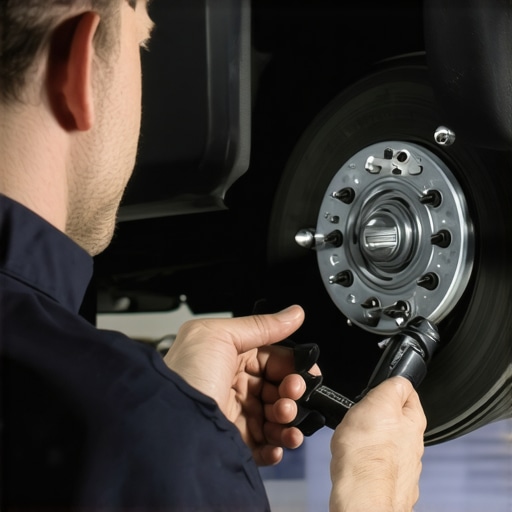
Maintaining your vehicle’s health over the long haul requires more than just basic knowledge; it demands the right tools. I personally swear by a high-quality digital multimeter for electrical diagnostics. It allows me to pinpoint electrical faults without pulling out the entire wiring harness, saving time and preventing unnecessary disassembly. A good multimeter like the Fluke 117 provides reliable readings and durability, making it an essential part of my toolkit. Additionally, a reliable infrared thermometer helps monitor overheating components such as the alternator or cooling system, ensuring that I catch issues before they escalate. Having these instruments on hand means I can perform quick, accurate assessments without waiting for professional service unless absolutely necessary.
When it comes to lubricants and consumables, I always opt for OEM-approved fluids. Using the correct transmission fluid, for example, ensures smooth gear shifts—crucial if you’re aiming to prevent issues like those discussed in this article. Regularly flushing and replacing these fluids is a key part of preventive maintenance that extends transmission lifespan and maintains performance. I also recommend investing in a quality torque wrench; it guarantees that bolts and fittings are tightened to manufacturer specifications, preventing leaks or component failure.
How do I maintain my vehicle’s systems over time?
Keeping your car in top shape is about disciplined, scheduled care paired with the right tools. Regularly inspecting and replacing fluids, belts, and filters can be simplified with a few trusted products on hand. For example, a brake line flush kit enables you to maintain braking efficiency—crucial for safety and avoiding expensive repairs. Proper maintenance does not only prevent breakdowns but also improves fuel efficiency and vehicle longevity. In the future, autonomous diagnostics and smarter OBD-II scanners will make proactive maintenance even more accessible, allowing drivers to identify problems early.
However, mastering some advanced techniques can significantly elevate your DIY game. For instance, carefully restoring sensor accuracy after collision damage not only improves safety but also optimizes system performance. I recommend trying the method outlined in this guide to recalibrate rain sensors—an often-overlooked aspect that can be handled at home with the right approach. Implementing such precise maintenance steps ensures your vehicle remains reliable and safe for years to come.
Future Trends in Vehicle Maintenance Tools
The industry is trending toward sensor-integrated, AI-powered diagnostics that can predict issues before they manifest. These tools not only diagnose current problems but also forecast future failures, allowing for real-time maintenance scheduling. As technology advances, expect to see more affordable, user-friendly systems that empower drivers to perform complex diagnostics, bridging the gap between DIY and professional service.
For now, I encourage you to incorporate a high-grade multimeter and infrared thermometer into your maintenance routine. These tools will enable you to catch electrical and thermal issues early—saving you money and stress. Start by testing your alternator’s voltage with your multimeter; if it drops below the recommended 13.8 volts at idle, it’s time to consider replacement or professional inspection. Taking these steps not only keeps your vehicle working but also deepens your understanding of its inner workings, making you a more confident and informed car owner.
What I Wish I Knew About Warning Signs in Auto Repair
- Listening to that first burning plastic odor taught me the importance of trusting my instincts and inspecting electrical systems promptly—delaying only led to more costly repairs and safety risks.
- I realized that visual cues like melted plastic or scorched wiring are often omens of deeper issues, which can be prevented with early detection using proper diagnostic tools.
- Understanding that many problems stem from interconnected systems encouraged me to seek professional help when uncertainty arises, rather than risking DIY shortcuts that could worsen the situation.
- Finally, valuing regular maintenance and personalized assessments saved me from unexpected breakdowns, highlighting that proactive care is the best investment in vehicle safety and longevity.
Tools and Resources That Changed My Approach to Car Care
- Fluke 117 Multimeter: I trust this tool for electrical diagnostics because it provides accurate readings, helping me identify issues like frayed wires before they cause fires or engine damage.
- Infrared Thermometer: This instrument helps me monitor overheating components such as alternators or radiators, catching problems early to prevent melting plastic smells and costly repairs.
- OEM-Approved Fluids and Parts: Using quality fluids and components ensures that repairs and maintenance last longer, reducing the chances of recurring issues that can lead to dangerous odors or breakdowns.
- Expert Resources on CollisionRenew: I often reference detailed guides like this article to understand complex systems and perform precise repairs that DIY kits can’t match.
Your Next Step Toward Safer, Smarter Driving
Recognizing the subtle signs like a burning plastic smell and investing in the right diagnostic tools can transform how you care for your vehicle. Remember, personalized assessments and timely maintenance are key to avoiding accidents and costly repairs—your car’s health is a reflection of your attention. Don’t wait for symptoms to become emergencies; embrace a proactive mindset and empower yourself with knowledge and quality tools. What’s the first step you plan to take to improve your vehicle maintenance routine? Share your thoughts below and let’s learn from each other.