
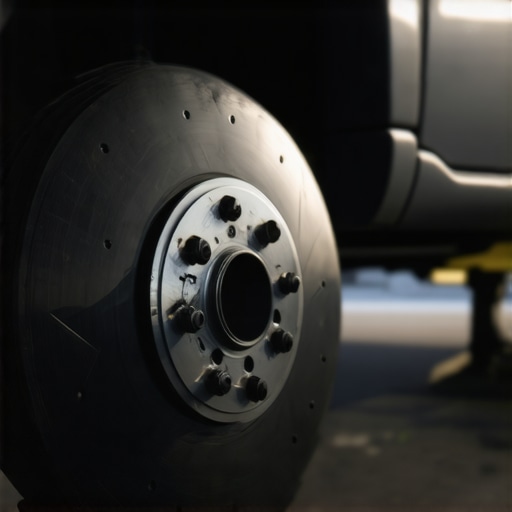
Have you ever stepped out to your car early in the morning, only to find your brake rotors covered in a thin rust film? It’s that sinking feeling of frustration — after all, who wants their car to look neglected right from the start of the day? I remember the first time I saw that ominous orange-hued ring on my shiny discs. I was worried about future brake performance and wondered if I was doing something wrong. Turns out, rust formation on brake rotors is a common, almost universal problem among car owners living in humid or coastal areas.
Many folks believe that rust on rotors is signs of a serious issue or that it will lead to premature damage. And, honestly, I used to share that concern. But after spending time working on my own car and chatting with seasoned mechanics, I learned that this rust is more of a cosmetic nuisance than a safety risk — especially if you know how to prevent it from settling overnight.
Today, I want to shed light on this frustrating phenomenon and show you some practical, proven ways to thwart rust from ruining your mornings. Not only will I help you understand what’s behind the rust formation, but I’ll also share simple habits and tricks to keep your brake rotors looking and functioning like new. Trust me, once you get the hang of these tips, you’ll drive with confidence, knowing that you’re not succumbing to the corrosive effects of moisture every night.
### Is Rusting on Your Rotors Actually Worth the Hype?
Early in my car-care journey, I made the mistake of believing that every trace of rust meant my brakes were failing. I’d scrape away at the rust, only to find it returning overnight. It’s easy to get worried, especially when online forums echo fears about rotors warping or wearing unevenly.
A quick look at automotive experts confirms that light surface rust on brake rotors is entirely normal and typically harmless. According to [industry sources](https://collisionrenew.com/why-your-brake-pedal-shakes-only-during-emergency-stops), the brake system is designed to handle a bit of rust, which usually gets cleaned off during regular driving and braking. It’s only when rust builds up significantly and causes brake pedal pulsation or noise that it becomes a concern.
Understanding this helped me stop unnecessary worrying and focus instead on simple preventative measures. If you’ve faced the same worry, you’re not alone. And trust me — there are easy ways to keep the rust at bay.
Now, let’s move from myth-busting to real solutions that can keep your brake rotors rust-free and your mornings stress-free. After all, who wants to start the day wrestling with corroded brake parts? Not me. And I bet you don’t either.
Start with Regular Driving and Brake Use
Let me share a quick story: one cold morning, I noticed fresh rust on my rotors. Instead of panicking, I took my usual drive, pressing the brake pedal a few times to wipe off the rust naturally. Regular driving helps remove light rust because the brake pads scrape it away each time you brake, essentially acting like a cleaning brush. Daily use prevents rust buildup from becoming a persistent problem.
Apply Anti-Rust Coatings for Long-Term Protection
After my rust appeared, I decided to apply a high-temperature brake rotor coating, similar to a protective skin for your car’s vital parts. Clean the rotors thoroughly with brake cleaner and a wire brush, then spray or paint the coating evenly. This barrier resists moisture and prevents rust from forming. It’s like sunscreen for your rotors, keeping them shiny and rust-free over months of humidity.
Maintain Proper Parking Habits
One common mistake is parking in damp areas or leaving the car stationary overnight without action. When parking in humid environments, consider spreading a silica gel pack or moisture-absorbing product in the wheel well to soak up excess moisture. Also, if you have a garage, keep it ventilated. Think of it like keeping your shoes dry; proper airing prevents mold and rust buildup.
Use Rust Prevention Sprays
I tried a rust-inhibiting spray specifically designed for brake components. First, I removed the wheel and gave the rotors a thorough clean, then applied the spray in a thin, even layer. These sprays create a pH-neutral barrier that keeps moisture from settling. Regular application, about every six months or after heavy rains, keeps rust at bay.
Implement Routine Inspection and Maintenance
Every few months, I checked my rotors for signs of rust or uneven wear. Use a wire brush or rust remover in problematic spots, then inspect the surface for pitting or deep corrosion. If you notice significant rust or pitting, it’s best to consult a mechanic, but for superficial rust, these simple steps can dramatically prolong rotor life. For a comprehensive guide on related safety issues, check out this post on brake safety.
Perform Regular Brake System Flushing
Think of your brake system like blood circulation; keeping it fresh is vital. Seasonal brake fluid flushes help remove moisture and prevent it from accelerating rust formation inside the calipers and rotors. I schedule a flush every two years, which involves draining old brake fluid and refilling with new, high-quality brake fluid. This step preserves both brake performance and rotor longevity.
Use Proper Storage During Long Periods of Inactivity
If you store your car for extended periods, elevate it slightly or use wheel chocks to reduce contact with moisture-absorbing surfaces. Cover the vehicle with a breathable fabric—not plastic—to allow air circulation and prevent condensation. Think of it as dressing your car in a raincoat that breathes, defending against moisture without trapping it inside.
Educate Yourself on Rust Formation and Prevention
Understanding that light surface rust is normal and manageable helps reduce anxiety. Take time to learn about your vehicle’s specific needs by consulting trusted resources like this guide on brake issues. Being informed makes proactive maintenance easier and more effective.
Many drivers believe that once a vehicle is serviced, their job is done, but this is a misconception that can lead to costly mistakes. A common myth is that regular oil changes are sufficient for long-term engine health, but neglecting other critical components, like transmission fluid or brake systems, can accelerate wear and cause unexpected breakdowns. For example, overlooking the importance of inspecting motor mounts can result in vibrations and eventual engine damage, as detailed in expert analyses.
Why does ignoring subtle transmission noises often lead to bigger problems?
Many assume that slight whines or grinding sounds are benign, but in reality, they can signal impending transmission failure. According to transmission specialists, early detection of such noises allows for timely repairs, saving you money and preventing breakdowns. Recognizing these warning signs requires a nuanced understanding beyond generic maintenance routines.
Another misconception revolves around collision repairs. Many think that a visible bumper or paint scratch is purely cosmetic, but unaddressed, underlying frame damage or sensor misalignment can compromise safety systems. CollisionRenew’s approach to fixing hidden frame damage demonstrates the importance of comprehensive assessments rather than superficial fixes.
What are the risks of postponing collision repairs until the problem becomes obvious?
Delaying repairs can lead to more extensive damage, increased repair costs, or even safety hazards. Studies of collision impacts reveal that minor frame misalignments often go unnoticed but can affect vehicle handling and safety features, emphasizing the need for professional inspections after accidents.
Many car owners underestimate the significance of routine system flushes, like brake fluid or coolant, assuming they last indefinitely. However, contaminated fluids not only reduce performance but can also cause corrosion and component failure. CollisionRenew emphasizes regular flushing as a proactive step, which experts support with data indicating extended component lifespan and improved safety.
How does neglecting small issues result in expensive auto repairs?
Small problems, if ignored, tend to escalate. For instance, a minor steering wheel vibration may seem trivial but could point to worn-out wheel bearings or misaligned suspension parts. Addressing such issues early preserves vehicle integrity and avoids costly replacements later. Consistent vigilance and knowledge of these nuances are what separate average drivers from seasoned car enthusiasts. Have you ever fallen into this trap? Let me know in the comments.Maintaining your vehicle’s performance over the long haul requires more than occasional visits to the mechanic; it demands the right tools, consistent routines, and a bit of know-how. As a fellow car enthusiast and experienced DIYer, I can attest that investing in quality equipment and mastering specific maintenance methods not only saves money but also ensures your car stays reliable and safe for years to come.
Invest in Proven Diagnostic Tools for Accurate Troubleshooting
When it comes to diagnosing issues like unusual vibrations or electrical glitches, I rely heavily on a professional-grade OBD-II scanner. Personally, I prefer the BlueDriver scanner because it provides comprehensive code data accompanied by repair reports. This allows me to pinpoint problems precisely, such as identifying if a worn motor mount is causing vibrations, which you can learn more about here. Having this tool saves countless visits to the mechanic and helps me verify repairs during re-inspections.
Master Basic Maintenance with Specific Equipment
For routine upkeep, a sturdy digital torque wrench is indispensable. I use the CDN Pro Digital Torque Wrench because it ensures bolts are tightened to exact specifications, preventing over-tightening or under-tightening that could lead to future damage, particularly when replacing components like brake pads or wheel bearings (see signs of wheel bearing issues for more). Additionally, a quality brake bleeder kit enables me to flush brake fluid efficiently, maintaining optimal braking performance, which is critical for safety and longevity.
Embrace Specialized Software for Preventive Care
In the digital age, I use maintenance tracking software like AutoMD app to log service intervals, receipts, and repair histories. This approach helps me plan future maintenance, such as fluid flushes or transmission inspections. Knowing when to perform tasks like a transmission fluid change prevents costly surprises and prolongs vehicle life. Staying organized with these tools turns routine checks into proactive care rather than reactive fixes.
The Future of Car Maintenance: Automation and Smart Tools
Looking ahead, I predict that diagnostic and maintenance tools will become increasingly integrated with vehicle systems, with more cars offering built-in diagnostics accessible via smartphone apps. This evolution will democratize advanced maintenance, making DIY repairs more feasible for the everyday car owner. Already, Bluetooth-enabled diagnostic tools are shrinking in price and expanding in capability, setting the stage for a more empowered and confident driver community.
How do I maintain my car’s performance consistently?
Adopting a structured approach—regularly scheduled inspections, proper tool usage, and ongoing education—has transformed the way I care for my vehicle. I highly recommend trying out a diagnostic scanner or torque wrench to see how they can reveal hidden issues early and improve your repair quality. Remember, the key is consistency and knowledge; with the right equipment, you’ll prevent minor problems from becoming major expenses and keep your car running smoothly for miles to come.
The Surprising Lessons That Changed My Approach to Brake Maintenance
One of the most eye-opening realizations I had was that light surface rust on brake rotors isn’t an immediate sign of disaster but rather a common and manageable aspect of vehicle ownership, especially in humid environments. I once believed that any rust meant my brakes were failing, leading me to over-clean and worry unnecessarily. The breakthrough came when I discovered that normal driving and routine brake use naturally clean off this rust, proving that patience and understanding trump panic and constant cleaning.
Another valuable lesson was the importance of applying protective coatings. After experimenting with high-temperature anti-rust sprays, I found this simple step can significantly delay rust buildup, especially if you park your car outside or in damp areas. This proactive measure has been a game-changer in maintaining my rotors’ appearance and performance, reducing the hassle of frequent cleaning.
Parking habits also play a role. I learned that parking in a well-ventilated garage or even using moisture-absorbing packs in wheel wells can prevent moisture accumulation overnight. Think of it as giving your car a breathable jacket, shielding it from the relentless grip of humidity. These small but effective habits help keep rust at bay and prolong rotor life.
My Most Trusted Tools and Resources for Brake Care
Over the years, I’ve relied on specific tools to make brake maintenance easier and more effective. A quality digital torque wrench, like the CDN Pro Digital Torque Wrench, ensures bolts are tightened to precise specifications, preventing issues like uneven brake pad wear or rotor warping. I also use a dedicated brake bleeder kit for flushes, which keeps the brake fluid and internal components in top shape.
For diagnostics, a professional-grade OBD-II scanner such as BlueDriver helps me identify underlying issues that could accelerate rust or affect brake performance. Staying organized with maintenance tracking apps like AutoMD ensures I never miss critical service intervals, helping me prevent problems before they occur. These resources collectively empower me to take control of my vehicle’s health and longevity.
Ultimately, ongoing education has been vital. Trusted websites, repair guides, and forums have provided insights that save me money and headaches. For example, knowing that rust isn’t dangerous unless it causes pedal pulsation or noise has calmed my worries and focused my efforts on preventative care rather than reactionary fixes.
Nothing Beats the Satisfaction of Confident Driving
There’s a unique confidence that comes with understanding your vehicle deeply. Implementing simple habits like regular driving, protective coatings, and routine inspections transformed my approach to brake rotors from reactive to proactive. Now, I can address potential issues early, saving time and money while keeping my vehicle looking and functioning its best. Remember, the key is not to fear light rust but to know how to prevent it from becoming a real problem. So, what small tweak can you incorporate today to shield your brakes from humidity? Share your thoughts below and let’s keep our rides smooth and rust-free.