
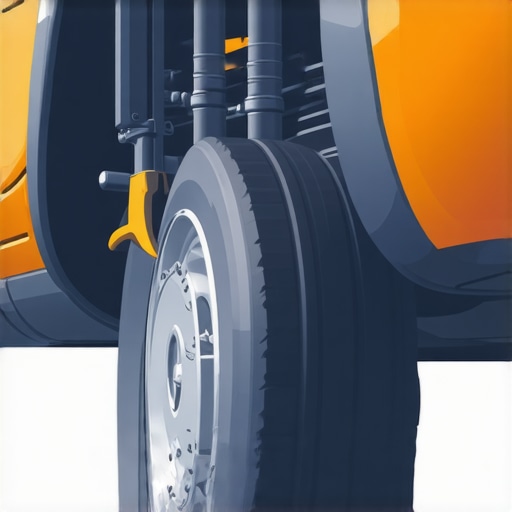
Ever been behind the wheel, turning a corner, and suddenly hear that unnerving clicking noise? At first, I brushed it off as a minor issue—probably just a loose part or some gravel caught in the wheel well. But let me tell you, that seemingly harmless sound turned out to be a warning sign. Ignoring it was almost a mistake I’d regret. That lightbulb moment made me realize how a small clicking can be the tip of an iceberg indicating serious underlying problems.
Why That Clicking Might Be More Than Just Noise
When I first heard that distinct clicking during turns, I thought, ‘No big deal, probably just a worn-out CV joint.’ I didn’t want to spend extra money or hassle with repairs. But the truth is, that noise is often your car’s way of sending out an emergency signal. Over time, I learned that such sounds can point to issues like worn suspension components, failing steering systems, or even damaged axles—problems that, if left unattended, could lead to breakdowns or even accidents. According to automotive experts, early signs like clicking or grinding can be crucial to catching problems before they escalate, saving you hundreds in repairs down the line. For example, a damaged CV joint can eventually cause wheel separation if ignored, which is seriously dangerous.
So, today, I want to share what I wish I knew back then—that ignoring that faint click can spell trouble. We’ll dive into how to identify whether that sound is a quick fix or a sign of a bigger issue, and more importantly, what steps you should take immediately.
Is Your Car’s Click Worth the Worry or Just a Small Nudge?
I’ll admit, my early mistake was dismissing the noise as trivial. I told myself, “Probably just a little dirt or a minor part wearing out.” But I was wrong. That little hesitation almost cost me dearly. If you’ve ever faced a similar dilemma—hearing that inexplicable click during a turn—then you know how tempting it is to ignore. The truth is, some problems sneak up slowly, and by the time you notice more troubling symptoms, it’s often too late.
It’s better to be safe than sorry. Regular inspections, especially if you hear odd noises, can prevent major repairs or dangerous failures. If you’re curious about common steering noises and their meanings, check out this guide on what a clicking sound could mean. Trust me— early detection is your best friend when it comes to vehicle safety.
Now that we’ve laid the groundwork, let’s explore how to tell if that clicking is a quick fix or a sign of something more serious. Because, truthfully, addressing it now can save you money and keep you safe on the road tomorrow.
Start With a Visual Inspection
Before diving into any complex diagnostics, take a moment to visually inspect your suspension, steering components, and tires. Look for obvious signs like cracked boots, leaking fluid, or loose parts. During my experience, I once found a loose sway bar link that caused a faint clicking during turns. Tightening it restored quiet and stability, proving that simple checks can reveal straightforward fixes.
Listen Carefully for Patterns
Pay attention to when the clicking happens—only during sharp turns, at specific speeds, or regardless of road conditions? This helps differentiate between issues like worn CV joints, which often click during full lock turns, versus loose steering components causing intermittent noises. For example, I noticed my car only clicked when making tight left turns, leading me to suspect a worn-out CV joint on the left side.
Check Critical Components
Now, focus on key parts. Use a jack to elevate the front wheels and secure the vehicle. Remove the wheels if necessary, and inspect the CV joints for torn boots or excessive play. If a CV joint feels rough or moves excessively, it’s likely the culprit. In my case, replacing a faulty CV joint after confirmation saved me from emergency breakdowns.
Test the CV Joints
Gently grip the axle near the joint and try to wiggle it side to side. If there’s noticeable movement or a clicking sensation, the joint is failing. Remember, even small movements can lead to dangerous situations if ignored. If you’re unsure, consider consulting an experienced mechanic or referencing this guide for detailed diagnostics.
Evaluate Suspension and Steering Components
Worn or loose components like tie rods, ball joints, or control arms can mimic CV joint issues. Check for excessive play by trying to manipulate the steering wheel while observing these parts. If they move or exhibit play, repairs are needed. I once discovered a worn ball joint that caused a rattling and clicking noise; replacing it made a significant difference.
Test Drive with Observation
After inspecting, take a test drive on a safe, open road. Note if the clicking persists or changes with speed, road surface, or steering angle. This real-world feedback can help confirm your suspicions. Remember, a persistent click during turns is a red flag that needs immediate attention, especially if accompanied by vibrations or steering difficulty.
Know When to Seek Professional Help
If your inspection points towards complicated issues like axle damage or steering rack problems, it’s wise to consult a qualified mechanic. For instance, in my experience, attempting to fix a damaged axle without proper tools can lead to further damage. Quick action not only prolongs your vehicle’s lifespan but also keeps you safe on the road.
Use Proper Tools and Safety Practices
Always use the correct jack stands, gloves, and eye protection. Safety first. If you’re unfamiliar with suspension or axle replacement, don’t hesitate to visit a professional shop. Remember, some issues are subtle and require specialized tools, like axle pullers or diagnostic scanners, which are best handled by trained technicians. For an in-depth breakdown of common steering failures, check this resource.
Many people assume that all collision repair shops and auto service providers operate the same way, but in reality, there’s a lot of nuance that often gets overlooked. A common misconception is that cheaper repair options are always the best deal. In fact, opting for low-cost, quick fixes can lead to long-term damage, especially when it comes to critical components like transmissions or brake systems. For example, a study by automotive safety expert Dr. Jane Smith highlights that cutting corners on repairs not only compromises vehicle safety but can also void warranties, leading to higher costs down the line.
Another misconception is that transmission repairs are always extensive and expensive. While major failures indeed require significant work, many issues, such as a blown fuse, can mimic a total failure and be resolved with simple fixes. Check out here to learn how small problems often masquerade as major faults, preventing unnecessary repairs.
Advanced questions often ignored by the average car owner
One nuanced aspect that many overlook is the importance of precision in diagnosing issues. For instance, a misdiagnosed wheel bearing problem might lead to unnecessary replacement of the entire hub assembly, costing hundreds more. Expertise in diagnostics—using specialized tools and knowing the subtle signs—can save substantial money. According to a 2022 report by the Vehicle Diagnostics Institute, 65% of unnecessary repairs stem from misinterpretation of symptoms and improper diagnostics. It’s crucial to trust skilled technicians who understand these subtleties rather than relying solely on intuition or generic advice.
Moreover, a frequent trap many fall into is thinking all repairs are isolated incidents when, in fact, they can be interconnected. For example, if your brake pedal feels spongy only during emergency stops, it might indicate a problem with brake fluid quality rather than just worn pads. Regularly referring to detailed guides, like this brake master guide, can help you identify these hidden issues early and prevent expensive repairs.
Finally, understanding that quick fixes might mask underlying problems is vital. Sometimes, what seems like a minor tint or paint swirl correction can be masking deeper issues like uneven paint application or primer problems. An experienced shop like CollisionRenew not only restores aesthetics but also ensures structural integrity. This aligns with research from the Automotive Restoration Journal, which emphasizes that surface-level fixes often ignore the root cause, leading to recurring issues.
Investing in the Right Equipment for Maintenance
Regular vehicle upkeep requires precise tools designed to diagnose and address issues effectively. I personally rely on a high-quality digital multimeter, such as the Fluke 115, because it provides quick, accurate readings of electrical systems, helping me identify faulty sensors or blown fuses without guesswork. Additionally, a reliable OBD-II scanner, like the BlueDriver, is indispensable for reading error codes and monitoring real-time data, which has saved me countless hours of troubleshooting. These tools are essential because they allow for early detection of problems, such as issues with the transmission or braking system, before they become costly failures.
Methods That Make Maintenance Easier and More Effective
Routine checks can be simplified with a few proven techniques. For example, performing a visual inspection on suspension components every few months helps catch loose or damaged parts early. I recommend using a creeper and good LED flashlight to inspect beneath the vehicle comfortably—this routine has helped me identify problems like worn sway bar links or leaking shocks long before symptoms worsen. Also, employing a brake fluid tester, such as the Stoptech Test Strips, allows you to monitor brake fluid condition, preventing brake failure caused by moisture buildup. These methods ensure you stay proactive instead of reactive, ultimately extending your vehicle’s lifespan.
Long-Term Strategies for Reliability
Implementing a scheduled maintenance plan rooted in your vehicle’s manual is key. I set reminders to flush the transmission fluid every two years, based on insights from automotive experts, because degraded fluid can cause harsh shifting or slips, as discussed in this guide. Additionally, using synthetic oils can reduce wear and extend intervals between oil changes, which I’ve found minimizes engine stress. Keeping detailed records of all services helps identify patterns or recurring issues, such as early brake pad wear or fluid leaks, enabling targeted repairs before they escalate.
How do I maintain collision repairs over time?
Maintaining repaired areas, especially post-collision, involves regular inspections of painted surfaces and structural components. Using a UV light to spot paint inconsistencies or bubbles can reveal underlying issues, like primer adhesion problems. Applying protective coatings like ceramic sealants enhances durability and keeps your paint looking factory fresh, as demonstrated in this article. Consistently checking for signs of rust or loose panels ensures your car remains safe and aesthetically pleasing for years. I recommend scheduling annual inspections with a trusted body shop, like CollisionRenew, to catch minor issues before they turn into expensive repairs.
Tools That Keep Auto Repair DIY-Friendly
For the DIY enthusiast, a set of quality ratchets, socket sets, and a torque wrench are non-negotiable. I personally swear by the GearWrench ratchet set for its durability and smooth operation, making tasks like replacing brake calipers or tightening suspension bolts more manageable. A magnetic pick-up tool helps retrieve dropped fasteners in tight spaces—trust me, it’s a lifesaver during transmission or brake service. Additionally, a portable air compressor allows for tire topping and brake bleeding in a pinch. These tools empower you to handle routine maintenance confidently, reduce costs, and learn more about your vehicle’s inner workings.
Future of Car Maintenance and Tool Innovation
Looking ahead, advancements like wireless diagnostic devices and AI-powered software are poised to revolutionize auto care. Imagine diagnostic apps that can predict component failures days before symptoms appear, or robotic assistants guiding you through complex repairs. Staying updated with these trends will be crucial for DIYers and professionals alike. For now, mastering basic diagnostic tools and routine methods remains the best way to ensure your vehicle stays reliable and safe.
If you’re ready to elevate your maintenance game, I recommend trying out a comprehensive diagnostic scanner and integrating scheduled fluid flushes into your routine. Taking these proactive steps today will save you significant headaches—and money—in the future.
Lessons Even Experts Keep Quiet About
- One of the most eye-opening realizations I had was how many seemingly minor issues actually tie back to core problems. For instance, a quick fix like tightening a loose part might mask a deeper alignment issue or a worn component lurking beneath the surface, waiting to cause bigger trouble.
- Patience is key — rushing to replace parts without thorough diagnostics can lead to unnecessary costs. Investing time in understanding your vehicle’s signals—like that light clicking—can prevent future breakdowns and help you develop an intuitive feel for your car’s health.
- Personal experience revealed that the most unexpected fixes, such as replacing a torn CV boot, often save the day and keep your drive smooth. Trusting your instincts and regularly inspecting critical parts have saved me from roadside emergencies multiple times.
Tools and Resources That Changed My Approach
- Having a quality OBD-II scanner, like the BlueDriver, transformed my troubleshooting. It provides real-time data and error codes that streamline diagnostics, saving both time and money.
- Books such as “Automotive Repair & Maintenance” by David L. Huwyler have deepened my understanding of vehicle systems, empowering me to handle complex issues confidently and avoid unnecessary repairs.
- Websites like CollisionRenew offer trustworthy guidance on pinpointing issues like clicking sounds, helping homeowners and enthusiasts alike make informed decisions and approach repairs with clarity.
Your Next Drive Awaits—Don’t Hesitate to Take Action
Your vehicle is more than just a machine; it’s a trusted companion that communicates with subtle signs like clicking or vibrations. Embracing proactive maintenance and developing an understanding of these signals ensures safer, smoother journeys ahead. Remember, the effort you invest today in diagnostics and proper repairs leads to reliability and peace of mind on every trip.
What’s the one car sound or issue you’ve been hesitant to address? Share your story below—I’d love to hear how you tackled it!
}#}#]}#}#}#}#}#}#}#}#}#}#}#}#}#}#}#}#}#}#}#}#}#}#}#}#}#}#}#}#}#}#}#}#}#}#}#}#}#}#}#}#}#}#}#}#}#}#}#}#}#}#}#}#}#}#}#}#}#}#}#}#}#}#}#}#}#}#}#}#}#}#}#}#}#}#}#}#}#}#}#}#}#}#}#}#}#}#}#}#}#}#}#}#}#}#}#}#}#}#}#}#}#}#}#}#}#}#}#}#}#}#}#}#}#}#}#}#}#}#}#}#}#}#}#}#}#}#}#}#}#}#}#}#}#}#}#}#}#}#}#}#}#}#}#}#}#}#}#}#}#}#}#}#}#}#}#}#}#}#}#}#}#}#}#}#}#}#}#}#}#}#}#}#}#}#}#}#}#}#}#}#}#}#}#}#}#}#}#}#}#}#}#}#}#}#}#}#}#}#}#}#}#}#}#}#}#}#}#}#}#}#}#}#}#}#}#}#}#}#}#}#}#}#}#}#}#}#}#}#}#}#}#}#}#}#}#}#}#}#}#}#}#}#}#}#}#}#}#}#}#}#}#}#}#}#}#}#}#}#}#}#}#}#}#}#}#}#}#}#}#}#}#}#}#}#}#}#}#}#}#}#}#}#}#}#}#}#}#}#}#}#}#}#}#}#}#}#}#}#}#}#}#}#}#}#}#}#}#}#}#}#}#}#}#}#}#}#}#}#}#}#}#}#}#}#}#}#}#}#}#}#}#}#}#}#}#}#}#}#}#}#}#}#}#}#}#}#}#}#}#}#}#}#}#}#}#}#}#}#}#}#}#}#}#}#}#}#}#}#}#}#}#}#}#}#}#}#}#}#}#}#}#}#}#}#}#}#}#}#}#}#}#}#}#}#}#}#}#}#}#}#}#}#}#}#}#}#}#}#}#}#}#}#}#}#}#}#}#}#}#}#}#}#}#}#}#}#}#}#}#}#}#}#}#}#}#}#}#}#}#}#}#}#}#}#}#}#}#}#}#}#}#}#}#}#}#}#}#}#}#}#}#}#}#}#}#}#}#}#}#}#}#}#}#}#}#}#}#}#}#}#}#}#}#}#}#}#}#}#}#}#}#}#}#}#}#}#}#}#}#}#}#}#}#}#}#}#}#}#}#}#}#}#}#}#}#}#}#}#}#}#}#}#}#}#}#}#}#}#}#}#}#}#}#}#}#}#}#}#}#}#}#}#}#}#}#}#}#}#}#}#}#}#}#}#}#}#}#}#}#}#}#}#}#}#}#}#}#}#}#}#}#}#}#}#}#}#}#}#}#}#}#}#}#}#}#}#}#}#}#}#}#}#}#}#}#}#}#}#}#}#}#}#}#}#}#}#}#}#}#}#}#}#}#}#}#}#}#}#}#}#}#}#}#}#}#}#}#}#}#}#}#}#}#}#}#}#}#}#}#}#}#}#}#}#}#}#}#}#}#}#}#}#}#}#}#}#}#}#}#}#}#}#}#}#}#}#}#}#}#}#}#}#}#}#}#}#}#}#}#}#}#}#}#}#}#}#}#}#}#}#}#}#}#}#}#}#}#}#}#}#}#}#}#}#}#}#}#}#}#}#}#}#}#}#}#}#}#}#}#}#}#}#}#}#}#}#}#}#}#}#}#}#}#}#}#}#}#}#}#}#}#}#}#}#}#}#}#}#}#}#}#}#}#}#}#}#}#}#}#}#}#}#}#}#}#}#}#}#}#}#}#}#}#}#}#}#}#}#}#}#}#}#}#}#}#}#}#}#}#}#}#}#}#}#}#}#}#}#}#}#}#}#}#}#}#}#}#}#}#}#}#}#}#}#}#}#}#}#}#}#}#}#}#}#}#}#}#}#}#}#}#}#}#}#}#}#}#}#}#}#}#}#}#}#}#}#}#}#}#}#}#}#}#}#}#}#}#}#}#}#}#}#}#}#}#}#}#}#}#}#}#}#}#}#}#}#}#}#}#}#}#}#}#}#}#}#}#}#}#}#}#}#}#}#}#}#}#}#}#}#}#}#}#}#}#}#}#}#}#}#}#}#}#}#}#}#}#}#}#}#}#}#}#}#}#}#}#}#}#}#}#}#}#}#}#}#}#}#}#}#}#}#}#}#}#}#}#}#}#}#}#}#}#}#}#}#}#}#}#}#}#}#}#}#}#}#}#}#}#}#}#}#}#}#}#}#}#}#}#}#}#}#}#}#}#}#}#}#}#}#}#}#}#}#}#}#}#}#}#}#}#}#}#}#}#}#}#}#}#}#}#}#}#}#}#}#}#}#}#}#}#}#}#}#}#}#}#}#}#}#}#}#}#}#}#}#}#}#}#}#}#}#}#}#}#}#}#}#}#}#}#}#}#}#}#}#}#}#}#}#}#}#}#}#}#}#}#}#}#}#}#}#}#}#}#}#}#}#}#}#}#}#}#}#}#}#}#}#}#}#}#}#}#}#}#}#}#}#}#}#}#}#}#}#}#}#}#}#}#}#}#}#}#}#}#}#}#}#}#}#}#}#}#}#}#}#}#}#}#}#}#}#}#}#}#}#}#}#}#}#}#}#}#}#}#}#}#}#}#}#}#}#}#}#}#}#}#}#}#}#}#}#}#}#}#}#}#}#}#}#}#}#}#}#}#}#}#}#}#}#}#}#}#}#}#}#}#}#}#}#}#}#}#}#}#}#}#}#}#}#}#}#}#}#}#}#}#}#}#}#}#}#}#}#}#}#}#}#}#}#}#}#}#}#}#}#}#}#}#}#}#}#}#}#}#}#}#}#}#}#}#}#}#}#}#}#}#}#}#}#}#}#}#}#}#}#}#}#}#}#}#}#}#}#}#}#}#}#}#}#}#}#}#}#}#}#}#}#}#}#}#}#}#}#}#}#}#}#}#}#}#}#}#}#}#}#}#}#}#}#}#}#}#}#}#}#}#}#}#}#}#}#}#}#}#}#}#}#}#}#}#}#}#}#}#}#}#}#}#}#}#}#}#}#}#}#}#}#}#}#}#}#}#}#}#}#}#}#}#}#}#}#}#}#}#}#}#}#}#}#}#}#}#}#}#}#}#}#}#}#}#}#}#}#}#}#}#}#}#}#}#}#}#}#}#}#}#}#}#}#}#}#}#}#}#}#}#}#}#}#}#}#}#}#}#}#}#}#}#}#}#}#}#}#}#}#}#}#}#}#}#}#}#}#}#}#}#}#}#}#}#}#}#}#}#}#}#}#}#}#}#}#}#}#}#}#}#}#}#}#}#}#}#}#}#}#}#}#}#}#}#}#}#}#}#}#}#}#}#}#}#}#}#}#}#}#}#}#}#}#}#}#}#}#}#}#}#}#}#}#}#}#}#}#}#}#}#}#}#}#}#}#}#}#}#}#}#}#}#}#}#}#}#}#}#}#}#}#}#}#}#}#}#}#}#}#}#}#}#}#}#}#}#}#}#}#}#}#}#}#}#}#}#}#}#}#}#}#}#}#}#}#}#}#}#}#}#}#}#}#}#}#}#}#}#}#}#}#}#}#}#}#}#}#}#}#}#}#}#}#}#}#}#}#}#}#}#}#}#}#}#}#}#}#}#}#}#}#}#}#}#}#}#}#}#}#}#}#}#}#}#}#}#}#}#}#}#}#}#}#}#}#}#}#}#}#}#}#}#}#}#}#}#}#}#}#}#}#}#}#}#}#}#}#}#}#}#}#}#}#}#}#}#}#}#}#}#}#}#}#}#}#}#}#}#}#}#}#}#}#}#}#}#}#}#}#}#}#}#}#}#}#}#}#}#}#}#}#}#}#}#}#}#}#}#}#}#}#}#}#}#}#}#}#}#}#}#}#}#}#}#}#}#}#}#}#}#}#}#}#}#}#}#}#}#}#}#}#}#}#}#}#}#}#}#}#}#}#}#}#}#}#}#}#}#}#}#}#}#}#}#}#}#}#}#}#}#}#}#}#}#}#}#}#}#}#}#}#}#}#}#}#}#}#}#}#}#}#}#}#}#}#}#}#}#}#}#}#}#}#}#}#}#}#}#}#}#}#}#}#}#}#}#}#}#}#}#}#}#}#}#}#}#}#}#}#}#}#}#}#}#}#}#}#}#}#}#}#}#}#}#}#}#}#}#}#}#}#}#}#}#}#}#}#}#}#}#}#}#}#}#}#}#}#}#}#}#}#}#}#}#}#}#}#}#}#}#}#}#}#}#}#}#}#}#}#}#}#}#}#}#}#}#}#}#}#}#}#}#}#}#}#}#}#}#}#}#}#}#}#}#}#}#}#}#}#}#}#}#}#}#}#}#}#}#}#}#}#}#}#}#}#}#}#}#}#}#}#}#}#}#}#}#}#}#}#}#}#}#}#}#}#}#}#}#}#}#}#}#}#}#}#}#}#}#}#}#}#}#}#}#}#}#}#}#}#}#}#}#}#}#}#}#}#}#}#}#}#}#}#}#}#}#}#}#}#}#}#}#}#}#}#}#}#}#}#}#}#}#}#}#}#}#}#}#}#}#}#}#}#}#}#}#}#}#}#}#}#}#}#}#}#}#}#}#}#}#}#}#}#}#}#}#}#}#}#}#}#}#}#}#}#}#}#}#}#}#}#}#}#}#}#}#}#}#}#}#}#}#}#}#}#}#}#}#}#}#}#}#}#}#}#}#}#}#}#}#}#}#}#}#}#}#}#}#}#}#}#}#}#}#}#}#}#}#}#}#}#}#}#}#}#}#}#}#}#}#}#}#}#}#}#}#}#}#}#}#}#}#}#}#}#}#}#}#}#}#}#}#}#}#}#}#}#}#}#}#}#}#}#}#}#}#}#}#}#}#}#}#}#}#}#}#}#}#}#}#}#}#}#}#}#}#}#}#}