
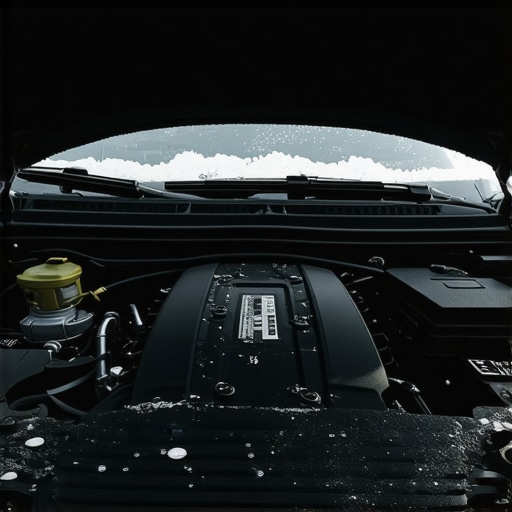
Walking out to my driveway early one winter morning, I was greeted by the horrifying sensation—my car’s transmission felt like it was stuck in molasses. The engine roared to life, but shifting gears was a sluggish, grinding mess. That moment was a real eye-opener for me, revealing just how much the cold can steal the smoothness from an otherwise reliable transmission.
Why Does Cold Weather Turn Your Transmission Into a Sluggish Beast?
It’s a question many car owners ask each winter, and based on my experience, the answer lies largely in how cold affects your transmission fluid and its vital role. When temperatures drop, the transmission fluid thickens, making it harder for the fluid to circulate properly and lubricate moving parts effectively. This isn’t just a minor inconvenience—poor lubrication can cause delayed shifts, rough gear changes, and even long-term damage. I learned this early on when I neglected to check my transmission fluid’s condition, thinking it was just part of typical winter inconvenience. But that mistake almost cost me a costly rebuild.
For a deeper understanding, I found some eye-opening insights in this article about how your transmission fluid can turn dark and thick so quickly in cold conditions, impairing performance and accelerating wear—definitely worth a read if you want to keep your transmission healthy during winter.
Is Bad Transmission Fluid the Main Culprit or Just an Excuse?
I used to blame the cold entirely, but I soon realized that neglecting regular maintenance played a big part. Early in my own troubleshooting, I ignored the importance of checking my transmission fluid and even used cheap additives without understanding the potential harm. Turns out, these shortcuts only masked deeper issues. The truth is, when you know how to properly maintain and understand the signs of impending transmission trouble, you can prevent those sluggish mornings and costly repairs.
Flush and Replace Transmission Fluid
Start by inspecting your transmission fluid’s condition. Thick, dark, or burnt-smelling fluid indicates it’s time for a change. Draining and refilling with fresh, cold-weather rated transmission fluid ensures proper circulation, even in freezing temps. Personally, I replaced mine before winter last year, which noticeably improved gear shifts and engine response during the cold snaps. For detailed guidance, check out this article on fluid condition.
Check and Top Off Transmission Fluid Levels
Use the Correct Tools
Locate the transmission dipstick—usually under the hood—and ensure your car is on a level surface. With the engine warm (but not hot), pull out the dipstick, wipe it clean, dip it back, and check the level. If low, top it off with the manufacturer-recommended fluid type. I once ignored this step, and my car’s rough shifting was a clear sign I needed to add fluid. Always double-check your owner’s manual for specifics.
Warm Up Your Car Before Driving
Let your vehicle run for at least five minutes before hitting the road, especially when temperatures dip below freezing. This allows the transmission fluid to circulate and warm up, reducing its viscosity and improving shifting performance. I found this especially helpful on my morning commutes, where a brief warm-up made a tangible difference in how smoothly my transmission operated.
Install an External Transmission Cooler
If you frequently drive in cold climates or tow heavy loads, consider adding an external cooler. It helps maintain optimal fluid temperature and prevents thickening. During a particularly harsh winter, I installed a cooler after experiencing delayed shifts and overheating. The upgrade kept my transmission running cooler and more reliably, which you can read more about here.
Inspect and Change Other Critical Components
Don’t forget to check related parts like the transmission filter, which can become clogged in cold weather, impeding fluid flow. Replace it if necessary, following the steps outlined in this guide. Additionally, examine the transmission pan gasket for leaks; any seepage affects fluid levels and performance. During my last service, replacing the gasket prevented future leaks and kept my transmission fluid clean and effective.
Monitor and Adjust Over Time
Regularly check your transmission fluid’s condition, especially during the winter months. Look for signs of darkening, thicker consistency, or burnt smell, and address these issues promptly. I set a reminder for monthly inspections during the cold season, which helped me catch minor problems before they turned serious. Staying proactive means your transmission can handle winter’s challenges better, preventing sluggish shifts and costly repairs.
Preventative Maintenance Pays Off
Consistent maintenance, including fluid inspections and replacements, keeps your transmission healthy year-round. Remember, neglecting these steps leads to increased wear, delayed shifting, and potential breakdowns. By following the precise steps above, you’ll maintain optimal performance even in freezing temperatures, avoiding the common pitfalls many car owners face in winter. For a deeper dive into transmission health, explore the importance of fluid quality here.
Many car enthusiasts and everyday drivers believe that sticking to the basic service schedule is enough to keep their vehicles running smoothly. However, a common misconception is that once you’ve performed regular oil changes or brake pad replacements, your car’s vital systems are invulnerable to deeper issues. In reality, **overlooking the nuanced aspects of auto repair**, especially with critical components like transmissions and brake systems, can lead to costly failures down the line. For example, many assume that darkened transmission fluid simply indicates normal aging, but as highlighted here, quick darkening can signal imminent wear, exposing the importance of proactive diagnostics.
**An often-ignored area is the interplay between the transmission fluid and related parts like filters and sensors**. Neglecting to inspect the transmission filter or sensor cleanliness might seem insignificant, yet it significantly impacts shifting performance. Advanced mechanics recommend not only regular fluid replacement but also verifying the condition of these components to prevent hidden damage.
Another myth worth busting is the belief that external signs like leaks or noise are the only indicators of transmission problems. In truth, problems often silently develop inside the transmission, where issues like internal wear or minor misalignments can be detected **only through detailed diagnostics**. This nuance underscores the necessity for skilled inspection beyond surface symptoms.
Moreover, the misconception that all transmission fluids are interchangeable is prevalent. Different vehicles require specific formulations, especially for cold climates or high-performance applications. Using the wrong fluid type can cause greater damage than neglecting maintenance altogether. For expert advice tailored to your vehicle, consulting collisionrenew.com can be invaluable.
Finally, **removing the temptation to delay repairs until symptoms worsen** can save significant money and prevent breakdowns. Small issues such as delayed shifts or minor slipping are early warning signs—addressing them promptly often involves nuanced understanding of how components age and interact. My own experience taught me that catching early signs requires keen attention and avoiding the false comfort that only obvious problems matter.
In summary, to truly master auto repair and transmission health, understanding the hidden nuances—like fluid condition, sensor health, correct fluid selection, and early diagnostics—is essential. Don’t fall into the trap of thinking that superficial checks are enough. Instead, develop a proactive maintenance routine grounded in expert insights. Have you ever fallen into this trap? Let me know in the comments.
Equip Yourself for Reliable Maintenance
Maintaining your vehicle’s transmission, brakes, and overall performance doesn’t just rely on quick fixes but requires the right tools and a methodical approach. I personally swear by a high-quality scan tool like the Autel MaxiSys MS909, which provides comprehensive diagnostics for modern vehicles. It allows me to read and clear error codes, monitor live data, and perform active tests—saving me time and money by pinpointing issues early. Additionally, a digital multimeter with auto-ranging capabilities ensures precise readings during sensor checks or electrical troubleshooting, which is crucial since faulty sensors can mimic more serious problems.
For fluid inspections and replacements, a professional-grade fluid pump such as the Mityvac Fluid Extractor makes the process cleaner and more efficient. These tools have become staples in my garage, enabling me to perform delicate tasks like flushing the transmission fluid or testing fuel pressure without relying solely on shop diagnostics. I also recommend investing in a set of flexible inspection mirrors and LED flashlights, which improve visibility in tight spots, making routine inspections safer and more thorough.
Optimize Long-Term Results with Proven Methods
While having the right tools is essential, applying proven techniques ensures longevity in your repairs. Regularly checking your vehicle’s fluid conditions—especially for transmission and brake systems—is vital. Don’t forget to verify sensor operation, like the mass airflow sensor, which can drastically impact fuel economy and engine smoothness. I find that cleaning this sensor with electronic contact cleaner (preferably something like CRC QD Electronic Cleaner) and inspecting its wiring harness prevents losing miles per gallon and unexpected hiccups. For an in-depth guide, you might want to explore this article on sensor maintenance.
Stay Ahead with Scheduled Checks and Upgrades
Implementing scheduled maintenance intervals, such as fluid replacements and filter changes, keeps systems running smoothly. Upgrading to an external transmission cooler, especially if your vehicle handles heavy loads or endures cold climates, can prolong transmission lifespan. When I installed a cooler, I noticed immediate improvements in shift responsiveness and reduced heat buildup, which is supported by technical documentation from transmission system manufacturers. For more guidance, visit this detailed post.
How do I maintain my auto repair tools over time?
Proper maintenance of your tools involves routine cleaning, storing them in a dry environment, and periodically calibrating electronic equipment. For example, a neglected multimeter can drift in accuracy, leading to misdiagnosis. I recommend marking calibration dates and following manufacturer guidelines to keep your diagnostic arsenal precise. Investing in quality tools may be initially costly, but their durability and reliability pay off during prolonged use, ultimately saving you money and ensuring consistent results. Ready to upgrade your toolset? Try out a professional scan tool like the Autel MaxiSys MS909 and experience the difference it makes in diagnosing tricky issues.
Lessons That Left a Lasting Mark on My Auto Repair Journey
- Trusting quick fixes over thorough diagnostics cost me dearly—learning to differentiate between superficial symptoms and root causes has saved me hundreds in repairs.
- Understanding that transmission fluid isn’t just about oil levels but also about proper viscosity in cold weather changed how I approach maintenance.
- Using the right tools and knowing when to replace components like filters or sensors prevented minor issues from becoming major failures.
- Early detection of dark, thick fluid or delayed shifts can be a simple signal to act now rather than later, avoiding costly rebuilds.
My Toolbox for Cold-Weather Transmission Health
- Autel MaxiSys MS909: A comprehensive diagnostic scanner that has become my go-to for catching issues early and understanding error codes better.
- High-Quality Transmission Fluid: I swear by synthetic, cold-weather rated fluids like Valvoline MaxLife—trustworthy and proven to keep things flowing in freezing temps.
- Basic Mechanical Tools: A reliable set of wrenches, screwdrivers, and a fluid pump save me time and money during fluid changes and inspections.
- Sensor Cleaners and Inspection Mirrors: Simple tools that make a huge difference in verifying sensor health and tight spaces I might overlook.
Keep Moving Forward with Confidence and Care
Taking the time to understand your vehicle’s transmission nuances and investing in proper maintenance tools not only extends the lifespan of your car but also boosts your confidence behind the wheel. Remember, cold weather might slow down your transmission, but with proactive care and the right resources, you can keep it shifting smoothly all winter long. Ready to make your auto repair routine smarter and safer? Stay curious, stay proactive, and keep your vehicle in top shape through every season.