

Have you ever been cruising down the highway when suddenly your car emits a faint, steady whirring sound that seems to rise and fall with your speed? At first, I brushed it off as just some normal background noise, but as it persisted, I realized it was more than just road noise — it was a clue, a mystery whispering that something in my vehicle needed attention. That lightbulb moment hit me hard: aren’t cars supposed to be silent or at least predictable? Why is this sound bothering me, and more importantly, what does it mean for my car’s health?
Understanding the Mystery of That Whirring Sound
In my own experience, that peculiar whirring wasn’t just an annoyance; it was a warning sign. It took some digging and a bit of trial and error, but I learned that such noises often tie back to critical components like wheel bearings, transmission, or even the exhaust system. If ignored, these sounds can lead to expensive repairs or even safety hazards — a realization I wish I had known earlier. After all, catching these issues early can save time, money, and stress. Curious if your car is signaling a problem too? Let’s explore what might be causing that persistent whirling noise and how you can identify the culprit before it escalates.
Is Your Noise Actually Worth the Worry?
One mistake I made early on was dismissing the noise as something minor, like tire road noise or wind. But this misjudgment could have turned costly if I hadn’t taken it seriously. It’s common to assume strange sounds are normal, yet internal issues rarely are. Recognizing this, I started paying better attention to when and how the noise changed — and that made all the difference. If you’ve experienced a similar problem, or have doubts about whether that noise warrants professional attention, you’re not alone. To get a clearer picture of your situation, check out detailed guides on troubleshooting vehicle sounds, like how to diagnose a failing wheel bearing, which often causes that very whirring.
Understanding the root cause is vital, and catching it early can mean the difference between a quick fix and a major overhaul. Ready to put some real knowledge into action? Let’s dive into the specific signs to look out for and the simple steps to diagnose your car’s mysterious whirring.
Check Your Wheels and Bearings First
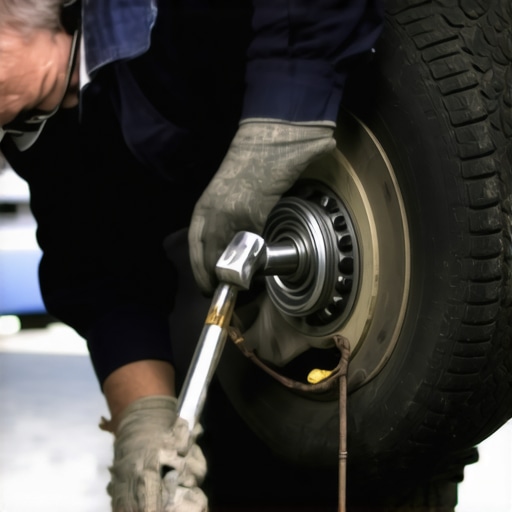
Start by inspecting your wheel bearings since they are common culprits causing a persistent whirring noise. Jack up your car and manually rotate each wheel. Listen for unusual grinding or roughness. If a wheel feels loose or extra play is evident, it’s time to consider replacing the wheel bearing. I once grabbed a friend to help me lift the car, and after rotating the suspect wheel, I noticed a grinding sensation that confirmed my suspicion. Addressing this early prevents costly damage elsewhere.
Inspect the Transmission System
If your wheels check out fine, focus on the transmission. A failing transmission can produce a whirr that intensifies with speed. Shift the gear into different positions with the car parked, and listen if the noise persists. For automatic transmissions, check for slipping or delayed shifts. Often, a simple fluid check reveals contamination or low levels. I once drained and replaced old transmission fluid using a DIY guide, which immediately quieted the noise and improved shifting. For comprehensive help, see how these signs point to transmission issues.
Assess the Exhaust System
Another source of whirring sounds can be exhaust components. Examine your exhaust pipes for holes, loose clamps, or rust. Often, a small leak near the muffler creates a distinctive high-pitched whine. I caught mine early by listening around the exhaust area during a cold start, noticing a faint whistle. Tightening loose parts or replacing damaged sections often restores quiet and safe operation. Remember, a compromised exhaust can also affect your car’s emissions and fuel efficiency.
Test Your Brake System
Sometimes, worn or sticking brake components can cause a continuous humming or whirring noise. With the vehicle parked, have someone apply the brakes gently while you listen and observe. If the brake pads are uneven or if the caliper is sticking, the noise will stand out. I discovered my front brakes were grabbing during a routine inspection, which was causing the whirring. Replacing brake pads or calipers not only quiets the noise but also enhances safety.
Evaluate the Drive Belt and Pulley System
Worn or loose serpentine belts can create a whirling or squealing sound that worsens with engine speed. Open your hood and visually inspect the belts for cracks or fraying. Use a stethoscope or a long screwdriver like a diagnostic tool to listen for belt slippage while the engine runs. I once tightened a loose belt following a tutorial, and it immediately eliminated the noise. Proper belt tension and condition are essential for smooth operation of your alternator, power steering, and AC systems. Check out how to tell if your serpentine belt tensioner is going bad for more tips.
Use Troubleshooting Guides and Professional Help
If the cause is still elusive, consult dedicated troubleshooting guides or take note of when the noise occurs—such as during acceleration, braking, or at specific speeds. For complex issues, visiting a reputable mechanic ensures accurate diagnosis. Remember, early detection and timely repairs save money and prevent breakdowns.
** **
**
Many car owners operate under misconceptions regarding vehicle maintenance, particularly about complex systems like transmissions and collision repairs. Let’s **dig deeper** into the nuances that often trip people up and uncover myths that can cause costly mistakes.
Are All Transmission Problems Repairable Without Replacing Components?
A widespread belief is that many transmission issues are simple to fix or just need a fluid change. While some minor problems, such as contaminated fluid, can be remedied with flushing, serious issues like worn clutches or damaged valves typically require major repairs or complete transmission replacement. Relying solely on quick fixes might be tempting, but it can lead to further damage. According to Dr. John Davis, a renowned automotive engineer, attempting to repair a failing transmission without proper diagnostics often results in escalating costs and unpredictable outcomes. When considering repairs, always consult with experts and understand the limits of DIY fixes.
CollisionRenew’s Oversight: The Danger of Overlooking Subtle Damage
Many assume that after a minor collision, only obvious issues need attention. However, hidden damage—like misaligned frame sections or compromised safety sensors—can linger and cause long-term problems. For example, a slight misalignment can affect vehicle handling or trigger warning lights years later. CollisionRenew specializes in addressing these nuanced problems, such as restoring sensors after fender benders, ensuring your vehicle performs flawlessly post-repair. Ignoring these subtleties might seem harmless initially but can escalate into safety hazards and expensive fixes down the line.
Auto Repair Myths That Lead to Costly Mistakes
A common misconception is that all auto repair shops are equally trustworthy or that dealership repairs are always superior. In reality, quality varies significantly, and being informed can save you both money and frustration. For instance, some repair shops cut corners or use inferior parts, which may only become apparent after repeated failures. On the other hand, collisionrenew.com emphasizes transparent diagnostics—like resolving trunk latch issues or fixing airbag sensors—highlighting how targeted repairs prevent unnecessary expenses. Conducting research and asking for detailed estimates is essential to avoid falling into these often-encountered traps.
Why Understanding Brake System Nuances Can Save Your Life
Many drivers think that brake pads are the only component that wears out. But, in reality, issues like a sticking caliper or warped rotors can cause unsafe driving conditions. Recognizing symptoms early—such as pulsating brake pedals or strange noises—can prevent accidents. For example, brake shuddering during emergency stops, as explained in CollisionRenew’s guides, indicates that your brake system needs attention before a failure occurs. Regular inspections and understanding these subtle signals save lives and reduce repair costs.
In summary, moving beyond myths and understanding the finer points of vehicle systems can vastly improve your maintenance routine. Be cautious of oversimplified notions, like transmission repairs always being straightforward or collision damage being obvious. Instead, invest in knowledge, consult the right experts, and stay alert for subtle signs of trouble. Want to avoid common pitfalls? Check out more in-depth guides or contact trained professionals for diagnostics and repairs. Have you ever fallen into this trap? Let me know in the comments.

Keeping your vehicle in top shape isn’t just about recognizing problems—it’s about having the right tools and knowing how to use them to ensure long-term performance. As someone who’s dedicated years to auto repair and maintenance, I can attest that investing in quality equipment and understanding proper methods makes all the difference. For instance, I personally rely on a high-quality digital multimeter to diagnose electrical issues accurately and quickly. This device allows me to pinpoint problems like malfunctioning sensors or failing relays without unnecessary guesswork. For car enthusiasts or DIYers, I recommend a digital multimeter from Fluke because of its durability and precision—it pays for itself by saving time and preventing misdiagnoses.
In addition to diagnostic tools, specialized cleaning products are indispensable. I’ve found that regularly cleaning the mass airflow sensor (using this guide) not only improves fuel economy but also prolongs engine life. A clean sensor ensures accurate air-fuel mixture readings, which is critical for optimal engine performance. When it comes to maintaining safety systems like ABS, I keep a dedicated scan tool that integrates seamlessly with my vehicle’s computer, allowing me to reset codes and clear warning lights after repairs. This prevents false alarms and keeps the system functioning correctly, especially after fixings like replacing a damaged sensor or repairing wiring harnesses.
Tools alone won’t guarantee success—techniques matter just as much. I always follow manufacturer-specific service procedures for brake service or transmission repair to avoid common pitfalls. For example, when replacing brake pads, I pay close attention to proper torque specifications and bedding-in procedures, which many amateurs overlook, leading to uneven wear or squealing. Using a brake caliper piston rewind tool simplifies the process, ensuring consistent and safe installation. Similarly, when working on transmission components, I adhere to precise fluid change intervals and use OEM-approved fluids, as missteps here can cause slippage or shifting issues.
Looking ahead, the trend in auto maintenance points toward integrated diagnostic software that connects via Bluetooth to smartphones or tablets. This innovation allows seamless scanning, monitoring, and even predictive maintenance—helping enthusiasts catch issues before they become serious. In the future, more advanced tools may incorporate AI to recommend repair priorities based on data trends, making DIY maintenance smarter and more reliable.
How do I maintain transmission health over time?
Consistent transmission maintenance involves regular fluid checks and timely replacements, as contaminated or low fluid can cause sluggish shifting or complete failure. Use an OEM-recommended transmission fluid and follow the manufacturer’s service schedule. Additionally, installing a quality transmission filter during fluid changes can trap debris that accelerates wear. Don’t forget to inspect the transmission mount regularly since a worn mount can cause vibrations or misaligned shifting. Maintaining your transmission proactively will extend its lifespan significantly, reducing repair costs and avoiding sudden breakdowns. For detailed guidance on transmission care, check out this comprehensive article.
Remember, investing in the right tools and refining your maintenance techniques ensures your vehicle remains dependable on longer trips and daily commutes alike. Whether you’re troubleshooting a subtle noise or preparing for an upcoming long drive, having the appropriate equipment at hand makes all the difference. Try out a professional-grade scan tool or high-quality cleaning supplies—taking these steps now can save you substantial time and money down the road. If you’d like to learn more about advanced vehicle diagnostics or DIY repair tips, stay tuned for the upcoming in-depth guides. Ready to upgrade your toolkit today? Start with a digital multimeter or an automotive scan tool, and experience the confidence of proper maintenance firsthand.
Lessons That Changed How I Approach Car Repairs
- One of the hardest lessons I learned was the importance of listening to subtle sounds and trusting my instincts. Ignoring that faint whirring could have led to costly damage, but instead, I took proactive steps based on my observations and research.
- I realized that understanding the nuances of vehicle behavior—like how a noise intensifies under certain conditions—can significantly narrow down potential issues, saving time and expenses.
- My experience taught me the value of continuous learning, exploring reliable guides, and not hesitating to seek professional help when a problem surpasses my DIY skills.
- Remembering that small clues often hide big problems shifted my mindset from reactive to preventive maintenance, which ultimately extended my vehicle’s lifespan.
My Arsenal of Auto Repair Resources That Elevate My Skills
- High-Quality Digital Multimeter: Trusted for its accuracy, a multimeter helps me diagnose electrical issues swiftly, avoiding guesswork and ensuring safety. I recommend brands like Fluke for their reliability.
- Specialized Cleaning Products: Regularly cleaning components like the mass airflow sensor using guides from CollisionRenew’s tutorial keeps my engine performing optimally and prolongs part life.
- Professional Scan Tools: Investing in an automotive scan tool allows me to clear codes and monitor systems easily. It’s a game-changer for hands-on diagnostics and understanding my car better.
- Educational Literature and Forums: I follow trusted auto repair websites and forums to stay updated on common vehicle issues. Learning from experts helps me tackle problems more confidently.
Embrace Your Journey Toward Confident Vehicle Care
Taking charge of your car’s health not only saves money but also fosters a deeper connection with your vehicle. Remember, every strange sound or behavior is your car’s way of communicating, and with the right tools, resources, and mindset, you can decode these messages effectively. Whether tackling a stubborn whirring noise or performing routine maintenance, your proactive approach will lead to safer, more reliable drives. Keep learning, stay curious, and don’t shy away from seeking help when needed—your vehicle will thank you for it. Ready to empower your auto care routine? Share your experiences or questions below and join a community dedicated to smarter car ownership.