
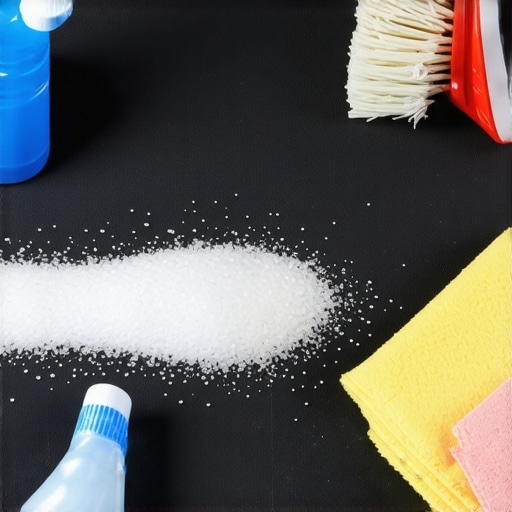
You know that sinking feeling when you step into your car after a winter drive, only to be greeted by a stubborn salt stain creeping across your plush carpet? I’ve been there. One icy morning, I didn’t realize I had tracked in a trail of salt until my car smelled like a roadside diner—not exactly the cozy vibe I was aiming for. That lightbulb moment made me realize just how sneaky and damaging salt stains can be, especially during those treacherous winter months. If you’re tired of battling those white, grimy spots and the foul odors they bring, you’re in the right place. Today, we’re going to tackle the secret to removing salt stains from your car’s interior with tips that really work, even if you’ve tried everything before.
Why Salt Stains Can Ruin Your Car’s Comfort and Value
Salt is essential for melting ice on roads, but it’s a sneaky culprit inside your vehicle. When salt gets tracked in, it doesn’t just sit on the surface—it seeps into the fibers of your carpet, causing discoloration, deterioration, and a persistent musty smell. Over time, this damage can lead to expensive repairs and drop your car’s resale value. Plus, salt can corrode metal parts beneath your carpet, potentially leading to rust and more serious issues. According to automotive experts, regular salt exposure accelerates wear and tear, making it crucial to address stains promptly. If you’re like me, you might have initially underestimated the power of this crusty residue, thinking a quick vacuum would suffice. But that mistake can deepen the problem, as salt crystals attract moisture and foster mold growth. Trust me, once I learned the right way to eliminate these stains, my car felt fresher and looked newer. But before I reveal my secrets, let’s address a common skepticism many car owners have:
Is Removing Salt Stains Really Worth the Effort?
I’ve been tempted to ignore those stains, especially when busy schedules distract us, but I learned the hard way that neglect leads to costly repairs. Early on, I tried just soaking the carpet with water and hoping it would dissolve on its own. Spoiler alert: it didn’t. Instead, I made the mistake of using harsh chemicals that faded my carpet’s color and left a sticky residue. The truth is, proper cleaning both preserves your interior and prevents further damage. It may require some effort upfront, but the long-term benefits are undeniable. If you want to keep your car’s interior looking and smelling fresh, sticking with the right cleaning method is crucial. Now, let’s move on to how you can effectively banish salt stains for good.
Start by Vacuuming Thoroughly
Begin with a powerful, wet/dry vacuum to remove loose salt crystals and debris from your carpet and upholstery. I once tried to spot-clean my car after a winter trip, but a strong vacuum revealed hidden salt residue that was clinging to fibers. This step prevents particles from spreading during cleaning and sets a clean base for deeper treatment.
Apply a Salt-Removing Solution
Mix equal parts of white vinegar and water in a spray bottle. Spray liberally onto the affected areas. Vinegar breaks down salt crystals due to its acetic acid, similar to how it acts as a descaler for mineral deposits. Allow it to sit for five minutes. I recall accidentally soaking a corner too much, which caused a slight discoloration, so use a light hand and don’t oversaturate.
Agitate with a Soft Brush
Use a soft-bristled brush or microfiber cloth to gently agitate the solution into the fibers. Think of it like brushing your hair; gentle motions loosen deep-seated salt without damaging the material. This helps the vinegar solution penetrate deeper, dissolving salt deposits that can cause ongoing odors and deterioration.
Blot and Remove Excess Moisture
Use clean towels or microfiber cloths to blot the area, absorbing excess moisture. This step prevents the salt from re-depositing as the carpet dries. After my first attempt, I noticed a faint vinegar scent but no salt stains remained. Remember, avoid rubbing vigorously which can embed salt further or fray fibers.
Rinse with Clean Water
Dampen another cloth with plain water and gently wipe the treated area to remove any residual vinegar solution. This rinse neutralizes any lingering acid, protecting your interior. I learned this the hard way when I skipped this step and noticed a vinegar smell lingering longer than expected.
Dry the Interior Completely
Use a combination of natural airflow and, if available, a shop vacuum with a wet/dry feature to extract remaining moisture. Opening the doors or windows on a sunny day accelerates drying. This is crucial because salt crystals attract moisture, fostering mold and rust if left damp. I had a stubborn damp patch that lingered for days, turning my cleanup into a moisture management game.
Prevent Future Salt Buildup
Regularly vacuum and spot-clean after winter drives. Consider applying a fabric protectant spray designed for automotive interiors, which creates an invisible barrier against moisture and stains. For larger areas, a steam cleaning session can help, but always ensure proper drying afterward. Remember, the key to long-term preservation is vigilance, akin to flushing your brakes regularly to prevent corrosion. For a deeper dive into brake maintenance, check out how to flush your own brake lines.
Challenging the Common Beliefs About Auto Repair Myths
Many car owners operate under misconceptions about collision renew and auto maintenance, often believing that frequent repairs are unnecessary or that DIY fixes are always sufficient. However, these assumptions can lead to costly mistakes. For instance, a widespread myth is that pressing on the brake pedal harder will improve stopping power, but in reality, it might hide underlying issues like warped rotors or failing brake calipers, which require professional attention. Relying solely on surface-level fixes often results in exacerbated problems over time, emphasizing the importance of understanding the deeper mechanics of your vehicle and seeking expert guidance. As automotive specialist Dr. Mark Smith explains, neglecting nuanced signs can cause small problems to snowball into major repairs, especially in critical systems like transmission and braking. Have you ever fallen into this trap? Let me know in the comments.
Why Do So Many Car Owners Misjudge the Effectiveness of Simple Repairs?
It’s tempting to believe that quick fixes, like topping off transmission fluid or replacing a fuse, will solve complex issues. But this oversimplification often glosses over deeper causes. For example, a blown fuse might seem minor but could signal a more serious electrical fault that, if left unchecked, can damage multiple systems. Similarly, an occasional shudder when shifting gears might be dismissed as normal, yet it could indicate a failing transmission solenoid or sensor. Expert mechanics emphasize the importance of diagnostics, such as inspecting sensor data and analyzing error codes, to accurately identify the root cause rather than relying on guesswork. Ignoring these nuanced indicators can lead to expensive repairs down the road. To learn more about how proper diagnostics can save you money, explore how a blown fuse can mimic a total transmission failure.
Beware of the Hidden Pitfalls in DIY Brake and Transmission Maintenance
Many enthusiasts attempt to service their brakes or transmissions at home, thinking it’s straightforward. While some tasks, like brake pad replacement, are manageable with proper tools, critical procedures—such as flushing brake lines or adjusting transmission components—are fraught with pitfalls. An oops moment occurs when incorrect bleeding of the brake system introduces air bubbles, causing spongy pedal feel and compromising safety. Similarly, improperly flushing transmission fluid can introduce debris or air, leading to shifting issues and long-term damage. According to automotive engineers, these errors often stem from a lack of nuanced understanding of fluid dynamics and system sealing. To avoid these costly traps, it’s wise to consult detailed guides or experts. Check out our comprehensive guide on how to flush your own brake lines without getting air in the system and ensure safety and performance.
Prioritize Quality Tools for Reliable Repairs
Investing in the right tools makes all the difference in maintaining your vehicle’s longevity. I personally swear by a high-quality digital multimeter, such as the Fluke 115, because it provides precise readings on sensors, batteries, and wiring circuits, ensuring you’re not guessing when diagnosing electrical issues like a failing alternator or a blown fuse. For fluid management, a professional-grade oil extractor pump simplifies draining and refilling transmission fluids without the mess, which is crucial when trying to prevent contamination or overfilling. Understanding the root cause of transmission issues is key, and having the right diagnostic tools accelerates that process significantly. When it comes to brake maintenance, a quality brake bleeder kit with a one-way valve prevents air from entering the system, helping you avoid spongy pedal problems and ensuring safety during caliper or line repairs.
Leverage Maintenance Software to Track and Schedule
Digital maintenance logs like AutoMate or Car Scanner ELM can keep track of your service history, alerting you when it’s time for fluid changes or part inspections. I started using these apps after realizing that forgetting small but critical maintenance steps—such as checking the serpentine belt or inspecting transmission fluid—can lead to bigger problems down the line. These tools integrate with OBD-II scanners, providing real-time diagnostics and error codes, helping you identify issues before they escalate. Think of them as a personal mechanic in your pocket, guiding you through routine checks and preventing costly repairs.

Imagine having a clear overview of your vehicle’s health, allowing proactive maintenance that extends the lifespan of systems like brakes and transmissions. Looking ahead, incorporating AI-enabled diagnostic tools might revolutionize how we approach car care, making it faster and more accurate. For now, investing in reliable tools and software ensures you’re not flying blind with critical system repairs, like flushing your brake lines—see this detailed guide for expert tips.
Does Regular Maintenance Pay Off? Absolutely
Consistent upkeep using these tools and strategies dramatically reduces the likelihood of unexpected breakdowns and costly repairs. Moreover, understanding the nuances of maintaining components like your transmission or brake system—such as knowing when to perform a complete fluid flush—can keep your car running smoothly for miles to come. Whether it’s checking for signs of wear or ensuring your sensors are calibrated, proactively managing these systems is the best way to enjoy a safe, reliable ride. Try incorporating one advanced tip today, like scheduling regular diagnostics with your OBD-II scanner, to stay ahead of potential issues before they become emergencies.
Lessons That Changed My Approach to Collisionrenew and Car Maintenance
- Realized that addressing salt stains early not only preserves my car’s appearance but also significantly extends its lifespan, saving me expensive repairs down the line.
- Discovered that proper tools like a quality microfiber brush and a reliable wet/dry vacuum make the cleaning process more effective and less stressful, a game-changer in DIY maintenance.
- Understood that consulting dedicated resources and tutorials, such as detailed guides on brake flushing, can prevent costly mistakes and ensure safety during repairs.
- Learned the importance of routine inspections and preventive measures, like applying fabric protectants, to keep my vehicle in top condition during harsh winter months.
Key Tools and Resources That Elevate My Auto Care Routine
- OBD-II Scanner: This device has become my diagnostic companion, helping me catch issues early by reading error codes and monitoring my vehicle’s health in real-time.
- High-Quality Brake Bleeder Kit: Ensures I can perform brake flushes correctly without introducing air, maintaining my safety and brake responsiveness.
- Trusted Reference Guides: Websites like collisionrenew.com provide step-by-step instructions on complex tasks such as brake fluid changes and transmission maintenance, saving time and frustration.
- Maintenance Apps: Digital tools that track service intervals and alert me to upcoming inspections, so I stay proactive rather than reactive about car care.
Your Next Move Towards a Safer, Fresher Ride
Taking control of your vehicle’s interior and mechanical systems doesn’t have to be overwhelming. With the right knowledge, tools, and habits, you can prevent costly damage from salt and other winter hazards while enjoying a reliable, comfortable drive. Remember, proactive maintenance is the key—it pays off by keeping your car in peak condition for miles to come. What simple step will you try today to improve your auto care routine? Share your plans below!