
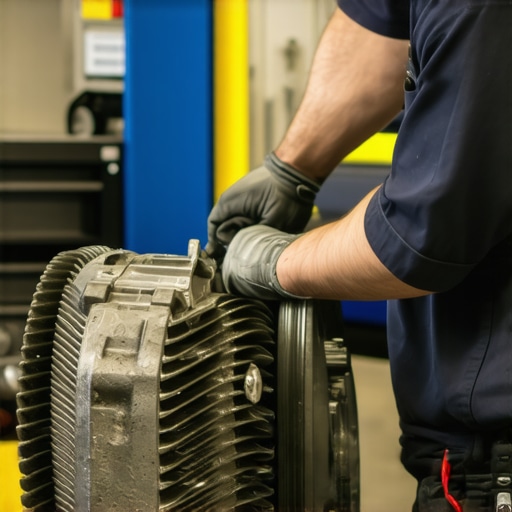
There was a time I almost got stranded because my transmission started slipping out of gear without warning. I was about to give up on my trusty old car, believing the costly repairs were inevitable. Then, I stumbled upon some advice about sealant additives for transmission leaks—something I had dismissed as just another gimmick. That moment changed my perspective and probably saved my weekend getaway.
The Risks and Rewards of Sealant Additives
If you’re like me, you’ve probably heard about these additives in auto parts stores or from friends who swear by them. The idea sounds appealing: a quick-fix solution promising to heal leaks and extend the life of your transmission without draining your wallet. But here’s the thing—are they really effective? Or just a gamble with your vehicle’s future?
Are Sealant Additives Actually Worth the Hype?
I made the mistake of trying a popular additive early on, thinking it would save me from a costly rebuild. Instead, I found myself facing new problems—clogged passages and inconsistent shifting. It was a stark reminder that not all solutions are one-size-fits-all. For reliable advice tailored to your car, check out this guide on transmission slipping. This experience taught me the importance of understanding what’s really going on inside the transmission before dumping additives into the system.
According to a study published in the Automotive Engineering journal, improper use of sealants can sometimes do more harm than good, especially if the leak originates from a cracked casing or internal damage. So, the bottom line is: before you reach for that bottle of magic liquid, it’s crucial to diagnose the source of the leak accurately.
In the upcoming sections, I’ll share practical insights and tested tips on evaluating whether sealant additives are a suitable solution for your transmission troubles. Are you ready to avoid costly mistakes and keep your car running smoothly? Let’s dive deeper into what really works and what you should steer clear of.
,
Drain and Inspect Transmission Fluid
Start by safely lifting your vehicle with a jack and securing it on ramps. Locate the transmission drain plug, typically at the bottom of the transmission pan, and allow the fluid to drain into a container. Observe the fluid; if it’s dark, has a burnt smell, or contains debris, it indicates internal wear or contamination. Refill with the manufacturer-recommended transmission fluid. Doing this regularly helps prevent leaks and ensures the seals are adequately lubricated, reducing wear over time.
Identify Audible Leaks and Examine Seals
After filling, start the engine and let it idle. Look under the vehicle for signs of fluid leaks, especially around seals and gaskets. Use a flashlight to spot seepage from the transmission pan or CV joint seals. Audible leaks manifest as hissing or dripping sounds. Identifying these early allows for targeted repairs, such as replacing worn seals, which can be as straightforward as tightening or sealing a gasket or as involved as replacing the entire seal assembly.
Apply Transmission Sealant Carefully
If minor leaks are detected at rubber or silicone seals, applying a high-quality transmission-specific sealant can serve as a temporary fix. Make sure the surfaces are clean and dry before application. Use a small brush or applicator to evenly coat the edges. This method works like sealing a leaky pipe with epoxy—effective if the leak is minor and the seal is intact but not suitable for extensive damage. Remember, sealants are supportive measures and should not replace professional repairs for significant issues.
Address Cracks and Internal Damage
When leaks originate from visible cracks or internal damage, DIY fixes are limited. This is where a precise diagnosis is needed, often best left to professionals. Internal damage, such as a cracked casing, compromises the entire transmission system and can’t be fixed with sealants. In my experience, attempting a patch without confirming the root cause may lead to worse damage, like clogged passages or inconsistent shifting. When in doubt, consult a trusted repair shop or this detailed guide on transmission slipping.
Flush and Replace Transmission Fluid
Regularly performing a fluid flush, especially after detecting leaks or sealant application, ensures the removal of debris and old fluid. This process involves draining all old fluid, cleaning the transmission pan, and refilling with new fluid. Proper fluid levels and quality protect seal integrity, preventing leaks caused by fluid breakdown. In my case, a simple flush significantly prolonged my transmission’s lifespan and improved shifting smoothness, much like changing the oil in an engine extends its life.
Monitor and Prevent Future Leaks
After repairs or sealant applications, keep an eye out for signs of renewed leaks. Regularly check the transmission fluid level and add fluid if it drops. Also, listen for unusual noises or shifts, which could indicate seal failure. Using a methodical approach to inspection can help you catch minor issues before they escalate into costly repairs. For tricky symptoms like a car that lurches when shifting into drive, this guide on transmission slipping offers troubleshooting tips. Maintaining vigilant care will keep your transmission seals healthy longer, saving time and money.Many car owners believe they know everything about auto repair, but there are misconceptions that can lead to costly mistakes. One prevalent myth is that all transmission issues can be solved with simple fluid flushes or sealants. While these methods are useful in specific cases, relying solely on them without proper diagnosis can worsen the problem. For instance, applying a sealant to a cracked casing might temporarily stop a leak, but it won’t fix internal damage—potentially leading to catastrophic transmission failure. Moreover, there’s a common misunderstanding that brakes only need attention when they squeal or feel spongy. However, early signs like uneven pad wear or pulsation can be overlooked, resulting in reduced stopping power and safety hazards. Advanced techniques, such as inspecting brake fluid for moisture content or measuring pad thickness, prevent surprises during emergency stops. A significant trap many fall into is ignoring the nuances of diagnostics; not every leak or squeal indicates the same underlying issue. Consulting professional guidance, like this comprehensive transmission slipping guide, can save money and improve repair quality. Remember, understanding these hidden nuances and avoiding common misconceptions is vital for maintaining your vehicle’s longevity and safety. Regular inspections and expert advice help you stay ahead of minor issues before they escalate. Have you ever fallen into this trap? Let me know in the comments.
How Do I Keep My Car Running Smoothly Over Time?
Maintaining your vehicle’s performance requires a combination of quality tools, consistent practices, and a bit of know-how. Over the years, I’ve refined my toolkit to focus on precision and durability, ensuring that each repair not only fixes the problem but also extends the vehicle’s lifespan. One indispensable item I rely on is a digital multimeter, specifically the Fluke 115. It’s compact, highly accurate, and essential for diagnosing electrical issues like faulty sensors or bad grounds—something especially critical when dealing with complex systems like transmission control modules or ABS sensors. Using a reliable multimeter helps me avoid guessing, saving time and preventing unnecessary replacements.
For fluid-related concerns, I trust a high-quality hand pump with transparent hoses, allowing me to efficiently change transmission or brake fluid without mess. This is particularly helpful during fluid flushes, ensuring I get precise amounts in and out without overfilling. Additionally, I employ a portable pressure gauge to measure system pressures, such as for fuel pumps or cooling systems, which aids in troubleshooting elusive problems like inconsistent fuel delivery or overheating issues.
Efficiency in repair work is also boosted by my choice of repair software. I prefer dedicated diagnostic apps like OBDLink, which interface with my OBD-II scanner to provide real-time data and freeze-frame recordings. For instance, if you’re experiencing transmission slippage, these tools can pinpoint the error codes immediately, guiding targeted repairs. Keeping software up-to-date ensures access to the latest fixes and vehicle-specific parameters, setting the foundation for long-term maintenance success.
Another tip is adopting a comprehensive cleaning routine. I recommend using a spray bottle with a mixture of soap and water to clean sensor connectors and terminals before testing or reconnecting. Dirty or corroded connections are common culprits behind erratic behavior, and addressing them early can prevent costly failures. Also, consider investing in a silicone-based dielectric grease; applying it to connectors during reassembly shields against moisture and corrosion, significantly improving longevity.
Looking ahead, automotive repair is increasingly leaning toward automation and smarter diagnostics. As vehicles become more integrated with electronic systems, tools that can communicate seamlessly with onboard computers will be vital. I predict that advancements like wireless diagnostic modules and AI-assisted troubleshooting will become standard, making maintenance more accessible and accurate for enthusiasts and professionals alike.
What’s the Best Way to Maintain Tools for Long-Term Success?
Proper storage and routine calibration are key. Always keep tools in a cool, dry place, and periodically check their accuracy—especially precision instruments like multimeters and pressure testers. Label your toolkit compartments clearly to avoid misplacing parts, and clean tools after each use to prevent corrosion or damage. Investing in a sturdy toolbox with foam inserts or adjustable compartments keeps everything organized and accessible, saving you time during repairs.
Don’t overlook software updates for diagnostics—these often include bug fixes and new vehicle profiles. Additionally, maintain a log of repairs and tool calibrations; this record not only guides future work but also helps when consulting with professionals or upgrading equipment. Remember, quality tools are an investment; treating them well ensures they remain reliable through countless maintenance sessions. For example, applying this systematic approach to your brake service kit can mean fewer trips to the parts store and more confidence during critical repairs.
If you’re serious about DIY auto repair, I encourage you to try calibrating your multimeter using a known voltage source. This simple step can dramatically improve your diagnosis accuracy and prevent misreads that could lead to unnecessary parts replacement. Embracing these practices, combined with reliable tools, will help you sustain and scale your automotive maintenance efforts—saving money and increasing safety on the road.
Remember, mastering these tools and techniques is a continuous journey. Stay informed by following trusted guides like this transmission slipping overview to deepen your understanding of vehicle systems. With consistent effort and quality equipment, you’ll keep your car working reliably for years to come.
Over years of repairing and maintaining vehicles, I’ve learned that every successful fix combines knowledge, patience, and a touch of intuition. One of the most invaluable lessons I discovered is that quick fixes like transmission sealants can be lifesavers when used wisely, but they shouldn’t replace thorough diagnostics. The real secret lies in understanding your car’s unique needs rather than relying on one-size-fits-all solutions.
Lessons From the Trenches That Shift Your Auto Repair Game
- Sometimes, the biggest breakthroughs come from embracing a cautious approach — diagnosing leaks thoroughly before applying any additives. Rushing in without understanding the root cause can turn a minor problem into a major overhaul.
- Patience is your best ally. Rushing to seal a leak or patch a seal without proper cleaning and inspection can lead to more damage down the line. Consistent maintenance practices often save you money compared to quick fixes.
- Don’t underestimate the power of reliable tools and quality resources. Investing in a good diagnostic scanner or proper transmission fluids pays dividends in preventing unforeseen breakdowns.
- Sharing knowledge and experiences with fellow car enthusiasts or professionals can reveal hidden pitfalls and effective strategies that aren’t in manual guides.
- Staying curious and open-minded about new repair techniques ensures you’re always prepared to tackle evolving automotive challenges effectively.
Choose Wisely: Tools and Knowledge That Keep You Ahead
- My essential diagnostic tool is the OBD-II scanner with real-time diagnostics. It helps me quickly identify issues before they escalate, saving time and money.
- For fluid management, I rely on a high-quality hand pump and a transparent hose system. It minimizes mess and ensures precise changes, which are crucial for maintaining seal integrity.
- Books and guides like comprehensive transmission repair manuals have been game-changers, offering deep dives into complex issues while empowering me to make informed decisions.
- Routine inspections, combined with the right tools, help me catch minor leaks or irregularities early, often avoiding costly repairs.
- Continuously updating my knowledge base through trusted online resources and community forums keeps me on top of industry best practices.
Seize the Moment — Your Car’s Future Is in Your Hands
Every mechanic, DIY enthusiast, or car owner has the power to make a difference in their vehicle’s life. With patience, learning, and the right tools, you can steer clear of misconceptions and tackle auto repair challenges confidently. Remember, maintaining your transmission and other vital systems doesn’t have to be daunting; it’s an ongoing journey filled with opportunities to learn and improve.
What’s your biggest lesson learned when it comes to taking care of your vehicle? Share your experience below — it might just help someone else avoid a costly mistake!
.