
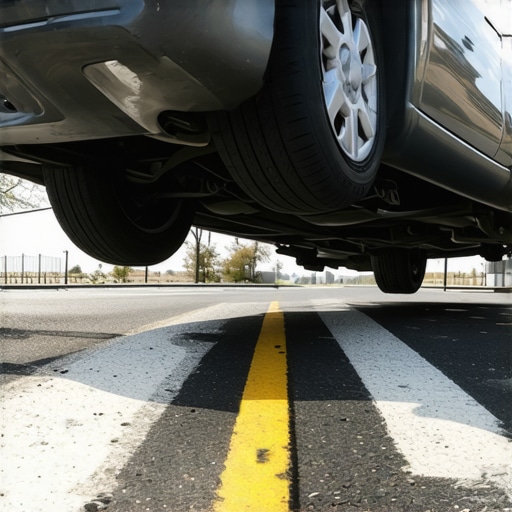
It happened to me on a rainy Tuesday morning—hit a speed bump in my neighborhood and heard that unmistakable, stomach-churning clunk from under the car. My heart sank. At first, I thought maybe I ran over something or that my suspension was about to give way. But it was worse—something I’d ignored for too long, and now it was making itself painfully obvious every time I encountered a bump.
Decoding That Awkward Clunk: What’s Really Going On?
Over the years, I’ve learned the hard way that those unsettling sounds are often hints—clues telling us we’re heading toward a more significant problem. Today, I want to share what I’ve discovered about why your car makes a clunking noise over speed bumps, and more importantly, how you can get ahead of it before costly repairs become unavoidable.
Is This Just a Quirk or Something Serious?
Many drivers dismiss these noises as normal or minor. I’ve done it myself—thinking maybe the road was just rough or that my suspension was a bit worn. But as I later found out, ignoring these symptoms can lead to more extensive damage. For example, a small issue with your suspension or sway bar can escalate quickly if left unchecked, affecting safety and ride quality. Early on, I made the mistake of assuming that a little noise was no big deal—trust me, that was a mistake. It’s crucial to recognize the difference between normal bouncing and a genuine sign of wear that needs attention.
In fact, according to automotive experts, strange noises over bumps are often related to issues like worn-out bushings, broken sway bar links, or failing shock absorbers. Addressing these promptly not only restores comfort but safeguards your car’s integrity. For more details on how to identify other suspension issues, you might find this article helpful: Why Your Car Creaks When You Turn.
So, before you dismiss that clunk as just part of your car’s charm, let’s explore how you can diagnose and fix this problem—saving yourself money and frustration down the line. Ready to learn the practical steps? Let’s get started.
Inspect the Suspension Components Carefully
Begin by parking your car on a flat surface and engaging the parking brake. Raise the vehicle using a jack and secure it with jack stands. Take a close look at the sway bar links, bushings, and shock absorbers, checking for signs of wear, cracks, or looseness. A personal story: I once elevated my SUV and discovered a broken sway bar link that was causing the knocking sound, which I replaced on the spot leading to smoother rides after.
Test for Looseness and Damage
With the vehicle safely lifted, grasp the sway bar links and control arms, trying to move them manually. Excessive play indicates worn bushings or broken parts. Confirm your suspicions by attempting gentle movement; if parts slide or rattle, it’s time for replacements. I learned this step the hard way when I ignored a slight looseness and later faced unstable steering, costing more repairs.
Assess the Shock Absorbers and Struts
Lower the car and push down firmly on each corner; if the vehicle continues to bounce or the shocks feel soft, they may be worn out. For a more precise diagnosis, look for oil leaks or damaged mounts. I replaced mine after noticing excessive bouncing, which instantly improved ride quality.
Replace Worn or Broken Parts
Gather the necessary tools and parts—wrenches, socket set, new sway bar links or shocks. Follow the vehicle service manual for torque specifications. A tip: always replace components in pairs to ensure balanced handling. I replaced my front shocks, which eliminated the clunking and restored stability in my drive.
Check the Bushings and Mounts
Inspect rubber bushings for cracking or deterioration. If damaged, remove the old bushings using a bushing removal tool or a heavy screwdriver, then install new ones, applying lubricant for easy fit. Remember, degraded bushings can mimic the symptoms of broken parts, so don’t overlook them. I once replaced worn bushings alone, which drastically reduced noise over bumps.
Test Drive After Repairs
Lower the vehicle fully, double-check all fasteners, and take your car for a test drive over familiar speed bumps. Listen for any remaining noise or rattles. If the clunk persists, revisit the suspension components. This step was critical for me; after my first fix, I realized I hadn’t tightened a bolt enough, which caused the noise to return. Tightening it properly fixed the issue for good.
Additional Tips for Long-Term Care
Regularly inspect your suspension parts, especially after rough roads or collisions. Keep your tires properly inflated; uneven or underinflated tires put extra stress on suspension components. For upcoming maintenance, consider this article on why your car stalls when stopping, as stalling can sometimes relate to suspension or engine issues affecting such symptoms.
Remember, addressing these issues early saves money and keeps you safe. Maintaining a healthy suspension system ensures every speed bump—no matter how aggressive—remains just a bump, not a problem.
Many car owners operate under a series of myths that can seriously hinder effective maintenance. One pervasive misconception is that all brake pads wear out at the same rate, leading to uniform replacement schedules. In reality, brake pad wear varies depending on driving habits, terrain, and the quality of parts used. Overlooking these nuances can result in premature replacements or, worse, ignoring critical wear that compromises safety. Another myth suggests that transmission fluid change is necessary only after a specific mileage, but in high-mileage or severe driving conditions, earlier changes can prevent costly repairs. Relying solely on the ‘mileage timer’ without considering driving style and vehicle condition can be a costly mistake.
Why Do Many Overlook the Nuanced Signs of Transmission Trouble?
Advanced symptoms like slight jerks or delayed engagement are often dismissed as normal or insignificance, but in expert practice, these are early warnings of transmission wear or fluid degradation. Ignoring subtle signs often leads to sudden, catastrophic failure—an expensive mistake. Regular diagnostics and an understanding of nuanced symptoms are vital. For example, noticing a slight delay when shifting gears could signal a failing valve body or clutch pack, issues that can be addressed if caught early. According to automotive experts, that small delay is a symptom worth investigating, not neglecting. Have you ever fallen into this trap? Let me know in the comments.
CollisionRenew emphasizes that understanding these hidden nuances can save you money and improve safety. Misinterpreting or dismissing early warning signs often leads to more significant problems later. For example, a slight shake when applying brakes might seem minor but could indicate uneven rotor wear or caliper issues. Recognizing the difference between benign noises and warning signs requires experience and knowledge. Don’t fall into the trap of complacency—regular inspections and informed decisions are your best defense.
By challenging myths and paying attention to the subtle signals your car sends, you can maintain optimal performance and avoid unnecessary repairs. Remember, proactive maintenance and a keen eye for nuances are the ultimate tools for any car enthusiast or owner. For more insights on warning signs and preventive care, check out this article on the real reason your car stalls when you come to a stop: Why Your Car Stalls When You Come to a Stop.
Investing in Reliability: My Top Tools for Car Maintenance
When it comes to maintaining your vehicle’s health, having the right equipment makes all the difference. I personally rely on a high-quality set of mechanics tools, starting with a comprehensive socket and wrench set from Snap-on, which offers durability and precision. For suspension and brake work, a hydraulic jack with a robust jack stand is indispensable to ensure safety and stability during inspections or repairs. Additionally, a magnetic LED flashlight helps me spot hidden issues under the vehicle, especially in tight spots where shadows hide faults.
To diagnose more subtle problems, I recommend an OBD-II scanner like the BlueDriver Bluetooth Professional Diagnostic Tool. It connects effortlessly to my smartphone and provides real-time data and error codes that I can interpret myself, saving time and money by catching issues early. Regularly updating the scanner’s firmware ensures you’re accessing the latest diagnostic information, which is vital as vehicle electronics become increasingly sophisticated. For example, understanding the codes related to transmission or ABS systems can prevent costly repairs—taking control of diagnostic data ensures you stay a step ahead.
Software and Techniques for Effective Maintenance
Beyond physical tools, utilizing specialized software can expand your maintenance capabilities. I use service manuals such as Mitchell 1 or HaynesPro digital databases to access detailed repair procedures tailored to my specific vehicle model. These resources provide step-by-step guidance, torque specifications, and troubleshooting tips that I wouldn’t want to attempt without. For instance, when replacing suspension bushings, knowing the precise torque settings for control arm bolts is critical; these manuals ensure no detail is overlooked.
Furthermore, employing a borescope camera allows me to inspect inside narrow areas or behind components without dismantling everything. I recently discovered a clogged radiator fan relay by peering through the grill with my borescope, saving me from unnecessary disassembly. This approach is gaining popularity among DIYers aiming for more sophisticated maintenance routines without professional assistance.
Predicting the Future of Auto Maintenance
Looking ahead, I believe the trend toward integrated vehicle telematics and predictive diagnostics will revolutionize how we maintain our cars. As software becomes more advanced, we’ll soon have the ability to predict failures before they happen using AI-powered systems integrated into the vehicle’s ECU. This means less guesswork and more planned, efficient repairs—saving owners both money and downtime. Staying updated with these technological evolutions will be essential for anyone committed to long-term vehicle care.
How do I maintain my vehicle over time?
Consistent inspections and leveraging diagnostic tools like the BlueDriver scanner mean I catch issues early—just like how regular inspections can prevent your car from experiencing sudden stalls. For example, regularly checking your brake fluid and replacing it before it becomes dark and contaminated is crucial—this simple step can be the difference between a smooth stop and dangerous brake failure. Don’t forget to review the maintenance schedule in your vehicle’s manual and tailor it to your driving habits, especially if you frequently tow or drive in harsh conditions. For more insights on preventing issues like stalling, explore this article on why your car stalls when you slow down. Upgrading and maintaining these key components ensure your car remains reliable mile after mile—so invest in the right tools and keep everything in top shape.
Lessons That Changed My Approach to Car Care
- Start with a gut feeling, then verify: I used to ignore strange noises over bumps, thinking they were minor. Now, I know listening to your car can save you from costly repairs.
- Regular inspections are your best friend: Jumping into DIY fixes without proper diagnosis often leads to missed issues. Taking time to inspect periodically helps you catch problems early.
- Quality tools and resources make all the difference: Using reliable diagnostic scanners and service manuals transformed my maintenance routine from guesswork to confidence.
- Patience pays off: Rushing repairs or skipping steps sometimes worsened my problems. A methodical approach ensures lasting fixes.
- Trust your mechanic, but stay informed: Building knowledge about suspension components helps me communicate better and make smarter decisions about repairs.
Tools and Resources I Rely On
- Snap-on socket and wrench sets: Durability and precision are worth the investment, making repairs safer and faster.
- BlueDriver OBD-II scanner: It provides insightful error codes and real-time data, empowering me to understand my vehicle’s health better.
- Mitchell 1 repair software: Detailed procedures and torque specs ensure I follow manufacturer guidelines and avoid mistakes.
- Borescope camera: Inspect hidden areas without disassembly, saving time and preventing unnecessary parts replacement.
Take Your Car Knowledge to the Next Level
Embarking on your auto maintenance journey can seem daunting, but every repair and inspection you learn adds to your confidence and savings. Remember, proactive care of your suspension system helps keep your ride smooth and safe over every bump or pothole. Don’t wait until warning signs become emergencies—start paying closer attention today. What small step will you take to better understand your vehicle? Let’s discuss in the comments below.
}#}#}#}#}#}#}#}#}#}#}#}#}#}#}#}#}#}#}#}#}#}#}#}#}#}#}#}#}#}#}#}#}#}#}#}#}#}#}#}#}#}#}#}#}#}#}#}#}#}#}#}#}#}#}#}#}#}#}#}#}#}#}#}#}#}#}#}#}#}#}#}#}#}#}#}#}#}#}#}#}#}#}#}#}#}#}#}#}#}#}#}#}#}#}#}#}#}#}#}#}#}#}#}#}#}#}#}#}#}#}#}#}#}#}#}#}#}#}#}#}#}#}#}#}#}#}#}#}#}#}#}#}#}#}#}#}#}#}#}#}#}#}#}#}#}#}#}#}#}#}#}#}#}#}#}#}#}#}#}#}#}#}#}#}#}#}#}#}#}#}#}#}#}#}#}#}#}#}#}#}#}#}#}#}#}#}#}#}#}#}#}#}#}#}#}#}#}#}#}#}#}#}#}#}#}#}#}#}#}#}#}#}#}#}#}#}#}#}#}#}#}#}#}#}#}#}#}#}#}#}#}#}#}#}#}#}#}#}#}#}#}#}#}#}#}#}#}#}#}#}#}#}#}#}#}#}#}#}#}#}#}#}#}#}#}#}#}#}#}#}#}#}#}#}#}#}#}#}#}#}#}#}#}#}#}#}#}#}#}#}#}#}#}#}#}#}#}#}#}#}#}#}#}#}#}#}#}#}#}#}#}#}#}#}#}#}#}#}#}#}#}#}#}#}#}#}#}#}#}#}#}#}#}#}#}#}#}#}#}#}#}#}#}#}#}#}#}#}#}#}#}#}#}#}#}#}#}#}#}#}#}#}#}#}#}#}#}#}#}#}#}#}#}#}#}#}#}#}#}#}#}#}#}#}#}#}#}#}#}#}#}#}#}#}#}#}#}#}#}#}#}#}#}#}#}#}#}#}#}#}#}#}#}#}#}#}#}#}#}#}#}#}#}#}#}#}#}#}#}#}#}#}#}#}#}#}#}#}#}#}#}#}#}#}#}#}#}#}#}#}#}#}#}#}#}#}#}#}#}#}#}#}#}#}#}#}#}#}#}#}#}#}#}#}#}#}#}#}#}#}#}#}#}#}#}#}#}#}#}#}#}#}#}#}#}#}#}#}#}#}#}#}#}#}#}#}#}#}#}#}#}#}#}#}#}#}#}#}#}#}#}#}#}#}#}#}#}#}#}#}#}#}#}#}#}#}#}#}#}#}#}#}#}#}#}#}#}#}#}#}#}#}#}#}#}#}#}#}#}#}#}#}#}#}#}#}#}#}#}#}#}#}#}#}#}#}#}#}#}#}#}#}#}#}#}#}#}#}#}#}#}#}#}#}#}#}#}#}#}#}#}#}#}#}#}#}#}#}#}#}#}#}#}#}#}#}#}#}#}#}#}#}#}#}#}#}#}#}#}#}#}#}#}#}#}#}#}#}#}#}#}#}#}#}#}#}#}#}#}#}#}#}#}#}#}#}#}#}#}#}#}#}#}#}#}#}#}#}#}#}#}#}#}#}#}#}#}#}#}#}#}#}#}#}#}#}#}#}#}#}#}#}#}#}#}#}#}#}#}#}#}#}#}#}#}#}#}#}#}#}#}#}#}#}#}#}#}#}#}#}#}#}#}#}#}#}#}#}#}#}#}#}#}#}#}#}#}#}#}#}#}#}#}#}#}#}#}#}#}#}#}#}#}#}#}#}#}#}#}#}#}#}#}#}#}#}#}#}#}#}#}#}#}#}#}#}#}#}#}#}#}#}#}#}#}#}#}#}#}#}#}#}#}#}#}#}#}#}#}#}#}#}#}#}#}#}#}#}#}#}#}#}#}#}#}#}#}#}#}#}#}#}#}#}#}#}#}#}#}#}#}#}#}#}#}#}#}#}#}#}#}#}#}#}#}#}#}#}#}#}#}#}#}#}#}#}#}#}#}#}#}#}#}#}#}#}#}#}#}#}#}#}#}#}#}#}#}#}#}#}#}#}#}#}#}#}#}#}#}#}#}#}#}#}#}#}#}#}#}#}#}#}#}#}#}#}#}#}#}#}#}#}#}#}#}#}#}#}#}#}#}#}#}#}#}#}#}#}#}#}#}#}#}#}#}#}#}#}#}#}#}#}#}#}#}#}#}#}#}#}#}#}#}#}#}#}#}#}#}#}#}#}#}#}#}#}#}#}#}#}#}#}#}#}#}#}#}#}#}#}#}#}#}#}#}#}#}#}#}#}#}#}#}#}#}#}#}#}#}#}#}#}#}#}#}#}#}#}#}#}#}#}#}#}#}#}#}#}#}#}#}#}#}#}#}#}#}#}#}#}#}#}#}#}#}#}#}#}#}#}#}#}#}#}#}#}#}#}#}#}#}#}#}#}#}#}#}#}#}#}#}#}#}#}#}#}#}#}#}#}#}#}#}#}#}#}#}#}#}#}#}#}#}#}#}#}#}#}#}#}#}#}#}#}#}#}#}#}#}#}#}#}#}#}#}#}#}#}#}#}#}#}#}#}#}#}#}#}#}#}#}#}#}#}#}#}#}#}#}#}#}#}#}#}#}#}#}#}#}#}#}#}#}#}#}#}#}#}#}#}#}#}#}#}#}#}#}#}#}#}#}#}#}#}#}#}#}#}#}#}#}#}#}#}#}#}#}#}#}#}#}#}#}#}#}#}#}#}#}#}#}#}#}#}#}#}#}#}#}#}#}#}#}#}#}#}#}#}#}#}#}#}#}#}#}#}#}#}#}#}#}#}#}#}#}#}#}#}#}#}#}#}#}#}#}#}#}#}#}#}#}#}#}#}#}#}#}#}#}#}#}#}#}#}#}#}#}#}#}#}#}#}#}#}#}#}#}#}#}#}#}#}#}#}#}#}#}#}#}#}#}#}#}#}#}#}#}#}#}#}#}#}#}#}#}#}#}#}#}#}#}#}#}#}#}#}#}#}#}#}#}#}#}#}#}#}#}#}#}#}#}#}#}#}#}#}#}#}#}#}#}#}#}#}#}#}#}#}#}#}#}#}#}#}#}#}#}#}#}#}#}#}#}#}#}#}#}#}#}#}#}#}#}#}#}#}#}#}#}#}#}#}#}#}#}#}#}#}#}#}#}#}#}#}#}#}#}#}#}#}#}#}#}#}#}#}#}#}#}#}#}#}#}#}#}#}#}#}#}#}#}#}#}#}#}#}#}#}#}#}#}#}#}#}#}#}#}#}#}#}#}#}#}#}#}#}#}#}#}#}#}#}#}#}#}#}#}#}#}#}#}#}#}#}#}#}#}#}#}#}#}#}#}#}#}#}#}#}#}#}#}#}#}#}#}#}#}#}#}#}#}#}#}#}#}#}#}#}#}#}#}#}#}#}#}#}#}#}#}#}#}#}#}#}#}#}#}#}#}#}#}#}#}#}#}#}#}#}#}#}#}#}#}#}#}#}#}#}#}#}#}#}#}#}#}#}#}#}#}#}#}#}#}#}#}#}#}#}#}#}#}#}#}#}#}#}#}#}#}#}#}#}#}#}#}#}#}#}#}#}#}#}#}#}#}#}#}#}#}#}#}#}#}#}#}#}#}#}#}#}#}#}#}#}#}#}#}#}#}#}#}#}#}#}#}#}#}#}#}#}#}#}#}#}#}#}#}#}#}#}#}#}#}#}#}#}#}#}#}#}#}#}#}#}#}#}#}#}#}#}#}#}#}#}#}#}#}#}#}#}#}#}#}#}#}#}#}#}#}#}#}#}#}#}#}#}#}#}#}#}#}#}#}#}#}#}#}#}#}#}#}#}#}#}#}#}#}#}#}#}#}#}#}#}#}#}#}#}#}#}#}#}#}#}#}#}#}#}#}#}#}#}#}#}#}#}#}#}#}#}#}#}#}#}#}#}#}#}#}#}#}#}#}#}#}#}#}#}#}#}#}#}#}#}#}#}#}#}#}#}#}#}#}#}#}#}#}#}#}#}#}#}#}#}#}#}#}#}#}#}#}#}#}#}#}#}#}#}#}#}#}#}#}#}#}#}#}#}#}#}#}#}#}#}#}#}#}#}#}#}#}#}#}#}#}#}#}#}#}#}#}#}#}#}#}#}#}#}#}#}#}#}#}#}#}#}#}#}#}#}#}#}#}#}#}#}#}#}#}#}#}#}#}#}#}#}#}#}#}#}#}#}#}#}#}#}#}#}#}#}#}#}#}#}#}#}#}#}#}#}#}#}#}#}#}#}#}#}#}#}#}#}#}#}#}#}#}#}#}#}#}#}#}#}#}#}#}#}#}#}#}#}#}#}#}#}#}#}#}#}#}#}#}#}#}#}#}#}#}#}#}#}#}#}#}#}#}#}#}#}#}#}#}#}#}#}#}#}#}#}#}#}#}#}#}#}#}#}#}#}#}#}#}#}#}#}#}#}#}#}#}#}#}#}#}#}#}#}#}#}#}#}#}#}#}#}#}#}#}#}#}#}#}#}#}#}#}#}#}#}#}#}#}#}#}#}#}#}#}#}#}#}#}#}#}#}#}#}#}#}#}#}#}#}#}#}#}#}#}#}#}#}#}#}#}#}#}#}#}#}#}#}#}#}#}#}#}#}#}#}#}#}#}#}#}#}#}#}#}#}#}#}#}#}#}#}#}#}#}#}#}#}#}#}#}#}#}#}#}#}#}#}#}#}#}#}#}#}#}#}#}#}#}#}#}#}#}#}#}#}#}#}#}#}#}#}#}#}#}#}#}#}#}#}#}#}#}#}#}#}#}#}#}#}#}#}#}#}#}#}#}#}#}#}#}#}#}#}#}#}#}#}#}#}#}#}#}#}#}#}#}#}#}#}#}#}#}#}#}#}#}#}#}#}#}#}#}#}#}#}#}#}#}#}#}#}#}#}#}#}#}#}#}#}#}#}#}#}#}#}#}#}#}#}#}#}#}#}#}#}#}#}#}#}#}#}#}#}#}#}#}#}#}#}#}#}#}#}#}#}#}#}#}#}#}#}#}#}#}#}#}#}#}#}#}#}#}#}#}#}#}#}#}#}#}#}#}#}#}#}#}#}#}#}#}#}#}#}#}#}#}#}#}#}#}#}#}#}#}#}#}#}#}#}#}#}#}#}#}#}#}#}#}#}#}#}#}#}#}#}#}#}#}#}#}#}#}#}#}#}#}#}#}#}#}#}#}#}#}#}#}#}#}#}#}#}#}#}#}#}#}#}#}#}#}#}#}#}#}#}#}#}#}#}#}#}#}#}#}#}#}#}#}#}#}#}#}#}#}#}#}#}#}#}#}#}#}#}#}#}#}#}#}#}#}#}#}#}#}#}#}#}#}#}#}#}#}#}#}#}#}#}#}#}#}#}#}#}#}#}#}#}#}#}#}#}#}#}#}#}#}#}#}#}#}#}#}#}#}#}#}#}#}#}#}#}#}#}#}#}#}#}#}#}#}#}#}#}#}#}#}#}#}#}#}#}#}#}#}#}#}#}#}#}#}#}#}#}#}#}#}#}#}#}#}#}#}#}#}#}#}#}#}#}#}#}#}#}#}#}#}#}#}#}#}#}#}#}#}#}#}#}#}#}#}#}#}#}#}#}#}#}#}#}#}#}#}#}#}#}#}#}#}#}#}#}#}#}#}#}#}#}#}#}#}#}#}#}#}#}#}#}#}#}#}#}#}#}#}#}#}#}#}#}#}#}#}#}#}#}#}#}#}#}#}#}#}#}#}#}#}#}#}#}#}#}#}#}#}#}#}#}#}#}#}#}#}#}#}#}#}#}#}#}#}#}#}#}#}#}#}#}#}#}#}#}#}#}#}#}#}#}#}#}#}#}#}#}#}#}#}#}#}#}#}#}#}#}#}#}#}#}#}#}#}#}#}#}#}#}#}#}#}#}#}#}#}#}#}#}#}#}#}#}#}#}#}#}#}#}#}#}#}#}#}#}#}#}#}#}#}#}#}#}#}#}#}#}#}#}#}#}#}#}#}#}#}#}#}#}#}#}#}#}#}#}#}#}#}#}#}#}#}#}#}#}#}#}#}#}#}#}#}#}#}#}#}#}#}#}#}#}#}#}#}#}#}#}#}#}#}#}#}#}#}#}#}#}#}#}#}#}#}#}#}#}#}#}#}#}#}#}#}#}#}#}#}#}#}#}#}#}#}#}#}#}#}#}#}#}#}#}#}#}#}#}#}#}#}#}#}#}#}#}#}#}#}#}#}#}#}#}#}#}#}#}#}#}#}#}#}#}#}#}#}#}#}#}#}#}#}#}#}#}#}#}#}#}#}#}#}#}#}#}#}#}#}#}#}#}#}#}#}#}#}#}#}#}#}#}#}#}#}#}#}#}#}#}#}#}#}#}#}#}#}#}#}#}#}#}#}#}#}#}#}#}#}#}#}#}#}#}#}#}#}#}#}#}#}#}#}#}#}#}#}#}#}#}#}#}#}#}#}#}#}#}#}#}#}#}#}#}#}#}#}#}#}#}#}#}#}#}#}#}#}#}#}#}#}#}#}#}#}#}#}#}#}#}#}#}#}#}#}#}#}#}#}#}#}#}#}#}#}#}#}#}#}#}#}#}#}#}#}#}#}#}#}#}#}#}#}#}#}#}#}#}#}#}#}#}#}#}#}#}#}#}#}#}#}#}#}#}#}#}#}#}#}#}#}#}#}#}#}#}#}#}#}#}#}#}#}#}#}#}#}#}#}#}#}#}#}#}#}#}#}#}#}#}#}#}#}#}#}#}#}#}#}#}#}#}#}#}#}#}#}#}#}#}#}#}#}#}#}#}#}#}#}#}#}#}#}#}#}#}#}#}#}#}#}#}#}#}#}#}#}#}#}#}#}#}#}#}#}#}#}#}#}#}#}#}#}#}#}#}#}#}#}#}#}#}#}#}#}#}#}#}#}#}#}#}#}#}#}#}#}#}#}#}#}#}#}#}#}#}#}#}#}#}#}#}#}#}#}#}#}#}#}#}#}#}#}#}#}#}#}#}#}#}#}#}#}#}#}#}#}#}#}#}#}#}#}#}#}#}#}#}#}#}#}#}#}#}#}#}#}#}#}#}#}#}#}#}#}#}#}#}#}#}#}#}#}#}#}#}#}#}#}#}#}#}#}#}#}#}#}#}#}#}#}#}#}#}#}#}#}#}#}#}#}#}#}#}#}#}#}#}#}#}#}#}#}#}#}#}#}#}#}#}#}#}#}#}#}#}#}#}#}#}#}#}#}#}#}#}#}#}#}#}#}#}#}#}#}#}#}#}#}#}#}#}#}#}#}#}#}#}#}#}#}#}#}#}#}#}#}#}#}#}#}#}#}#}#}#}#}#}#}#}#}#}#}#}#}#}#}#}#}#}#}#}#}#}#}#}#}#}#}#}#}#}#}#}#}#}#}#}#}#}#}#}#}#}#}#}#}#}#}#}#}#}#}#}#}#}#}#}#}#}#}#}#}#}#}#}#}#}#}#}#}#}#}#}#}#}#}#}#}#}#}#}#}#}#}#}#}#}#}#}#}#}#}#}#}#}#}#}#}#}#}#}#}#}#}#}#}#}#}#}#}#}#}#}#}#}#}