
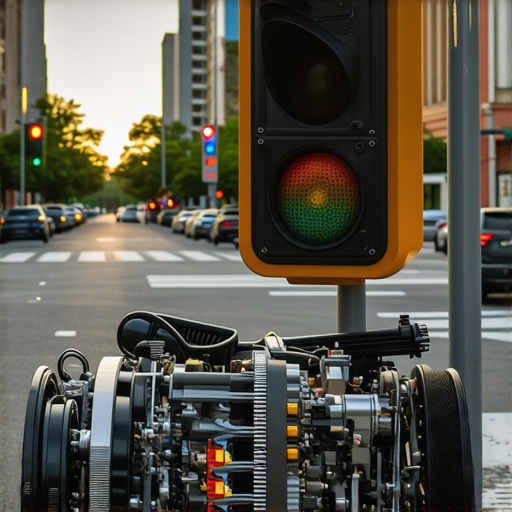
It happened to me on a chilly morning—I’m idling at a red light, and suddenly, my car sputtered and died right there in the intersection. Talk about feeling helpless, especially when you’re stranded in traffic or rushing to an appointment. That lightbulb moment hit me hard: there’s more going on beneath the surface than just a simple engine hiccup.
Why Does Your Car Stall When You Stop?
If you’ve ever experienced your car stalling as you come to a complete stop, you’re not alone. It’s a frustrating and somewhat frightening issue that can stem from a surprisingly common and overlooked cause: the transmission’s role in stopping smoothly. Early in my auto repair journey, I made the mistake of blaming everything on the idle control valve, only to later discover that worn-out transmission components often play a bigger part than I initially thought. According to automotive experts, issues with transmission fluid or damaged torque converters frequently result in this kind of stalling problem. Read more about how transmission problems cause rough shifts and stalls.
This phenomenon isn’t just inconvenient; it can also be a signal that your vehicle’s transmission needs attention before more serious damage occurs. But how do you know what’s causing your stalls and whether a fix is worth the cost? That’s exactly what we’re going to cover today—helping you understand the root cause and showing practical ways to resolve it.
Is Ignoring This Issue a Good Idea? A Common Mistake I Made
When I first faced this problem, I kept hoping it would just go away. I avoided getting it checked because I thought it was minor, maybe just a rough idle. But neglecting the problem only made matters worse—eventually, my transmission started slipping badly, and repairs turned into a costly fix. Don’t make that mistake. Recognizing the signs early can save you money and headaches down the road.
So, if your car struggles to stay alive at red lights or stop signs, keep reading. We’re about to dive into the causes, the signs to watch for, and the simple steps to get your car running smoothly again.
Check the Transmission Fluid First
My quick victory came when I checked the transmission fluid level. It was dangerously low, making my torque converter struggle during stops. Park your car on a flat surface, warm up the engine, and locate the transmission dipstick. Pull it out, wipe it clean, and reinsert it to check the level. If it’s below the recommended mark, top up with manufacturer-specified transmission fluid. Always use high-quality fluid to prevent further damage. Low or old fluid can cause slipping and stalling, so replacing it might be the most straightforward fix. For a detailed fluid change process, visit this guide.
Many car owners assume that all auto repair advice is reliable, but in reality, some common beliefs can lead you astray. A widespread myth is that using generic parts instead of OEM (Original Equipment Manufacturer) parts always saves money without risking quality, but expert insights reveal that cheap substitutes can cause more harm than good, leading to increased repair costs down the line. According to automotive specialists, OEM parts are designed specifically for your vehicle, ensuring optimal performance and longevity, which can be more cost-effective over time. Read about how choosing the right parts makes a difference. Moreover, there’s a misconception that routine maintenance isn’t urgent unless there’s a visible problem. However, neglecting regular inspections, such as brake service or transmission checks, can result in silent, costly issues developing unnoticed. Advanced diagnostics show that early intervention often prevents major failures, saving you money and safety risks. An often-overlooked trap is assuming that modern vehicles are maintenance-free because of technological advancements. In reality, sophisticated systems require specialized knowledge for proper servicing, and attempting DIY fixes can sometimes worsen existing issues. A common mistake is ignoring subtle signs like unusual noises or shifts, which could be early warning signs of transmission problems. Like wheel bearings warning signs, transmission issues are best caught early. Consider the nuanced difference between minor noise and a significant symptom; one might be harmless, but the other indicates an impending failure. Also, many believe that topping up fluids is enough without replacing them regularly. But fluids degrade over time, losing their lubricating and cooling properties—leading to component wear and overheating. Many experts emphasize that adhering to manufacturer-recommended fluid change intervals is crucial, especially for transmissions or brake systems. An advanced mistake many make is assuming that all auto repair shops are equal. Choosing a shop based solely on price can compromise quality; reputable specialists like CollisionRenew focus on precise diagnostics and quality parts, ensuring long-term vehicle health. Learn about choosing experts for lasting repairs. So, when it comes to car maintenance and repair, it pays to challenge common beliefs and seek advice from trusted sources. Remember, understanding these nuances helps you avoid costly pitfalls and keeps your vehicle performing at its best. Have you ever fallen into this trap? Let me know in the comments.
Keep Your Vehicle Running Smoothly with the Right Tools
Maintaining your car over time requires not just regular check-ups but also investing in quality tools and protocols that ensure long-lasting performance. My personal toolkit includes a high-quality scan tool like the Autel MaxiCOM MK808, which allows me to read and clear diagnostic trouble codes efficiently. I rely on this device because it offers comprehensive coverage for various vehicle makes, including specialized sensors and modules, saving me trips to the repair shop. Additionally, a laser infrared thermometer helps me pinpoint overheating issues accurately, preventing small problems from escalating into costly repairs.
For fluid management, I use a hand pump to flush brake and coolant systems properly, adhering to manufacturer-recommended procedures. Regularly inspecting and replacing transmission fluid with a trusted synthetic such as Valvoline MaxLife Transmission Fluid can extend your transmission’s lifespan significantly. Learning to check fluid levels correctly and performing flushes at intervals recommended in your vehicle’s manual prevents issues like slipping or shuddering, which might otherwise be misdiagnosed as more severe problems.
How Do I Maintain Transmission Health Over Time?
Consistent maintenance begins with understanding your vehicle’s unique requirements. I schedule biannual transmission checks to assess fluid condition and listen for anomalies by reading critical posts such as this detailed guide. I also keep an eye on warning signs like delayed shifting or unusual noises, which can be early indicators of issues. Updating software with manufacturer-approved diagnostic programs ensures your vehicle’s systems remain optimized, especially as newer models integrate complex electronic controls. As the trend toward hybrid and electric vehicles grows, tools like advanced battery analyzers and cooling system testers are becoming essential. Recognizing the shift in vehicle technology, I anticipate a future where diagnostic tools become more integrated with smartphone apps, giving owners greater control over long-term maintenance routines.
To maximize the benefits of these tools, I recommend setting a regular maintenance schedule and keeping detailed logs of inspections, fluid changes, and repairs. This habit not only prolongs your vehicle’s life but also enhances resale value. Take proactive steps by trying out a comprehensive transmission fluid flush using high-quality synthetic oil—it’s a simple, yet effective way to improve performance and prevent future failures. Remember, staying ahead with the right tools and knowledge makes all the difference in keeping your car dependable for years to come.
,
Lessons I Didn’t Expect to Learn About Car Maintenance
- One of the most eye-opening moments for me was realizing that simple issues like low transmission fluid can cause stalling, which many overlook. This taught me to approach car problems with a curious mindset rather than jumping to expensive repairs.
- I used to believe that ignoring minor sounds or irregular shifts was harmless—until they led to costly transmission repairs. Early detection truly is your best defense, and tools like diagnostic scans can reveal problems before they escalate.
- Trusting generic parts over OEM quality seemed like a good idea to save money, but I found that match-specific, high-quality components often prevent future breakdowns, saving both time and expense in the long run.
- Understanding that modern vehicles require specialized maintenance helped me avoid DIY pitfalls. Ever since, I’ve prioritized expert diagnosis and regular check-ups to keep my car running smoothly.
My Go-To Arsenal for Keeping Vehicles in Top Shape
I rely heavily on tools like the Autel MaxiCOM MK808 for diagnostics, which provides comprehensive insights into complex vehicle systems. It saves me trips to the repair shop and helps identify issues early, especially transmission-related ones. A laser infrared thermometer allows me to spot overheating components—crucial for preventing engine and transmission damage. For fluid management, synthetic transmission oils like Valvoline MaxLife have proven effective in extending the lifespan of my transmission. Additionally, high-quality fuel and periodic flushes based on manufacturer recommendations have kept my vehicle performing reliably. These tools and products, trusted for their consistency, have become essential in my maintenance routine, ensuring I stay ahead of potential problems.
Let Your Vehicle Be an Extension of Your Care
Taking proactive steps towards understanding and maintaining your car transforms the daunting task of auto care into a rewarding experience. Remember, the key isn’t just fixing issues—but anticipating them before they cause real trouble. Embrace the right tools and knowledge, and your vehicle will serve you reliably for years to come. Now, are you ready to give your car the attention it deserves? Keep learning and stay attentive to those subtle signs of trouble.
What’s the first step you’re going to take today to better care of your vehicle? Share your plans below—I’d love to hear how you’re making car maintenance easier and smarter.
,