

Ever had that frustrating moment when you try to close your car door, and it just stubbornly refuses to shut tightly? I remember the first time it happened to me—standing there with my hand on the door, feeling the gap wider than I liked, and thinking, “Is this going to be a headache?” It’s a common issue, but one that can sneak up on you when you least expect it, especially if you’re not familiar with the ins and outs of car body repairs.
Today, I want to share my experience and some practical tips on how to fix door gaps that won’t close properly. This problem not only affects the appearance of your vehicle but can also impact safety, security, and even fuel efficiency. A door that doesn’t sit flush might let in water, wind noise, or dirt—things no one wants from their trusty ride.
Why Do Car Doors Ever Stop Closing Properly?
One of the first mistakes I made early on was overlooking the importance of the latch mechanism alignment. It might seem minor, but even a small misalignment can cause big trouble, making the door refuse to latch correctly. Sometimes, this happens after a minor collision, a door being slammed too hard, or simply from wear and tear over years.
If your door casually hangs ajar or has a noticeable gap even when closed, it’s time to investigate. Sometimes, the hinges or latch may be the culprits. Other times, the body of the vehicle itself might have shifted slightly. Just like [how proper collision repairs restore factory gaps](https://collisionrenew.com/how-collisionrenew-restores-factory-gaps-after-a-small-side-swipe), addressing these issues early is key.
But here’s the thing—don’t jump into fixing it without understanding the root cause. A misaligned door is a symptom, not the disease. If you ignore the underlying problem, it could lead to worse damage or unsafe driving conditions.
Before we get into the nuts and bolts of fixing door gaps, I want to ask—have you ever faced a stubborn door that just wouldn’t close? If so, you’re not alone, and you’re in the right place to learn how to handle it with confidence.
The good news is, with a little patience and some basic tools, you can often fix minor alignment issues yourself. But for more complex problems, knowing when to seek professional help saves you time, money, and headaches down the road. Now, let’s explore how to determine exactly what’s causing that pesky gap and how to fix it properly.
Assess the Problem With Your Door Alignment
Start by opening the door fully and inspecting the gaps on all sides. Notice if the door hangs unevenly or catches on the frame. Think of this step like diagnosing a slipping transmission; understanding the specific issue guides your repair approach. I once had a door that sagged after a minor collision, and pinpointing the uneven gap helped me determine whether hinges or the latch were the culprits.
Check and Adjust the Door Hinges
Loosen the hinge bolts slightly with a socket wrench, then gently shift the door to align it perfectly with the body lines. Tighten the bolts gradually while holding the door in the correct position. Imagine aligning a steering wheel; small adjustments can drastically improve the ride quality. I carefully nudged my door to close flush, which took patience but resulted in a noticeably tighter fit. Use a level to ensure accurate alignment, much like setting up a precision instrument.
Fine-Tune the Latch and Strike Plate
Close the door slowly and observe where it contacts the latch. If it’s not catching properly, loosen the strike plate’s mounting screws, then reposition it slightly inward or outward as needed. This is akin to adjusting brake pads to ensure even contact. I once adjusted the strike plate on my car and found that just a 1/8-inch shift made the door close effortlessly.
Inspect and Lubricate the Hinges and Latch
Apply a silicone-based lubricant to hinges and latch mechanisms to reduce stiffness and prevent squeaking. Think of this like lubricating a squeaky door hinge; it ensures smooth operation and prolongs component life. After greasing my hinges, opening and closing became smoother, and the gap stayed consistent longer.
Address Body Panel and Frame Shifts
If adjustments to hinges and latch don’t fix the problem, the vehicle’s frame might have shifted. This can happen from minor accidents or structural settling. Consider this similar to bleeding a brake system; sometimes, the root cause is deeper than surface adjustments. For complex shifts, it’s best to consult a professional, especially if you notice misaligned body panels or uneven gaps around multiple doors. Sometimes, a collision repair shop can realign the frame or body panels to restore original gaps, much like restoring factory gaps after a small side-swipe collision.
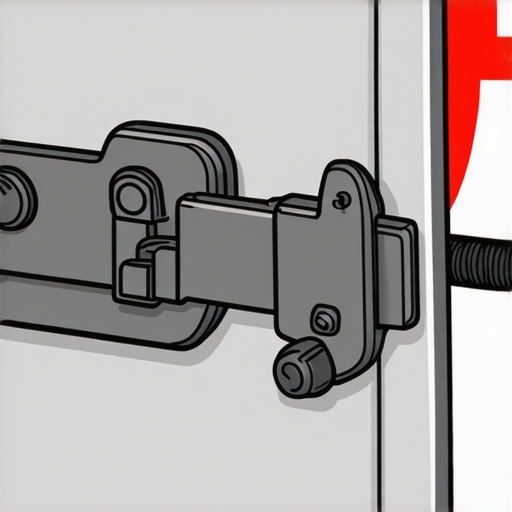
Here’s an illustration of proper door hinge adjustment and latch alignment, helping visualize the steps for accurate realignment.
When it comes to vehicle maintenance, there’s a wealth of misinformation that can lead even seasoned car owners astray. Many believe that following generic advice is enough, but in my experience, understanding the subtle nuances can save you time, money, and frustration. For example, a common myth is that all transmission fluids are created equal—think again. High-quality synthetic fluids can significantly extend your transmission’s lifespan compared to standard ones, and neglecting this can cause premature wear. Don’t let this misconception lead to costly repairs; instead, invest in proper fluid maintenance as advocated by experts.
Are Many Repairs Really Just About Surface Fixes Or Are We Missing Deeper Issues?
A frequent mistake is focusing solely on visible symptoms, like a slipping clutch or slow brakes, without diagnosing the root cause. For instance, a car might hesitate during acceleration, but the culprit could be a clogged transmission filter mimicking a gearbox failure. According to automotive specialists, neglecting filter replacement accelerates wear and leads to bigger failures down the line. Always consider the hidden factors—sometimes, what seems like a simple part replacement masks a broader problem. Also, beware of the trap of over-reliance on quick fixes, which often provide only temporary relief and do not address the ongoing strain on your vehicle. I’ve seen many owners replace parts like brakes or shocks without correcting alignment issues, which quickly renders the new parts ineffective. Proper diagnostic procedures, including comprehensive inspections, are critical here. For example, an improperly aligned suspension can cause uneven brake pad wear or premature tire degradation—issues that often get mistaken for component failures. It’s worthwhile to invest in diagnostic tools or professional services that assess your vehicle holistically. Want a deeper dive into the mechanics of transmission issues? Check out this article on how a clogged transmission filter can mimic gearbox problems for a more detailed explanation. Remember, understanding the intricacies of your vehicle’s systems not only prolongs its life but also enhances safety and performance. Have you ever fallen into this trap? Let me know in the comments.Keeping your vehicle in top shape over the years requires more than just occasional repairs; it demands a set of reliable tools and disciplined maintenance routines. One of my personal favorites is a high-quality digital multimeter. I use it primarily to check the health of your vehicle’s electrical systems, from testing the battery’s voltage to diagnosing faulty sensors. It’s a game-changer when troubleshooting issues like vague engine warning lights or inconsistent performance, especially since modern cars heavily rely on electronic control modules. Additionally, I recommend investing in a professional-grade scan tool, such as the Bosch KTS series. Unlike basic code readers, these devices can read manufacturer-specific codes, clear errors, and even monitor live sensor data. Knowing exactly what your vehicle’s systems are doing helps prevent minor issues from snowballing into costly repairs, a crucial factor when considering the long-term health of components like your transmission or brakes.
Regular maintenance is also essential. I personally adhere to a strict schedule for oil changes and fluid replacements, paying close attention to transmission fluids. Remember, as I explained in my article on [how a clogged transmission filter can mimic gearbox problems](https://collisionrenew.com/how-a-clogged-transmission-filter-mimics-a-blown-gearbox), neglecting these simple tasks can lead to significant damage over time. Using synthetic transmission fluids not only extends the service interval but also provides better lubrication under stress, which is especially beneficial for vehicles that see frequent towing or heavy-duty use.
Tools like a portable torque wrench are invaluable for ensuring all bolts—especially those on your brakes or suspension—are tightened accurately. Over-tightening can damage components, while under-tightening risks mechanical failure. I also rely on a quality brake caliper piston tool when doing brake service; it allows me to retract pistons evenly without damaging the calipers.
Looking ahead, I believe we’ll see an increase in integrated sensor diagnostics, making maintenance even smarter and more proactive. As onboard diagnostics become more advanced, having the right software and tools to interpret this data will be paramount. Investing early in these tools pays dividends by preventing expensive repairs and extending your vehicle’s lifespan.
How do I maintain my vehicle’s health over time
Consistent inspections—checking for subtle leaks, worn belts, or unusual noises—paired with preventive maintenance can save you from emergencies. For example, catching a minor fluid leak early, like in your power steering or brake system, avoids catastrophic failures later. Remember, specialized tools and disciplined routines are your best allies in this ongoing effort. Try integrating a digital multimeter into your maintenance routine and monitor your car’s electrical system voltage regularly. It’s simple, effective, and can reveal impending issues before they become serious, ensuring your vehicle remains reliable for years to come.
The Hardest Lesson I Learned About Car Service, Transmission, CollisionRenew, Auto Repair, Brake Service
One of the most eye-opening moments I experienced was realizing that mere surface adjustments often mask deeper issues. I once spent hours tweaking door hinges only to find the problem resurfacing because I overlooked frame shifts—reminding me that a comprehensive diagnosis is key. Patience and attention to detail are your best allies in avoiding costly mistakes.
How Small Tweaks Lead to Big Improvements in Car Repairs
Adjusting a strike plate by just a fraction of an inch transformed the way my door closed—no more gaps or squeaks. This taught me that sometimes, a tiny change can restore the vehicle’s integrity and safety, emphasizing the importance of incremental modifications backed by careful observation.
The Power of Knowing When to Call a Professional
There are moments when DIY fixes aren’t enough—like frame misalignments after minor collisions. Recognizing your limits not only saves time but also preserves the integrity of your car. I learned this the hard way when attempting to realign my car’s frame, ultimately needing expert help—proof that knowing when to seek professional assistance is vital for lasting results.
Curated Tools That Elevate Your Repair Game
Investing in quality tools like a digital multimeter or a precision torque wrench revolutionized my approach to vehicle maintenance. These tools provide accurate insights and prevent over-tightening or under-adjustment, ensuring each repair adheres to factory standards. Trustworthy resources empower you to handle issues confidently, saving money and extending your vehicle’s lifespan.
Embrace the Challenge: Your Journey to Vehicle Mastery
Driving a well-tuned, properly aligned car isn’t just about aesthetics—it’s about safety, efficiency, and pride in your ride. Every adjustment, every lesson learned, brings you closer to mastery. Don’t shy away from taking charge; your hands-on efforts can make a real difference. Start today, and watch your confidence grow with each successful fix.
Have you ever struggled with aligning a car door or figured out a tricky adjustment? Share your story below—I’d love to hear your experiences!