
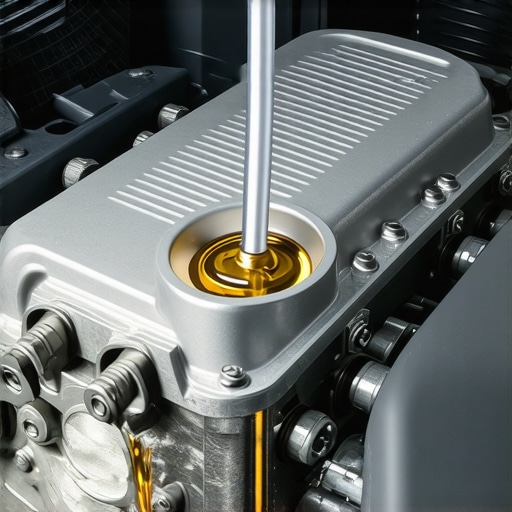
It happened on a chilly Saturday morning—I opened my hood, expecting the usual routine check, only to find my engine oil level surprisingly higher than last week. I couldn’t recall topping it up recently, yet there it was: elevated oil readings that just didn’t add up. That lightbulb moment made me realize I was staring at a puzzle I’d need to crack fast. If you’ve ever experienced this confusing spike without pouring in extra oil, you’re not alone—and it can be a sign of something deeper than just overfilling.
Understanding the Surprising Rise in Oil Levels
At first glance, a higher-than-expected oil level seems like good news, right? More oil can mean better lubrication, more protection for your engine. But when that level increases without manual intervention, it’s time for a closer look. Early on, I made the mistake of dismissing it as just a small error—assuming I might have misread the dipstick or had a little spill during checking. That was a rookie mistake, and trust me, neglecting the root cause can lead to serious engine problems. According to automotive experts, an unexplained rise in oil level can be linked to issues such as coolant leaking into the oil system or oil contamination from other sources. This is why it’s so crucial to investigate thoroughly instead of just topping off and hoping for the best. If you’re nodding along, wondering whether your car might be suffering from this, stick around. We’ll explore what’s really going on beneath the hood and how to get to the bottom of this mysterious increase. Curious if this phenomenon has caused you anxiety before? You’re not alone. Let’s dig into the common causes and how you can spot them early, saving yourself a costly repair down the line.
Identify the Source of Oil Contamination
Start by checking if coolant has mixed with your engine oil, as this often causes an unnatural rise. Remove the oil fill cap and observe for a milky appearance or a sweet smell—signs of coolant leakage. To verify further, perform a compression test or use a chemical block test, which can detect coolant in the oil. Remember, coolant leaks might originate from a failing head gasket or a cracked cylinder head, and addressing these promptly prevents severe engine damage. If you suspect coolant intrusion, consult a mechanic immediately.
Inspect for Oil Dilution or Overfilling
Next, evaluate whether excess or contaminated oil is from overfilling during a recent service or accidental topping-up. Drain a small amount into a clean container and observe its condition. If the oil appears overly thin or contains particles, it might be diluted with fuel or water. Drain the contaminated oil and replace it with the manufacturer-recommended grade. Always double-check your oil level with the dipstick, ensuring the levels are within the proper range. An improperly filled oil can cause inaccurate readings and engine issues.
Check for Engine Oil Leaks and External Contaminants
Sometimes, external leaks or contaminants can lead to misleading oil level readings. Examine the oil pan gasket, valve covers, and oil filter for leaks, cracks, or signs of seepage. Use a flashlight and a clean cloth to inspect hard-to-see areas. Residual leaks could introduce coolant or debris into the oil, artificially inflating the level. If a leak is detected, replace damaged seals or gaskets following detailed repair guides, like this step-by-step transmission leak fix that can be adapted to oil leaks as well.
Test the Oil Pump and Circulation System
An abnormal increase might relate to oil pump malfunction, causing improper circulation and accumulation of oil in specific engine parts. Conduct a pressure test to verify if the pump maintains correct oil pressure, referencing the vehicle’s manual. A faulty pump or clogged oil passages can cause oil to pool, leading to inaccurate dipstick readings. To perform this, connect a mechanical gauge to the oil pressure port and start the engine. If pressures are off, replacing or repairing the pump is essential.
Evaluate the Impact of Recent Repairs or Modifications
Recent work like head gasket repairs, engine rebuilds, or modifications can alter oil flow and levels. Review the repair documentation, ensuring all components were installed correctly and fluids are added per specifications. For example, incorrect gasket installation may cause coolant leakage or oil contamination. Double-check torque specifications and fluid types to prevent future issues. Consulting detailed repair tutorials ensures the system operates as intended.
Implement Preventive Maintenance and Regular Checks
Preventing unexpected oil level spikes involves establishing a routine: check oil levels weekly, especially before long drives. Use the dipstick method accurately by wiping, reinserting, and reading at eye level. Keep an eye on coolant levels and watch for engine overheating signs. Additionally, replace oil filters regularly and stick to scheduled oil changes based on your vehicle’s manual. Doing so minimizes contamination risks and keeps your engine running smoothly.
During my last oil check, I noticed the dipstick showed a milky hue, hinting at coolant intrusion. Following these steps, I confirmed a small head gasket leak, which I later repaired myself using a DIY head gasket kit (see this guide for repair tips). After flushing and refilling with fresh oil, oil levels stabilized, and I avoided a costly engine overhaul. Taking swift, decisive action based on these diagnostics saved me from potential engine failure and costly repairs.
Challenging the Common Belief That Bigger Is Always Better
Many drivers assume that a larger engine or a more expensive repair automatically equals better performance. However, in my experience, overlooking the nuances—like proper maintenance schedules or understanding the specific needs of your vehicle—can lead to unnecessary expenses or even damage. For example, choosing high-performance brake pads for a daily urban commute might be overkill and can cause premature wear. Experts emphasize tailoring repairs and parts to your driving habits rather than following generic upgrade trends. Rushing into costly modifications without understanding the underlying issues is a common trap that can cost you in the long run.
The Oops Moment: Overlooking Basic Maintenance
It’s tempting to think that once your car runs smoothly, you’ve nothing more to worry about. But neglecting essential maintenance like timely fluid changes or brake inspections can turn minor issues into major headaches. A specific pitfall many fall into is ignoring subtle warning signs—like a faint squeak or a slight pulling sensation. Overlooking these can lead to more extensive repairs, such as engine overhauls or transmission replacements. Regular check-ups and attentive observation are your best defenses against costly surprises. For instance, preventing a brake rotor rusting overnight is more affordable than replacing the entire assembly later. Find out how simple proactive steps can save you money and keep your vehicle in top shape.
What Advanced Diagnostics Can Reveal That Basic Checks Miss?
Most car owners rely on visual inspections or dashboard alerts. However, advanced diagnostics—like electronic sensor testing and computer analyses—can uncover hidden issues such as subtle transmission slippage or coolant leaks. Studies show that vehicles with repeated minor issues tend to develop bigger problems if not diagnosed early. Using sophisticated tools enables technicians to identify root causes, preventing breakdowns. For example, a misdiagnosed engine sensor issue might mimic fuel problems, leading to unnecessary part replacements. Investing in this level of diagnostics significantly enhances repair accuracy and longevity of your car. Have you ever fallen into this trap of misdiagnosis? Let me know in the comments.
In summary, understanding what frequently gets misunderstood about auto repair helps you avoid costly pitfalls. Recognize that more significant parts or aggressive modifications aren’t always the best choice—sometimes, the devil is in the details of proper maintenance, timely diagnostics, and understanding your vehicle’s specific needs. Remember, a proactive approach and informed decisions make all the difference in preserving your car’s health and saving money in the long run.

How can I keep my vehicle reliably running over the years?
Maintaining your car for the long haul requires more than just regular oil changes. It’s about equipping yourself with the right tools and knowledge to catch issues early and perform essential upkeep yourself. As a seasoned auto repair enthusiast, I’ve found that investing in quality diagnostic and maintenance tools can save you hundreds, if not thousands, in repairs.
One of my top recommendations is a digital scan tool like the Autel MaxiCOM MK808. It’s a comprehensive code reader that not only identifies fault codes but also resets oil lights and provides live data streams. I personally rely on it during routine check-ups because it cuts through the guesswork, especially when diagnosing intermittent issues, such as unexplained engine revving or transmission quirks. Using advanced diagnostics regularly helps identify problems before they escalate, saving you money and frustration.
Alongside a scan tool, I swear by a magnetic oil drain plug to prevent leaks and detect metal shavings early. When I perform oil changes, I slip the magnet onto the drain plug before reinstallation. If metal particles are present, it’s a red flag that components like the transmission or differential might be wearing out prematurely. Catching these signs early aligns well with practices outlined in maintenance tutorials like this guide on transmission health.
For brake service, I use a digital caliper to measure pad thickness precisely. Maintaining proper brake pad clearance is critical to long-term safety and performance. Simply eyeballing the pads isn’t enough; detailed measurements ensure you know exactly when it’s time for replacements, preventing uneven wear or rotor damage. Regularly verifying brake components helps avoid unexpected failures during city driving or highway trips.
Looking ahead, the trend in auto maintenance is heading toward integrated OBD-II sensors connected via smartphones. Insurance companies are already using telematics to monitor driving habits, and repairs may become more predictive as cars report their health status in real time. Embracing these innovations now, like installing Bluetooth-enabled diagnostics, positions you ahead in maintaining your vehicle’s long-term performance.
Remember, the key to ‘keeping it working’ is consistency. Regularly reviewing diagnostics and performing preventive maintenance with the right tools can dramatically extend your vehicle’s lifespan. For example, try implementing a monthly check with your scan tool to interpret engine trouble codes—it’s quick, empowering, and can prevent minor issues from turning into costly repairs.
If you’re ready to elevate your maintenance game, start by investing in a reliable scan tool like the MaxiCOM MK808, then schedule routine diagnostics. This approach has consistently helped me avoid roadside breakdowns and costly repairs. As they say, an ounce of prevention is worth a pound of cure—so equip yourself, stay vigilant, and tune up your car like a pro!
What the Toughest Lessons Taught Me About Car Maintenance
- Over the years, I learned that ignoring small signs like a milky oil color or uneven handling can snowball into major repairs if left unchecked—that’s why attentive diagnostics make all the difference.
- Trusting quick fixes over thorough inspections often leads to recurring problems. Taking the time for proper troubleshooting, such as testing for coolant leaks or inspecting oil circulation, has saved me from costly overhaul surprises.
- I’ve realized embracing advanced tools like a reliable scan tool transforms maintenance from guesswork into certainty—knowing exactly what’s happening under the hood empowers you as a car owner.
- Understanding that routine checks—like verifying oil levels or inspecting for leaks—are more than chores; they’re investments in your vehicle’s longevity and safety.
- Finally, I discovered that patience and curiosity—asking ‘why’ a problem occurs—are what truly elevate your auto repair game beyond beginner mistakes toward mastery.
Tools and Resources That Changed My Approach to Car Care
- A quality torque wrench: Ensures your wheels are tightened correctly, preventing dangerous accidents caused by loose lug nuts.
- A comprehensive digital scan tool like Autel MaxiCOM MK808: Helps diagnose hidden engine issues before they escalate, saving time and money.
- High-quality brake calipers and wear gauges: Keep your braking system reliable and responsive, essential for safety.
- A good flashlight and mirror: Essential for inspecting hard-to-see parts for leaks, cracks, or debris that could cause bigger problems later.
Charge Into Your Auto Repair Journey with Confidence
Remember, mastering auto repair isn’t about being perfect—it’s about being proactive. By trusting your intuition, investing in the right tools, and always seeking to learn more, you can extend your vehicle’s life and enjoy safer journeys. Whether fixing a minor squeak or diagnosing complex engine issues, keep pushing forward. Your car’s health depends on your curiosity and care—so start today, and watch your confidence grow as your skills do!
What small maintenance step have you been putting off that could make a big difference? Share your story below—I’d love to hear how you’re taking charge of your auto care!
,